

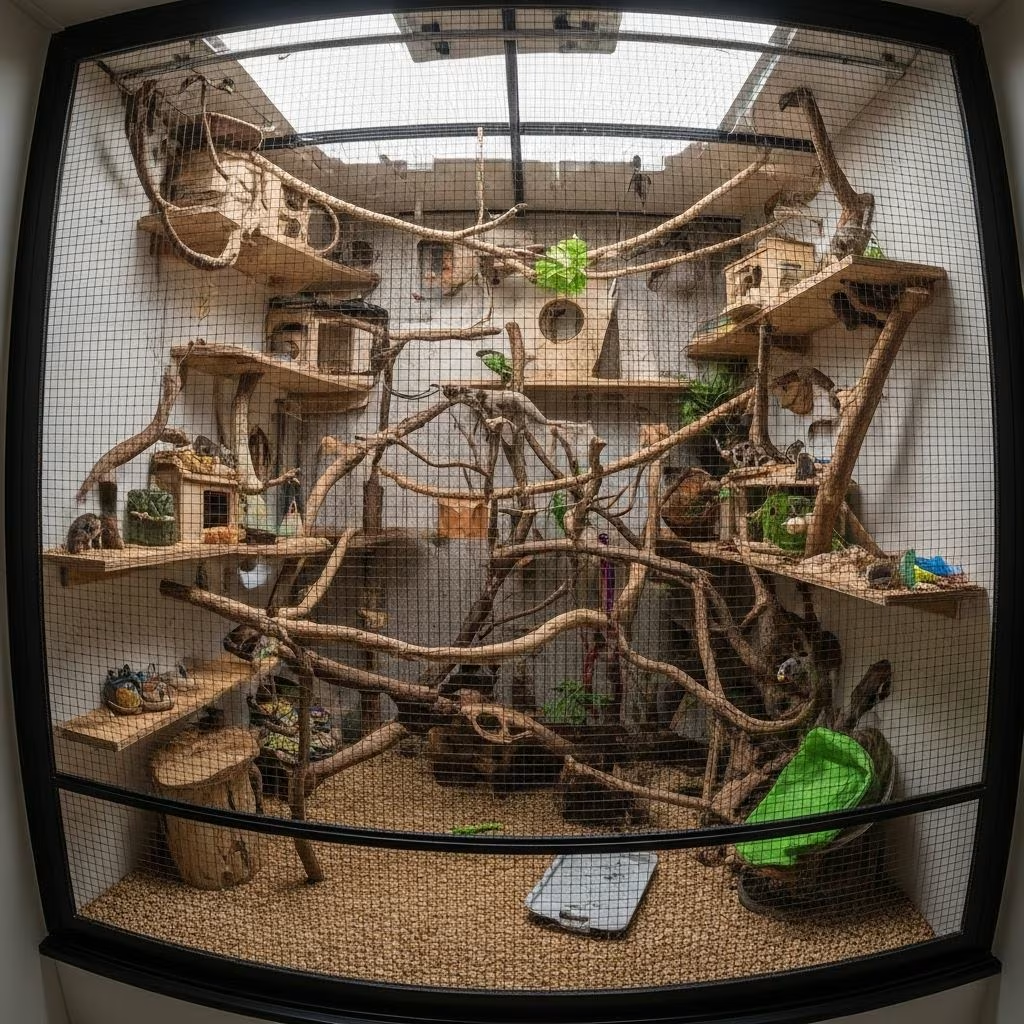
Establishing an appropriate living environment is fundamental to the health and well-being of pet sugar gliders. These small marsupials have specific requirements that differ significantly from traditional household pets, and understanding these needs is essential before bringing one into your home. A properly designed habitat addresses the physical, behavioral, and psychological needs of these nocturnal, social animals.
Understanding Sugar Glider Housing Fundamentals
Sugar gliders are highly active, arboreal animals that require substantially more space than many people initially anticipate. Unlike hamsters or gerbils that may thrive in modest cages, sugar gliders need multi-level enclosures that accommodate their natural climbing and gliding behaviors. The vertical dimension of the cage is particularly important, as these animals spend most of their time in trees in the wild and have evolved to navigate complex three-dimensional environments.
The cage should be positioned in a quiet area of your home where your sugar gliders can rest undisturbed during daylight hours. Since these are nocturnal creatures, placing the enclosure in a bedroom or other location where household activity is minimal during the day helps maintain their natural sleep-wake cycle and reduces stress.
Enclosure Specifications and Design Considerations
When selecting an enclosure, prioritize height over floor space. Sugar gliders utilize vertical space extensively for exercise and exploration. The cage should feature multiple levels, branches, and climbing opportunities throughout its interior. Metal cages with secure locking mechanisms are preferable to aquariums or plastic containers, as they provide adequate ventilation and durability.
If you plan to house multiple sugar gliders together—which is recommended as these are social animals—ensure the cage is large enough to accommodate all inhabitants without crowding. Multiple animals may require additional hiding spots and sleeping areas to reduce territorial conflicts and provide each glider with a sense of security.
Temperature and Environmental Control
Maintaining appropriate ambient temperature is critical for sugar glider health. These animals thrive in environments between 70 and 80 degrees Fahrenheit. If your home consistently falls below this range, particularly during winter months, you will need to provide supplemental heating. A heat source designed specifically for animal care, such as a conventional heat rock, can be placed within or near the enclosure to maintain warmth without creating fire hazards or excessive temperature fluctuations.
Humidity levels should remain moderate, ideally between 45 and 50 percent. Excessive humidity can promote fungal growth and respiratory issues, while air that is too dry may cause skin irritation. Proper ventilation is essential to prevent ammonia buildup from urine and feces.
Bedding Selection and Substrate Considerations
The foundation of the cage requires careful material selection. The bottom should be lined with materials that are safe, absorbent, and easy to clean. Recycled paper bedding provides excellent safety and absorbency while being gentle on the sensitive respiratory systems of sugar gliders. Alternative options include puppy pee pads or paper towels, which are accessible, affordable, and straightforward to replace.
Wood shavings, including cedar and pine, should be strictly avoided. These materials can cause significant irritation to the eyes, nose, throat, and respiratory system, potentially leading to serious health complications. Even bedding marketed as “safe” for small animals may pose risks to sugar gliders’ delicate respiratory systems.
Sleeping Areas and Hiding Spaces
Sugar gliders require dedicated sleeping accommodations. Fleece pouches, nest boxes, or hammocks provide secure, dark spaces where they can rest undisturbed during daylight hours. Multiple sleeping options should be available, particularly if you have several gliders sharing one enclosure. These sleeping areas help reduce stress and provide a sense of security that contributes to overall health and bonding.
Accessories should be constructed from safe materials. Rope and wooden toys are generally appropriate, though homemade enrichment items should be replaced every three to four months to maintain hygiene and safety. Items that pose entanglement risks, such as thin wire or loose strings, must be avoided entirely.
Water and Feeding Systems
Access to clean, fresh water is non-negotiable. Sugar gliders are sensitive to changes in water quality, making filtered or bottled water preferable to tap water, which may contain chemicals or minerals that can cause health issues. Water should be provided through both a conventional water bottle and a secondary dish within the enclosure, ensuring continuous access even if one system malfunctions.
The water bottle should be checked daily to confirm the ball bearing mechanism is functioning properly and that water remains fresh and clean. Any water bottle that appears damaged or is not releasing water when tested should be replaced immediately.
Food dishes should be selected for ease of cleaning and durability. Glass or ceramic options are preferable to plastic, as they resist scratching and retain odors less readily. All food and water dishes require daily cleaning to prevent bacterial growth and maintain food freshness.
Sanitation Protocols and Cage Maintenance
Maintaining a clean environment is one of the most important factors in preventing disease and managing odors associated with sugar gliders. A structured cleaning schedule should include multiple components performed at different intervals.
Daily Cleaning Tasks
- Remove uneaten fresh fruits and vegetables within a few hours of placement to prevent spoilage and bacterial growth
- Spot-clean visible soiling and messes from the cage
- Clean and refill all water bottles and drinking dishes
- Empty and replace the drop pan with fresh bedding at least twice weekly
- Change fleece pouches and wash toys as needed
Weekly Deep Cleaning
A thorough cleaning of the entire cage, all accessories, and toys should occur weekly. During this deep clean, the cage should be completely emptied of sugar gliders and any inhabitants should be relocated to a secure temporary enclosure. Household cleaning products, particularly those with bleach or vinegar bases, can be harsh on the respiratory and ocular systems of sugar gliders. If you use these products, ensure they are well-rinsed and the cage is completely dry before reintroducing your gliders.
For metal cages, dish soap and water combined with a soft, non-scratch sponge or new toilet brush provides effective cleaning without damaging cage surfaces. Vinegar-based cleaners are not recommended for metal cages, as they can cause corrosion over time.
Environmental Enrichment and Out-of-Cage Time
Beyond the basic enclosure, sugar gliders require regular opportunities for activity, exploration, and mental stimulation. Out-of-cage time in a controlled, secure environment is essential for physical exercise and psychological well-being.
Supervised Play Areas
A minimum of thirty minutes of daily out-of-cage time in a safe, glider-proof space is recommended. Appropriate spaces include bathrooms with the toilet lid secured and bathtub thoroughly dried, or temporary mesh enclosures that allow movement while preventing escape. During this time, ensure all other household pets are secured in a different area to prevent predation or injury.
Before allowing free roaming, conduct a thorough safety inspection. Electrical cords, small crevices where gliders might become trapped, toxic plants, and any items small enough to be ingested should be removed or secured. Sugar gliders move with surprising speed, making recapture difficult if they escape to an unsecured area.
Bonding Through Interaction
Daily handling is crucial for developing trust and attachment with your sugar gliders. A minimum of thirty minutes of handling per day, preferably conducted in the evening when these nocturnal animals are naturally more active, facilitates bonding and socialization. Some sugar gliders may be carried in a bonding pouch while you perform household tasks, extending quality time together while maintaining their security.
Preventive Health Measures
A well-designed habitat supports overall health by minimizing stress and preventing common health hazards. Several specific precautions can dramatically reduce the risk of injury or illness:
- Prevent drowning by keeping sugar gliders away from open water containers, including toilets, sinks, bathtubs, and buckets
- Eliminate burn hazards by securing the cage away from stovetops, light bulbs, toasters, and coffee makers
- Remove toxic substances such as fruit-scented air fresheners and certain cleaning products that can cause poisoning
- Always wash hands thoroughly, including under fingernails, before handling to prevent transferring bacteria or toxins
- Keep the cage in a separate room during household cleaning to prevent chemical exposure
- Maintain distance from pesticides, rodent baits, and insect treatments
Common Questions About Sugar Glider Housing
Can sugar gliders live alone?
While individual sugar gliders can technically survive alone, they are inherently social animals. Housing them in pairs or small groups is strongly recommended to meet their psychological and behavioral needs. If housing multiple gliders, ensure the enclosure is sufficiently spacious and provides multiple sleeping areas to reduce territorial stress.
How often should the entire cage be replaced?
With proper maintenance and cleaning, a quality cage should last many years. However, fleece accessories and toys should be rotated and replaced regularly to maintain hygiene. Any cage showing signs of rust, damage, or deterioration should be replaced immediately to prevent injury.
What is the ideal cage size?
While specific minimum dimensions vary by source, the general principle is that larger is always better. A cage should accommodate vertical climbing, multiple animals, several sleeping areas, and adequate space for exercise without crowding. When in doubt, selecting a larger enclosure provides more room for enrichment and reduces stress-related behavioral problems.
Conclusion: Creating a Thriving Home
Establishing an appropriate living environment for sugar gliders requires attention to multiple factors: proper cage dimensions and design, temperature control, appropriate bedding materials, consistent sanitation protocols, and regular opportunities for out-of-cage activity. By addressing each of these components thoughtfully, you create a home where sugar gliders can exhibit natural behaviors, maintain physical health, and develop strong bonds with their owners. The effort invested in proper habitat setup pays dividends in reduced veterinary costs, longer lifespan, and a happier, more interactive pet.
References
- Routine Health Care of Sugar Gliders — Merck Veterinary Manual. Updated 2024. https://www.merckvetmanual.com/all-other-pets/sugar-gliders/routine-health-care-of-sugar-gliders
- All About Sugar Gliders — PetMD. Updated 2024. https://www.petmd.com/sugar-glider/exotic/all-about-sugar-gliders
- Caring for Your Pet Sugar Glider — NC State Veterinary Hospital, College of Veterinary Medicine. Updated 2024. https://hospital.cvm.ncsu.edu/services/small-animals/nutrition/caring-for-your-pet-sugar-glider/
- Sugar Glider Care Guide — Bird Exotics Veterinary. Updated 2024. https://www.birdexoticsvet.com/sugar-glider-care-guide
- Sugar Glider Care Guide — The Pet Glider. Updated 2024. https://www.thepetglider.com/blogs/suggie-info-posts/basic-info-care



