

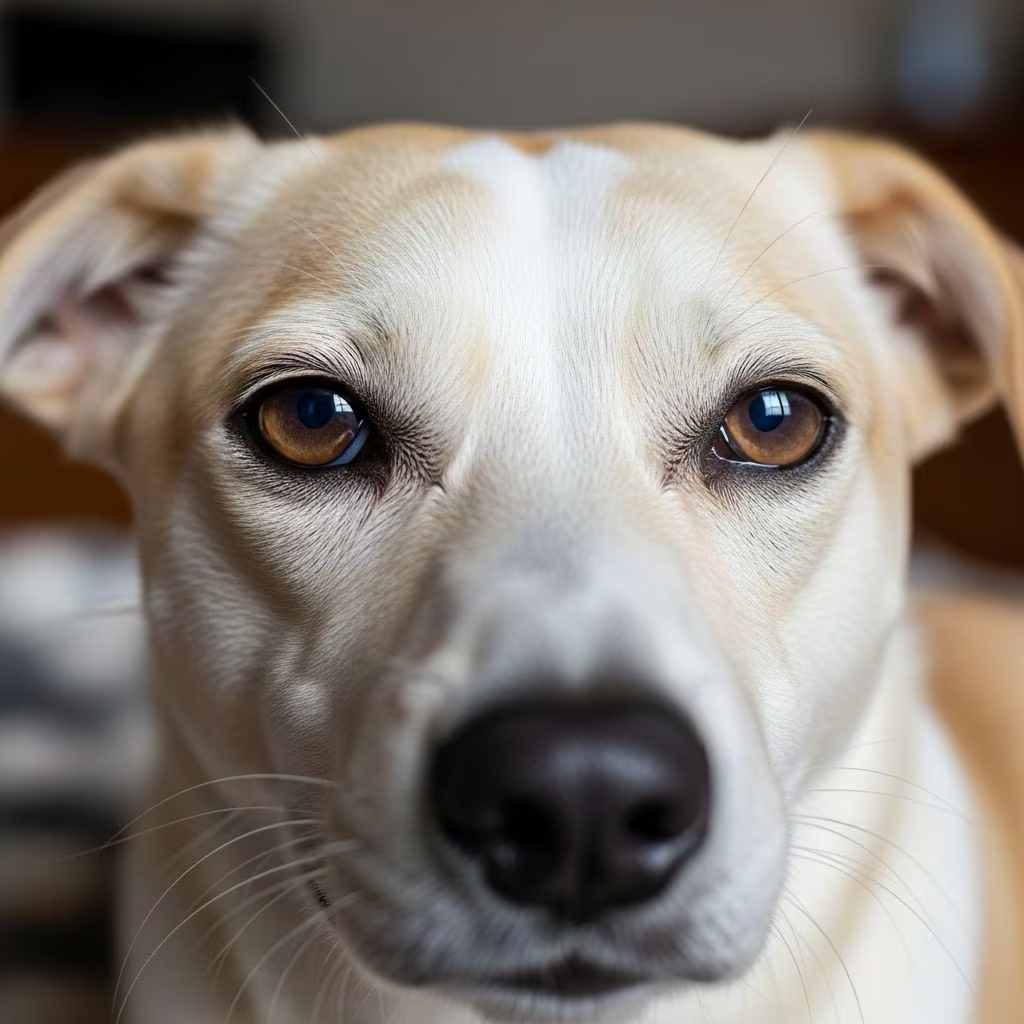
Abrupt loss of sight in cats and dogs can strike without warning, leaving owners stunned and pets disoriented. This condition, often termed sudden blindness, stems from diverse issues affecting the eyes, nerves, or brain. While some cases prove reversible, others lead to permanent changes, making swift veterinary intervention essential. Understanding the underlying triggers empowers pet owners to act decisively, potentially preserving or restoring vision.
Recognizing the First Signs of Blindness
Pet owners might overlook gradual vision decline, but sudden onset brings unmistakable clues. Dogs and cats may bump into furniture, hesitate on stairs, or miss treats held out of reach. Pupils often dilate and fail to constrict in light, a key indicator called mydriasis. Affected animals show confusion, pacing, or reluctance to navigate familiar spaces. In cats, elderly individuals with hypertension frequently present this way, as high blood pressure silently damages retinas over time until vision vanishes.
Observe these common symptoms:
- Disorientation: Walking into walls or objects previously avoided.
- Behavioral shifts: Increased vocalization, anxiety, or withdrawal.
- Eye changes: Cloudiness, redness, swelling, or unequal pupil sizes.
- Physical cues: Squinting, pawing at eyes, or head tilting.
These signs warrant an emergency vet visit, as delays can worsen outcomes. A thorough exam, including menace response tests (checking blink to approaching objects) and pupillary light reflexes, helps pinpoint the issue.
Primary Culprits Behind Abrupt Sight Loss
Sudden blindness arises from problems in the eye’s structures, systemic illnesses, or neurological disruptions. Here’s a breakdown of frequent offenders.
High Eye Pressure: Glaucoma’s Grip
Glaucoma builds dangerously high intraocular pressure, compressing the optic nerve and retina. It strikes one or both eyes, causing pain, redness, and a bulging appearance. Breeds like Cocker Spaniels and Basset Hounds face higher risks due to drainage angle defects. Without prompt pressure reduction via medications or surgery, permanent blindness follows.
Retina Separation: A Silent Thief of Sight
Retinal detachment occurs when the light-sensitive layer peels from the eye’s back wall. In cats, systemic hypertension is the prime suspect, often linked to kidney disease or hyperthyroidism. Dogs experience it from trauma or inflammation. Vision fades rapidly, with pupils stuck wide open. Early blood pressure control can reattach the retina in some feline cases.
Cloudy Lenses: Cataracts and Diabetes Link
Cataracts opacify the lens, turning the pupil hazy white. Diabetes accelerates this in dogs, causing bilateral cataracts within months of diagnosis. Increased thirst, hunger, and urination signal the metabolic root. Surgical lens removal restores clarity in eligible patients, but untreated cases invite secondary glaucoma.
| Condition | Affected Area | Key Symptoms | Species Most Impacted |
|---|---|---|---|
| Glaucoma | Intraocular pressure | Redness, pain, corneal haze | Dogs (brachycephalics) |
| Retinal Detachment | Retina | Dilated pupils, no other eye changes | Cats (hypertensive) |
| Cataracts | Lens | White pupil, gradual to sudden opacity | Dogs (diabetic) |
| Uveitis | Uveal tract | Squinting, redness, cloudiness | Both |
Inflammatory Storms: Uveitis and Optic Neuritis
Uveitis inflames the eye’s middle layer, triggered by infections, cancer, or immune disorders. It brings squinting, tearing, and color changes in the iris. Optic neuritis swells the nerve linking eye to brain, often from distemper, fungi like Blastomyces, or autoimmune attacks. Both cause bilateral blindness with fixed, dilated pupils.
Trauma and Its Devastating Eye Impact
Physical injuries rank high among sudden blindness causes. Car accidents, fights, or falls damage corneas, lenses, or brains. Brachycephalic breeds like Pugs suffer proptosis, where eyes pop from sockets. Head trauma might sever optic pathways, yielding vision loss without visible eye harm. Stabilize pets post-injury and seek imaging like CT scans to assess brain involvement.
Infections: Systemic and Local Threats
Body-wide infections such as toxoplasmosis (from raw meat or litter boxes) or fungal diseases like blastomycosis invade eyes, sparking inflammation. Local issues include corneal ulcers from scratches, leading to squinting and discharge. Conjunctivitis rarely blinds but signals broader problems. Protozoal or bacterial culprits demand targeted antimicrobials.
Toxic Encounters and Medication Mishaps
Certain poisons wreak havoc on vision. Antifreeze (ethylene glycol) metabolizes into retinal toxins, causing kidney failure alongside blindness. Ivermectin overdoses blind dogs, especially Collies with MDR1 gene mutations; enrofloxacin does the same in cats. Symptoms like vomiting or ataxia accompany sight loss. Decontamination and supportive care offer hope if caught early.
Tumors and Neurological Disruptions
Cancers in the brain, orbit, or optic nerve compress pathways, yielding blindness with seizures, circling, or personality shifts. Meningiomas or lymphomas strike seniors. Neurologic exams and MRIs confirm diagnoses, guiding chemotherapy or radiation.
Mysterious Cases: SARDS and Idiopathic Blindness
Sudden Acquired Retinal Degeneration Syndrome (SARDS) bewilders vets, hitting middle-aged dogs (8-10 years) with irreversible photoreceptor death. No inflammation appears, but polyuria, polydipsia, and weight gain mimic Cushing’s or diabetes. Pupils dilate permanently; no cure exists, though adaptation succeeds.
Diagnostic Pathways for Pet Vision Emergencies
Vets start with history: recent trauma, medications, or illness? Ophthalmic tools measure pressure (tonometry), inspect interiors (fundoscopy), and test reflexes. Bloodwork screens for diabetes, infections, or hypertension. Advanced imaging like ultrasound or MRI differentiates eye from brain issues. Early action boosts reversibility odds.
Treatment Options and Prognoses
Therapies target causes:
- Glaucoma: Pressure-lowering drops, laser therapy, or enucleation for pain relief.
- Hypertension/Retinal Detachment: ACE inhibitors normalize blood pressure; 50% of cats regain partial sight.
- Infections/Toxins: Antibiotics, antifungals, or antidotes reverse damage if timely.
- Cataracts: Phacoemulsification surgery in stable diabetics.
- SARDS/Advanced Cancer: Palliative care focuses on quality life.
Prognoses vary: trauma or toxins often recover fully; SARDS does not. Monitor for painful secondaries like ulcers.
Helping Blind Pets Thrive
Blindness alters lives but not joy. Dogs navigate via smell, hearing, and memory; cats rely on whiskers and routines. Tips include:
- Keep layouts consistent; avoid moving furniture.
- Use verbal cues, scents, or textures for guidance.
- Enrich environments with toys, puzzles, and companions.
- Prevent injuries via baby gates, leashes outdoors.
Many blind pets gain confidence within weeks, resuming play and cuddles. Veterinary behaviorists aid anxious cases.
Frequently Asked Questions
Can sudden blindness in dogs be reversed?
Yes, if caused by treatable issues like glaucoma or toxins; irreversible in SARDS or advanced detachment.
Why do older cats go blind suddenly?
Hypertension from kidney disease detaches retinas; owners notice when final vision fades.
Is surgery always needed for cataracts?
No, only if vision impairs life quality and no contraindications exist.
How do I test my pet’s vision at home?
Approach from side with cotton ball; no menace response suggests loss. Consult vet for confirmation.
Do blind pets need special food?
Not usually, but address underlying diseases like diabetes.
References
- Sudden Blindness in Cats and Dogs — Embrace Pet Insurance. 2023. https://www.embracepetinsurance.com/waterbowl/article/sudden-blindness-in-cats-and-dogs
- Sudden Blindness — Cornell University College of Veterinary Medicine. 2024-01-15. https://www.vet.cornell.edu/departments-centers-and-institutes/cornell-feline-health-center/health-information/feline-health-topics/sudden-blindness
- Sudden Acquired Retinal Degeneration Syndrome (SARDS) — VCA Animal Hospitals. 2025-03-10. https://vcahospitals.com/know-your-pet/sudden-acquired-retinal-degeneration-syndrome-sards
- Acute Vision Loss in Small Animals — Merck Veterinary Manual. 2025-06-22. https://www.merckvetmanual.com/emergency-medicine-and-critical-care/ophthalmic-emergencies-in-small-animals/acute-vision-loss-in-small-animals
- Diagnosing and Managing Sudden Blindness in Dogs — Envision Eye Vet. 2024-11-05. https://envisioneyevet.com/diagnosing-and-managing-sudden-blindness-in-dogs-a-veterinary-guide/
- Sudden Onset Blindness — Eye-Vet. 2024. https://www.eye-vet.co.uk/veterinary-professional/common-problems/sudden-onset-blindness/



