

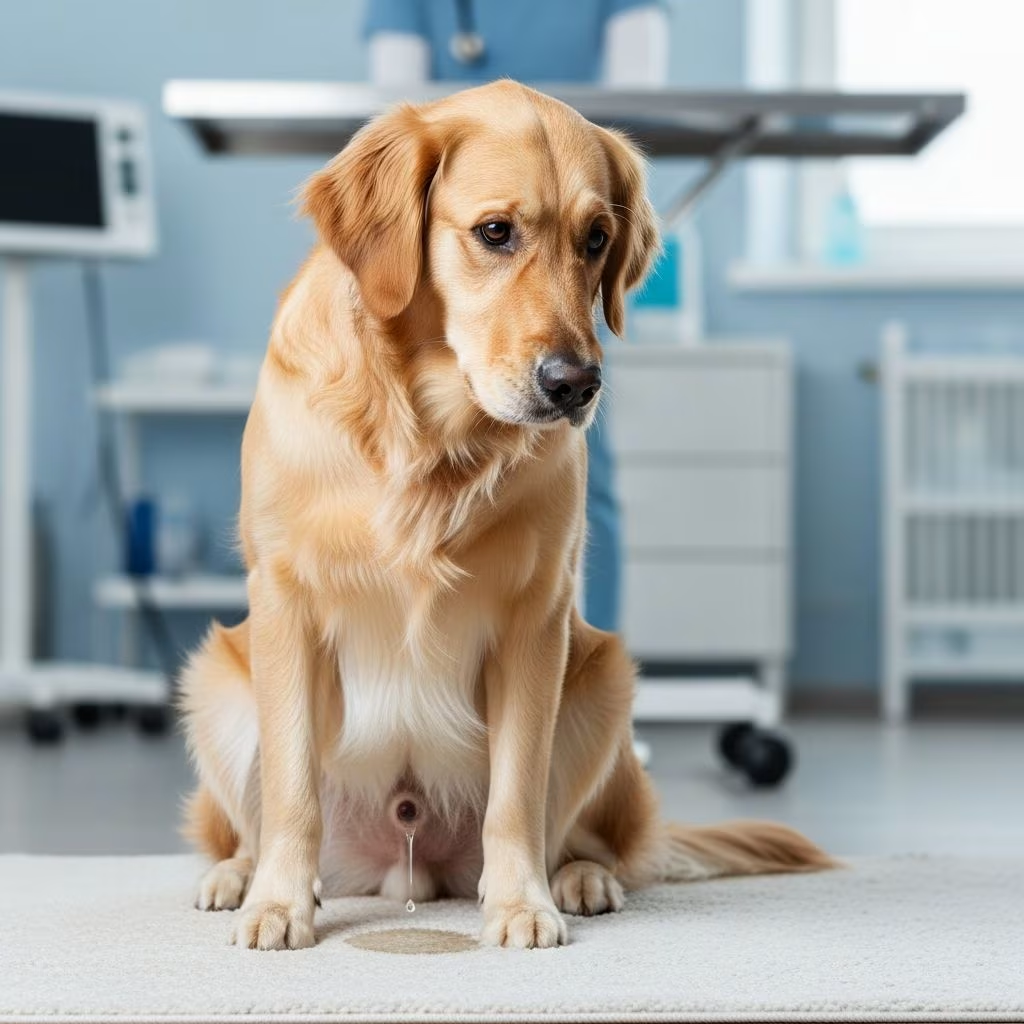
Observing your dog suddenly leaking urine can be alarming, often pointing to involuntary loss of bladder control known as urinary incontinence. This condition manifests as unexpected dribbles, especially during rest or sleep, and requires prompt attention to identify and address root causes.
Recognizing the Signs of Canine Urinary Incontinence
Urinary incontinence in dogs typically reveals itself through subtle yet consistent indicators that owners might initially overlook. Common observations include discovering damp spots on bedding after your dog has been resting there, or noticing matted fur around the hindquarters and abdomen. Dogs may also leave small puddles in unusual places around the home, accompanied by a persistent stale urine odor on their coat or in their living areas.12
- Dribbling urine while the dog is asleep, relaxed, or walking casually.
- Excessive grooming or licking of the genital area, which can lead to skin irritation or redness.
- Scalded, cracked, or inflamed skin near the vulva, penis, or rear legs due to constant moisture exposure.
- Strong ammonia-like smells emanating from the dog’s fur or bedding.
These signs often worsen over time if untreated, and accompanying symptoms like straining to urinate, frequent small-volume urination, or blood-tinged urine may hint at specific underlying issues.4
Primary Culprits Behind Sudden Onset Incontinence
Sudden urine leakage rarely occurs in isolation; it stems from various physiological disruptions affecting bladder control or urine retention mechanisms. Understanding these helps in targeted intervention.
Hormonal Imbalance: Urethral Sphincter Mechanism Incompetence (USMI)
The leading cause, particularly in spayed females, is USMI, where the urethral sphincter fails to maintain proper tone, allowing urine to escape involuntarily. Post-spaying estrogen decline plays a pivotal role, as this hormone supports urethral muscle strength and bladder signaling. Affected dogs often leak during repose when abdominal pressure relaxes the sphincter further.13
Larger breeds like Labradors and Golden Retrievers show higher susceptibility, with symptoms emerging months or years after surgery. Factors such as obesity exacerbate the weakness by adding pressure on the bladder.
Infections Invading the Urinary System
Urinary tract infections (UTIs) rank high among triggers, where bacteria ascend the urethra to inflame the bladder. This irritation disrupts normal closure, prompting leaks alongside discomfort indicators like frequent potty breaks or hematuria. Females face elevated risk due to shorter urethras, compounded by dehydration, diabetes, or recessed vulvas trapping bacteria.12
Congenital Anomalies: Ectopic Ureters
In young dogs, especially puppies, ectopic ureters represent a structural birth defect. Normally, ureters channel kidney-produced urine to the bladder; here, they bypass it, terminating in the urethra or vagina, causing perpetual dribbling since urine cannot store properly. Surgical correction often resolves this in early-detected cases.13
Obstructive Issues: Bladder and Urinary Stones
Crystalline formations in the bladder, known as uroliths, irritate the lining, provoke inflammation, and hinder complete emptying, leading to overflow leakage. Dietary imbalances or genetics predispose certain breeds, with symptoms including painful urination and recurrent UTIs.1
| Condition | Key Symptoms | Common Breeds Affected |
|---|---|---|
| USMI | Leakage during sleep, post-spay onset | Large breeds (e.g., Labs) |
| UTI | Frequent urination, blood in urine | Females generally |
| Ectopic Ureters | Lifelong dribbling from puppyhood | Female puppies |
| Bladder Stones | Straining, hematuria | Dachshunds, Bulldogs |
Neurological and Mobility Disruptions
Spinal cord damage from trauma, intervertebral disc disease, or strokes severs nerve signals governing sphincter function, resulting in uncontrolled leakage. Similarly, conditions causing excessive urine production—like Cushing’s disease, diabetes, or kidney failure—overfill the bladder, prompting overflow. Mobility limitations from arthritis prevent timely voiding, mimicking incontinence.12
When to Seek Veterinary Intervention Urgently
Not all leaks warrant panic, but sudden changes demand professional evaluation. Contact your vet if incontinence appears abruptly, persists beyond a day, or pairs with lethargy, appetite loss, vomiting, or mobility issues. Early diagnosis prevents secondary complications like skin infections or chronic kidney strain.5
Diagnostic Approaches for Accurate Identification
Vets employ a multi-step process to pinpoint causes. Initial physical exams assess hydration, abdominal palpation for stones, and vulvar conformation. Essential tests include:
- Urinalysis and Culture: Detects bacteria, crystals, blood, or dilute urine signaling endocrine disorders.2
- Blood Panels: Checks kidney function, glucose levels for diabetes, and cortisol for Cushing’s.
- Imaging: Ultrasound visualizes stones, tumors, or ectopic ureters; contrast studies confirm anatomical defects.
- Neurological Evaluation: Tests reflexes and gait for spinal involvement.
This comprehensive profiling ensures treatments address the true culprit rather than symptoms alone.
Treatment Strategies Tailored to the Cause
Management varies by diagnosis but prioritizes restoring continence and comfort.
Pharmacological Aids for Sphincter Support
USMI responds well to medications like phenylpropanolamine (PPA), which tightens urethral muscles, achieving continence in 80-90% of cases. Estrogen supplements or alternatives like imipramin bolster tone for hormone-deficient dogs. Long-term use is common, with regular monitoring.36
Antibiotics and Dietary Adjustments for Infections and Stones
UTIs clear with targeted antibiotics based on culture results, often paired with increased water intake via fountains or wet food. Stone dissolution diets alter urine pH to break down crystals; persistent cases require surgical removal.1
Surgical Remedies for Structural Flaws
Ectopic ureters necessitate ureteral reimplantation, with high success rates in skilled hands. Collagen injections into the urethra provide a bulking effect for USMI refractory to drugs.
Holistic Support for Chronic Cases
Weight management through controlled diets alleviates pressure. Doggy diapers or belly bands offer interim hygiene, while pheromone diffusers reduce stress-aggravated leaks. Mobility aids like ramps aid arthritic dogs.7
Preventive Measures to Safeguard Bladder Health
Proactive steps minimize risks: schedule regular vet check-ups, especially post-spay; maintain ideal body weight; ensure constant fresh water access; and monitor for early signs during senior years. Neutering males less frequently impacts continence, but discuss breed risks with your vet.
Frequently Asked Questions (FAQs)
Is urinary incontinence curable in dogs?
Many cases, like USMI or UTIs, manage effectively with medication, achieving full continence. Structural issues may require surgery for permanent fixes.2
Why do spayed females leak more often?
Estrogen loss post-spay weakens urethral tone, a primary USMI trigger prevalent in 20% of spayed large-breed females.
Can diet influence dog incontinence?
Yes, specialized urinary diets prevent stones and dilute urine to deter UTIs, supporting overall bladder resilience.
Does age play a role in sudden leaking?
While common in seniors due to weakened muscles, sudden onset at any age signals acute issues needing vet review.4
Are there home remedies for mild cases?
Supportive care like frequent potty walks and hygiene helps, but never substitute for veterinary diagnosis and treatment.
Long-Term Outlook and Quality of Life
With timely intervention, most dogs regain normalcy, enjoying accident-free lives. Owners report improved bonds through consistent management. Monitor progress and adjust therapies as needed, consulting specialists for refractory cases. Urinary incontinence, though disruptive, is highly treatable, ensuring your companion’s comfort and dignity.
References
- Female Dog Leaking Urine While Resting? Causes and How to Help — ToeGrips. 2023. https://toegrips.com/female-dog-leaking-urine-while-resting/
- Urinary incontinence in dogs: Signs and treatment options — Vetster. 2024. https://vetster.com/en/wellness/urinary-incontinence-in-dogs-signs-and-treatment-options
- Urinary Incontinence in Dogs: Signs, Causes, Treatments — Best Friends Animal Society. 2023. https://bestfriends.org/pet-care-resources/urinary-incontinence-dogs-signs-causes-treatments
- Urinary Incontinence in dogs — PDSA. 2024. https://www.pdsa.org.uk/pet-help-and-advice/pet-health-hub/symptoms/urinary-incontinence-in-dogs
- Urinary Incontinence in Dogs: Causes and Treatment — WebMD. 2023. https://www.webmd.com/pets/dogs/urinary-incontinence-dogs
- Urinary Incontinence (Urethral Incontinence) in Dogs — VCA Animal Hospitals. 2024. https://vcahospitals.com/know-your-pet/urethral-incontinence-in-dogs



