

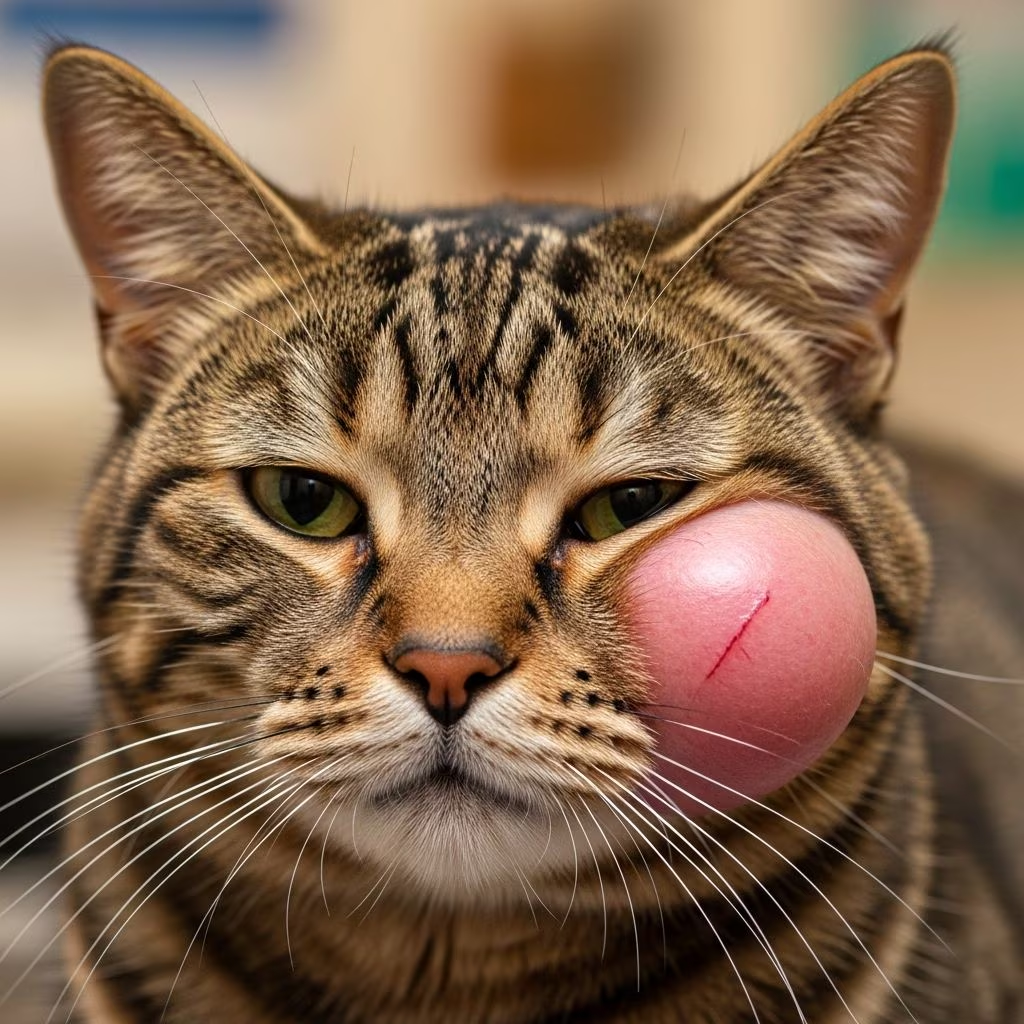
Facial swelling in cats often appears suddenly and is typically the first visible sign of inflammation beneath or within the skin, commonly around the eyes, nose, or muzzle. This condition can range from mild allergic reactions to life-threatening issues like anaphylaxis or abscesses, requiring prompt veterinary attention to prevent complications.
What Causes Sudden Swelling in a Cat’s Face?
Sudden facial swelling in cats arises from various underlying issues, including infections, allergies, trauma, dental problems, and neoplasms. Identifying the cause through veterinary examination is crucial, as treatments differ significantly.
1. Tumors
Oral or facial tumors frequently cause localized swelling in a cat’s face or mouth. Common types include fibrosarcomas, which are aggressive malignant tumors from connective tissue, and squamous cell carcinomas. These can grow slowly or rapidly, often causing pain, difficulty eating, and visible asymmetry. Lymph node enlargement under the jaw may mimic facial swelling. Diagnosis involves imaging like CT scans, fine-needle aspiration (FNA), or biopsy, with treatments ranging from surgical removal (debulking) to radiation or chemotherapy.
2. Tooth Root Abscess
Dental abscesses are a leading cause of facial swelling, particularly under the eyes or jaw, due to bacterial infections from plaque buildup at tooth roots. Symptoms include firm swelling, pain, drooling, fever, and reluctance to eat. Untreated periodontal disease allows bacteria to form walled-off abscesses. Veterinary diagnosis uses dental radiographs; treatment entails antibiotics, tooth extraction, and pain management. Recent studies indicate dental root abscesses account for over 50% of maxillofacial swellings in cats.
3. Allergic Reactions and Anaphylaxis
Allergies trigger rapid, non-painful swelling across the face, often with hives, itching, watery eyes, and redness. Triggers include insect stings (bees, wasps, spiders), vaccines, medications, foods, pollen, dust, or flea bites. Severe anaphylaxis adds vomiting, diarrhea, lethargy, breathing difficulties, pale gums, and collapse—emergencies needing immediate care. Treatments involve antihistamines (e.g., diphenhydramine/Benadryl), corticosteroids, epinephrine for shock, and IV fluids.
4. Trauma and Abscesses
Cat fight wounds introduce bacteria, leading to abscesses—hot, painful swellings with possible discharge. Initial cellulitis (diffuse swelling) can progress if untreated. Other trauma like hematomas (blood clots from bleeding disorders or injury) causes localized, bruise-like swelling. Cleaning, lancing, antibiotics, and pain relief are standard; early intervention prevents rupture.
5. Salivary Gland Issues
Salivary glands under the jaw or along the face can swell from inflammation (sialadenitis), infection, blockages, tumors, or trauma causing mucoceles (saliva accumulation). Swelling is often unilateral beneath the jaw. Diagnosis via palpation, response to antibiotics/anti-inflammatories, or advanced imaging/biopsy. Surgery drains mucoceles, with antibiotics for infections.
6. Infections and Other Causes
Bacterial infections from wounds or dental issues cause warm, painful swelling with fever. Viral infections rarely cause isolated facial swelling but contribute systemically. Acetaminophen toxicity uniquely swells feline faces with itchy paws and brown gums—treated with acetylcysteine and fluids. Eosinophilic granuloma complex (immune-mediated) presents as plaques or ulcers. Cysts filled with pus/fluid also occur.
Symptoms Accompanying Facial Swelling
Beyond visible puffiness, watch for:
- Pain, warmth, or fever (infections/abscesses)
- Itching, hives, watery eyes (allergies)
- Drooling, bad breath, eating difficulty (dental/salivary)
- Lethargy, vomiting, breathing issues (anaphylaxis/toxicity)
- Asymmetry or wounds (trauma/tumors)
Swelling location aids diagnosis: under eyes (dental), jaw (salivary), diffuse (allergy).
How Is Facial Swelling Diagnosed?
Vets start with history (recent trauma, stings, meds) and physical exam, palpating for abscesses or lymph nodes. Diagnostics include:
- Bloodwork for infection/inflammation markers
- Dental radiographs or oral exam under anesthesia
- FNA/cytology/biopsy for masses
- CT/MRI for salivary glands/tumors
- Allergy testing or elimination diets
Urgent cases prioritize stabilizing anaphylaxis or toxicity.
Treatments for Sudden Facial Swelling
Treatment targets the cause:
| Cause | Treatments |
|---|---|
| Allergies/Anaphylaxis | Antihistamines (diphenhydramine), steroids, epinephrine, IV fluids |
| Abscess/Infection | Lancing, cleaning, antibiotics, pain meds |
| Dental Abscess | Tooth extraction, antibiotics, dental cleaning |
| Salivary Issues | Antibiotics, drainage surgery, biopsy |
| Trauma/Hematoma | Wound care, drainage, rest |
| Toxicity (Acetaminophen) | Acetylcysteine, IV fluids, supportive care |
| Tumors | Surgery, chemo/radiation |
Supportive care like fluids, anti-inflammatories, and monitoring prevents airway obstruction.
When to See a Vet
Any facial swelling warrants immediate vet visit, especially with breathing difficulty, collapse, or rapid progression. Delays risk sepsis, airway compromise, or chronic issues. Emergency for anaphylaxis signs.
Preventing Facial Swelling in Cats
- Regular dental care/vet checkups
- Flea/tick preventives, indoor living
- Avoid toxins like acetaminophen
- Supervise outdoors to prevent fights/stings
- Monitor vaccines/meds for reactions
Early detection via routine exams saves lives.
Frequently Asked Questions (FAQs)
Q: Is sudden cat face swelling an emergency?
A: Yes, especially with breathing issues, lethargy, or vomiting—seek emergency vet care immediately for potential anaphylaxis or infection.
Q: Can allergies cause my cat’s face to swell overnight?
A: Absolutely; insect stings or new exposures trigger rapid swelling with itching and hives. Antihistamines help mildly, but vet confirmation needed.
Q: How do I know if it’s a dental abscess?
A: Look for swelling below eyes/jaw, drooling, bad breath, pain on chewing. Radiographs confirm; extraction often cures.
Q: What if my cat ate Tylenol and face is swollen?
A: Acetaminophen is toxic—rush to vet for acetylcysteine antidote, fluids. Symptoms include facial edema, methemoglobinemia.
Q: Will salivary gland swelling go away alone?
A: Rarely; it often needs drainage or surgery to prevent mucocele recurrence. Antibiotics aid if infected.
Q: Can tumors cause bilateral face swelling?
A: Uncommon; tumors usually cause unilateral swelling. Biopsy differentiates from infections.
References
- What Causes Facial Swelling in Cats? — PetPlace.com. Accessed 2026. https://www.petplace.com/article/cats/pet-health/facial-swelling-in-cats
- Why Is My Cat’s Face Swollen? — PetMD. Accessed 2026. https://www.petmd.com/cat/symptoms/why-my-cats-face-swollen
- Sudden Cat Face Swelling: Causes, Treatments & FAQ (Vet Answer) — Catster. Accessed 2026. https://www.catster.com/ask-the-vet/sudden-swelling-in-cats-face/
- My Cat’s Face Is Swollen: What Should I Do? — Dutch. Accessed 2026. https://www.dutch.com/blogs/cats/cats-face-is-swollen
- Help! My Cat Has A Lump On The Face — Walkerville Vet. Accessed 2026. https://www.walkervillevet.com.au/blog/facial-swelling-in-cats/



