

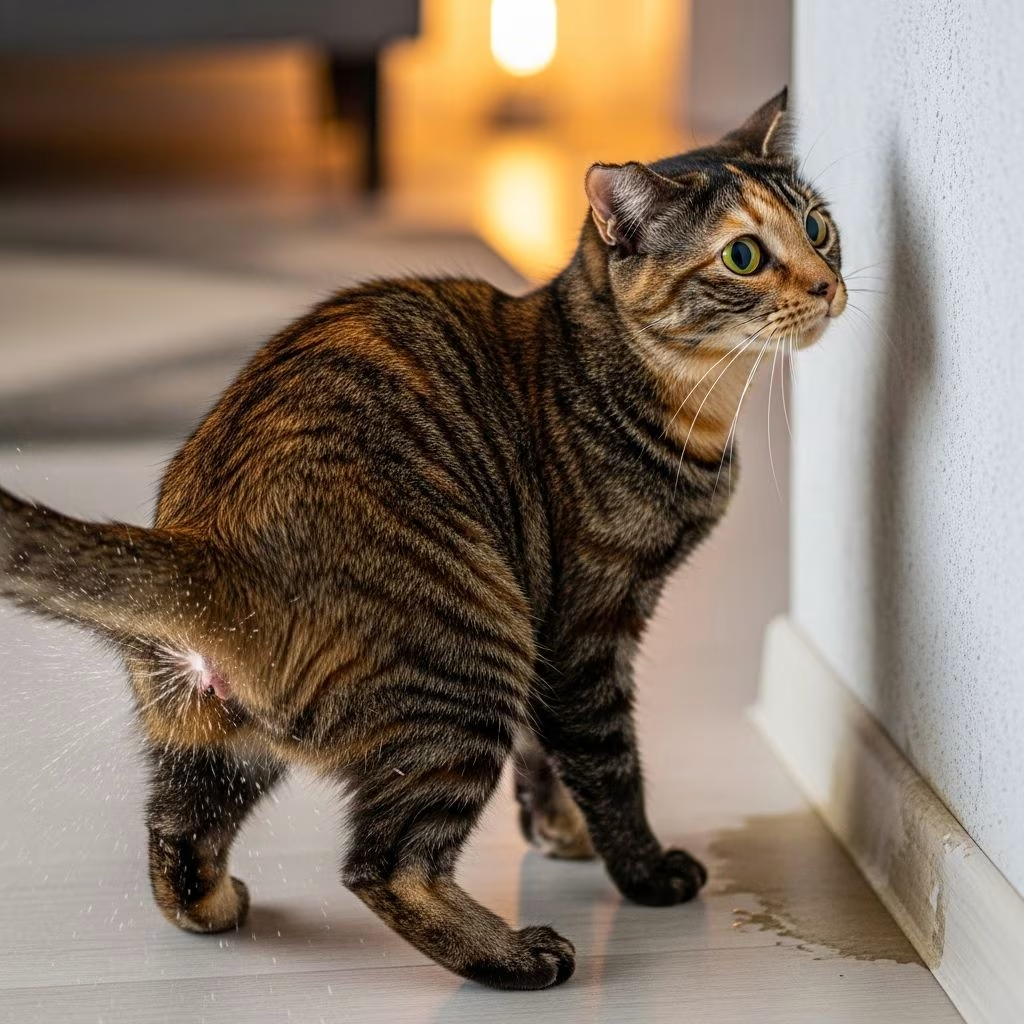
Female cats spraying urine unexpectedly can shock owners who associate this behavior mainly with males. This vertical marking, distinct from regular urination, signals underlying issues like health problems, environmental stress, or instinctual drives. Understanding these triggers allows for targeted interventions to eliminate the problem.
Recognizing Spraying Versus Normal Urination
Spraying involves a cat backing up to a vertical surface, raising its tail, and releasing a small urine stream, often with a quivering motion. Unlike puddle-forming urination, spray leaves pungent streaks on walls, furniture, or curtains. Female cats, though less prone than males, exhibit this 10-20% of the time, per veterinary observations.
Key differences include:
- Posture: Upright tail and hindquarters elevated for spraying; squatting for elimination.
- Volume: Minimal mist versus pooled urine.
- Odor: Stronger, ammonia-like scent from pheromones in spray.
- Location: Vertical objects indoors for spraying; litter box or horizontal spots for urination.
Primary Medical Triggers for Sudden Onset
Health conditions often prompt abrupt spraying as cats associate discomfort with their surroundings. Urinary tract infections (UTIs) cause inflammation, leading to pain during elimination and misplaced marking. Hyperthyroidism accelerates metabolism, heightening anxiety and territorial instincts. Diabetes mellitus results in frequent urination and dilute urine, mimicking spraying while signaling metabolic imbalance.
| Condition | Symptoms | Prevalence in Sprayers |
|---|---|---|
| UTI | Frequent attempts, blood in urine, straining | Common in females |
| Hyperthyroidism | Weight loss, increased appetite, hyperactivity | Frequent in seniors |
| Diabetes | Excessive thirst, dilute urine, lethargy | Rising in obese cats |
| Kidney Disease | Vomiting, poor appetite, dehydration | Leads to stress marking |
Neurological issues or arthritis can also contribute by making litter access painful, prompting alternative marking. A veterinary exam, including urinalysis and bloodwork, rules these out first. Early detection prevents escalation, as untreated UTIs can lead to kidney damage.
Territorial Instincts and External Influences
Cats use spray to advertise presence, especially amid perceived threats. Indoor females may react to outdoor strays visible through windows, prompting defensive marking. New pets, visitors, or rearranged furniture disrupt boundaries, triggering reclamation sprays. Multi-cat homes amplify this if hierarchies shift, with subordinates spraying to assert space.
Seasonal factors like longer days boost neighbor cat activity, heightening alerts. Pheromone detection via scent glands makes invisible rivals feel immediate. Solutions involve blocking sightlines with curtains and using synthetic pheromones like Feliway diffusers to calm territorial urges.
Stress as a Silent Culprit
Cats crave predictability; disruptions provoke anxiety-driven spraying. Routine changes—moves, new schedules, or construction noise—elevate cortisol, manifesting as marking for security. Household conflicts, like bullying among cats, create chronic tension. Even subtle shifts, such as diet alterations or absent family members, register deeply.
- Environmental stressors: Renovations, loud appliances.
- Social stressors: New babies, guests, or pets.
- Routine stressors: Schedule changes, boarding.
Observe for correlated signs like hiding, aggression, or appetite loss. Mitigation starts with stability: multiple litter boxes (one per cat plus one), vertical spaces, and play sessions to burn energy.
Hormonal Drives in Intact Females
Unspayed females spray during estrus (heat), around 6 months maturity, to attract mates. Vocalizing, rolling, and vertical marking intensify. Even indoors, instincts persist, worsened by tomcat scents outdoors. Spaying post-maturity curbs 90% of cases, alongside reducing mammary cancer risk. For spayed cats, residual ovarian tissue (rare) may require ultrasound diagnosis.
Comprehensive Strategies to Halt Spraying
Step 1: Veterinary Evaluation
Schedule a checkup immediately. Diagnostics pinpoint issues; treatments like antibiotics for UTIs resolve symptoms swiftly. Discuss anti-anxiety meds if stress dominates.
Step 2: Surgical Interventions
Spay unsterilized females promptly. For persistent cases, vets assess for intersex conditions or tumors.
Step 3: Home Environment Optimization
Clean spray sites with enzymatic cleaners to erase scents. Provide resources:
- Litter boxes: Uncovered, scooped daily, varied substrates.
- Scratching posts and perches for outlets.
- Pheromone products mimicking facial rubs.
Step 4: Behavioral Modifications
Positive reinforcement: Reward litter use. Deterrents like double-sided tape on targets. Gradual desensitization for stressors, e.g., short vacuum exposures paired with treats.
Long-Term Prevention Tips
Proactive spaying before 6 months avoids hormonal spraying. Maintain health via annual exams, weight control, and dental care to preempt diseases. Enrich environments with toys, windows, and companions if compatible. Track behavior in a journal to spot patterns early.
Frequently Asked Questions
Will my spayed female cat still spray?
Most stop post-spay, but 5-10% continue due to stress or habit. Address triggers.
How do I clean spray effectively?
Use enzymatic cleaners; avoid ammonia-based products that mimic urine.
Can diet influence spraying?
Indirectly—obesity links to diabetes; high-quality food supports urinary health.
Is spraying a sign my cat hates me?
No—it’s communication, not spite. Respond with empathy and fixes.
When to worry about recurrence?
If post-treatment spraying returns, recheck for new stressors or health shifts.
References
- Why Is My Female Cat Spraying All of a Sudden? — My Shichic. 2023. https://www.myshichic.com/blogs/cat-blog/why-is-my-female-cat-spraying-all-of-a-sudden
- Why Is My Female Cat Spraying All of a Sudden? 5 Vet Reviewed Reasons — Catster. 2024. https://www.catster.com/cat-behavior/why-is-female-cat-spraying-all-of-a-sudden/
- Cat Spraying: Why Cats Do It and How to Stop It — PetMD. 2024-01-15. https://www.petmd.com/cat/general-health/cat-spraying-why-cats-do-it-and-how-to-stop-it
- Stop Cat Spraying in House — Best Friends Animal Society. 2023. https://bestfriends.org/pet-care-resources/why-my-cat-spraying-house-and-how-do-i-stop-it
- Stop your Cat Spraying or Soiling in the House — Blue Cross. 2024. https://www.bluecross.org.uk/advice/cat/behaviour-and-training/stop-your-cat-spraying-and-soiling-in-the-house



