

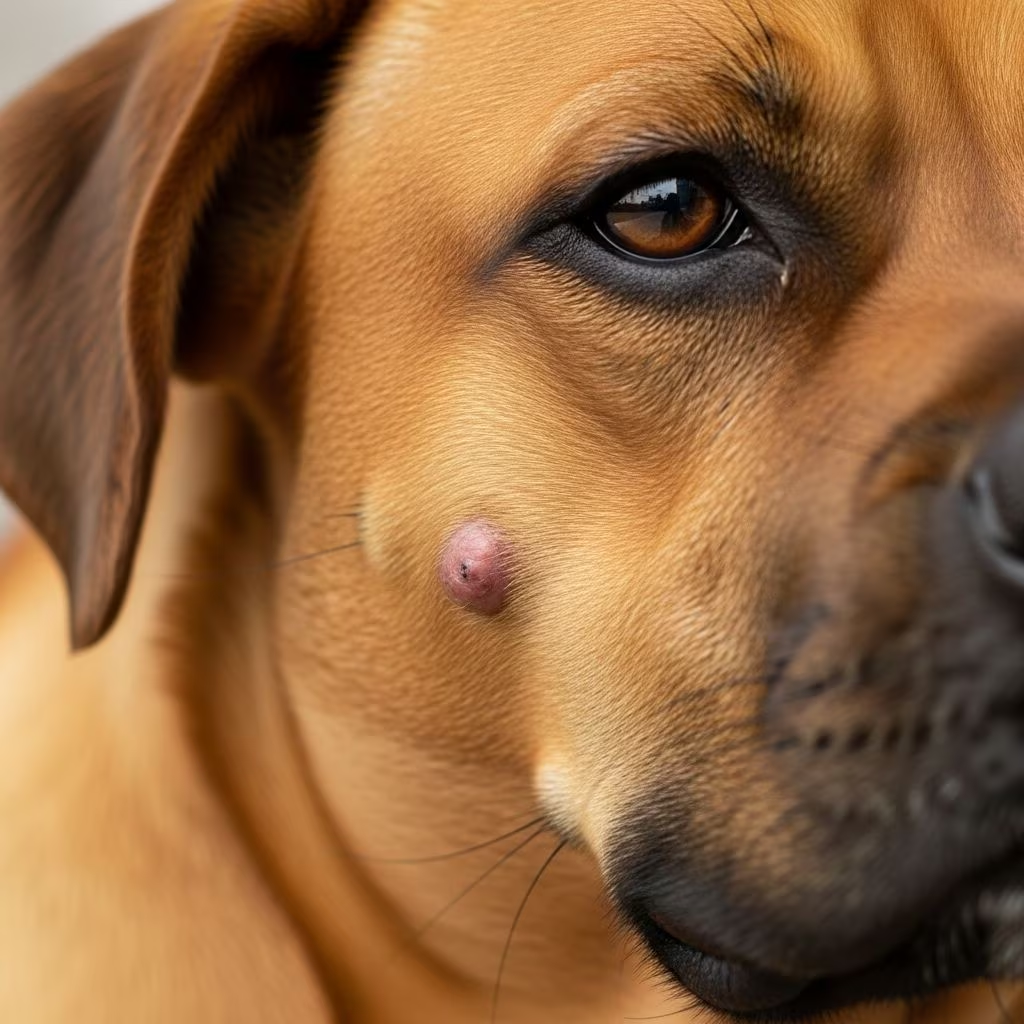
Discovering a new lump on your dog’s skin can spark immediate worry. These growths appear suddenly and vary from harmless fatty deposits to signs of infection or cancer. Understanding their origins helps pet owners respond appropriately, ensuring timely veterinary care when needed.
Why Do Lumps Appear on Dogs’ Skin?
Skin lumps develop due to diverse factors like genetics, infections, trauma, or age-related changes. Older dogs and certain breeds face higher risks for benign tumors, while injuries often trigger inflammatory responses. Environmental factors, such as sun exposure or allergens, contribute as well.
- Genetics: Breeds like Boxers and Golden Retrievers show predispositions to specific tumors.
- Trauma or Injury: Bites, cuts, or abrasions lead to localized swelling.
- Infections: Bacterial or fungal invasions create pus-filled pockets.
- Age: Senior dogs commonly develop fatty lumps.
Benign Causes of Sudden Lumps
Most lumps prove non-cancerous, offering reassurance but still warranting monitoring. These include fatty accumulations, fluid-filled sacs, and viral growths that often resolve independently.
Fatty Tumors (Lipomas)
Lipomas form soft, movable masses under the skin, composed entirely of fat cells. They feel squishy and grow slowly, primarily affecting overweight or older dogs in larger breeds. While benign, surgical removal occurs if they hinder movement.
Cysts and Sebaceous Glands
Cysts are fluid-filled pockets from blocked glands or trauma. True cysts feature linings, often on eyelids, while false cysts arise from injuries. Sebaceous cysts result from overactive oil glands, potentially infecting if red or discharging.
Viral Warts and Skin Tags
Puppies frequently develop cauliflower-like warts from papillomavirus, which fade as immunity strengthens. Skin tags, small flaps, pose no threat unless irritated.
Infectious and Inflammatory Lumps
Infections cause painful, warm swellings that demand prompt attention to prevent rupture or spread. These differ from tumors by their rapid onset and systemic symptoms like fever.
Abscesses from Bites or Wounds
Abscesses trap pus under the skin post-injury, appearing hot and tender. Fight wounds in outdoor dogs accelerate formation, requiring drainage and antibiotics to avert emergencies.
Pyoderma and Pustules
Bacterial skin infections (pyoderma) produce pimples, redness, hair loss, and odor. Allergies, mites, or hormonal issues underlie them, necessitating medicated shampoos or oral treatments.
Parasitic Reactions
Tick bites or hives from allergies manifest as itchy welts. Hives arise suddenly from foods, stings, or environment, resolving with antihistamines but signaling deeper sensitivities.
When Lumps Signal Cancer
Malignant growths grow fast, ulcerate, or fix to tissues, posing metastasis risks. Early detection via biopsy improves outcomes significantly.
| Tumor Type | Appearance | Common in | Treatment |
|---|---|---|---|
| Mast Cell Tumors | Solid, irregular, may swell | Dogs, any age | Surgery, chemo |
| Squamous Cell Carcinoma | Ulcerated, pink sores | Light-skinned dogs | Surgery, radiation |
| Melanoma | Dark, aggressive | Mouth/skin | Wide excision |
| Fibrosarcoma | Firm, invasive | Deep tissues | Surgical removal |
Key Signs to Watch For
Not all lumps require urgency, but certain traits demand immediate vet visits. Track changes over days to inform diagnostics.
- Rapid Growth: Doubling size quickly suggests aggression.
- Pain or Irritation: Limping, licking, or sensitivity indicates issues.
- Discharge/Ulceration: Bleeding or oozing signals breakdown.
- Fixed Position: Non-movable lumps attach to deeper layers.
- Systemic Symptoms: Fever, lethargy, appetite loss accompany infections.
Home Assessment Steps
Before rushing to the vet, gently evaluate the lump. Use clean hands and note details for your veterinarian.
- Feel texture: Soft and movable (likely lipoma) vs. hard/fixed (concerning).
- Check size and growth: Measure daily.
- Observe color changes or sores.
- Monitor behavior: Does your dog react painfully?
- Photograph for records.
Avoid squeezing or puncturing, as this spreads infection.
Veterinary Diagnostics Explained
Vets employ simple tools for accurate identification. Fine needle aspirates collect cells for microscopic review, often same-day results.
- Aspirate/Biopsy: Confirms cell type without full surgery.
- Ultrasound/X-ray: Checks depth and spread.
- Bloodwork: Detects infection or cancer markers.
Treatment Options by Cause
Tailored therapies resolve most lumps effectively. Benign cases may just need observation.
- Benign Tumors: Monitor or excise if problematic.
- Infections: Antibiotics, drainage, cleaning.
- Cancers: Surgery, chemo, radiation per staging.
- Allergies: Identify triggers, use meds.
Preventing Skin Lumps in Dogs
Proactive care minimizes risks. Regular grooming reveals issues early.
- Tick preventives year-round.
- Balanced diet for healthy weight.
- Sun protection for light coats.
- Monthly skin checks.
- Vaccinations against papilloma in pups.
FAQs on Dog Skin Lumps
Is every lump on my dog cancerous?
No, most are benign like lipomas, especially in seniors. Vet evaluation rules out risks.
How quickly should I see a vet for a new lump?
Within 24-48 hours if growing, painful, or ulcerated; otherwise, at next checkup.
Can lipomas turn cancerous?
Rarely; they remain fatty. Infiltrative variants need monitoring.
What if the lump bursts?
Emergency: Clean gently, prevent licking, seek vet for antibiotics.
Are certain breeds more prone?
Yes, Labs for lipomas, Boxers for mast cells.
Long-Term Monitoring Tips
Post-diagnosis, routine exams catch recurrences. Home journals track changes, aiding vets.
Empowering owners with knowledge reduces anxiety. Most lumps pose no threat, but vigilance ensures your dog’s vitality.
References
- Skin lumps, bumps, and masses — Banfield Pet Hospital. 2023. https://www.banfield.com/Wellness-at-banfield/Skin-and-coat-care/Skin-lumps-bumps-and-masses
- Lumps and Bumps on Dog’s Skin: Signs, Symptoms, Causes — American Kennel Club. 2024. https://www.akc.org/expert-advice/health/dog-skin-lumps-bumps/
- Skin Masses: When to Be Concerned About Your Pet’s Lumps and Bumps — Commonwealth Animal Care. 2023. https://commonwealthanimalcare.com/skin-masses-when-to-be-concerned-about-your-pets-lumps-and-bumps/
- Lump on Dog’s Skin: When to Worry — Palmetto Veterinary Specialist. 2024. https://palmettoveterinaryspecialist.com/blog/lump-on-dogs-skin/
- Pet Lumps & Bumps: When to Worry and What to Do — Foothills Veterinary Emergency. 2023. https://fvpetemergency.com/pet-lumps-bumps-when-to-worry-and-what-to-do/



