

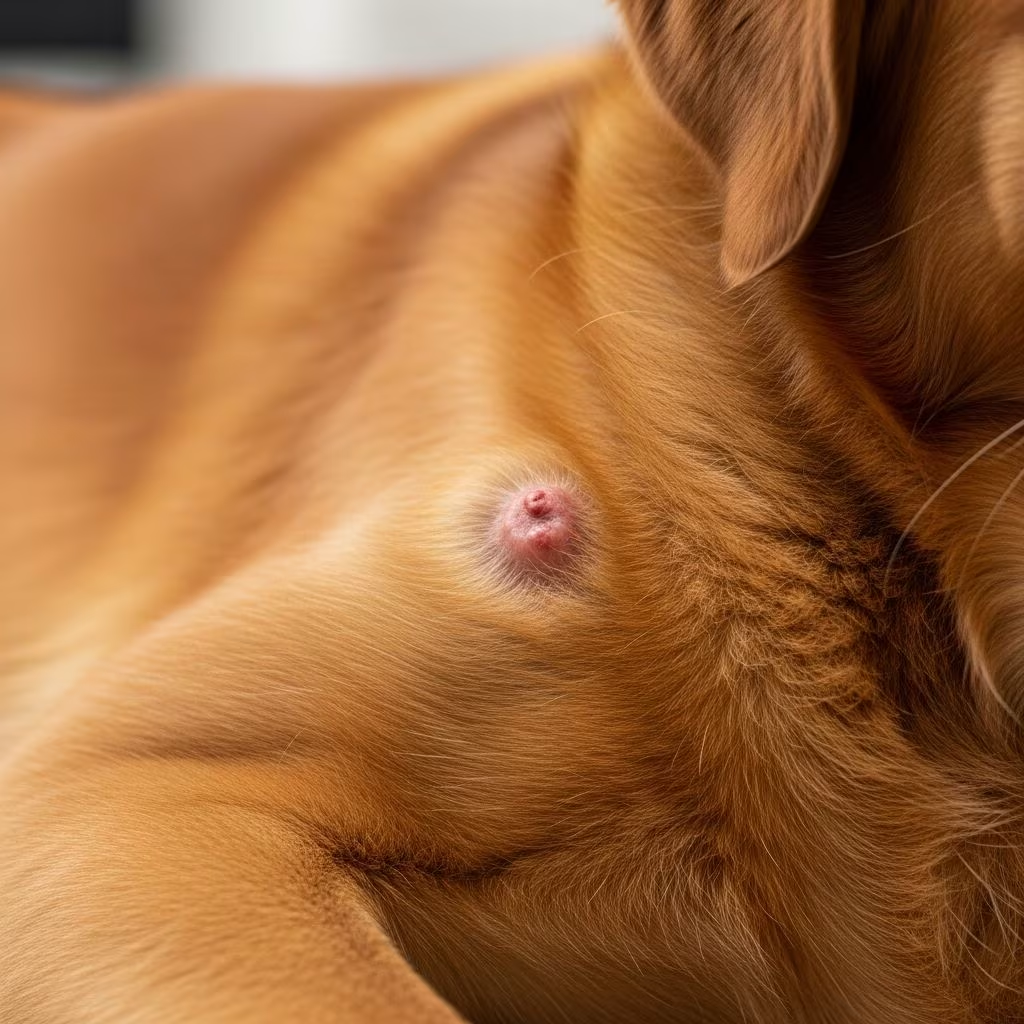
Sudden lumps appearing on a dog’s skin often alarm owners, but many are benign while others require prompt attention. Understanding the variety of causes helps pet parents decide when to monitor at home and when to visit a veterinarian.
Understanding Skin Lumps: What They Feel Like
Dogs can develop lumps anywhere on their body, from the head and neck to legs and belly. These masses vary in texture, size, and mobility. Some feel soft and squishy, others firm or fluid-filled. They might move freely under the skin or adhere tightly to underlying tissues.
- Soft, movable lumps: Often fatty deposits like lipomas, common in older or overweight dogs.
- Firm, fixed lumps: Could indicate more serious issues such as tumors or infections.
- Fluctuant (fluid-filled): Suggest abscesses or cysts filled with pus or sebum.
- Painful, warm lumps: Typically signal inflammation from bites, trauma, or infection.
Characteristics like rapid growth, redness, ulceration, or discharge elevate concern levels. Environmental factors, breed predispositions, and age influence lump development.
Benign Causes of Sudden Lumps
Most skin lumps in dogs prove harmless, resolving without intervention or requiring simple management. Recognizing these reduces unnecessary worry.
Fatty Tumors (Lipomas)
Lipomas are soft, round masses composed of fat cells, prevalent in middle-aged to senior dogs, especially larger breeds and those carrying extra weight. They grow slowly under the skin, feeling doughy to the touch, and rarely cause issues unless they impede movement.
Veterinarians confirm lipomas via fine-needle aspiration, extracting cells for microscopic review. Surgical removal occurs only if the lump interferes with daily activities.
Cysts: Sebaceous and Follicular Types
Cysts form when glands or follicles block, trapping fluid or oil. Sebaceous cysts arise from overproductive oil glands, creating firm lumps under the skin. Follicular cysts stem from hair follicle issues, often on the trunk or head.
These are usually painless and benign but can rupture, leading to infection. Monitoring for growth, heat, or drainage is key; vets may lance and drain persistent ones.
| Cyst Type | Common Location | Characteristics | Treatment |
|---|---|---|---|
| Sebaceous | Trunk, neck | Firm, oily content | Drainage if infected |
| Follicular | Head, back | Small, hair-filled | Observation or excision |
| True (eyelid) | Eyelids | Fluid-filled sac | Surgical removal |
Reactions to Bites and Trauma
Insect stings, spider bites, or animal fights trigger inflammatory responses, causing swollen, tender lumps. The dog’s body floods the area with fluid and immune cells, resulting in heat, redness, and possible bruising.
These often subside in days with rest and cold compresses, but watch for worsening signs like fever or spreading redness, indicating infection.
Infectious and Inflammatory Lumps
Infections create pus-filled pockets or inflamed tissues mimicking tumors. Quick treatment prevents systemic spread.
Abscesses from Wounds or Bites
Abscesses develop when bacteria enter through punctures, common after fights or foxtail embeds. The lump feels warm, painful, and squishy, potentially bursting to release foul pus.
Vets drain abscesses, prescribe antibiotics, and clean wounds. Untreated cases lead to fever and deeper infections.
Pyoderma and Folliculitis
Bacterial skin infections (pyoderma) produce pustules or pimples, often from allergies, hormonal issues, or mites. Affected areas show hair loss, crusting, and odor.
Topical or oral antibiotics resolve most cases, alongside addressing underlying triggers like fleas or food sensitivities.
When Lumps Signal Cancer
While less common, malignant growths demand urgency. Early detection improves outcomes.
Mast Cell Tumors: The Great Mimickers
These immune system cancers appear as raised, red lumps anywhere on the body, varying from small nubs to large masses. They release histamine, causing itching, swelling, or stomach ulcers.
Common in breeds like Boxers and Retrievers, diagnosis involves biopsy. Treatment ranges from surgery to chemotherapy based on grade and spread.
Other Malignant Types
- Squamous Cell Carcinoma: Ulcerated, scaly sores from sun exposure, aggressive in light-skinned dogs.
- Melanoma: Dark, rapidly growing pigmented lumps, prone to metastasis.
- Fibrosarcoma: Deep, invasive masses requiring wide excision.
Rapid changes, irregular borders, or bleeding warrant immediate vet evaluation.
Assessing Lumps at Home: Red Flags
Perform weekly skin checks during grooming. Note these warning signs:
- Growth doubling in under two weeks.
- Fixed to underlying muscle or bone.
- Oozing, bleeding, or non-healing ulcers.
- Pain on touch, limping, or behavioral changes.
- Lymph node swelling nearby.
Even “wait-and-see” lumps deserve professional review for peace of mind.
Veterinary Diagnosis: Tests and Procedures
Vets start with history and physical exam, then:
- Fine-Needle Aspirate (FNA): Quick cell sampling for cytology.
- Biopsy: Tissue removal for histopathology.
- Ultrasound or X-rays: To check depth and spread.
- Bloodwork: For systemic clues.
Accurate diagnosis guides tailored treatment.
Treatment Options by Lump Type
| Lump Type | Primary Treatment | Prognosis |
|---|---|---|
| Lipoma | Monitor or excise | Excellent |
| Abscess | Drainage + antibiotics | Good with prompt care |
| Mast Cell Tumor | Surgery, chemo | Variable by grade |
| Cyst | Drain or remove | Excellent |
Prevention Strategies for Healthy Skin
Minimize risks through:
- Regular flea/tick preventives.
- Balanced diet for optimal skin health.
- Supervise outdoor play to avoid fights/foxtails.
- UV protection for light-coated breeds.
- Monthly vet checkups for seniors.
FAQs on Dog Skin Lumps
Should I squeeze a lump on my dog?
No—squeezing risks rupture and infection spread. Let vets handle it.
Do all lumps need removal?
No, many benign ones stay if asymptomatic.
How fast do cancerous lumps grow?
Variable; mast cells can enlarge overnight due to inflammation.
Are lumps genetic?
Some tumors have breed predispositions, but environment plays a role.
What if my puppy has a lump?
Puppies often get histiocytomas, which self-resolve; still, get checked.
This comprehensive guide empowers dog owners to respond wisely to skin lumps. Always prioritize veterinary advice for your pet’s well-being. (Word count: 1678)
References
- Lump Under a Dog’s Skin: 17 Causes (From a Vet) — ToeGrips. 2023. https://toegrips.com/lump-under-dogs-skin/
- Skin lumps, bumps, and masses — Banfield Pet Hospital. 2024. https://www.banfield.com/Wellness-at-banfield/Skin-and-coat-care/Skin-lumps-bumps-and-masses
- Skin Masses: When to Be Concerned About Your Pet’s Lumps and Bumps — Commonwealth Animal Care. 2023. https://commonwealthanimalcare.com/skin-masses-when-to-be-concerned-about-your-pets-lumps-and-bumps/
- Lump on Dog’s Skin: When to Worry — Palmetto Veterinary Specialist. 2024. https://palmettoveterinaryspecialist.com/blog/lump-on-dogs-skin/
- Lumps and Bumps on Dog’s Skin: Signs, Symptoms, Causes — American Kennel Club (AKC). 2023. https://www.akc.org/expert-advice/health/dog-skin-lumps-bumps/



