

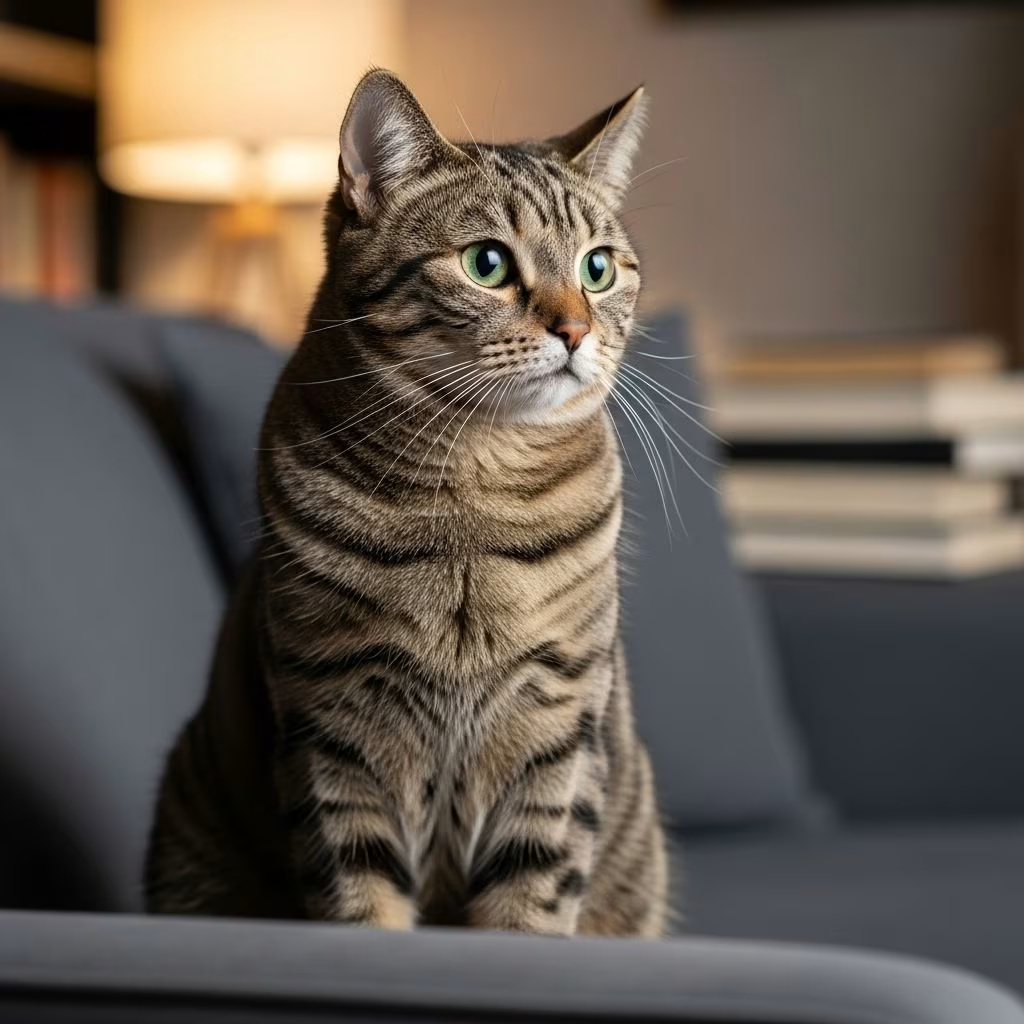
Cats communicate through a variety of sounds, from enthusiastic meows to soft purrs, making any abrupt drop in vocalization a potential red flag for owners. When a typically talkative cat falls silent, it often signals underlying issues ranging from temporary discomfort to serious health concerns that demand prompt attention.
Understanding Feline Vocalization Patterns
Felines use vocalizations primarily to interact with humans rather than other cats, with meowing serving as a key tool for expressing needs like hunger or affection. A sudden halt in these sounds can disrupt the bond between pet and owner, prompting worry about welfare. Observing baseline behaviors helps distinguish normal quiet phases from worrisome shifts; for instance, some cats naturally vocalize less as they age or adapt to routines.
Breeds vary in expressiveness—Siamese cats often chatter incessantly, while Persians tend toward reticence—but any deviation from an individual’s norm warrants scrutiny. Tracking daily patterns, such as morning greetings or evening demands, provides context for changes.
Environmental Triggers for Reduced Meowing
Major disruptions in a cat’s surroundings frequently lead to withdrawal and silence as they process unfamiliar stimuli. New households overwhelm adopted cats with novel odors, sounds, and layouts, causing them to retreat and minimize noise to avoid detection in perceived unsafe spaces.
- Household Moves: Relocation stresses even resilient felines, leading to days or weeks of hushed behavior until territories feel secure.
- New Family Members: Babies, partners, or additional pets introduce competition and chaos, prompting quiet hiding.
- Loss of Companions: Grief over deceased pets or absent owners manifests as subdued demeanor and reduced calls for interaction.
Gradual introductions and consistent routines accelerate recovery, with most cats resuming normal chatter within two to four weeks as confidence rebuilds.
The Role of Stress in Feline Quietness
Stress profoundly alters cat behavior, often resulting in self-imposed silence to evade perceived threats. Sensitive to subtle shifts, cats react to rearranged furniture, construction noise, or stray intruders by seeking solitude over sociability.
Chronic stressors amplify this response; neighborhood cats peering through windows trigger territorial anxiety, while owner travel leaves felines disoriented and mute. Unlike overt aggression, quiet stress appears as prolonged sleep, appetite dips, or litter box avoidance—subtle cues requiring vigilant monitoring.
| Stress Trigger | Behavioral Signs | Duration |
|---|---|---|
| Furniture Changes | Hiding, minimal vocalization | 1-3 days |
| New Pets | Withdrawal, reduced eating | 1-4 weeks |
| Loud Noises | Trembling, silence | Hours to days |
Mitigation involves pheromone diffusers, elevated perches for security, and play sessions to rebuild assurance.
Health Conditions Masked by Silence
Cats evolved to conceal illness, a survival tactic against predators that makes early detection challenging. Initial symptoms often include lethargy and vocal suppression, as sick felines conserve energy and avoid spotlighting vulnerability.
Common culprits encompass:
- Respiratory Infections: Upper airway inflammation hampers meowing, paired with sneezing and nasal discharge.
- Thyroid Imbalances: Hyperthyroidism paradoxically quiets some cats amid weight loss and restlessness.
- Kidney Disease: Toxin buildup induces fatigue, curtailing calls for attention.
- Diabetes: Fluctuating blood sugar levels cause weakness and hush.
Fever elevates body temperature, sapping vitality and prompting isolation. Owners might note warm ears or rapid breathing alongside the quietude.
Pain and Injury as Silent Culprits
Injuries compel muteness, especially throat traumas like laryngitis from fights or swallowed objects. Dental abscesses or arthritis provoke guarded stillness to mask agony, with subtle indicators like pawing at mouths or limping.
Abdominal blockages, a dire emergency in males, present as profound lethargy and silence amid straining. Heart conditions stealthily progress, manifesting first as subdued activity before overt collapse.
Regular exams uncover these stealthy afflictions; imaging and bloodwork pinpoint sources when surface clues evade notice.
Age-Related and Developmental Shifts
Kittens and adolescents fluctuate in noisiness during growth spurts, hormonal surges quieting some amid energy redirection. Seniors, conversely, mellow with cognitive decline or sensory loss, interpreting silence as contentment unless paired with disorientation.
Neutering influences patterns; altered hormones sometimes dampen urgency in vocal demands.
When to Consult a Veterinarian
Immediate vet visits suit persistent silence exceeding 48 hours, especially with ancillary signs like vomiting, diarrhea, or breathing irregularities. Baseline wellness checks every six months aid early intervention, particularly for elders or multis.
Exams entail history reviews, physical assessments, and targeted tests—urinalysis for kidneys, radiographs for obstructions. Rule out medical roots before attributing to behavior, as delays exacerbate outcomes.
Practical Steps for Supportive Care
Enhance environments with vertical spaces, hiding nooks, and consistent feeding to buffer stress. Hydration stations and puzzle feeders stimulate engagement, coaxing vocal returns.
- Monitor intake/output daily via apps or journals.
- Introduce changes incrementally over days.
- Employ calming aids like Feliway plugins.
FAQs
Is it normal for a cat to stop meowing suddenly?
No, abrupt changes signal potential stress or health issues; observe for 24 hours max before vet contact.
Can stress alone cause long-term silence?
Temporary yes, but prolonged requires ruling out illness via professional evaluation.
What home remedies help a quiet cat?
Quiet retreats, pheromone therapy, and gentle play; avoid forcing interaction.
Do older cats naturally get quieter?
Often, but pair with mobility checks to exclude pain or disease.
How quickly should I act on silence plus lethargy?
Immediately—could indicate emergencies like blockages or cardiac strain.
Preventive Strategies for Vocal Health
Annual blood panels detect brewing endocrinopathies, while dental cleanings avert painful mouths. Enriched homes with scratching posts and toys sustain mental acuity, minimizing stress-induced hush.
Owner education via apps tracking vitals empowers proactive care, transforming subtle silences into timely triumphs over trouble.
References
- Why Is My Cat Quiet Suddenly? 5 Vet-Reviewed Reasons — Catster. 2023. https://www.catster.com/cat-behavior/why-is-cat-quiet-suddenly/
- Why Doesn’t My Cat Meow: Is Something Wrong? — Cats.com. 2023. https://cats.com/why-doesnt-my-cat-meow
- Why is my cat quieter than usual? — Vet Help Direct. 2023-05-16. https://vethelpdirect.com/vetblog/2023/05/16/why-is-my-cat-quieter-than-usual/
- Recognizing Signs of Illness in Cats — VCA Animal Hospitals. 2023. https://vcahospitals.com/know-your-pet/recognizing-signs-of-illness-in-cats



