

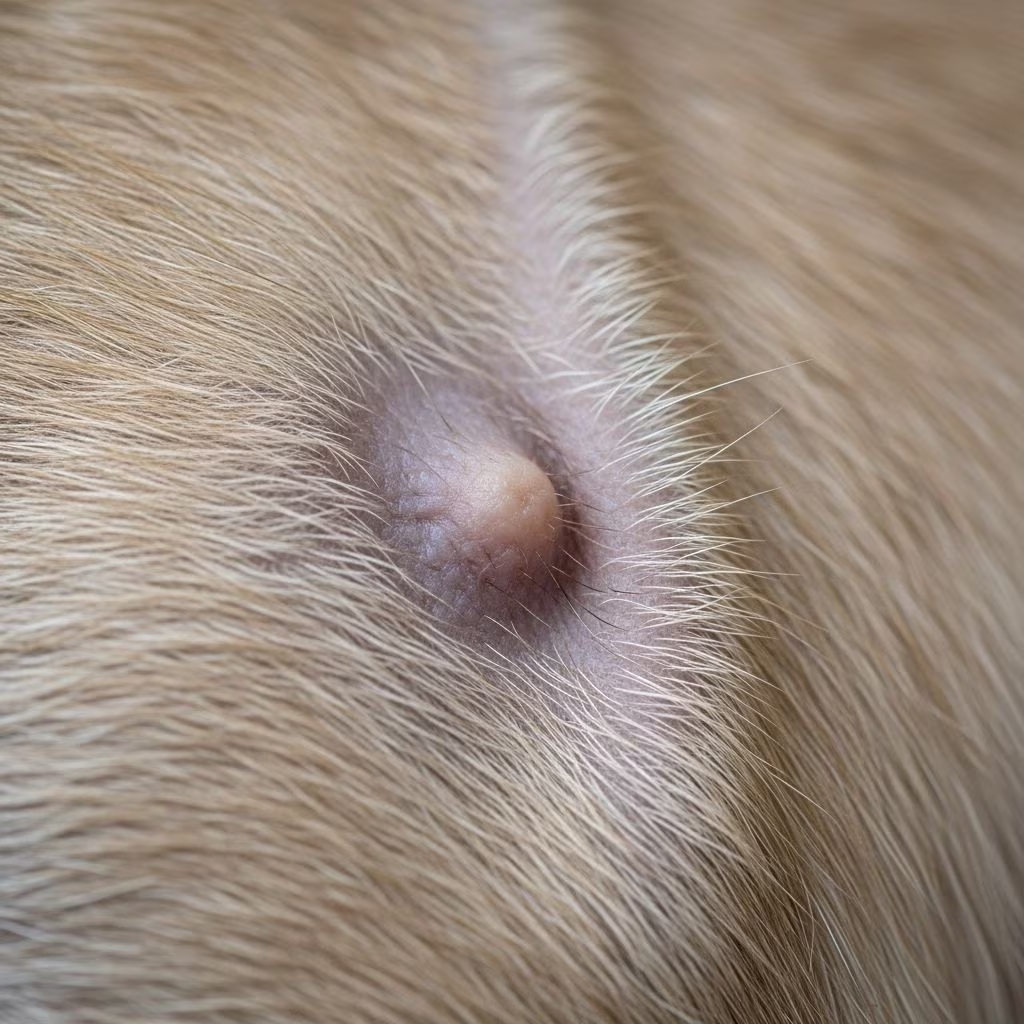
Discovering a sudden lump under your dog’s skin can be alarming for any pet owner. These growths can appear overnight and range from harmless fatty deposits to serious infections or cancers. Understanding the potential causes, recognizing warning signs, and knowing when to seek veterinary care is crucial for your dog’s health. This comprehensive guide draws from veterinary expertise to help you navigate this common yet concerning issue.
What Causes Sudden Lumps Under a Dog’s Skin?
Sudden lumps under a dog’s skin develop when something accumulates in the subcutaneous space, such as cells, fluid, pus, or foreign objects. These can form rapidly due to infections, inflammation, trauma, or abnormal growths. Lumps vary in size, texture (hard, soft, fluid-filled), shape, mobility, and pain level, and can appear anywhere on the body including the neck, shoulders, back, belly, or legs.
Common non-tumor causes include insect bites causing localized swelling from inflammatory responses, bacterial abscesses forming painful pus pockets, and allergic reactions leading to hives. Trauma from bites or injuries can result in hematomas (blood collections) or seromas (serum fluid pockets). Foreign objects like foxtails may create draining tracts with swelling.
Benign Causes of Lumps Under Dog Skin
Many sudden lumps are benign and non-cancerous. These often resolve on their own or require minimal intervention but should still be monitored.
- Follicular and Sebaceous Cysts: These form when hair follicles or oil glands clog with debris or sebum, creating firm, round lumps filled with thick material. They may inflame or rupture but are typically harmless.
- Lipomas: The most common benign tumor, these soft, movable fatty lumps often appear in older or overweight dogs. They grow slowly and rarely cause issues unless they interfere with movement.
- Fibromas: Firm lumps from fibrous tissue due to chronic inflammation or trauma.
- Hair Follicle Tumors (Trichoepitheliomas and Pilomatricomas): Benign growths from hair follicles, often on the face or chest, containing gritty material.
- Hamartomas: Dome-shaped firm swellings on legs or pressure points.
In mild cases, these lumps are small, painless, movable, and don’t change size rapidly. Your dog remains active, eats normally, and shows no discomfort when touched.
Serious Causes: When Lumps Indicate Infection or Cancer
Not all lumps are benign. Serious conditions demand immediate attention, especially if they grow quickly, cause pain, or accompany systemic symptoms like lethargy, fever, or appetite loss.
Infections and Abscesses
Bacterial infections, often from bites, tooth root issues, or foreign bodies, create hot, painful, pus-filled abscesses that may rupture and ooze. These require antibiotics or drainage.
Malignant Tumors
Cancerous lumps can appear suddenly and mimic benign ones, earning mast cell tumors the nickname ‘great pretenders.’ These common skin cancers vary in appearance, grow rapidly, ulcerate, or cause irritation. Fibrosarcomas, from connective tissue, feel hard and form on the trunk or nose.
Serious lumps are often fixed (not movable), red, inflamed, bleeding, or ulcerated. Dogs may lick excessively, guard the area, or show breathing difficulties.
How to Check a Lump on Your Dog
Perform regular gentle body checks during petting sessions to detect lumps early. For any new lump:
- Size and Growth: Measure it; rapid changes over days signal concern.
- Texture: Soft/movable (likely benign) vs. firm/fixed (potentially serious).
- Pain: Does your dog flinch or cry when touched?
- Skin Changes: Redness, heat, oozing, or ulcers?
- Location: Common spots include trunk, legs, head.
- Behavior: Lethargy, appetite loss, or swelling elsewhere?
| Characteristic | Benign (Monitor) | Serious (Vet Now) |
|---|---|---|
| Size Change | Slow or stable | Rapid growth |
| Mobility | Movable | Fixed to tissue |
| Pain | None | Painful, hot |
| Appearance | Smooth skin | Red, ulcerated, bleeding |
| Dog’s Behavior | Normal | Lethargic, not eating |
Use this table to assess urgency. Genetics play a role; breeds like Boxers and Golden Retrievers are prone to tumors.
When to See a Vet for Dog Lumps
Never ignore a sudden lump. Schedule a vet visit for all new growths, but go to emergency if:
- It grows rapidly or changes shape/color.
- Painful, bleeding, oozing, or ulcerated.
- Accompanied by fever, swelling, or illness.
- Appeared overnight and persists.
At the vet, expect physical exam, fine-needle aspirate (FNA) for cells, biopsy, or imaging. Early detection improves outcomes for serious cases like mast cell tumors.
Treatment Options for Lumps Under Dog Skin
Treatment depends on diagnosis:
- Benign (Lipomas/Cysts): Monitor or surgical removal if bothersome.
- Abscesses: Drainage, antibiotics.
- Insect Bites/Allergies: Antihistamines, steroids.
- Tumors: Surgery, chemo, radiation for malignancies.
Post-treatment, watch for recurrence and maintain regular check-ups.
Preventing Lumps on Your Dog
While not all lumps are preventable, reduce risks by:
- Using flea/tick preventives to avoid bites.
- Supervising play to prevent trauma/fights.
- Maintaining healthy weight to minimize lipomas.
- Regular vet wellness exams for early detection.
- Protecting from sun exposure in light-skinned breeds.
Frequently Asked Questions (FAQs)
Is a lump that appeared overnight on my dog an emergency?
Yes, if it grows quickly, is painful, bleeds, or your dog shows discomfort, lethargy, or appetite loss. Seek urgent care.
Are all lumps under a dog’s skin cancerous?
No, most are benign like lipomas or cysts, but only a vet can confirm via tests.
What does a cancerous lump feel like on a dog?
Often firm, fixed, rapidly growing, ulcerated; mast cell tumors vary widely.
Can I pop or drain a lump on my dog at home?
No, this risks infection spread. Always consult a vet.
How much does it cost to diagnose a lump on a dog?
FNA: $100-300; biopsy/surgery higher. Costs vary by location and complexity.
This guide provides general information; always consult your veterinarian for personalized advice. Early action can save lives.
References
- Sudden Lumps Under Your Dog’s Skin: Does It Require Urgent Care? — GSVS. 2023. https://gsvs.org/blog/sudden-lumps-dog-emergency/
- Lump Under a Dog’s Skin: 17 Causes (From a Vet) — ToeGrips. 2023. https://toegrips.com/lump-under-dogs-skin/
- Skin Masses: When to Be Concerned About Your Pet’s Lumps and Bumps — Commonwealth Animal Care. 2024. https://commonwealthanimalcare.com/skin-masses-when-to-be-concerned-about-your-pets-lumps-and-bumps/
- What to Do if You Find Sudden Lumps on Dogs Under Their Skin — Park Vet. 2023. https://parkvet.net/blog/what-to-do-if-you-find-sudden-lumps-on-dogs-under-their-skin/
- Lump on Dog’s Skin: When to Worry — Palmetto Veterinary Specialist. 2024. https://palmettoveterinaryspecialist.com/blog/lump-on-dogs-skin/



