

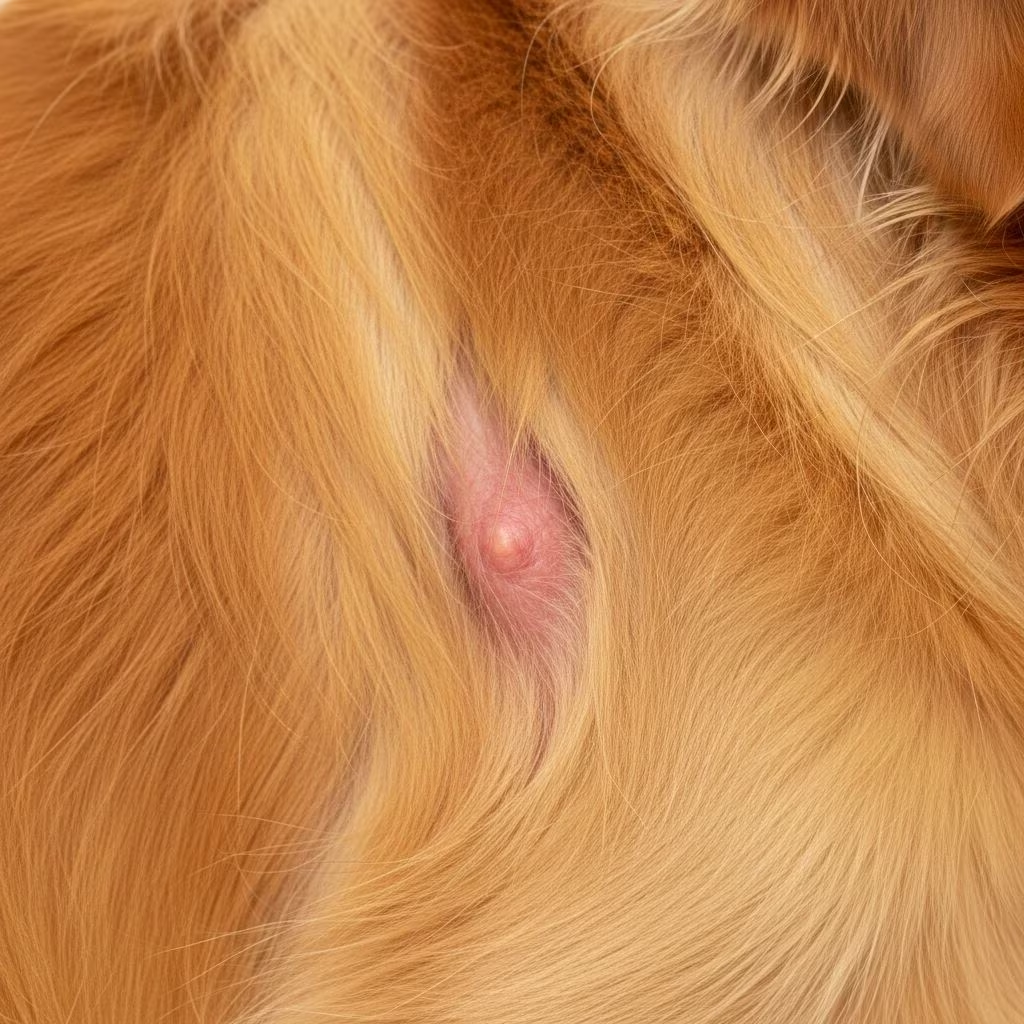
Discovering a sudden lump under your dog’s skin can be alarming for any pet owner. These bumps may appear overnight or grow quickly, ranging from harmless fatty deposits to serious infections or cancers. While many are benign, prompt veterinary evaluation is crucial to rule out malignancy and ensure your dog’s health. This comprehensive guide explores the common causes, characteristics, diagnostic processes, and next steps, drawing from veterinary expertise to help you navigate this concerning discovery.
What Causes Sudden Lumps Under a Dog’s Skin?
Lumps under a dog’s skin form when cells, fluid, pus, or foreign materials accumulate in the subcutaneous layer. They can vary in size, texture (soft, firm, fluctuant), shape, mobility, pain level, and location across the body, including the neck, shoulders, back, belly, or legs. Broadly categorized into non-tumors, benign tumors, and malignant tumors, sudden onset often points to infections, inflammation, trauma, or fluid buildup rather than slow-growing cancers.
Sudden lumps differ from gradual ones; they may arise from acute events like bites or allergies, filling rapidly with fluid or pus. Pet owners might overlook slow-growing masses until they enlarge, mistaking them for ‘sudden.’ Always monitor your dog’s skin during grooming or petting sessions.
Non-Tumor Causes of Lumps Under Dog Skin
Many sudden lumps are not tumors but result from infections, trauma, or blockages. These often resolve with treatment but can worsen if ignored.
- Follicular and Sebaceous Cysts: Follicular cysts trap debris or infection in hair follicles, while sebaceous cysts block oil glands, forming pimple-like bumps with thick, white-grey material. Common in breeds like Poodles and Bichon Frises, they may inflame or rupture.
- Abscesses: Bacterial infections from bites, wounds, or foreign objects create pus-filled pockets. Tooth root abscesses appear on the face; others from foxtails or punctures cause painful, hot swellings that may drain.
- Bites, Insect Stings, or Trauma: Inflammatory responses to bug bites, animal attacks, or injuries increase blood flow and fluid leakage, forming red, painful lumps. Hives from allergies cause itchy, small bumps.
- Foreign Objects: Grass awns (foxtails) or thorns lodge under skin, provoking swelling and draining tracts.
- Seromas or Hematomas: Post-trauma or surgery, serum fluid or blood collects under skin, creating soft swellings.
- Hives and Skin Tags: Allergic reactions produce transient itchy bumps; overreactive cells form harmless skin tags.
Benign Tumors and Growths
Benign lumps grow slowly but can feel sudden if newly noticed. They rarely spread but may require removal if problematic.
- Lipomas (Fatty Tumors): Most common in overweight or senior dogs, these soft, movable fat-cell masses are typically harmless but can mimic cancerous liposarcomas.
- Fibromas: Firm growths from chronic inflammation or trauma, composed of fibrous tissue.
- Hair Follicle Tumors (Trichoepitheliomas, Pilomatricomas): Benign lumps from follicles, often on face or chest, containing gritty material.
- Histiocytomas (Button Tumors): Red, bubbly growths in pups under 3 years, usually self-resolve.
- Hamartomas: Dome-shaped, firm swellings on legs or toes.
Malignant Tumors to Watch For
Cancerous lumps demand immediate attention, as they can invade tissues or metastasize. Appearance varies widely.
- Mast Cell Tumors: Most common skin cancer in dogs; ‘great pretenders’ ranging from small nodules to ulcerated masses. Can grow anywhere, aggressive if untreated.
- Fibrosarcomas: Hard connective tissue tumors on trunk, nose, or mouth.
Breeds like Boxers, Golden Retrievers, and others have genetic predispositions.
Characteristics of Concerning Lumps
Not all lumps are equal. Use this table to assess urgency:
| Feature | Benign Indicators | Concerning Indicators |
|---|---|---|
| Texture | Soft, movable (e.g., lipoma) | Firm, fixed, ulcerated |
| Growth Speed | Slow, stable | Rapid, irregular |
| Pain/Symptoms | None | Painful, bleeding, itchy |
| Size/Location | Small, trunk | Legs, mouth, growing >1 inch |
Red flags: rapid growth, color change, discharge, lethargy, or multiple lumps.
What to Do If You Find a Lump
- Examine Thoroughly: Check for more lumps, note size, feel, and changes over days.
- Monitor: Track size/shape weekly; photo for records.
- See a Vet Promptly: Even ‘sudden’ benign lumps need checks; delays risk cancer spread.
Veterinary Diagnosis Process
Vets start with:
- Physical Exam: Palpation, history review.
- Fine Needle Aspiration (FNA): Cells extracted for cytology; quick, minimally invasive.
- Biopsy/Surgery: For inconclusive FNA.
- Imaging/Tests: Ultrasound, X-rays, bloodwork for spread.
Early diagnosis improves outcomes dramatically.
Treatment Options
Depends on cause:
- Non-Tumors: Antibiotics for abscesses, drainage, anti-inflammatories for trauma.
- Benign Tumors: Monitor or surgical removal if interfering.
- Malignant: Surgery, chemo, radiation; prognosis varies by grade/stage.
Prevention and Home Care Tips
- Regular grooming checks.
- Prevent foxtail exposure, tick control.
- Maintain healthy weight to reduce lipomas.
- Spay/neuter may lower some cancer risks.
Frequently Asked Questions (FAQs)
Why does my dog have sudden lumps under the skin?
Sudden lumps often stem from infections (abscesses), allergies (hives), trauma, cysts, or fluid buildup like seromas. Cancer is possible but less common for true sudden onset.
Are all lumps on dogs cancerous?
No, most are benign like lipomas or cysts. However, only a vet can confirm via tests.
When is a lump an emergency?
If painful, rapidly growing, ulcerated, or with systemic signs like appetite loss—seek immediate care.
How much does lump diagnosis cost?
FNA: $50–200; biopsy/surgery higher. Pet insurance helps.
Can lumps disappear on their own?
Yes, histiocytomas or resolving hives may, but never assume—vet check first.
This guide equips you to act swiftly. Prioritize your dog’s health with professional evaluation.
References
- Lump Under a Dog’s Skin: 17 Causes (From a Vet) — ToeGrips. 2023. https://toegrips.com/lump-under-dogs-skin/
- I Found a Sudden Lump Under My Dog’s Skin: What Now? — Pumpkin Pet Insurance. 2023. https://www.pumpkin.care/post/sudden-lumps-under-dog-skin
- Lumps, Bumps, and Cysts on Dogs — PetMD. 2024. https://www.petmd.com/dog/symptoms/lumps-bumps-and-cysts-dogs
- Skin Masses: When to Be Concerned About Your Pet’s Lumps and Bumps — Commonwealth Animal Care. 2023. https://commonwealthanimalcare.com/skin-masses-when-to-be-concerned-about-your-pets-lumps-and-bumps/
- What to Do if You Find Sudden Lumps on Dogs Under Their Skin — Park Vet. 2023. https://parkvet.net/blog/what-to-do-if-you-find-sudden-lumps-on-dogs-under-their-skin/
- Pet Lumps & Bumps: When to Worry and What to Do — Foothills Veterinary. 2023. https://fvpetemergency.com/pet-lumps-bumps-when-to-worry-and-what-to-do/



