

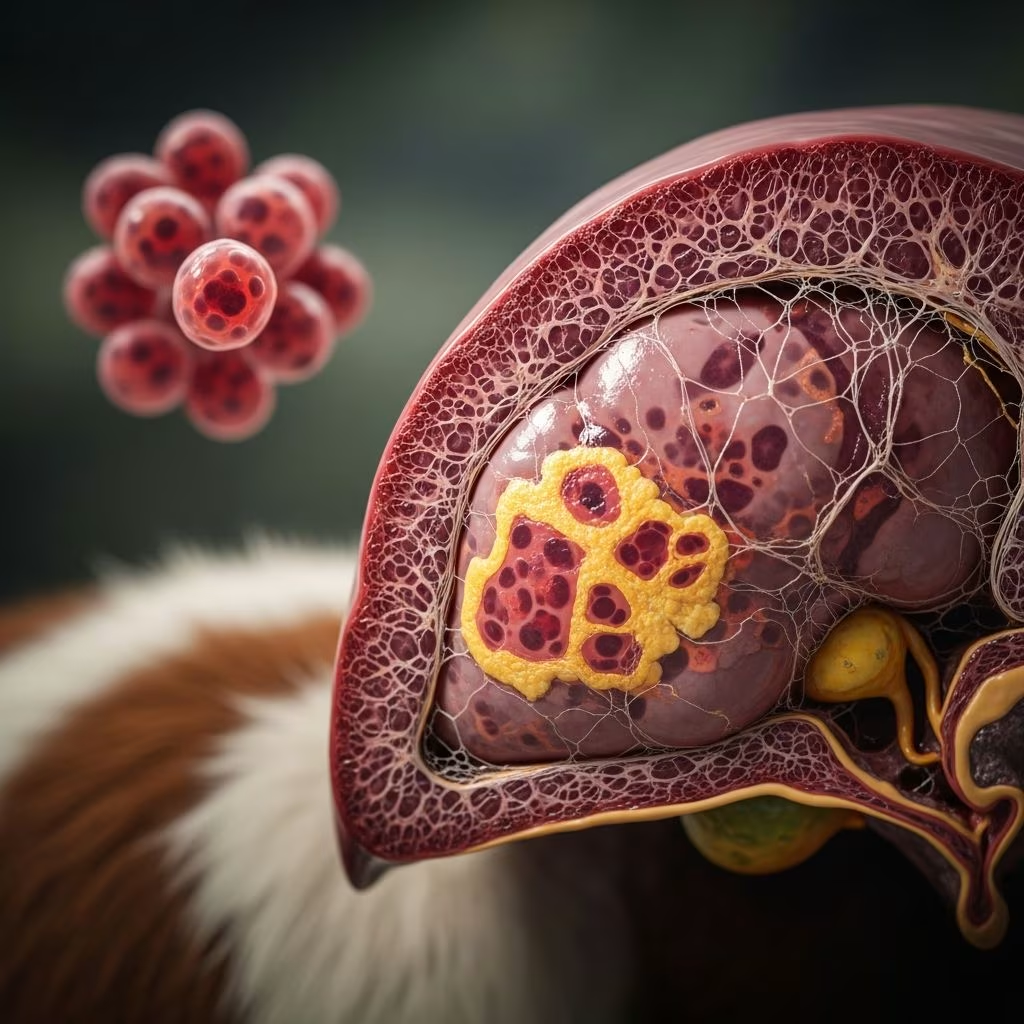
The liver serves as a vital organ in large animals like horses, cattle, sheep, and goats, handling detoxification, nutrient processing, and metabolic functions. When **acute hepatitis** strikes, it triggers rapid inflammation and potential cell death in the liver, often leading to severe health crises if not addressed promptly. This condition manifests abruptly, distinguishing it from slower-progressing chronic forms, and demands immediate veterinary intervention to prevent fatal outcomes.
Triggers Behind Rapid Liver Damage
Severe liver inflammation in large animals arises from diverse sources, primarily categorized into infectious agents, toxic exposures, and less common idiopathic factors. Infectious causes dominate in many cases, with bacterial pathogens like Leptospira species playing a significant role in cattle and horses, leading to widespread hepatic necrosis. Viral agents, such as those implicated in Theiler’s disease in equines, follow biological product administration or natural exposures, resulting in acute hepatic failure.
Toxic insults represent another major pathway, where ingestion of mycotoxins from contaminated feed or exposure to hepatotoxic plants and chemicals provokes sudden damage. In horses, for instance, pyrrolizidine alkaloids from certain weeds cause irreversible lesions, while in ruminants, copper accumulation or aflatoxins from moldy grains can precipitate crises. Parasitic migrations, though rarer, contribute in young animals, as seen in Tyzzer’s disease linked to Clostridium piliforme.
Environmental and management factors exacerbate risks; overcrowding heightens infection spread, and seasonal feed changes increase toxin encounters. Notably, acute cases often cluster post-vaccination or after deworming, highlighting the need for vigilant monitoring during routine procedures.
Observable Indicators in Affected Animals
Animals with sudden liver inflammation display a spectrum of signs, escalating from subtle behavioral shifts to life-threatening emergencies. Initial symptoms include **lethargy**, reduced appetite, and mild fever, progressing to pronounced jaundice—yellowing of mucous membranes due to bilirubin buildup. Abdominal discomfort becomes evident through tense stances or kicking at the belly, accompanied by dehydration from vomiting or diarrhea in severe instances.
- Neurological disturbances: Hepatic encephalopathy emerges as toxins bypass the compromised liver, causing disorientation, head pressing, circling, or aggressive outbursts, posing risks to handlers.
- Bleeding disorders: Impaired clotting factor synthesis leads to petechiae, ecchymoses, or spontaneous hemorrhages.
- Photosensitization: Unconjugated phylloerythrin accumulation results in skin inflammation upon sunlight exposure, particularly in non-pigmented areas.
- Systemic decline: Hypoglycemia, weight loss, and ventral edema signal advancing failure.
In horses, Theiler’s disease classically presents with sudden icterus and neurological signs within weeks of tetanus antitoxin use, while ruminants may show similar patterns after feed changes. Early detection hinges on recognizing these clusters, as progression to fulminant failure can occur within days.
Diagnostic Approaches for Confirmation
Confirming acute hepatitis requires a multi-faceted strategy integrating history, physical exams, lab analyses, and imaging. History review focuses on recent exposures—feed sources, medications, or travel—to pinpoint etiologies. Physical findings like icterus, hepatomegaly, or ascites guide further tests.
Blood biochemistry reveals hallmark elevations: aspartate aminotransferase (AST) and alanine aminotransferase (ALT) surge from hepatocyte leakage, while gamma-glutamyl transferase (GGT) rises persistently in equines, even post-recovery. Bilirubin spikes confirm cholestasis, and bile acids assess function; elevated serum amyloid A indicates inflammation. Coagulation profiles (PT, aPTT) are crucial pre-biopsy, as deficiencies predict bleeding risks.
Ultrasound excels for structural evaluation, detecting hypoechoic parenchyma, biliary dilation, or fluid accumulations; it facilitates fine-needle aspirations or biopsies. Radiography offers limited utility, obscured by ascites, but reveals microhepatica in chronic transitions. Definitive diagnosis demands histopathology from tru-cut biopsies, revealing necrosis patterns, inflammatory infiltrates, or toxin signatures—always post-coagulation checks.
| Test Type | Key Findings | Clinical Value |
|---|---|---|
| Biochemistry | ↑ ALT/AST/GGT, ↑ Bilirubin, ↑ Bile Acids | Detects damage and dysfunction |
| Hematology/Coagulation | Anemia, Thrombocytopenia, ↑ PT/aPTT | Assesses bleeding risk |
| Ultrasound | Heterogeneous liver, Gallbladder changes | Guides sampling, monitors progression |
| Biopsy | Necrosis, Inflammation type | Identifies cause (e.g., infectious, toxic) |
Management and Supportive Interventions
Treatment prioritizes etiology eradication alongside aggressive support to foster regeneration. For infectious cases, targeted antimicrobials like penicillins for leptospirosis or tetracyclines for clostridials are essential. Toxin-specific antidotes, such as chelators for metals, apply where applicable, but most rely on decontamination and prevention of further exposure.
Supportive care forms the cornerstone: intravenous fluids correct dehydration and maintain perfusion, with dextrose boluses combating hypoglycemia. Hepatic encephalopathy demands lactulose for ammonia reduction, alongside neomycin or metronidazole to curb gut flora. Antioxidants like S-adenosylmethionine (SAMe) and vitamin E mitigate oxidative stress, while antiemetics (e.g., maropitant) and analgesics control symptoms.
Nutritional support via enteral feeding promotes hepatocyte proliferation, emphasizing low-protein, high-calorie diets to minimize encephalopathy. Sedation manages behavioral issues, and plasma transfusions address coagulopathies. Prognosis improves with early action; horses with minimal fibrosis recover well, but fulminant cases carry high mortality.
Preventive Measures for Herd Health
Proactive strategies curb outbreaks. Vaccinate against core diseases like tetanus to avert Theiler’s risks, and source quality feed tested for mycotoxins. Pasture management limits toxic plant access, and copper supplementation in sheep requires precise dosing to avoid overloads. Routine monitoring—pre- and post-procedure bloodwork—flags subclinical issues early. Biosecurity, including quarantine for new arrivals, thwarts infectious spread. Owner education on jaundice recognition enhances response times.
Species-Specific Considerations
Horses
Equines face heightened risks from Theiler’s and toxic hepatopathies; monitor post-biologics closely, as GGT lags in normalization.
Cattle and Small Ruminants
Ruminants contend with leptospirosis and aflatoxins; herd testing and silage quality control are pivotal.
Prognostic Factors and Long-Term Outlook
Survival hinges on insult severity, intervention speed, and regeneration capacity. Mild cases resolve with support, but encephalopathy or coagulopathy signals poor odds. Fibrosis extent on biopsy predicts chronicity; survivors need serial monitoring for relapse. Post-recovery, restrict hepatotoxins and maintain nutrition.
Frequently Asked Questions
What causes sudden liver problems in horses?
Common culprits include Theiler’s disease after antitoxin use, plant toxins, and bacterial infections like leptospirosis.
How quickly does acute hepatitis progress?
Signs erupt within days, potentially fatal in 24-48 hours without care.
Can affected animals fully recover?
Yes, with prompt treatment and minimal fibrosis; early intervention boosts survival to over 70% in horses.
Is ultrasound always necessary?
It’s highly valuable for guiding biopsies and assessing extent, though bloodwork suffices initially.
How to prevent outbreaks in herds?
Feed testing, vaccination, and exposure avoidance are key.
References
- Understanding acute and chronic hepatitis in pets — Veterinary Internal Medicine Nursing. 2023. https://www.veterinaryinternalmedicinenursing.com/medical-nursing-podcast/acute-and-chronic-hepatitis-in-pets
- Overview of Hepatic Disease in Large Animals — Merck Veterinary Manual. 2023-10-17. https://www.merckvetmanual.com/digestive-system/hepatic-disease-in-large-animals/overview-of-hepatic-disease-in-large-animals
- ACVIM consensus statement on the diagnosis and treatment of chronic hepatitis in dogs — PubMed Central (PMC). 2019-05-01. https://pmc.ncbi.nlm.nih.gov/articles/PMC6524396/
- Hepatitis in Horses: Causes, Risk Factors & Prognosis — Mad Barn. 2023. https://madbarn.com/hepatitis-in-horses/



