

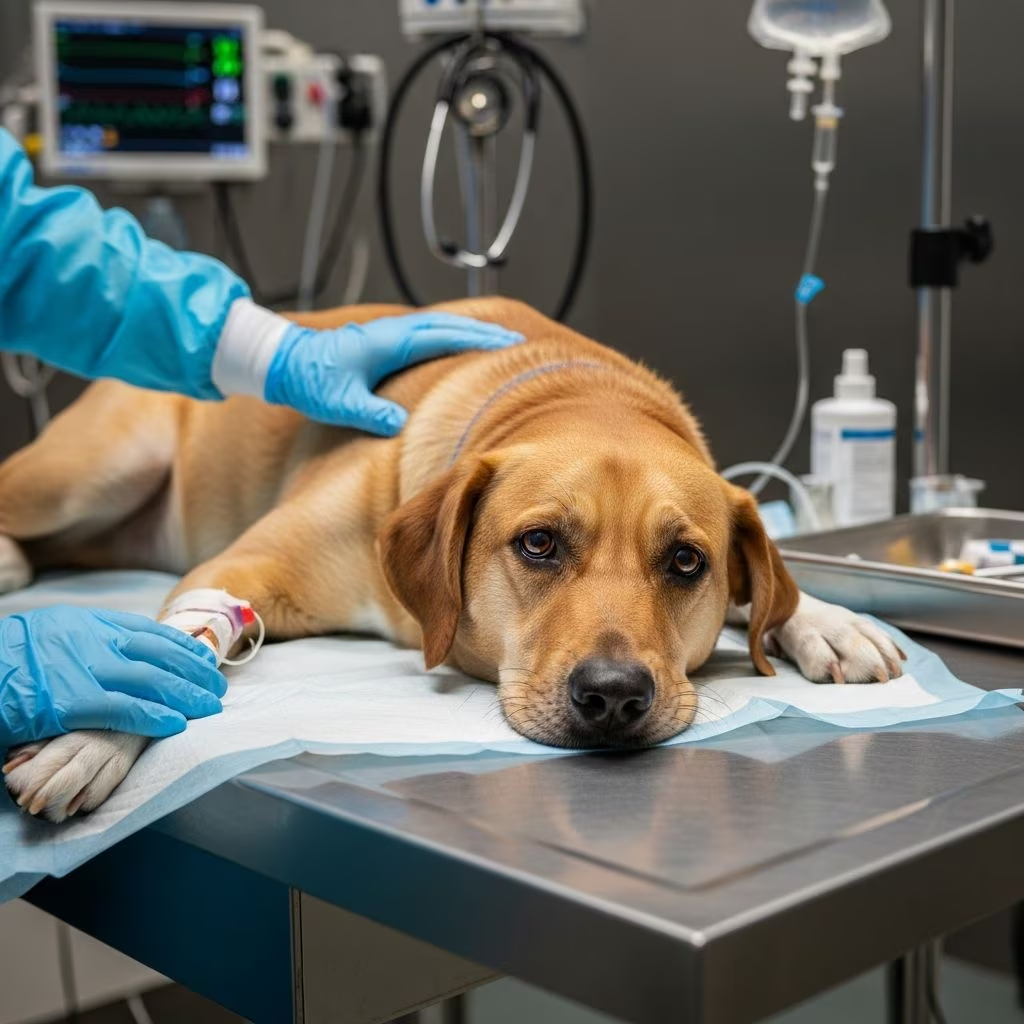
Acute kidney failure, also known as sudden kidney shutdown, strikes dogs rapidly and can be fatal without immediate veterinary care. This condition overwhelms the kidneys’ ability to filter waste, leading to toxin buildup in the body.
Understanding the Kidneys’ Vital Role
The kidneys in dogs function like essential filters, removing waste products, balancing fluids, and regulating electrolytes daily. When they suddenly fail, toxins accumulate, disrupting the entire system and causing widespread organ damage.
Unlike gradual chronic kidney disease, acute cases develop over hours or days, often due to a specific trigger. Breeds like older dogs or those with pre-existing conditions face higher risks, but any dog can be affected.
Common Triggers Behind Rapid Kidney Decline
Several factors can precipitate this crisis. Toxins top the list, with everyday dangers like antifreeze, grapes, raisins, and certain human medications posing severe threats. Even small amounts of ethylene glycol in antifreeze can cause irreversible damage within hours.
- Toxins: Antifreeze (ethylene glycol), raisins, NSAIDs like ibuprofen, and lilies (though more common in cats, still risky).
- Infections: Bacterial invasions, such as leptospirosis, inflame kidney tissues.
- Reduced blood flow: Shock from trauma, dehydration, or heart issues starves kidneys of oxygen.
- Obstructions: Urinary blockages from stones or tumors halt waste removal.
- Medications: Overdoses of aminoglycoside antibiotics or ACE inhibitors.
Prevention starts with securing your home: store chemicals high, avoid toxic foods, and consult vets before giving any human meds.
Spotting the Warning Signals Early
Symptoms emerge swiftly, often within days of exposure. Initial signs mimic milder illnesses, delaying diagnosis, but progression is alarming.
| Early Indicators | Advanced Symptoms |
|---|---|
| Increased thirst or reduced drinking | Vomiting with blood or coffee-ground appearance |
| Changes in urination (more or less) | Black, tarry diarrhea from gut bleeding |
| Mild lethargy and appetite loss | Chemical/ammonia breath odor |
| Stumbling or weakness | Mouth ulcers and pale gums |
| Occasional vomiting | Seizures, collapse, or blindness |
About 80% of affected dogs stop eating, 75% show profound weakness, and over half vomit persistently. If your dog collapses, has seizures, or passes no urine, rush to an emergency vet—these signal crisis.
Immediate Veterinary Response Strategies
Hospitalization is mandatory for survival. Vets stabilize patients through aggressive interventions, monitoring vitals like heart rate, blood pressure, and urine output around the clock.
Core Stabilization Techniques
- IV Fluid Therapy: Primary treatment flushes toxins, corrects dehydration, and restores electrolyte balance. Urine production is tracked closely; improvement signals progress.
- Medications: Antibiotics combat infections, anti-nausea drugs curb vomiting, and GI protectants prevent ulcers. Blood pressure meds and pain relievers address complications.
- Nutritional Support: Feeding tubes deliver calories if appetite vanishes, preventing further weakness.
Advanced Interventions for Severe Cases
When fluids fail, dialysis steps in. Hemodialysis filters blood externally, while peritoneal dialysis uses the abdomen to cleanse. These are available at specialty centers for high-potassium levels, fluid overload, or stalled recovery.
Treating the root cause—decontaminating toxins or relieving blockages—boosts success rates.
Prognosis and Factors Influencing Recovery
Outcomes vary: early intervention yields 50-70% survival, but delays drop it sharply. Full recovery is possible if kidneys weren’t destroyed, unlike chronic cases.
- Positive Predictors: Quick treatment, identified cause, responsive urine output.
- Poor Signs: Anuria (no urine), severe hyperkalemia, multi-organ failure.
Post-crisis, bloodwork guides ongoing care. Some dogs transition to chronic management.
At-Home Recovery and Long-Term Management
Survivors require diligent home care to prevent relapse and support healing.
- Administer meds precisely as prescribed.
- Encourage hydration: add water to meals, use fountains.
- Switch to veterinary kidney diets low in protein/phosphorus.
- Warm food or add low-sodium broth to tempt eating.
- Supplement vitamins as vet-recommended.
- Monitor weight, appetite, and urine daily; report changes.
Regular vet checkups track kidney values. Avoid nephrotoxins lifelong.
Prevention: Shielding Your Dog from Kidney Threats
Proactive steps slash risks:
- Toxin-Proof Your Space: Lock away antifreeze, grapes, chocolate, meds.
- Stay Hydrated: Provide constant fresh water, especially post-exercise.
- Vaccinate: Core shots prevent leptospirosis.
- Annual Exams: Bloodwork catches issues early.
- Med Caution: Never give OTC painkillers without vet OK.
Awareness saves lives—act fast on symptoms.
Frequently Asked Questions
What is the most common cause of sudden kidney failure in dogs?
Toxins like antifreeze are frequent culprits, acting within hours.
How quickly does acute kidney failure progress?
Signs appear in hours to days, escalating to emergencies rapidly.
Can dogs fully recover from this condition?
Yes, with prompt care, many regain normal function.
Is dialysis common for dog kidney failure?
It’s specialized, used in severe non-responsive cases at referral hospitals.
What diet helps dogs post-kidney crisis?
Prescription renal foods control protein and phosphorus.
Key Takeaways for Dog Owners
Swift recognition and action are pivotal. Familiarize yourself with risks, monitor closely, and prioritize prevention for your dog’s health.
References
- Signs of Acute Kidney Failure in Dogs — LakeCross Veterinary Hospital. 2021-06-30. https://www.lakecross.com/site/blog-huntersville-vet/2021/06/30/acute-kidney-failure-in-dogs
- Acute kidney failure in dogs — Joii Pet Care. N/A. https://www.joiipetcare.com/blogs/health-conditions/acute-kidney-failure-in-dogs
- Acute Kidney Failure in Dogs — BluePearl Pet Hospital. N/A. https://bluepearlvet.com/medical-articles-for-pet-owners/acute-kidney-failure-in-dogs/
- Acute Kidney Failure in Dogs — Rivergate Veterinary Clinic. 2022-05-19. https://www.rivergateveterinaryclinic.com/site/blog/2022/05/19/acute-kidney-failure-dogs
- Kidney Failure in Dogs — PetMD. N/A. https://www.petmd.com/dog/conditions/urinary/kidney-failure-dogs
- Acute Renal Failure in Dogs — A Vets. 2021-07. https://www.avets.com/2021/07/acute-renal-failure-in-dogs/
- Acute Kidney Injury in Dogs and Cats — Vet Specialists. 2020-04-07. https://www.vetspecialists.com/vet-blog-landing/animal-health-articles/2020/04/07/acute-kidney-injury-in-dogs-and-cats



