

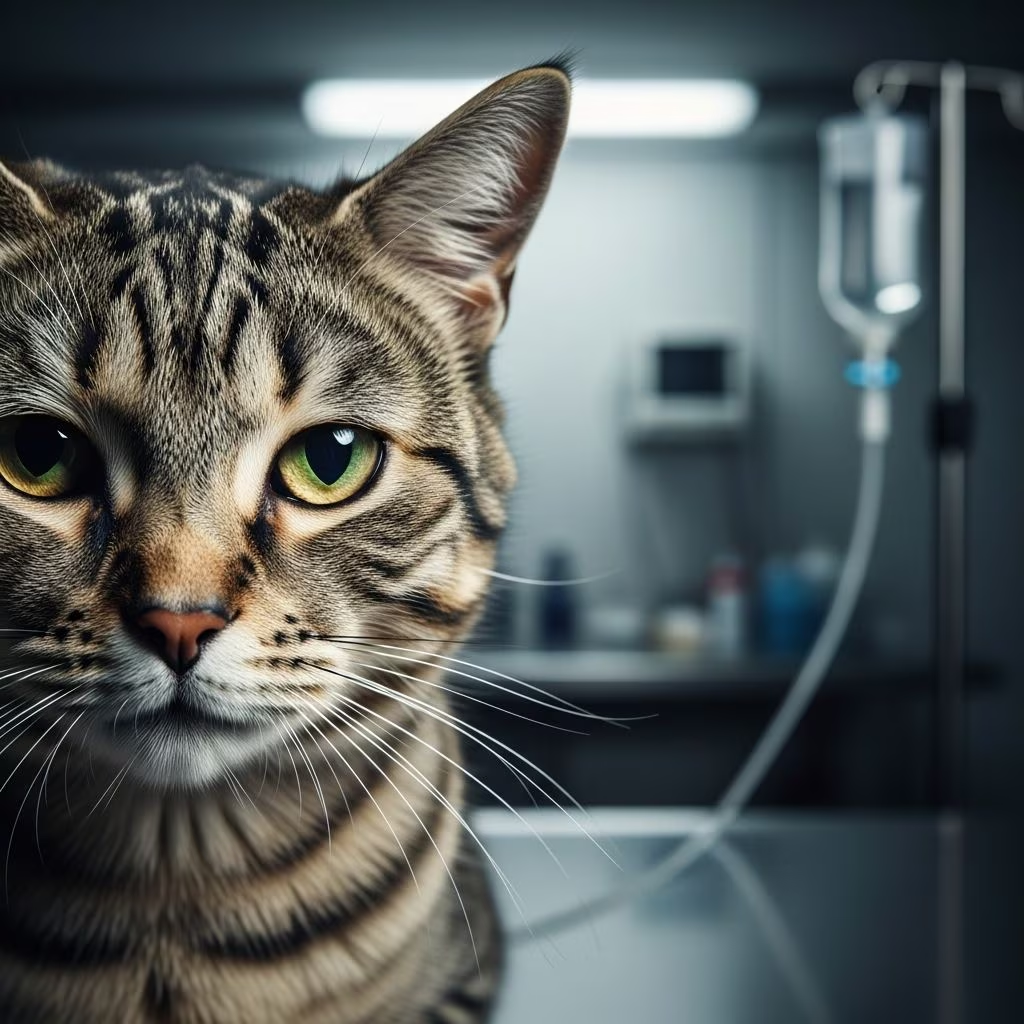
Acute kidney injury (AKI) represents a rapid decline in a cat’s kidney function, often triggered by toxins, infections, or trauma, demanding immediate veterinary intervention to prevent irreversible damage or death. This condition differs from gradual chronic kidney disease by its explosive onset, where kidneys lose their ability to filter waste, balance fluids, and regulate electrolytes within hours or days.
Recognizing the Emergency Signals
Early detection of AKI hinges on spotting subtle shifts that escalate quickly into crises. Cats mask illness well, so owners must stay vigilant for clusters of these red flags.
- Increased thirst and urination: Initial polydipsia and polyuria signal kidneys struggling to concentrate urine.
- Vomiting and diarrhea: Often bloody, these expel vital fluids and worsen dehydration.
- Lethargy and weakness: Toxin buildup saps energy, leading to hiding or reluctance to move.
- Foul breath and oral issues: Uremic halitosis accompanies mouth sores and excessive drooling from toxin accumulation.
- Neurological signs: Sudden blindness, seizures, or collapse indicate severe electrolyte imbalances or uremia.
These symptoms overlap with other feline ailments like pancreatitis or hyperthyroidism, underscoring the need for prompt diagnostic tests such as bloodwork revealing elevated creatinine and BUN levels.
Primary Triggers of Rapid Kidney Collapse
AKI stems from three main mechanisms: reduced blood flow to kidneys (pre-renal), direct kidney damage (renal), or urinary blockages (post-renal). Common culprits include:
| Category | Examples | Risk Factors |
|---|---|---|
| Pre-renal | Dehydration, shock, heart failure | Trauma, severe vomiting/diarrhea |
| Renal | Toxins (lily plants, antifreeze/EG), infections (leptospirosis), drugs (NSAIDs) | Indoor access to plants, garage chemicals |
| Post-renal | Urethral stones, tumors | Male cats, crystals in urine |
Toxins like ethylene glycol cause oxalate crystal formation in tubules, while infections inflame kidney tissue. Older cats or those with underlying conditions face higher vulnerability.
Diagnostic Process in Veterinary Clinics
Vets confirm AKI through a multi-step evaluation starting with history and physical exam, followed by:
- Urinalysis: Checks concentration, protein, blood, or casts indicating tubular damage.
- Blood tests: Measures creatinine (>2.4 mg/dL), BUN, phosphorus, potassium; assesses anemia and acidosis.
- Imaging: Ultrasound detects stones, swelling, or structural issues; X-rays rule out obstructions.
- BP monitoring: Hypertension common, requiring amlodipine if elevated.
Staging uses IRIS guidelines: Stage I (mild creatinine rise) to Stage III (severe, anuric). Oliguric cats (low urine output) carry poorer outlooks.
Critical Care Interventions
Treatment prioritizes stabilization, toxin removal, and kidney support. Hospitalization is standard for 24-72 hours or longer.
Fluid Resuscitation as Foundation
Intravenous crystalloids like Lactated Ringer’s or Plasma-Lyte flush toxins, correct dehydration, and restore perfusion. Initial bolus (10-20 ml/kg) transitions to maintenance rates, monitored via central venous pressure or urine output. Normal saline suits hyperkalemic cases but risks acidosis.
Addressing Complications
- Electrolyte imbalances: Hyperkalemia treated with calcium gluconate, insulin-glucose, or sodium bicarbonate.
- GI upset: Antiemetics (maropitant, ondansetron) combat uremic nausea; protectants like sucralfate shield ulcers.
- Hypertension: Amlodipine first-line; avoid ACE inhibitors acutely.
- Anuria/Oliguria: Diuretics (furosemide) stimulate urine; failure prompts renal replacement therapy (RRT).
Advanced Renal Replacement Options
For refractory cases, RRT like hemodialysis or peritoneal dialysis removes waste and excess fluid. Survival rates hover at 44-60%, vital for anuric cats who would otherwise perish. Availability limited to specialty centers.
Underlying causes demand targeted therapy: antibiotics for sepsis, surgery for obstructions, or antidotes for toxins.
Transitioning to Home Management
Once stabilized (typically creatinine dropping, eating voluntarily), cats discharge with strict protocols. No true home remedies exist for acute phase, but recovery demands diligence.
- Hydration boost: Subcutaneous fluids (100-150 ml daily), fountains, wet food dilution.
- Renal diets: Low-protein, low-phosphorus formulas (e.g., prescription brands) double survival time vs. standard food.
- Medications: Phosphate binders, potassium supplements, anti-nausea, appetite stimulants like mirtazapine.
- Monitoring: Weekly bloodwork, weight logs, indoor confinement to minimize stress/re-toxins.
Warm food or broth entices picky eaters; vitamin B supports nerve health.
Prognosis and Realistic Expectations
Outcomes vary: 50-70% survival with prompt care, dropping to <40% for oliguric/anuric cases. About half survivors develop chronic kidney disease (CKD), needing lifelong management. Toxin-induced AKI (e.g., lilies) has ~30% recovery if treated <24 hours; infections fare better with antibiotics. Early intervention is pivotal—delays compound multi-organ failure.
Costly hospitalization ($2,000-$10,000+) underscores pet insurance value for such unpredictables.
Preventive Measures for Feline Kidney Health
Proactive steps slash AKI risks:
- Toxins: Secure antifreeze, lilies, human meds; use pet-safe cleaners.
- Annual checkups: Catch pre-existing issues.
- Diet: Age-appropriate nutrition prevents crystals.
- Hydration: Multiple water sources, avoid dry-only diets.
- Parasite control: Flea/tick preventives curb infections.
Frequently Asked Questions (FAQs)
What is the survival rate for cats with acute kidney failure?
Around 50-70% with aggressive treatment, lower for non-urine producers.
Can cats recover fully from AKI?
Partial recovery common; 50% progress to CKD requiring ongoing care.
How much do fluids cost at home for kidney cats?
$20-50/month for bags/needles, vet teaches administration.
Is lily poisoning reversible in cats?
Early decontamination boosts chances; severe cases often fatal.
When is dialysis needed for feline AKI?
For persistent anuria, overload, or toxin removal despite meds.
Long-Term Monitoring After AKI
Post-discharge, biweekly then monthly blood panels track trends. Home logs of intake/output/appetite flag relapses. Adjust diets as IRIS stage evolves; consider omega-3 supplements for inflammation. Emotional support for owners prevents burnout—support groups aid coping.
References
- Acute kidney failure in cats – Joii Pet Care — Joii Pet Care. 2023. https://www.joiipetcare.com/blogs/health-conditions/acute-kidney-failure-in-cats
- Feline acute kidney injury: 2. Approach to diagnosis, treatment and monitoring — PMC (PubMed Central). 2024-05-15. https://pmc.ncbi.nlm.nih.gov/articles/PMC11112173/
- Kidney Failure in Cats: Symptoms, Treatment & More — Bond Vet. 2024. https://bondvet.com/blog/kidney-failure-in-cats
- Symptoms of Kidney Failure in Cats — LakeCross Veterinary Hospital. 2020-11-05. https://www.lakecross.com/site/blog-huntersville-vet/2020/11/05/symptoms-kidney-failure-cats
- Understanding Renal Failure in Cats — Brandner Veterinary Services. 2023. https://brandnervet.com/articles/general/418818-understanding-renal-failure-in-cats
- Kidney Failure in Cats: Symptoms, Stages and Causes — PetMD. 2024. https://www.petmd.com/cat/conditions/urinary/kidney-failure-in-cats



