

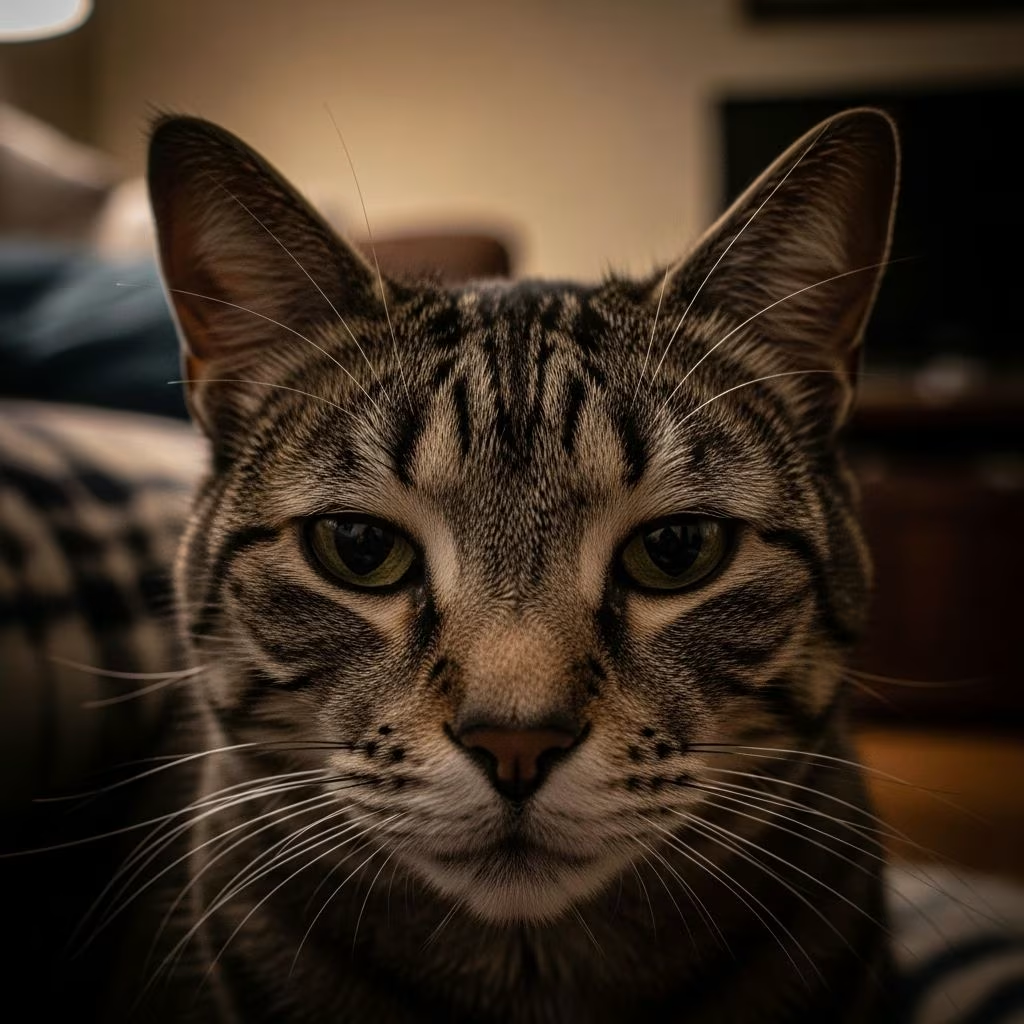
Older cats often mask their discomfort until a crisis hits, leading to rapid declines that shock owners. Understanding these hidden triggers allows for timely interventions that can significantly improve quality of life.
Recognizing Subtle Signs of Decline
Senior cats, typically those over 11 years, excel at concealing illness due to their instinctual behavior. What appears as normal aging might signal brewing problems. Key indicators include gradual weight loss despite steady eating, increased thirst paired with frequent urination, and shifts in litter box habits. Lethargy disguised as laziness, unkempt fur from reduced grooming, and vocal changes like excessive meowing at night are common red flags.
- Weight fluctuations: Unexplained loss often stems from underlying metabolic issues.
- Appetite changes: Finicky eating or sudden refusal points to dental pain or organ stress.
- Mobility issues: Hesitation to jump or reluctance to use stairs signals joint degeneration.
Owners should track these via weekly weigh-ins and behavior journals to spot trends early. Behavioral shifts, such as disorientation or altered sleep patterns, frequently accompany medical conditions rather than just age.
Prevalent Organ Failures in Aging Felines
Kidney disease tops the list of threats to senior cats, affecting up to 30-50% by age 15. Chronic kidney disease (CKD) progresses silently as nephrons lose function, leading to toxin buildup. Symptoms emerge late: vomiting, dehydration, and halitosis. Hypertension often complicates CKD, causing sudden blindness from detached retinas.
Heart conditions, particularly hypertrophic cardiomyopathy, rank as a leading cause of death. Thickened heart walls impair pumping efficiency, resulting in fluid accumulation or clots that trigger strokes. Older cats may show rapid breathing or weakness without prior signs.
| Condition | Common Symptoms | Prevalence in Seniors |
|---|---|---|
| Kidney Disease | Thirst, urination increase, weight loss | High (30-50% over 15 years) |
| Heart Disease | Labored breathing, lethargy | Leading killer |
| Liver Dysfunction | Appetite loss, jaundice | Common with multi-organ issues |
Endocrine Disruptions and Metabolic Chaos
Hyperthyroidism accelerates metabolism via excess thyroid hormone, causing weight loss, hyperactivity, and ravenous hunger. Untreated, it strains the heart and kidneys, culminating in crisis. Diabetes mellitus follows, with high blood sugar damaging organs; polyuria and infections are hallmarks.
These disorders often overlap, complicating diagnosis. For instance, hyperthyroidism masks CKD symptoms initially, delaying treatment. Bloodwork revealing elevated enzymes or glucose levels is crucial for differentiation.
Musculoskeletal and Neurological Wear
Osteoarthritis impacts 80-90% of cats over 12, eroding cartilage and inflaming joints. Reduced activity worsens muscle loss, creating a vicious cycle. Cats compensate by avoiding jumps, leading to obesity and further immobility.
Cognitive dysfunction syndrome mimics dementia: confusion, night pacing, and social withdrawal. Sensory losses—hearing from ear tumors, vision from hypertension—compound disorientation.
- Joint supplements with glucosamine aid mobility.
- Environmental ramps ease access to high spots.
- Interactive toys stimulate mental acuity.
Cancer and Infectious Vulnerabilities
Neoplasia, including lymphoma, surges in seniors, targeting intestines, kidneys, or lymph nodes. Insidious growth causes cachexia before masses appear palpable.
Weakened immunity heightens FIV susceptibility, though less acute than in youth. Dental infections spread systemically, fostering organ damage or strokes.
Diagnostic Strategies for Hidden Threats
Bi-annual vet exams with full blood panels, urinalysis, and blood pressure checks detect issues pre-crisis. Imaging like ultrasound reveals tumors or heart changes. Owners aid by noting trends: stool consistency, water intake volumes.
Therapeutic diets low in phosphorus support kidneys; methimazole controls thyroid overdrive. Pain management via NSAIDs improves arthritic comfort, boosting appetite.
Daily Management for Extended Vitality
Nutrition shifts to senior formulas enhance palatability and digestibility, countering reduced intestinal absorption. Hydration via fountains prevents dehydration, vital for CKD.
Grooming assistance prevents matting; claw trims avoid overgrowth. Low-impact play maintains muscle without strain.
FAQs on Senior Cat Sudden Decline
Why does my 14-year-old cat eat well but lose weight?
This suggests hyperthyroidism or diabetes; vet blood tests confirm.
Is frequent litter box visits normal in old age?
No—increased urination flags kidney or endocrine disease.
Can arthritis cause sudden collapse?
Rarely alone, but pain leads to immobility mimicking crisis.
How often should seniors see the vet?
Every 6 months for comprehensive screening.
Is euthanasia inevitable for kidney failure?
Many manage years with diet and fluids.
Proactive Wellness Plans
Implement home monitoring: scales, water bowls with measurements, activity cams. Supplements like omega-3s support hearts; probiotics aid guts. Holistic approaches—acupuncture for pain—complement meds.
Emotional bonds matter; stress exacerbates illness. Pheromone diffusers calm anxious elders.
In summary, vigilance transforms sudden tragedies into managed chronic care, granting cherished companions extended, comfortable years.
References
- Senior Cat Care – Special Considerations — VCA Animal Hospitals. 2023. https://vcahospitals.com/know-your-pet/senior-cat-care—special-considerations
- Prevalence of Disease and Age-Related Behavioural Changes in Cats — PMC (NCBI). 2020-10-15. https://pmc.ncbi.nlm.nih.gov/articles/PMC7557453/
- 10 Common Diseases Often Found in Senior Cats — PetCareRx. 2023. https://www.petcarerx.com/article/10-common-diseases-often-found-in-senior-cats-and-how-to-overcome-them/6153
- 10 Most Common Illnesses in Senior Cats — PetMD. 2024. https://www.petmd.com/cat/general-health/most-common-illnesses-in-senior-cats
- The Special Needs of the Senior Cat — Cornell University College of Veterinary Medicine. 2023. https://www.vet.cornell.edu/departments-centers-and-institutes/cornell-feline-health-center/health-information/feline-health-topics/special-needs-senior-cat
- 8 Common Health Problems to Look Out for in Senior Cats — JOII Pet Care. 2024. https://www.joiipetcare.com/blogs/advice/8-common-health-problems-to-look-out-for-in-senior-cats
- Senior Care Guidelines — Monge. 2023. https://www.monge.it/en/senior-care-guidelines/



