

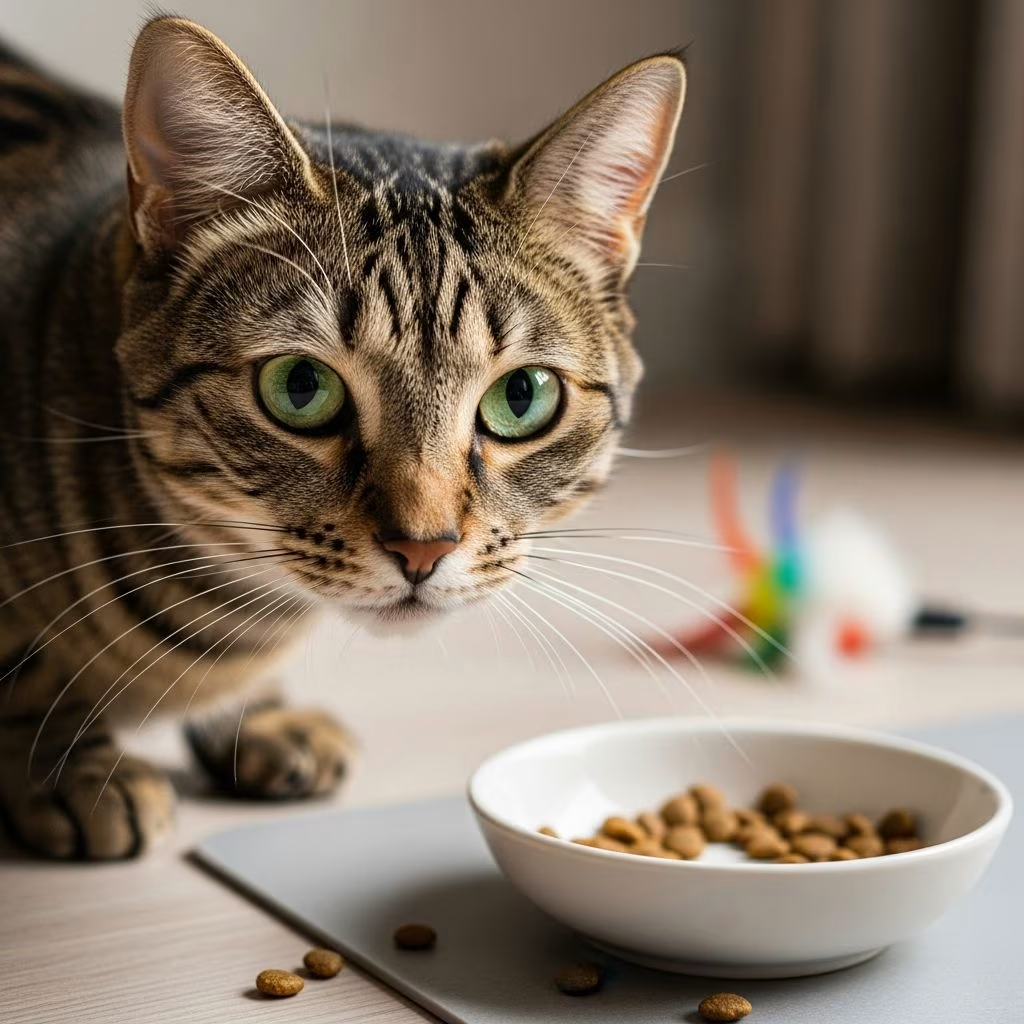
Your cat’s meows at the food bowl more frequently than usual can signal more than just a picky eater. A sudden surge in appetite often points to underlying issues ranging from benign behavioral shifts to serious medical conditions. Understanding these triggers helps pet owners respond promptly, preventing complications like weight loss or nutrient deficiencies.
Recognizing Abnormal Appetite Changes
Cats naturally regulate their eating, but a sharp increase in hunger—especially if paired with other symptoms—warrants attention. Normal hunger follows feeding schedules, but excessive begging, even after meals, suggests problems. Track portions, weigh your cat weekly, and note behaviors like restlessness or litter box changes to share with a vet.
- Meowing persistently near food areas
- Attempting to eat non-food items
- Weight fluctuations despite steady intake
- Changes in water consumption or stool consistency
Medical Conditions Driving Insatiable Hunger
Several diseases accelerate metabolism or impair nutrient absorption, leaving cats feeling starved despite eating more. Early diagnosis via bloodwork or exams is crucial for effective management.
Hyperthyroidism: The Metabolic Speed-Up
In older cats, an overactive thyroid gland floods the body with hormones, ramping up metabolism. Cats burn calories rapidly, leading to constant hunger alongside weight loss, increased thirst, urination, vomiting, diarrhea, and hyperactivity. Vets detect enlarged thyroids during exams and confirm with hormone blood tests. Treatments include medications, radioactive iodine, or surgery.
Diabetes Mellitus: Energy Starvation
Feline diabetes disrupts insulin function, preventing cells from using glucose for energy. Cats enter a starvation-like state, eating voraciously yet losing weight, with excessive drinking and urination. Blood glucose tests diagnose it; management involves insulin injections, diet tweaks, and monitoring to stabilize levels.
Intestinal Parasites: Nutrient Thieves
Worms like tapeworms steal digested nutrients, forcing cats to eat more to compensate. Visible segments in stool, a pot-bellied appearance, or dull coat may appear. Monthly preventives help, but fecal exams confirm infestations; dewormers resolve them quickly.
Exocrine Pancreatic Insufficiency (EPI)
The pancreas fails to produce digestive enzymes, causing poor food breakdown. Undigested nutrients pass through, triggering hunger, greasy diarrhea, and weight loss. Enzyme supplements added to meals aid digestion; vets diagnose via blood tests or fecal analysis.
Inflammatory Bowel Disease (IBD)
Chronic gut inflammation hinders nutrient uptake, leading to hunger spikes, vomiting, diarrhea, and poor coat quality. Biopsies or elimination diets confirm IBD; anti-inflammatories and hypoallergenic foods manage it.
Non-Medical Factors Behind Hunger Surges
Not all cases stem from illness; lifestyle or environmental shifts play roles too. Addressing these prevents overfeeding and obesity.
Boredom and Stress
Inactive indoor cats may beg for food as entertainment or comfort. Enrich environments with toys, scratching posts, and play sessions to redirect energy. Puzzle feeders slow eating and engage minds.
Dietary Shortfalls or Changes
Low-quality food lacking protein or calories leaves cats unsatisfied. Switch to AAFCO-approved formulas balancing nutrients. Growth spurts in kittens or lactation in queens naturally boost needs—adjust portions accordingly.
Medication Side Effects
Steroids or anti-seizure drugs stimulate appetite. Consult vets on alternatives or portion controls if this occurs.
Pregnancy or Growth Phases
Pregnant or nursing cats require extra calories for kittens. Young cats in growth spurts eat more; monitor to avoid excess.
Diagnostic Steps for Hungry Cats
Veterinary evaluation starts with history and physical exams, progressing to tests based on age and symptoms.
| Common Tests | Purpose | Key Indicators |
|---|---|---|
| Bloodwork (T4, glucose) | Detect thyroid/diabetes | Elevated levels |
| Fecal analysis | Parasite check | Worm eggs |
| Ultrasound/X-rays | Organ assessment | Enlarged glands |
| Trial diets | IBD/malabsorption | Response to change |
Annual check-ups catch issues early, especially in seniors over 7 years.
Management Strategies and Prevention
Tailor approaches to causes while promoting health.
- Portion control: Use measured meals multiple times daily.
- High-quality diet: Opt for protein-rich, digestible kibble/wet food.
- Enrichment: Interactive toys reduce boredom eating.
- Regular vetting: Deworm, vaccinate, screen bloodwork yearly.
- Weight monitoring: Prevent obesity from overcompensation.
For medical cases, follow vet protocols strictly—untreated conditions worsen quality of life.
FAQs on Feline Hunger Issues
Is sudden hunger always serious?
Not always, but combined with weight loss or thirst, seek vet care promptly.
How much should I feed my cat?
Follow package guidelines based on weight/age, adjusting for activity.
Can diet alone fix hyperthyroidism?
Prescription low-iodine diets help but often pair with meds.
What if my kitten is always hungry?
Growth demands more food; use kitten formulas and monitor growth.
Does spaying affect appetite?
It can slow metabolism, requiring calorie adjustments to avoid gain.
Long-Term Care for Appetite Balance
Maintaining steady weight through routine feeds, exercise, and screenings ensures cats thrive. Observe daily for shifts—prompt action preserves health. Consult professionals for personalized advice, as individual needs vary.
References
- Why Is My Cat Always Hungry? 8 Possible Reasons — Chewy. 2023. https://www.chewy.com/education/cat/health-and-wellness/why-is-my-cat-always-hungry
- Why Is Your Cat Always Hungry? Common Reasons — Kinship. 2023. https://www.kinship.com/cat-nutrition/why-is-cat-always-hungry
- Why Is My Cat Always Hungry? Causes of a Hungry Cat — PetMD. 2023. https://www.petmd.com/cat/symptoms/causes-of-hungry-cat
- Why is my cat always hungry? — PDSA. 2023. https://www.pdsa.org.uk/pet-help-and-advice/pet-health-hub/symptoms/why-is-my-cat-always-hungry
- 10 Reasons Why Your Cat is Always Hungry — Vetic. 2023. https://vetic.in/blog/diet-and-nutrition/10-reasons-your-cat-is-always-hungry/
- Increased Appetite in Cats – Symptoms, Causes — WagWalking. 2023. https://wagwalking.com/cat/condition/increased-appetite



