

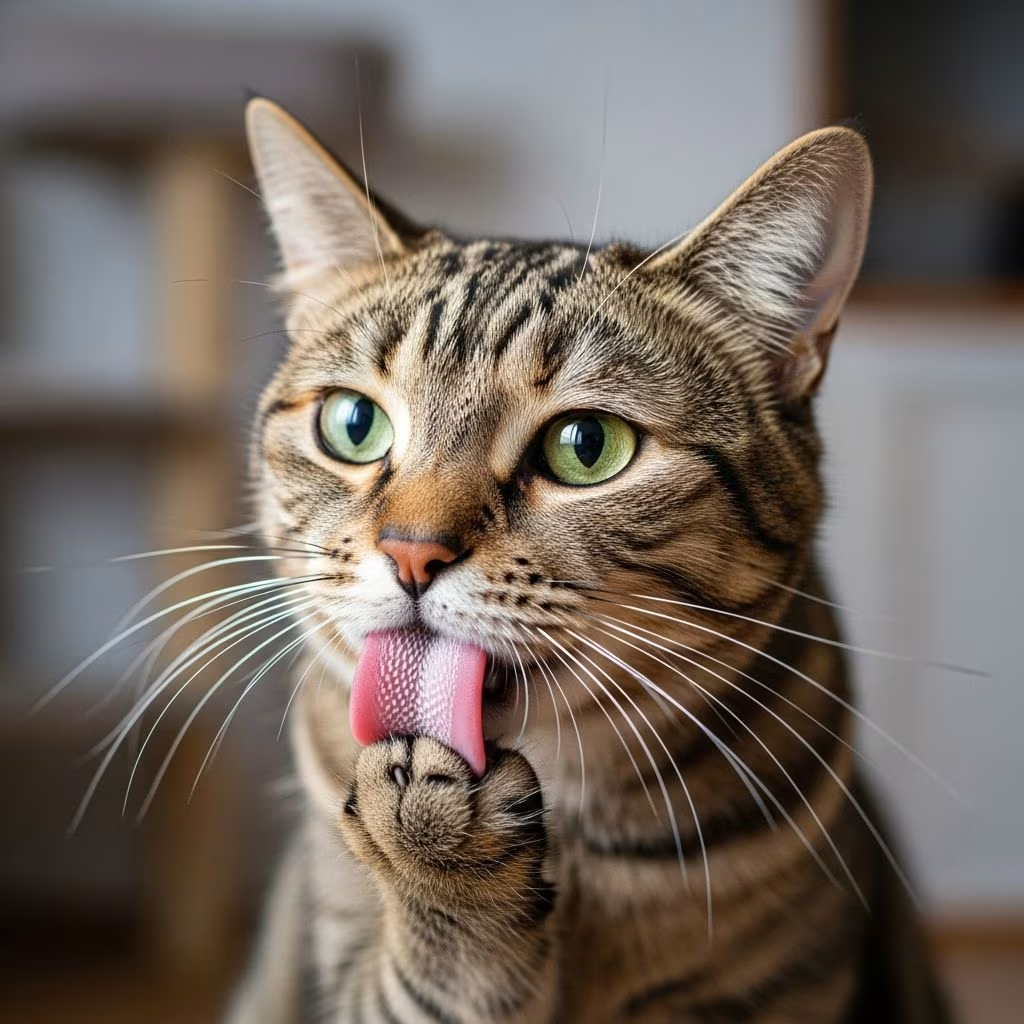
When your feline companion suddenly begins licking excessively—whether it’s themselves, you, or household objects—it’s natural to feel concerned. This behavioral shift can indicate anything from minor grooming habits to serious underlying health conditions. Understanding the root causes of this change is essential for pet owners who want to ensure their cat’s wellbeing and comfort.
The Distinction Between Normal Grooming and Excessive Licking
Cats are naturally meticulous creatures, spending a significant portion of their day grooming their fur. This normal behavior serves multiple purposes: maintaining coat health, regulating body temperature, and expressing affection. However, when licking transitions from routine maintenance to compulsive behavior, it warrants investigation.
Excessive licking typically manifests through visible signs such as bald patches or areas of hair loss, skin irritation, or constant repetitive licking of the same location. Your cat may develop scabs or sores from the intense friction caused by their rough tongue. Additionally, if your cat is producing more hairballs than usual or seems unable to stop licking despite your attempts to distract them, these are red flags indicating the behavior has crossed from normal to problematic.
Parasitic Infections: The Most Common Physical Culprit
Among the most prevalent reasons for sudden excessive licking, parasitic infections rank at the top. Fleas represent the primary parasite that triggers this response in cats, even more so in cats with flea allergies. Interestingly, cats are such efficient groomers that owners may not actually see evidence of fleas on their pet’s skin—the cat may have already removed them through grooming.
Key indicators of flea-related licking include:
- Obsessive licking concentrated at the tail base or lower back region
- Visible scabs or crusts on the neck area
- Hair loss in patches, particularly around the hindquarters
- Restlessness and frequent scratching combined with licking
- Appearance of small black specks in the fur (flea dirt)
Beyond fleas, other parasites can trigger similar responses. Ticks, microscopic skin mites, and ringworm—a fungal infection rather than a worm—all create itching and discomfort that drive cats to lick affected areas repeatedly. Mite infestations are particularly problematic because they cause inflammatory responses that intensify the urge to groom excessively.
Allergic Reactions and Skin Conditions
Cats can develop allergies to environmental factors and food items, much like their human companions. Environmental allergies may stem from pollen, dust, mold, or cleaning products. When a cat’s skin becomes irritated due to these allergens, the resulting itchiness prompts excessive licking as the cat attempts to find relief.
Food allergies present another consideration, as certain dietary components can trigger allergic responses that manifest through skin irritation. Common culprits include certain proteins or grains that don’t agree with your cat’s digestive system, leading to inflammatory skin reactions.
Dry skin conditions, often exacerbated by indoor heating during winter months or nutritional deficiencies, can also drive increased licking behavior. The flaky, uncomfortable sensation of dry skin creates an itch that cats attempt to manage through grooming. Additionally, contact dermatitis—an allergic reaction to direct contact with irritating substances—may cause localized licking in specific areas where the irritant made contact.
Pain and Medical Conditions
When your cat begins licking a specific area persistently, pain or medical discomfort is frequently the underlying cause. Unlike allergies that typically cause more widespread licking, pain-related licking is usually focused on one particular region where the cat experiences discomfort.
Common medical conditions that prompt pain-related licking include:
- Arthritis and joint problems: Cats may lick affected joints in an attempt to soothe the pain, similar to how humans rub aching muscles
- Anal sac impaction: Swelling or infection of the anal glands causes discomfort that drives licking around the rear area
- Urinary tract infections: Cats experiencing UTI-related pain may lick their lower abdomen or genital region
- Oral problems: Dental disease, gum inflammation, or tooth pain leads to licking around the mouth and face
- Disc disease: Spinal issues cause localized pain that cats address through targeted licking
- Gastrointestinal issues: Nausea or digestive discomfort may manifest as excessive licking
If your cat’s licking pattern suddenly focuses on one area, scheduling a veterinary examination becomes particularly important to rule out underlying pain or infection.
Psychological Stress and Anxiety-Driven Licking
Cats are creatures of habit who thrive on predictability and routine. When their environment undergoes significant changes, many cats respond with stress behaviors, including excessive licking. This psychological response, known as psychogenic alopecia when it results in hair loss, represents the cat’s attempt to self-soothe through the calming effects of grooming.
Common environmental stressors that trigger anxiety-related licking include:
- Moving to a new residence
- Introduction of a new pet into the household
- Arrival of a new family member, including infants
- Loss of a companion animal
- Changes in the owner’s schedule or work situation
- Renovations or significant home modifications
- Changes in feeding routines or food types
The mechanism behind stress-related licking is fascinating from a neurological perspective. Licking releases endorphins—the body’s natural feel-good chemicals—that help relieve anxiety and create a sense of calm. When a stressed cat discovers this relief through licking, the behavior can become habitual and self-reinforcing. Even after the original stressor is removed, the cat may continue the compulsive licking because the behavior itself has become rewarding.
Additionally, cats are remarkably perceptive animals that can absorb stress from their human families. If you’re experiencing anxiety or stress, your cat may mirror these emotions and respond with increased grooming behavior as their own coping mechanism.
Boredom and Insufficient Environmental Stimulation
Indoor cats with limited environmental enrichment may develop excessive licking as a response to boredom. Without adequate mental and physical stimulation, cats may turn to repetitive behaviors to occupy their time and create self-soothing sensations.
This is particularly common in indoor-only cats who have less natural excitement and exploration opportunities compared to their outdoor counterparts. The lack of stimulation combined with a confined environment can lead to the development of compulsive grooming habits.
Addressing boredom-related licking requires environmental modifications such as:
- Interactive toys that encourage hunting and pouncing behaviors
- Puzzle feeders that engage problem-solving skills
- Window perches for bird watching and visual stimulation
- Vertical spaces like cat trees for climbing and perching
- Regular interactive play sessions with owners
- Rotating toys to maintain novelty and interest
When Licking Becomes a Persistent Habit
One particularly challenging aspect of excessive licking is its potential to persist even after the original cause is resolved. Behavioral researchers have observed that compulsive licking can transform into a habit with its own self-reinforcing cycle. A cat may initially begin licking due to a flea infestation, for example, but continue the behavior long after parasites are eliminated and the original itch is gone.
This habit formation occurs because the repetitive licking behavior itself provides psychological comfort and stress relief through endorphin release. The cat’s brain essentially becomes conditioned to this behavior as a coping mechanism, making it difficult to discontinue even when medically unnecessary.
Recognizing Warning Signs That Require Veterinary Attention
While occasional increased grooming may not be cause for alarm, certain indicators suggest your cat needs professional evaluation:
- Development of visible bald patches or significant hair loss
- Appearance of open sores, scabs, or bleeding from excessive licking
- Sudden onset of licking behavior without apparent cause
- Licking that persists despite home interventions and environmental changes
- Signs of secondary skin infection including redness, swelling, or discharge
- Associated symptoms such as appetite changes, lethargy, or behavioral shifts
- Excessive hairball production or vomiting
- Complete cessation of grooming (opposite extreme can also indicate problems)
Diagnostic Approaches Your Veterinarian May Use
When you bring your cat to the veterinarian for evaluation of excessive licking, they will conduct a thorough assessment. This typically begins with a detailed history of when the licking started, its location, associated symptoms, and any recent changes in the cat’s environment or routine.
Physical examination focuses on identifying parasites, skin lesions, allergic reactions, or signs of pain. Your veterinarian may use specialized tools to examine the skin and may collect samples for microscopic analysis. Depending on initial findings, additional diagnostics such as fungal cultures, allergy testing, or imaging studies may be recommended to identify underlying causes.
Treatment Strategies Based on Underlying Causes
Treatment approaches vary significantly depending on the identified cause. Parasitic infections require appropriate antiparasitic medications and environmental treatment to eliminate fleas or other parasites. Allergies may be managed through dietary changes, environmental modifications, or medications to reduce allergic responses.
Pain-related licking necessitates addressing the underlying condition—whether through arthritis management, dental care, infection treatment, or other specific interventions. Stress and anxiety-related licking often benefits from environmental modifications, behavioral enrichment, and in some cases, anti-anxiety medications prescribed by the veterinarian.
For compulsive grooming that has become habitual, veterinarians may recommend a combination of environmental enrichment, behavioral modification techniques, and potentially medication to interrupt the self-reinforcing cycle. Most behavioral cases show improvement within approximately one month with appropriate intervention and management.
Preventive Measures and Long-Term Management
Maintaining your cat’s wellbeing and preventing sudden excessive licking involves several proactive steps. Regular flea and tick prevention through veterinarian-recommended products is essential. Providing consistent routines, adequate environmental enrichment, and maintaining a stress-reduced household supports psychological wellbeing.
Regular veterinary check-ups allow early detection of health issues before they progress to behavioral manifestations. Proper nutrition ensures your cat’s skin and coat remain healthy and less prone to irritation. Creating a calm, predictable environment with safe spaces where your cat can retreat reduces anxiety-driven behaviors.
Understanding your individual cat’s personality, preferences, and triggers allows you to respond more effectively when behavioral changes occur. By maintaining open communication with your veterinarian and addressing concerns promptly, you can help ensure your cat receives appropriate care and returns to normal grooming patterns.
References
- Excessive Licking in Cats: Why Do Cats Do This? — Festival Animal Clinic. https://festivalanimalclinic.com/blog/excessive-licking-in-cats/
- Cats and Compulsive Scratching, Licking, and Chewing — WebMD Pets. https://www.webmd.com/pets/cats/features/cats-and-compulsive-scratching-licking-and-chewing
- Why Do Cats Lick Themselves, and When Is It a Problem? — GoodRx Pet Health. https://www.goodrx.com/pet-health/cat/why-do-cats-lick-so-much
- Why Cats Overgroom and How You Can Stop It — PetMD. https://www.petmd.com/cat/general-health/how-tell-if-your-cat-over-grooming
- Cat Behavior: Overgrooming — Oregon Veterinary Medical Association. https://www.oregonvma.org/care-health/companion-animals/behavior/cat-behavior-overgrooming
- Cats that Lick Too Much — Cornell University College of Veterinary Medicine. https://www.vet.cornell.edu/departments-centers-and-institutes/cornell-feline-health-center/health-information/feline-health-topics/cats-lick-too-much



