

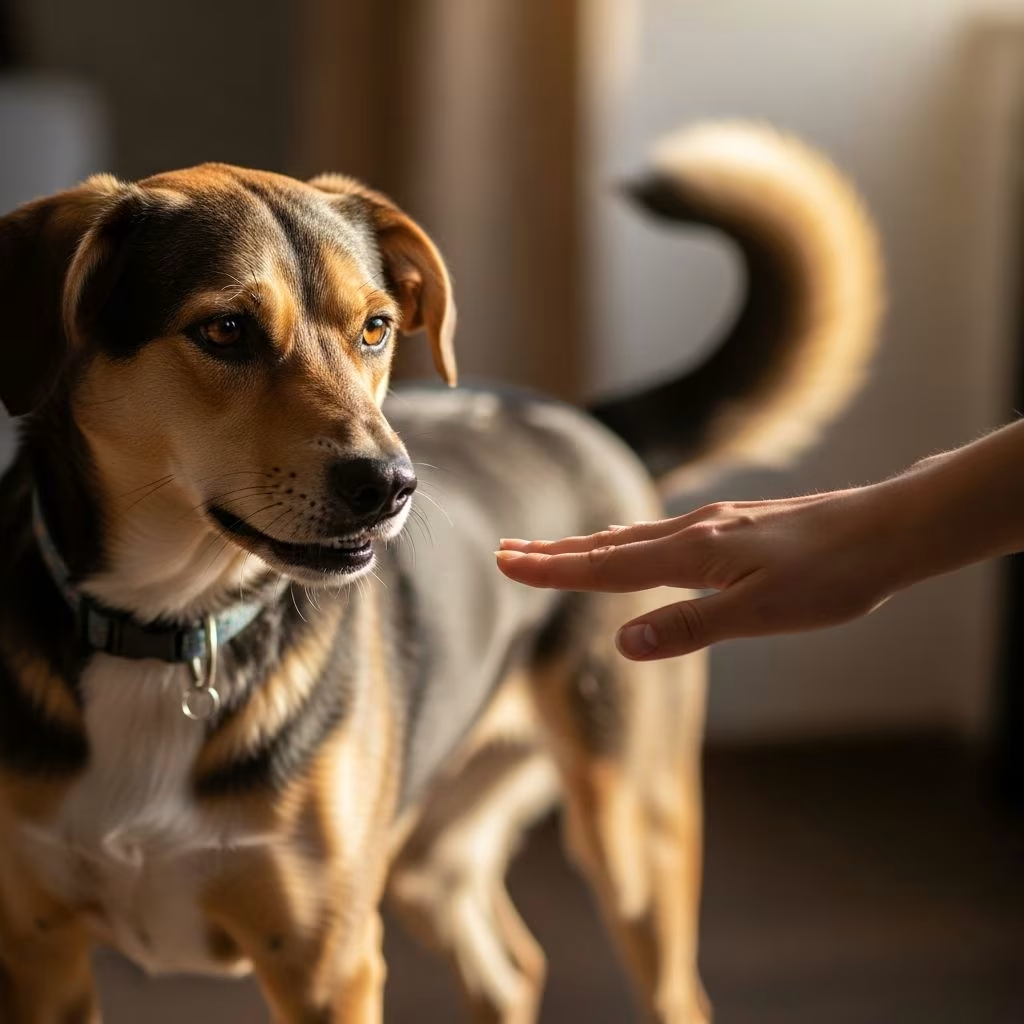
Dogs rarely bite without some form of communication beforehand. Understanding these subtle cues can prevent incidents and foster a harmonious relationship with your pet. This guide explores the hidden language of dogs, common triggers for aggression, and proven strategies to ensure safety for families and pets alike.
Understanding Canine Communication Basics
Dogs express emotions through body language rather than words. Missing these signals often leads to misunderstandings that escalate into bites. Key to prevention is learning what stress looks like in your dog.
- Facial Expressions: Watch for lip licking or yawning, which signal anxiety rather than hunger or tiredness.
- Eye Contact: Whale eye, where whites show around the iris, indicates discomfort during petting or handling.
- Ear Position: Flattened or pinned-back ears suggest fear or defensiveness.
These micro-signals appear before overt actions like growling. Observing them daily builds your ability to intervene early.
Common Triggers for Unexpected Aggression
Not all bites stem from meanness; many arise from fear, pain, or resource guarding. Identifying patterns helps address root causes.
| Trigger | Warning Signs | Response |
|---|---|---|
| Resource Guarding (food/toys) | Stiffening, growling, locked jaw | Do not approach; remove people instead |
| Handling or Petting | Lip licking, turning away, freezing | Stop interaction, give space |
| Interactions with Children | Raised hackles, averted gaze, yawning | Supervise closely, teach gentle approaches |
| Pain or Illness | Sudden snaps, avoidance, tense posture | Vet exam immediately |
Children face higher risks due to unpredictable movements and direct stares, which dogs perceive as threats.
Decoding Subtle Stress Indicators
Beyond obvious growls, dogs use displacement behaviors to self-soothe. Ignoring them removes their polite warnings, leading to silence before a bite.
- Displacement Licking: Quick tongue flicks over nose or lips show conflict.
- Body Freezing: A rigid pause means ‘back off’ – often the final signal.
- Hackles and Tail: Raised fur along the back paired with a stiff, high, or tucked tail signals high arousal.
- Posture Shifts: Leaning away, crouching, or whale eye during play indicate overload.
Practice observing your dog in low-stress settings to recognize personal baselines. Videos from reputable trainers can sharpen this skill.
Building a Safer Environment at Home
Proactive changes reduce bite risks significantly. Start with management while addressing behaviors long-term.
- Create Retreat Zones: Provide crates or beds as safe havens where dogs choose solitude without disturbance.
- Manage High-Risk Times: Feed, rest, and chew sessions are off-limits for interactions.
- Supervise All Encounters: Never leave dogs alone with young kids or vulnerable individuals.
- Use Barriers: Baby gates separate dogs during meals or when guests arrive.
Signage like ‘Dog Resting – Please Do Not Disturb’ educates visitors.
Effective Training Methods for Calm Behavior
Positive reinforcement outperforms punishment, which heightens fear. Reward-based approaches teach boundaries gently.
- Counter-Conditioning: Pair triggers (like doorbells) with treats to shift emotional responses.
- Desensitization: Gradually expose dogs to stressors at low intensities, building tolerance.
- Impulse Control Games: ‘Leave it’ and ‘wait’ commands prevent resource disputes.
Seek certified trainers using force-free methods. Early socialization from puppyhood prevents many issues.
Role of Health in Behavior Changes
Sudden aggression often masks medical problems like thyroid issues, arthritis, or dental pain. A veterinary check rules out these first.
- Schedule annual wellness exams.
- Watch for limping, appetite loss, or irritability as red flags.
- Spay/neuter reduces hormone-driven aggression in many cases.
Exercise and mental puzzles keep dogs balanced, curbing frustration-fueled reactions.
Special Considerations for Families with Kids
Over 50% of bites involve children. Educate on safe dog interactions.
- Teach ‘pet to feed’ – stroke chest, not head.
- Avoid face-to-face stares or leaning over dogs.
- Let dogs approach first; no hugging from behind.
Role-play scenarios with kids to practice reading signals. Programs from AVMA offer free resources.
Tools and Aids for Anxious Dogs
Supplements support training efforts.
- Calming chews with L-theanine or chamomile.
- Pheromone collars mimicking maternal scents.
- Anxiety vests applying gentle pressure.
Consult vets before use. Combine with behavior plans for best results.
When to Seek Professional Intervention
If warnings persist, consult veterinary behaviorists. They diagnose via history and observation, prescribing tailored plans.
Track incidents: date, trigger, signs, outcome. This data guides experts.
FAQs on Preventing Dog Bites
What if my dog growls at me?
Thank them for the warning. Remove the trigger and consult a pro – suppressing growls leads to silent bites.
Can any dog bite without warning?
Most communicate, but pain or shutdown dogs may not. Always err on caution.
Is breed relevant?
Individual history and training matter more than breed.
How do I teach kids dog safety?
Use age-appropriate books, videos, and supervised practice.
What about muzzles?
Trained basket muzzles allow safe outings during rehab.
Long-Term Strategies for Peaceful Coexistence
Consistency yields results. Daily observations, positive routines, and patience transform reactive dogs into confident companions. Celebrate small wins like relaxed greetings.
Community resources like local shelters offer workshops. Stay informed via AVMA updates.
References
- Reading a Dog’s Signals: How to Prevent Bites Before They Happen — South Hyland Animal Hospital. 2023. https://southhyland.com/reading-a-dogs-signals-how-to-prevent-bites-before-they-happen/
- Dog Bite Prevention: Managing Behavior Issues — Best Friends Animal Society. 2024. https://bestfriends.org/pet-care-resources/dog-bite-prevention-managing-behavior-issues
- National Dog Bite Prevention Week — Morris Animal Inn. 2023. https://www.morrisanimalinn.com/blog/national-dog-bite-prevention-week/
- Dog Bite Prevention — Mission Veterinary Hospital. 2024. https://vetclinicmission.com/dog-bite-prevention/
- Dog Bites 101: Why They Happen and How to Prevent Them — Cloquet Veterinary Hospital. 2023. https://cloquetvet.com/dog-bites-101-why-they-happen-and-how-to-prevent-them/
- Dog Bite Prevention | Recognize The Warning Signs — Virginia Beach SPCA. 2024. https://vbspca.com/dog-bite-prevention/
- Dog Bite Prevention Week – How to spot it and how to stop — University Vet Care. 2023. https://www.universityvetcare.com/post/dog-bite-prevention-week
- Preventing Dog Bites in Children – Part 1: Motivations & Myths — Today’s Veterinary Practice. 2016-05-06. https://todaysveterinarypractice.com/wp-content/uploads/sites/4/2016/05/TVP_2016-0506_DogBites.pdf
- Dog bite prevention — American Veterinary Medical Association (AVMA). 2025. https://www.avma.org/resources-tools/pet-owners/dog-bite-prevention



