

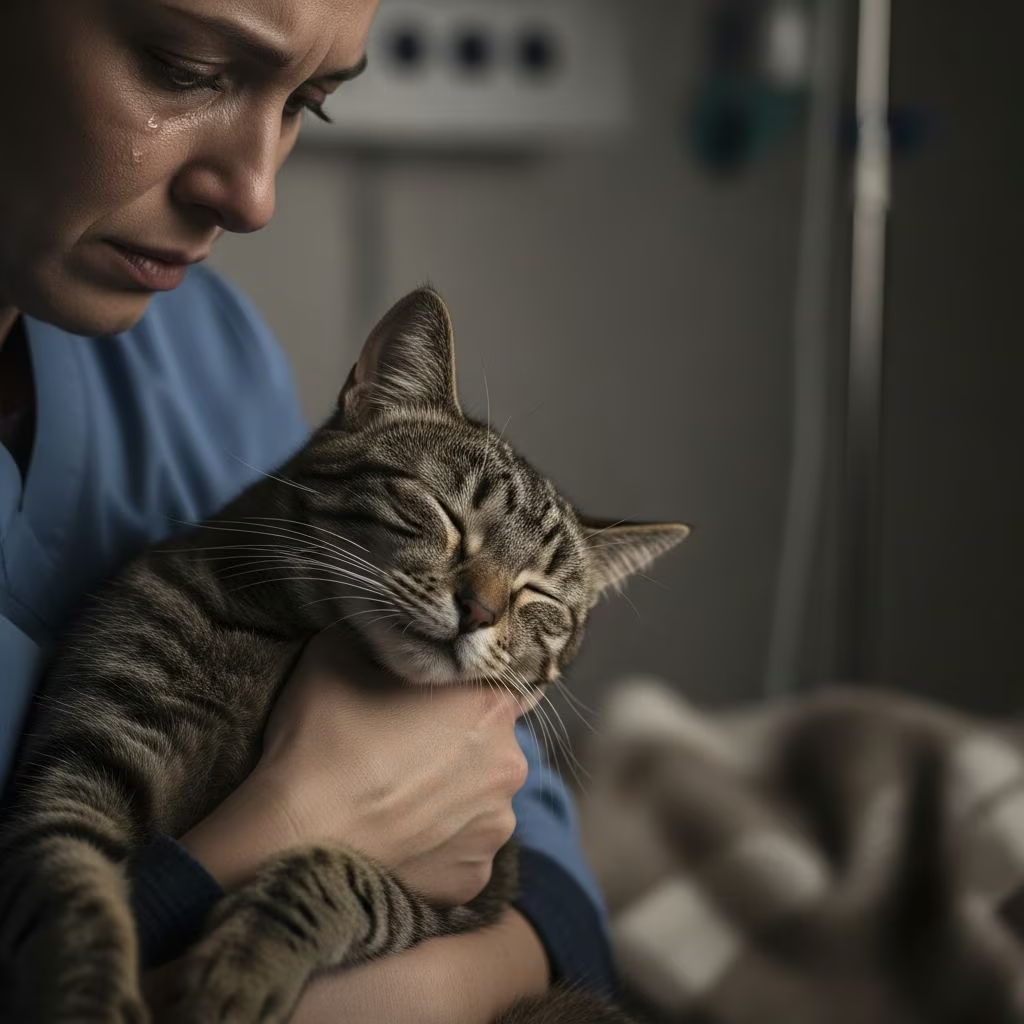
Sudden death in cats is a heartbreaking event that leaves owners devastated and searching for answers. While no pet parent wants to face this tragedy, understanding the most common causes can help with prevention and early intervention. Veterinary research identifies trauma, heart disease, and infections as leading culprits, often striking without warning.
This comprehensive guide covers the **10 most common causes of sudden death in cats**, backed by studies from sources like the Canadian Veterinary Journal and the University of Guelph’s Animal Health Laboratory. We’ll explore symptoms, risk factors, and actionable prevention steps to protect your cat.
The 10 Most Common Causes of Sudden Death in Cats
1. Trauma
**Trauma** tops the list as the leading cause of sudden death in cats, particularly outdoor ones. Common scenarios include being hit by a car (road traffic accidents or RTA), falls from heights, animal attacks, or predator encounters. A study in the Canadian Veterinary Journal confirms trauma as the number one cause, while University of Guelph data shows it affecting 6 out of 71 cats in sudden death cases.
Symptoms may not always be obvious until collapse. Indoor cats rarely suffer trauma-related deaths, highlighting the protective benefits of keeping felines indoors. Immediate veterinary care can save lives if trauma is suspected—rushed treatment often leads to recovery.
- Risk factors: Outdoor access, high-rise living, urban environments.
- Prevention: Keep cats indoors, use secure enclosures, supervise outdoor time.
2. Feline Leukemia Virus (FeLV)
**Feline Leukemia Virus (FeLV)** is a viral infection spread via saliva, blood, feces, or from mother to kittens. While many exposed cats remain asymptomatic, it can trigger lymphoma (the most common FeLV-associated cancer), anemia, infections, or clotting disorders, leading to sudden collapse.
FeLV weakens the immune system, making cats vulnerable to secondary fatal conditions. Vaccination is key, as unvaccinated cats face higher risks.
- Symptoms: Lethargy, weight loss, swollen lymph nodes, recurrent infections.
- Prevention: Vaccinate kittens and adults, test for FeLV before multi-cat households, avoid contact with strays.
3. Heart Disease
**Heart disease**, especially **hypertrophic cardiomyopathy (HCM)**, ranks as the second most common cause. HCM thickens heart muscle, impairing blood flow and potentially causing congestive heart failure, blood clots (thromboembolism), or sudden cardiac arrest.
Cardiac issues accounted for 44 of 71 sudden cat deaths in one study, mostly cardiomyopathies. Many cats show no prior signs, collapsing during activity. Breeds like Maine Coons and Ragdolls are genetically predisposed.
- Symptoms: Rapid breathing, lethargy, fainting, blue gums, hind limb paralysis (saddle thrombus).
- Prevention: Regular vet checkups with echocardiograms, especially for at-risk breeds; medications for diagnosed cases.
4. Infectious Intestinal Disease
**Infectious intestinal disease**, primarily **feline panleukopenia (feline distemper)**, is highly contagious and deadly, especially in unvaccinated kittens. The virus inflames the gut, causing severe diarrhea, dehydration, and sepsis.
Panleukopenia spreads via contaminated feces or vomit. University of Guelph necropsies list intestinal disease among top causes.
- Symptoms: Bloody diarrhea, vomiting, fever, abdominal pain, collapse.
- Prevention: Core vaccinations, hygiene in multi-cat homes, isolate sick cats.
5. Urinary Tract Blockages
**Urinary tract blockages** are life-threatening, especially in male cats due to their narrow urethra. Causes include stones, crystals, tumors, or infections, leading to toxin buildup, kidney failure, and death within 24-72 hours if untreated.
Symptoms escalate rapidly: straining without urine, bloody urine, vomiting, weakness.
- Risk factors: Dry-food diets, obesity, stress, older males.
- Prevention: Wet food diets, increased water intake, regular urinary health checks.
6. Poisoning
**Poisoning** claims many curious cats who ingest toxins like antifreeze, lilies, rodenticides, human medications, or household plants. Even small amounts can cause organ failure, seizures, or cardiac arrest within hours.
Lilies are notoriously toxic to cats, causing kidney shutdown. Antifreeze’s sweet taste lures them.
- Symptoms: Vomiting, drooling, tremors, seizures, coma.
- Prevention: Secure chemicals, remove toxic plants, use pet-safe products.
7. Hepatic Necrosis
**Hepatic necrosis** involves liver cell death from infections, toxins, cancer, or ischemia, replaced by scar tissue. Severe cases lead to liver failure and sudden death.
Common triggers: toxins, hepatitis viruses, fatty liver disease in obese cats.
- Symptoms: Jaundice, vomiting, seizures, bleeding disorders.
- Prevention: Avoid hepatotoxins, manage weight, vaccinate against core diseases.
8. Respiratory Disease
**Respiratory disease** includes asthma attacks, infections, or choking/asphyxia. Severe feline asthma or pneumonia can cause fatal respiratory distress.
Guelph study noted 16 dog cases but applicable to cats via aspiration or infections.
- Symptoms: Wheezing, open-mouth breathing, cyanosis.
- Prevention: Minimize allergens, prompt treatment of upper respiratory infections.
9. Blood Clots (Thromboembolism)
**Blood clots** often stem from heart disease, blocking arteries to lungs or limbs (saddle thrombus). Painful and sudden, with high fatality.
- Symptoms: Sudden paralysis, pain yowling, cold limbs.
- Prevention: Manage underlying heart conditions with anticoagulants.
10. Neoplasia (Cancer)
**Neoplasia**, like lymphoma or hemangiosarcoma, causes occult bleeding or organ rupture. FeLV-linked lymphomas are common.
- Symptoms: Weight loss, lumps, anemia.
- Prevention: FeLV vaccination, early cancer screenings.
Sudden Death Prevention Strategies
Preventing sudden death involves proactive care:
- Keep cats indoors to avoid trauma and infections.
- Maintain up-to-date vaccinations for FeLV, panleukopenia.
- Schedule annual vet exams with heart screenings for older cats.
- Provide toxin-free environments and balanced diets.
- Monitor for subtle signs like appetite changes or lethargy.
| Cause | High-Risk Groups | Key Prevention |
|---|---|---|
| Trauma | Outdoor cats | Indoor living |
| Heart Disease | Breeds like Maine Coon | Echo screenings |
| FeLV | Unvaccinated, strays | Vaccination |
| Urinary Blockage | Male, obese cats | Wet food, hydration |
Frequently Asked Questions (FAQs)
What is the #1 cause of sudden death in cats?
Trauma, such as car accidents or falls, is the leading cause, per veterinary studies.
Can heart disease cause sudden death without symptoms?
Yes, hypertrophic cardiomyopathy often presents no warning signs until fatal collapse.
How can I prevent FeLV in my cat?
Vaccinate, test before adoption, and limit exposure to infected cats.
Is urinary blockage fatal quickly?
Yes, untreated blockages can kill within 24-72 hours due to kidney failure.
Are indoor cats safe from sudden death?
Indoor cats have far lower trauma risk, but heart disease and other issues persist.
Final Thoughts
Sudden death in cats is tragic but often preventable. Trauma and heart disease dominate, but vaccinations, indoor living, and vigilant vet care drastically reduce risks. If your cat shows any concerning signs, seek immediate veterinary attention. Your proactive steps can extend your feline companion’s life.
References
- Sudden Death in Cats: 10 Vet-Verified Causes — Catster. 2023. https://www.catster.com/cat-health-care/sudden-death-in-cats-most-common-causes/
- Sudden Cat Death: Causes, Prevention & Coping Tips — PetPlace. 2023. https://www.petplace.com/article/cats/pet-health/cat-health/sudden-cat-death-understanding-why-it-happens
- When Death Comes Suddenly to a Pet — American Veterinary Medical Association (AVMA). 2023. https://www.avma.org/news/when-death-comes-suddenly-pet
- Causes of Sudden Unexpected Death in Dogs and Cats — University of Guelph Animal Health Laboratory. 2023. https://www.uoguelph.ca/ahl/content/causes-sudden-unexpected-death-dogs-and-cats-%E2%80%93-it%E2%80%99s-not-neighbour
- Mortality and Life Table Analysis in a Young Cohort of Pet Cats in the UK — PMC (PubMed Central). 2023. https://pmc.ncbi.nlm.nih.gov/articles/PMC12033825/



