

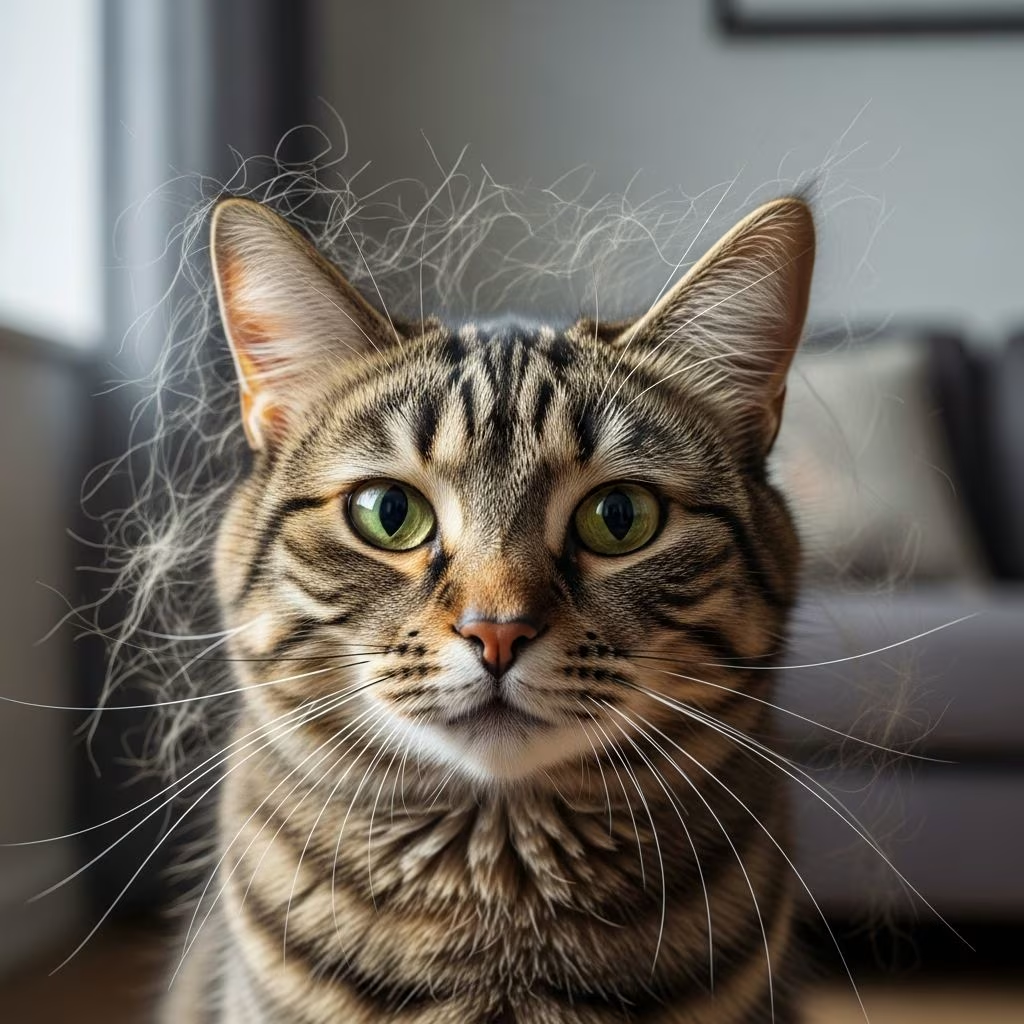
Excessive shedding in cats often signals more than just seasonal fur loss; it can stem from environmental shifts, parasites, allergies, nutritional gaps, stress, infections, or underlying diseases. Identifying the root cause promptly helps restore your cat’s coat health and prevents complications.
Understanding Normal vs. Abnormal Shedding Patterns
Cats naturally shed to regulate body temperature and replace old fur, with patterns varying by breed, age, and season. Short-haired breeds like Domestic Shorthairs shed lightly year-round, peaking in spring and fall, while long-haired Persians require daily brushing to manage heavier coats. Abnormal shedding appears suddenly, involves clumps of fur, bald patches, or skin irritation beyond typical seasonal loss.
- Normal shedding: Even distribution, manageable with grooming, coincides with weather changes.
- Abnormal signs: Rapid fur loss, itchiness, redness, dandruff, or behavioral changes like over-licking.
Monitor for accompanying symptoms such as weight loss, lethargy, or appetite changes to differentiate routine molting from health alerts.
Environmental and Lifestyle Factors Triggering Fur Loss
Daily habits and home conditions profoundly influence shedding. Poor diet lacking omega-3 fatty acids and proteins weakens hair follicles, leading to dull, brittle fur that falls out easily. Switch to AAFCO-approved complete foods formulated for your cat’s life stage to support skin integrity.
| Factor | Impact on Shedding | Solutions |
|---|---|---|
| Low-Quality Food | Nutrient deficiencies cause dry skin and weak fur | High-protein diet with balanced fats |
| Age-Related Decline | Older cats groom less, leading to matted fur and excess loss | Regular brushing, senior formulas |
| Pregnancy/Hormones | Hormonal surges increase shedding | Vet-monitored nutrition |
Seasonal shifts prompt natural molts, but indoor heating or dry air exacerbates dryness, prompting more fallout. Use humidifiers and omega supplements to maintain moisture.
Parasites: Hidden Culprits Behind Intense Scratching
Fleas, mites, and lice irritate skin, causing allergic reactions and furious grooming that pulls out fur. Flea allergy dermatitis affects sensitive cats, resulting in hot spots and patchy baldness even from minimal infestations. Mange mites burrow into follicles, while ear mites cause head shaking and secondary hair loss.
- Check for: Black flea dirt, red bites, scabs.
- Diagnosis: Vet skin scrapes or comb tests.
- Treatment: Prescription topicals like selamectin; environmental cleaning.
Prevent with monthly preventatives, especially for outdoor cats. Untreated parasites spread rapidly in multi-pet homes.
Allergies Disrupting Your Cat’s Coat Comfort
Environmental allergens like pollen, dust mites, or mold trigger atopic dermatitis, mimicking seasonal shedding but with intense itching. Food allergies to proteins like beef or fish cause year-round issues, often with gastrointestinal upset. Contact allergies from cleaners or fabrics provoke localized shedding.
Vets use elimination diets or hypoallergenic trials lasting 8-12 weeks for diagnosis. Antihistamines, steroids, or immunotherapy manage symptoms, restoring fur growth.
Stress and Behavioral Issues Leading to Overgrooming
Cats under stress from moves, new pets, or loud noises overgroom, licking fur to stubs in psychogenic alopecia. Under-grooming from depression causes matting and fallout. Signs include hiding, appetite loss, or vocalization changes.
- Reduce stress: Pheromone diffusers, vertical spaces, routine play.
- Behavioral therapy: Consult vets for anxiety meds if persistent.
Sudden changes amplify shedding; enrich environments mimic natural territories.
Infections Weakening the Skin Barrier
Bacterial pyoderma from wounds or fungal ringworm create circular bald patches with scaling. Ringworm glows under Wood’s lamp and spreads via spores. Yeast infections thrive in moist folds, causing greasy fur loss.
Oral antifungals like itraconazole treat ringworm for 4-6 weeks; antibiotics handle bacteria. Isolate infected cats and disinfect thoroughly.
Serious Diseases Manifesting as Excessive Shedding
Endocrine disorders like hyperthyroidism accelerate metabolism, causing rapid shedding, weight loss, and hyperactivity in seniors. Cushing’s disease elevates cortisol, thinning fur symmetrically. Kidney disease leads to poor coat quality via toxin buildup; diabetes causes dull fur and infections.
| Disease | Symptoms with Shedding | Management |
|---|---|---|
| Hyperthyroidism | Weight loss, voracious appetite, bald belly | Medication (methimazole), surgery |
| Chronic Kidney Disease | Lethargy, thirst, poor appetite | Dietary renal food, fluids |
| Cushing’s | Pot belly, thirst, weak skin | Trilostane therapy |
Bloodwork and urinalysis confirm diagnoses; early intervention extends life quality.
When to Seek Veterinary Attention Urgently
Consult a vet if shedding accompanies skin lesions, behavioral shifts, or systemic signs. Diagnostic tools include blood panels, allergy tests, biopsies, and imaging. Home remedies like fish oil aid mild cases but never replace professional care.
- Emergency flags: Bald patches, wounds, fever, collapse.
- Routine check: Annual exams catch subclinical issues.
Early detection improves outcomes dramatically.
Proven Strategies for Managing and Preventing Shedding
Daily brushing removes undercoat, distributes oils, and bonds with your cat. Bathing with gentle shampoos every 4-6 weeks suits longhairs. Supplements with biotin, zinc, and fish oil bolster follicles.
- Feed premium, species-specific kibble/wet food.
- Maintain flea prevention year-round.
- Control allergens: HEPA filters, hypoallergenic bedding.
- Monitor weight and litter habits for disease clues.
Track shedding via photos; patterns reveal trends.
Frequently Asked Questions About Cat Shedding
Is sudden shedding always a health problem?
No, but persistent or symptomatic loss warrants vet review to rule out issues like parasites or thyroid problems.
How often should I brush my shedding cat?
Daily for heavy shedders; use tools like Furminators for efficiency without skin damage.
Can diet alone fix excessive shedding?
It helps mild cases but not underlying diseases; pair with vet advice.
Do indoor cats shed less?
They shed year-round without seasonal cues, often more noticeably in homes.
What if my cat has bald spots?
Likely parasites, allergies, or ringworm; seek immediate exam.
References
- Why is my cat shedding so much? — Animal Friends Dermatology. 2024-07-15. https://www.animalfriendsdermatology.com/site/blog/2024/07/15/why-cat-shedding-much
- My Cat is Shedding a Lot. What Does it Mean? — Zoetis Petcare. N/A. https://www.zoetispetcare.com/blog/article/cat-shedding
- Why is my cat shedding so much? — Pico Rivera Vet. 2022-08-30. https://www.picoriveravet.com/site/blog/2022/08/30/cat-shedding
- Reasons Your Cat’s Hair is Falling Out — Walnut Creek Vet Clinic. N/A. https://walnutcreekvetclinic.com/articles/cats-hair-is-falling-out
- Role of nutritional deficiency in excessive shedding in cats — Vetster. N/A. https://vetster.com/en/wellness/role-of-nutritional-deficiency-in-excessive-shedding-in-cats
- Why is Your Cat Shedding So Much? — Purina US. N/A. https://www.purina.com/articles/cat/health/routine-care/why-is-cat-shedding-so-much



