

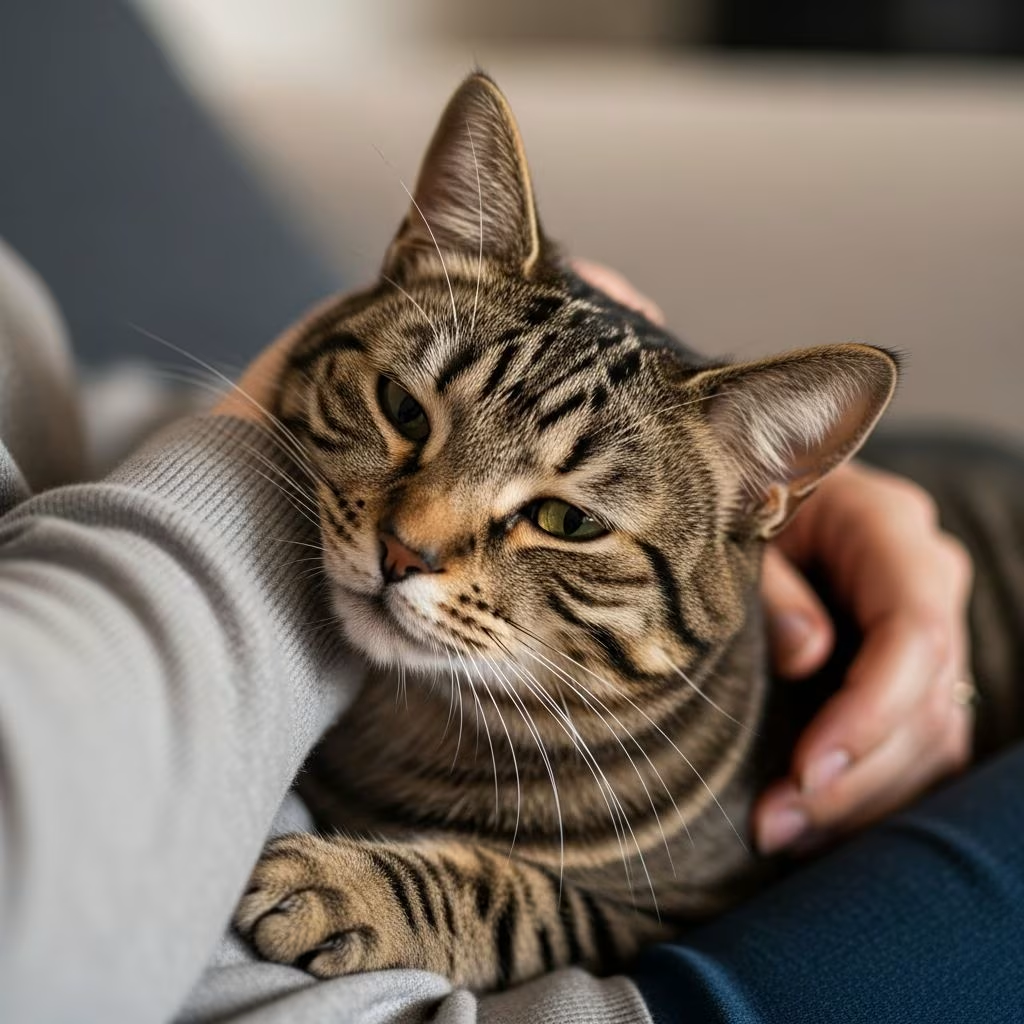
Your once aloof cat is now shadowing your every move, curling up on your lap uninvited, and purring like a motor. This shift from independence to intimacy can catch owners off guard, sparking curiosity or concern. While often harmless, sudden affection in cats signals underlying triggers ranging from positive life adjustments to potential health flags. Understanding these changes empowers you to respond appropriately, ensuring your feline’s well-being.
Decoding Feline Social Signals
Cats communicate affection through rubbing, head-butting, kneading, and prolonged eye contact. These behaviors deposit pheromones from facial glands, marking you as part of their trusted circle. A surge in such actions isn’t random; it reflects your cat’s internal or external world evolving. Independent by nature, cats reserve closeness for those they deem safe, making any escalation noteworthy.
Observe patterns: Is the affection constant or tied to specific times, like mealtimes or evenings? Does it accompany other shifts, such as vocalizing more or hiding less? Tracking these helps pinpoint causes, from benign to vet-worthy.
Everyday Triggers for Extra Lovin’
Many affection spikes stem from routine needs or comforts. Your cat might simply be voicing unmet basics in the most charming way possible.
- Hunger pangs: Cats are masters of manipulation. A rumbling tummy prompts dawn patrols on your chest, batting at eyelids until breakfast arrives. This ‘alarm clock’ cuddling leverages your body heat while demanding food.
- Chilly discomfort: As temperatures drop, felines seek radiant warmth from human skin. Blanket-sharing or lap-squatting spikes in winter, conserving energy efficiently.
- Attention drought: Busy schedules mean less playtime. Cats crave interaction—studies affirm they thrive on toys mimicking hunts and daily strokes, prompting clinginess when deprived.
Addressing these is straightforward: Scheduled feedings, cozy beds, and 15-minute play sessions daily often restore balance without drama.
Social Dynamics at Play
Home hierarchies influence cat conduct profoundly. Felines operate subtle pecking orders, adjusting behaviors when ranks shift.
- New arrivals: Babies, partners, or pets disrupt status quos. Your cat may amp up rubbing and lap-sitting to reclaim prime attention via scent-marking.
- Loss of companions: A departed housemate cat elevates your pet’s position, fostering bolder affection toward humans as the new ‘top cat’.
Jealousy manifests cutely but persistently—extra tail twining around legs or door-blocking. Gradual introductions and equal affection distribution ease tensions.
Hormonal Rollercoasters
Intact cats ride hormonal waves dictating mood and mating readiness. Unspayed females enter heat cycles around 6 months, recurring every 2-3 weeks seasonally. Symptoms blend affection with frenzy: incessant meowing, floor-rolling, and object-rubbing alongside clinginess.
Pregnancy hormones similarly boost bonding, sustaining cuddliness through gestation. Males, neutered or not, detect these cues afar, heightening indoor pursuits. Spaying/neutering stabilizes levels, curbing cycles and roaming risks.
| Hormone Trigger | Signs Beyond Affection | Action Steps |
|---|---|---|
| Heat Cycle | Loud yowling, urine spraying, restlessness | Confine indoors, consult vet for sterilization |
| Pregnancy | Nesting, appetite shifts, nipple changes | Vet exam, prepare for kittens if unplanned |
| Male Response | Spraying, vocalizing at windows | Neutering, block outdoor scents |
Golden Years Gentleness
Aging softens many cats’ edges. Seniors (11+ years) dial down high-energy antics, redirecting time to snoozing nearby. Reduced mobility or vision invites lap dependency for security.
Cognitive dysfunction, akin to dementia, erodes navigation confidence. Affected cats shadow owners, mistaking familiar rooms for mazes. Arthritis prompts heat-seeking cuddles. Routine vet checks, puzzle feeders, and joint supplements support graceful aging.
When Clinginess Signals Stress or Trauma
Environmental jolts provoke comfort quests. Thunder, fireworks, or vet visits rattle nerves, driving cats to human anchors over hideouts.
Household upheavals—moves, renovations—amplify insecurity. Some respond with affection bids; others withdraw. Pheromone diffusers and consistent routines calm frayed nerves.
Health Concerns Lurking Beneath
Not all cuddles bode well. Illness subtly alters instincts; weakened cats seek protection packs once avoided.
- Hyperthyroidism: Common in elders, revs metabolism, yielding restlessness then lap-craving.
- Pain or weakness: Hidden by evolution, but mobility dips cue closeness.
- Neurological issues: Dementia or strokes disorient, prompting shadowing.
- End-stage awareness: Rarely, terminal instincts draw cats near for solace, though withdrawal prevails more.
Red flags: Appetite loss, litter avoidance, fur neglect, or lethargy alongside affection. Prompt vet visits rule out issues—bloodwork often reveals culprits.
Weight Management and Mood Boosts
Obesity plagues 60% of U.S. cats. Diet-induced slimming correlates with affection upticks, possibly from improved vitality or gratitude. Gradual calorie cuts under vet guidance yield healthier, happier pets.
Responding to Your Cat’s Affection Surge
Embrace positives: Extra pets reinforce bonds. For concerns:
- Log behaviors, diet, and home changes.
- Baseline health exam if senior or symptomatic.
- Enrich environment: scratching posts, window perches.
- Spay/neuter if applicable.
Most shifts normalize naturally, deepening your connection.
Frequently Asked Questions
Is sudden affection always a problem?
No—often it’s hunger, cold, or bonding. Monitor for illness signs.
Should I worry if my old cat clings more?
Common in aging, but vet-check for dementia or pain.
How do hormones cause this?
Heat/pregnancy spikes oxytocin-like bonding.
When to see a vet?
If paired with eating issues, hiding, or aggression.
Can diet change affection?
Yes—weight loss boosts mood and activity.
References
- Possible Reasons Your Cat Is Suddenly Affectionate With You — Petree Litterboxes. 2023. https://petreelitterboxes.com/blogs/cat-care/possible-reasons-your-cat-is-suddenly-affectionate-with-you
- Why Is My Cat So Affectionate All of a Sudden? 4 Vet-Reviewed Reasons — Catster. 2024. https://www.catster.com/cat-behavior/why-is-cat-affectionate-all-of-a-sudden/
- Why Is Your Cat So Affectionate All of a Sudden? 11 Possible Reasons — Hepper. 2024. https://articles.hepper.com/why-is-cat-affectionate-all-of-a-sudden/



