

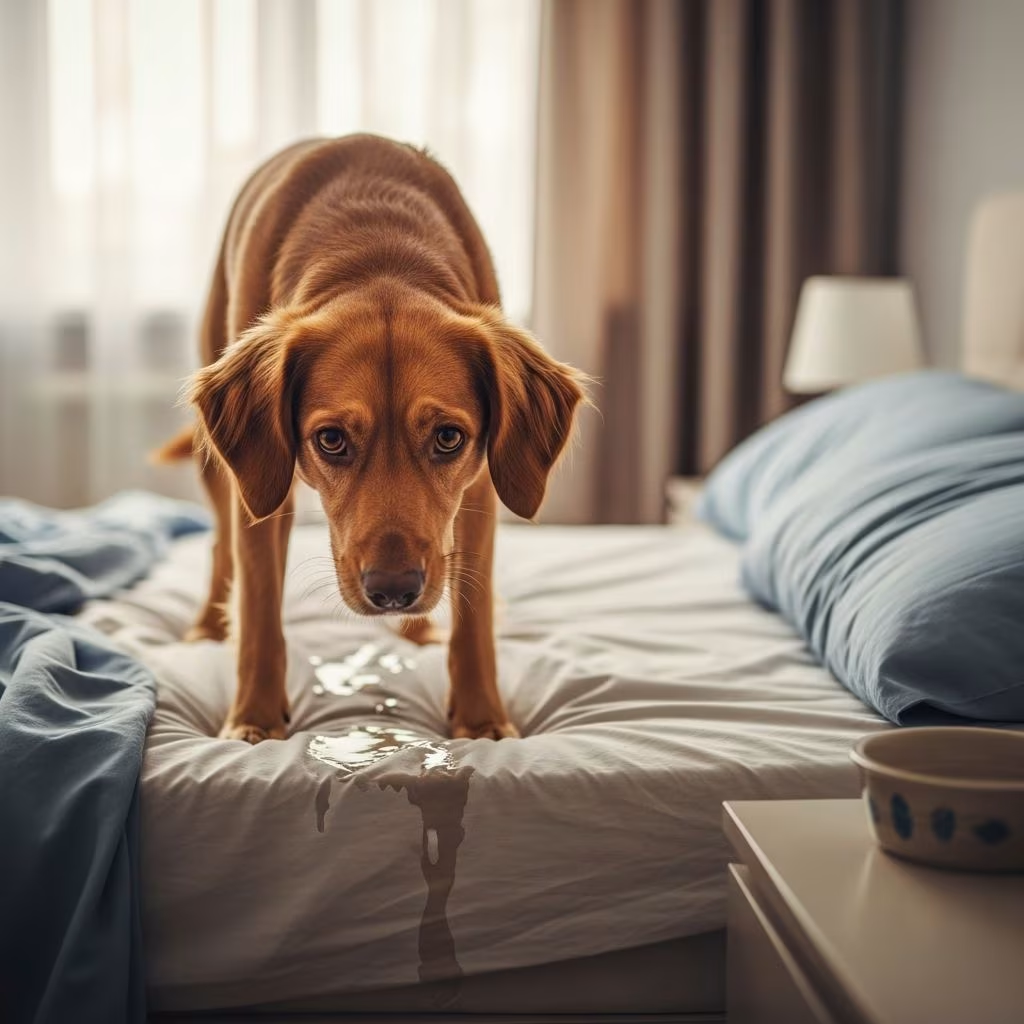
Observing your female dog urinate on the bed without warning can be perplexing and frustrating, especially if she was previously house-trained. This behavior often signals underlying medical conditions, age-related changes, or environmental stressors rather than deliberate defiance. Understanding the root causes allows for targeted interventions that improve your dog’s quality of life and prevent recurrence.
Recognizing the Signs of Inappropriate Urination
The first step in addressing bed peeing is identifying patterns. Look for wet spots on bedding after naps or overnight, damp fur around the vulva or hindquarters, or small puddles on floors near sleeping areas. Female dogs may leak urine passively during rest due to weakened bladder control, often without awareness. Unlike purposeful marking, which involves squatting or lifting a leg, incontinence-related accidents occur spontaneously, leaving your pet confused or embarrassed.
Track incidents in a journal: note time of day, recent activities, diet changes, or new household members. This data helps veterinarians pinpoint triggers, distinguishing between medical urgency and behavioral adjustments.
Medical Reasons Behind Bedtime Accidents
Health issues top the list of causes for sudden urination changes in female dogs. Prompt veterinary evaluation is essential, as untreated conditions can worsen.
Urinary Tract Infections (UTIs)
UTIs inflame the bladder and urethra, reducing the organ’s capacity to retain urine. Bacteria proliferation leads to frequent, urgent needs, often resulting in leaks during sleep. Symptoms include cloudy or foul-smelling urine, excessive genital licking, straining, or blood traces. Female anatomy predisposes them to infections, with seniors at higher risk.
- Cloudy or strong urine odor
- Frequent small-volume urination attempts
- Discomfort vocalizations during elimination
- Licking vulva excessively
A simple urine test confirms diagnosis, followed by antibiotics. Recheck cultures ensure resolution, preventing chronic issues.
Hormonal Imbalances and Spay-Related Incontinence
Spaying removes estrogen sources, weakening the urethral sphincter over time. Studies indicate 3-20% of spayed females develop incontinence, with onset often years post-surgery. Low estrogen fails to maintain muscle tone, causing dribbles during relaxation.
Seniors face compounded risks from age-related hormone declines. Medications like phenylpropanolamine strengthen sphincters, while estrogen supplements aid some cases. Success rates exceed 80% with consistent therapy.
Other Health Contributors
| Condition | Symptoms | Impact on Urination |
|---|---|---|
| Bladder Stones/Tumors | Painful urination, blood in urine | Partial emptying leads to overflow leaks |
| Diabetes/Kidney Disease | Increased thirst, weight loss | Excessive urine production overwhelms bladder |
| Arthritis/Senility | Limping, disorientation | Difficulty positioning or remembering habits |
These necessitate bloodwork, imaging, or urinalysis for accurate diagnosis.
Behavioral and Environmental Triggers
Not all cases stem from illness; stress or habits play roles, particularly in intact or anxious females.
Stress and Anxiety Responses
Female dogs seek comfort on beds scented with owner smells during upheaval. Separation anxiety manifests as accidents when alone, while general stress from fireworks, moves, or new pets prompts submissive urination. Hormonal cycles in unspayed dogs amplify urges.
- New babies, guests, or animals disrupt security
- Routine shifts like schedule changes
- Loud noises or thunderstorms
Territorial or Instinctual Marking
Though less common in females, unspayed dogs in heat mark high-value spots like beds to signal availability or claim territory. Intact females urinate more frequently cyclically.
Submissive personalities pee to appease perceived dominants, mistakable for spite but rooted in fear.
Age-Specific Challenges in Female Dogs
Puppies lack bladder maturity, holding urine briefly overnight. Seniors suffer sphincter weakening, cognitive decline (canine dementia), or mobility limits preventing timely outings.
Middle-aged spayed females represent peak incontinence risk. Monitor for gradual onset versus sudden shifts signaling acute problems.
Diagnostic Steps with Your Veterinarian
Schedule an exam immediately upon noticing changes. Expect:
- Physical assessment of abdomen and genitals
- Urinalysis for infection, crystals, or glucose
- Blood tests for kidney function, diabetes
- Imaging (ultrasound/X-ray) if stones/tumors suspected
- Neurological checks for spinal issues
Rule out medical causes first; behavioral fixes follow confirmation of health.
Treatment Options Tailored to Causes
Medical Interventions
- Antibiotics for UTIs: 7-14 day courses, with probiotics preventing recurrence
- Medications: Phenylpropanolamine (Proin) for sphincter support; DES for hormones
- Surgery: Rare, for stones or tumors; collagen injections for incontinence
- Dietary Management: Prescription foods reduce stone formation, support kidney health
Behavioral and Home Remedies
Clean accidents with enzymatic cleaners to erase scents attracting repeats. Restrict bed access via baby gates or crates during training.
- More frequent potty breaks, especially pre-bed
- Anxiety aids: pheromone diffusers, calming chews
- Positive reinforcement training: Reward outdoor success
- Spaying for intact females to stabilize hormones
Belly bands absorb leaks, maintaining dignity during management.
Preventive Strategies for Long-Term Success
Proactive care minimizes risks:
- Annual vet checkups with senior screenings post-7 years
- Weight control to ease joint/bladder pressure
- Hydration balance: Encourage water intake daytime, limit evenings
- Consistent routines foster security
- Early spaying weighs against incontinence risks
Frequently Asked Questions (FAQs)
Is bed peeing always a health problem?
No, but rule out medical issues first. UTIs or incontinence cause most sudden cases in females.
How do I stop nighttime leaks?
Vet treatment plus last potty walk, water cutoff 2 hours pre-bed, and protective bedding.
Will my spayed dog outgrow incontinence?
Many respond to meds; 90% improve with therapy. Monitor lifelong.
Can diet influence urination habits?
Yes, low-protein kidney diets or UTI-preventive formulas help.
When is emergency vet care needed?
Blood in urine, lethargy, vomiting, or straining warrants immediate visit.
Restoring Harmony at Home
With patience and professional guidance, most female dogs overcome bed peeing. Combine vet care, environmental tweaks, and training for optimal results. Your vigilance ensures a happier, drier household.
References
- Older Dog Peeing in Sleep: Common Causes and Fixes — Woofz. 2023. https://www.woofz.com/blog/senior-dog-peeing-in-sleep/
- Why Is My Female Dog Peeing On My Bed? — Whole Dog Journal. 2024-01-15. https://www.whole-dog-journal.com/health/why-is-my-female-dog-peeing-on-my-bed/
- Why Is My Dog Peeing on My Bed All of a Sudden? — Dog Friendly Co. 2023-05-20. https://www.dogfriendlyco.com/blogs/articles/why-is-my-dog-peeing-on-my-bed-all-of-a-sudden
- Why Do Dogs Pee on Beds? — American Kennel Club (AKC). 2024-06-10. https://www.akc.org/expert-advice/training/dog-pees-on-bed/
- Why is my dog peeing in his sleep? — WagWalking. 2023. https://wagwalking.com/symptom/why-is-my-dog-peeing-in-his-sleep
- Dog Incontinence At Night: Why Dogs Pee in Their Sleep — Walkin’ Pets. 2024-02-28. https://walkinpets.com/blogs/blog/dog-incontinence-at-night



