

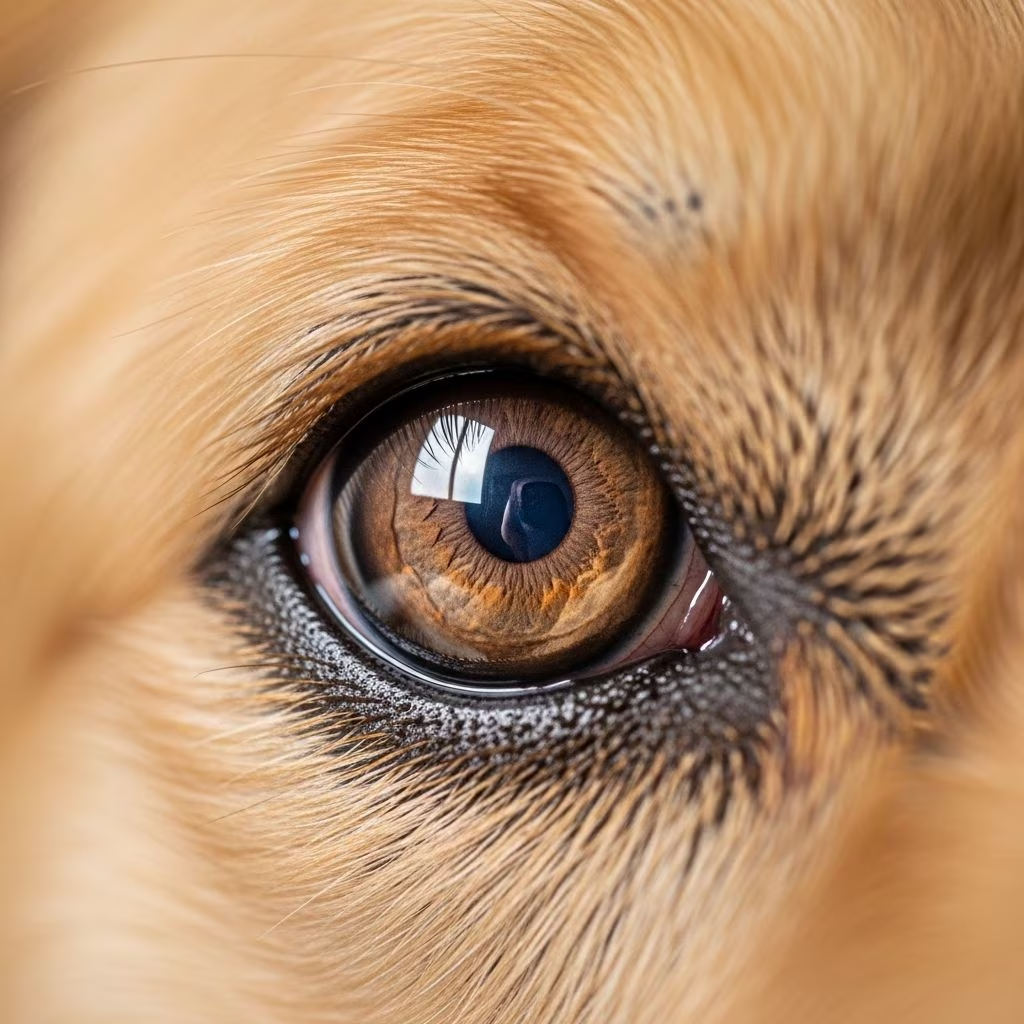
Understanding Sudden Acquired Retinal Degeneration Syndrome (SARDS) in Dogs
Sudden Acquired Retinal Degeneration Syndrome, commonly known as SARDS, represents one of the leading causes of incurable vision loss in dogs diagnosed by veterinary ophthalmologists today. This idiopathic retinal disorder results in sudden and permanent bilateral vision loss that occurs without apparent ocular lesions in the initial stages of the disease. SARDS develops due to a sudden loss of function in the retinal photoreceptor cells, specifically the rods and cones that are responsible for vision. Despite extensive research, the exact cause of this photoreceptor dysfunction remains unknown, making SARDS a particularly challenging condition for both veterinarians and pet owners to manage.
The impact of SARDS on a dog’s quality of life is profound and multifaceted. Beyond the acute vision loss itself, many affected dogs experience concurrent systemic abnormalities that compound the challenges of this condition. Understanding SARDS is essential for dog owners who may encounter this disease, as early recognition and appropriate management can significantly improve outcomes and help affected dogs adapt to their new circumstances.
Who Is at Risk: Breed and Age Predisposition
SARDS most commonly affects middle-aged to older dogs, with typical presentations occurring between 7 and 10 years of age, with a median age of 9 years. Female dogs are often overrepresented in reported cases, though males can also develop the condition. While SARDS can affect any breed, certain breeds show higher prevalence rates including Dachshunds, Miniature Schnauzers, Pugs, Brittany Spaniels, and Maltese dogs.
Body size appears to be a significant factor in SARDS development. Small dogs weighing less than 25 pounds comprise approximately 60% of SARDS patients, with only about 8% of affected dogs weighing more than 50 pounds. This suggests that small breed dogs face substantially higher risk for developing this condition. Understanding these predispositions can help veterinarians and owners maintain heightened vigilance in at-risk populations.
Recognizing the Symptoms and Clinical Presentation
The primary and most noticeable symptom of SARDS is the sudden onset of complete bilateral vision loss. This vision loss typically develops rapidly within 1 to 2 days, though in some cases it may progress more gradually over 1 to 2 weeks. The acute nature of this blindness often causes significant distress to both dogs and their owners, as the animals may bump into stationary objects, become confused in corners, or appear lost in large open spaces.
Behavioral changes frequently accompany the sudden vision loss. Affected dogs may exhibit anxiety, vocalize excessively, pant heavily, or display hesitation when moving through their environment. Some dogs become more cautious, less playful, and more lethargic during the initial months of adjustment to their blindness.
Systemic Signs Associated with SARDS
Beyond blindness, systemic abnormalities occur in 28 to 85% of SARDS patients, often appearing weeks to months before the vision loss becomes apparent. These signs typically suggest underlying metabolic or endocrine dysfunction and may include:
- Polyphagia (increased appetite)
- Polyuria (increased urination)
- Polydipsia (increased thirst)
- Weight gain despite dietary management
- Lethargy and reduced activity levels
Interestingly, studies have shown that polyphagia appears to be the only clinical sign that tends to worsen or progress with time in SARDS patients. Over 90% of SARDS patients demonstrate increased adrenal sex hormones and/or elevated cortisol serum concentrations, suggesting a significant neuroendocrine component to the disease process.
Diagnostic Procedures and Examination Findings
Behavioral Vision Testing
Initial assessment of the acutely blind dog involves behavioral vision tests that help establish the extent of vision loss. These tests include maze or obstacle course navigation, the cotton ball test (dropping a cotton ball or tissue in front of the patient to observe tracking), and visual placing tests. Additional neuro-ophthalmic examinations evaluate the menace response, dazzle reflex, and pupillary light reflex.
Ophthalmic Examination Findings
One of the distinctive features of SARDS is that the initial ophthalmic examination often reveals a relatively normal-appearing eye, particularly the back of the eye (fundus). Nearly 90% of dogs with SARDS present with mydriatic (dilated) pupils that show only slight responsiveness to bright white light. Dogs with SARDS typically demonstrate a negative menace reflex, meaning they do not react to menacing gestures toward their eyes.
Importantly, pupils in SARDS patients may show unusual light responses: they typically respond to high-intensity blue light but show absent or minimal response to red light stimulation. This selective response pattern is due to stimulation of a photosensitive pigment called melanopsin and can be evaluated using specialized chromatic pupillary light reflex testing.
Electroretinography (ERG): The Diagnostic Gold Standard
The most definitive diagnostic test for SARDS is electroretinography (ERG), which measures the electrical activity generated by the retina in response to light stimulation. In dogs with SARDS, the ERG produces a flat-line response, indicating complete absence of electrical activity from the retina. This finding is diagnostic for SARDS and distinguishes it from other causes of sudden blindness.
The flat-line ERG is particularly important because it differentiates retinal disease from other potential causes of vision loss. If an ERG is normal in a dog presenting with blindness, this suggests neurologic or central causes of blindness rather than SARDS, warranting further investigation with MRI and cerebrospinal fluid (CSF) evaluation.
Additional Diagnostic Considerations
Color pupillometry can support SARDS diagnosis by demonstrating absent red pupillary light reflex with preserved blue pupillary light reflex. Some veterinarians may recommend pituitary and adrenal gland imaging to investigate potential neuroendocrine components of the disease. Optical coherence tomography (OCT) has emerged as a valuable tool for evaluating retinal changes in SARDS patients, allowing visualization of progressive retinal degeneration over time.
Differential Diagnoses
The term amaurosis describes partial or total blindness without visible changes in the eye structure. Differential diagnoses for amaurosis in dogs include retinal disease (SARDS), optic nerve disease affecting the retrobulbar or intracranial portions of the optic nerve, and central or cortical causes of blindness from lesions in the occipital lobe.
In dogs presenting with acute blindness and normal ophthalmic examination findings, SARDS accounts for approximately 86% of cases, while neurologic disease comprises the remaining 14%. This high prevalence makes SARDS an important consideration in any acutely blind dog, particularly those within the typical age and breed predisposition ranges.
Associated Systemic Abnormalities
SARDS frequently presents as a constellation of systemic signs, which is why “syndrome” is included in the disease name. These systemic abnormalities are highly variable in occurrence and severity, and many develop weeks to months prior to the onset of vision loss. This timing suggests that the underlying pathophysiology affecting vision may also be affecting other body systems.
The most commonly observed systemic abnormalities suggest hyperadrenocorticism (Cushing’s syndrome), though definitive diagnosis of this condition is not always established in SARDS patients. Subclinical hepatopathy (liver dysfunction without clinical symptoms) is frequently noted in research studies of affected dogs. These associations point toward potential neuroendocrine or autoimmune mechanisms in SARDS pathogenesis, though the exact relationships remain unclear.
Prognosis and Long-Term Outcomes
SARDS is a permanently blinding disease with no currently effective treatment available. Most dogs will progress to complete blindness within four weeks of initial vision loss onset, with many achieving total vision loss within 1 to 2 weeks. Changes within the retina typically become visible on examination within weeks to months following the onset of blindness, though changes can begin as early as days after the initial vision loss.
Research has shown that changes in the retina following SARDS onset initially involve extensive loss of photoreceptors within a few weeks, while patients are already functionally blind. Degeneration of the remaining retinal layers progresses gradually over several months to years.
Despite the permanent nature of the blindness, long-term quality of life outcomes are more positive than might be expected. In one recent study, approximately 80% of owners reported their dogs had moderate to excellent quality of life following SARDS diagnosis. The most frustrating change for owners was blindness itself (69%), followed by polyuria (8%), polyphagia (7%), and weight gain (6%). This suggests that many dogs successfully adapt to their visual impairment with appropriate support and management.
Management and Adaptation Strategies
While no definitive treatment exists for SARDS, comprehensive management focuses on supporting the dog’s adaptation to blindness and addressing concurrent systemic signs. Since there is no evidence that SARDS is hereditary, affected dogs can continue to live meaningful lives with appropriate environmental modifications and owner support.
Management strategies include maintaining consistent home environments to help blind dogs navigate safely, using audio cues and tactile landmarks, providing supervision during outdoor activities, and creating safe spaces free from obstacles. Many owners implement scent markers around the home to help their dogs orient themselves.
Systemic signs should be addressed individually. Weight management becomes important, particularly in dogs developing obesity secondary to polyphagia. Some veterinarians recommend monitoring adrenal function and considering management of any identified endocrine abnormalities. Supportive care, regular veterinary follow-up, and owner education about adapting to canine blindness are essential components of comprehensive SARDS management.
Frequently Asked Questions about SARDS
Q: Can SARDS be prevented?
A: There is currently no known means of preventing SARDS, and no evidence suggests the disease is hereditary. Regular veterinary examinations may help with early detection of systemic signs, but prevention strategies have not been established.
Q: Is SARDS painful?
A: SARDS itself does not cause ocular pain, though affected dogs may experience anxiety and stress related to sudden vision loss. Addressing these behavioral changes through environmental modifications and supportive care is important.
Q: How quickly does blindness develop in SARDS?
A: Vision loss typically occurs within 1 to 2 days, though some dogs may experience more gradual vision loss over 1 to 2 weeks. Most dogs achieve complete blindness within 1 to 4 weeks of initial vision loss onset.
Q: Can my dog’s vision ever return?
A: SARDS causes permanent, irreversible vision loss. No treatment has been shown to restore vision in affected dogs. However, most dogs successfully adapt to blindness and maintain good quality of life with proper support.
Q: What should I do if I suspect my dog has SARDS?
A: Contact your veterinarian immediately if you notice sudden vision loss in your dog. Referral to a veterinary ophthalmologist is recommended for definitive diagnosis through electroretinography and comprehensive ocular examination.
Q: Are there any treatments being researched for SARDS?
A: While no effective treatments are currently available, ongoing research continues to investigate neuroendocrine and autoimmune mechanisms that may contribute to SARDS development, potentially leading to future therapeutic options.
References
- Sudden Acquired Retinal Degeneration Syndrome (SARDS) — VetBloom. 2024. https://vetbloom.com/sards/
- Sudden Acquired Retinal Degeneration Syndrome (SARDS) — PubMed Central, National Institutes of Health. 2015. https://pubmed.ncbi.nlm.nih.gov/26096588/
- Sudden Acquired Retinal Degeneration Syndrome in Dogs — Colorado State University Veterinary Teaching Hospital. 2024. https://vetmedbiosci.colostate.edu/vth/services/ophthalmology/sudden-acquired-retinal-degeneration-syndrome/
- Sudden Acquired Retinal Degeneration Syndrome: An Overview — Today’s Veterinary Nurse. 2024. https://todaysveterinarynurse.com/ophthalmology/sudden-acquired-retinal-degeneration-syndrome/
- Sudden Acquired Retinal Degeneration Syndrome in Dogs — Merck Veterinary Manual. 2024. https://www.merckvetmanual.com/emergency-medicine-and-critical-care/ophthalmic-emergencies-in-small-animals/sudden-acquired-retinal-degeneration-syndrome-in-dogs
- SARDS – Vision for Animals Foundation — Vision for Animals Foundation. 2024. https://www.visionforanimals.org/about-sards/
- Sudden Acquired Retinal Degeneration Syndrome (SARDS) — Animal Vision Care. 2024. https://animalvisioncare.com/eye-conditions/canine/sudden-acquired-retinal-degeneration-syndrome-sards/



