

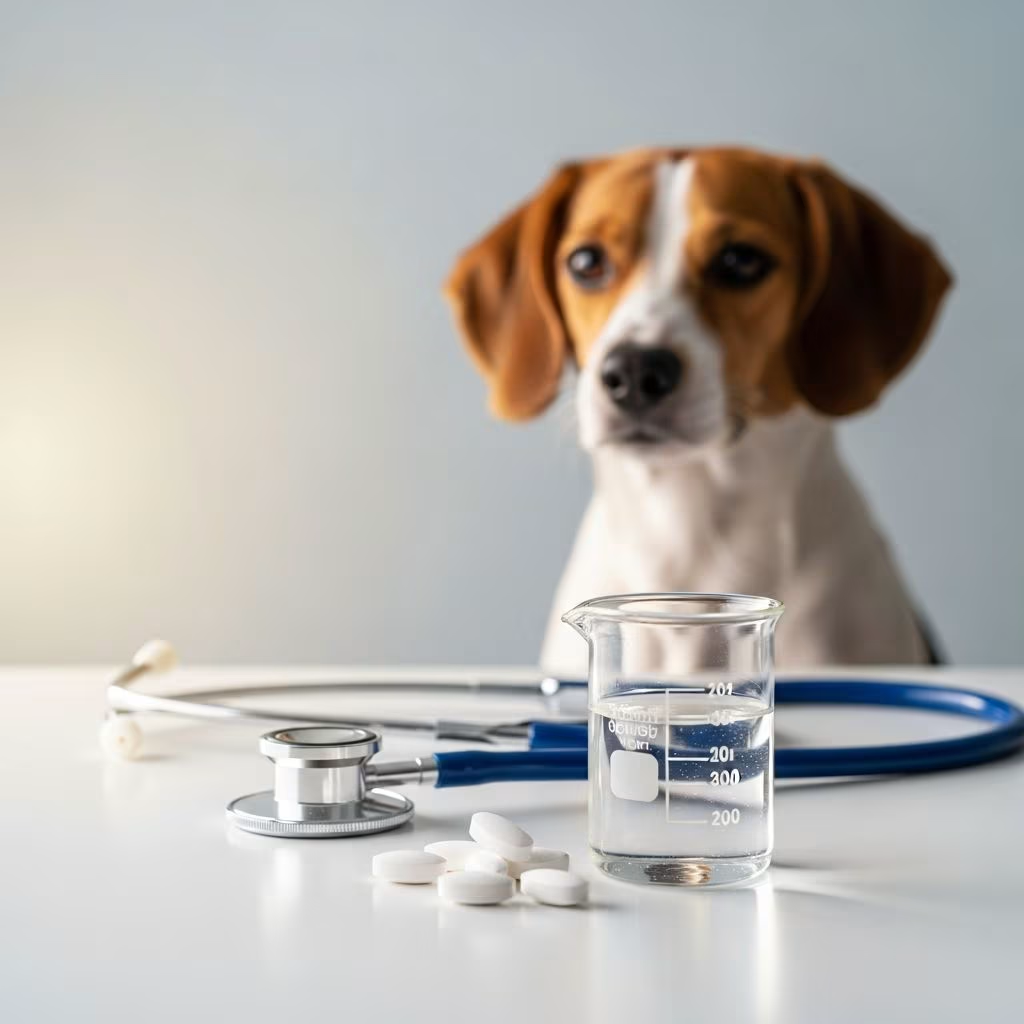
Sucralfate for Pets: A Complete Guide to Ulcer Treatment and Gastrointestinal Protection
Sucralfate, commonly known by its brand name Carafate, is an important medication used in veterinary medicine to treat and prevent ulcers affecting the gastrointestinal tract of dogs and cats. This prescription medication has become a cornerstone in managing various digestive health conditions in pets, offering relief and protection to animals suffering from gastric complications. Understanding how sucralfate works, when it should be prescribed, and how to properly administer it is essential for pet owners whose animals require this medication.
What is Sucralfate?
Sucralfate is an anti-ulcer medication that plays a vital role in protecting the delicate lining of the gastrointestinal tract in pets. The drug works through a unique mechanism of action that sets it apart from other ulcer-treating medications. When sucralfate comes into contact with the acidic environment of the stomach, it reacts with hydrochloric acid to form a protective paste-like substance. This paste specifically binds to ulcerated areas within the stomach and intestines, creating a barrier that shields these damaged regions from additional stomach acid exposure.
Think of sucralfate as a biological “Band-Aid” for your pet’s digestive tract. By forming this protective coating, the medication allows the underlying tissue to heal while preventing further erosion and inflammation. This mechanism makes sucralfate particularly effective for pets suffering from various gastrointestinal conditions that result in ulceration or erosion of the digestive tract lining.
Primary Uses of Sucralfate in Dogs and Cats
Sucralfate serves multiple therapeutic purposes in veterinary medicine, addressing various gastrointestinal conditions that can affect your beloved pets:
Ulcer Treatment and Prevention
The primary use of sucralfate involves treating and preventing ulcers that develop in the mouth, esophagus, stomach, and upper small intestine. Gastric ulcers and erosions are relatively common complications arising from several underlying conditions, including kidney failure, gastric bloat, prolonged corticosteroid use, and non-steroidal anti-inflammatory drug (NSAID) administration. When a veterinarian identifies ulcers or shallow erosions in the stomach lining through diagnostic procedures, sucralfate becomes an essential component of the treatment protocol.
Management of Gastric Inflammation
Beyond treating existing ulcers, sucralfate proves valuable in preventing gastritis (stomach inflammation) caused by ulcerogenic drugs, particularly aspirin and other NSAIDs. Pet owners administering these medications to their animals for pain relief or other therapeutic purposes can benefit from concurrent sucralfate therapy to minimize gastrointestinal complications.
Acid Reflux Disease Management
Sucralfate is also utilized in managing acid reflux disease in pets, where gastric contents and acid flow backward into the esophagus, causing significant irritation and damage. By protecting the esophageal lining from acid exposure, sucralfate reduces the associated discomfort and promotes healing of damaged tissue.
How Sucralfate is Supplied and Available
Sucralfate is available in multiple formulations to accommodate different pet sizes and individual administration preferences. The medication is supplied in scored tablets containing 1 gram (1,000 mg) of the active ingredient, making it easy to divide doses for smaller animals. Additionally, sucralfate is available as a liquid suspension in a concentration of 1 gram per 10 milliliters, providing an alternative for pets that have difficulty swallowing tablets or require more precise dosing adjustments.
It is important to note that sucralfate is a prescription medication available only through veterinary providers. While the drug is registered for use in humans under the brand name Carafate, no veterinary-specific formulations are commercially available. However, veterinarians may legally prescribe the human formulation as an extra-label medication in dogs and cats, as the Food and Drug Administration permits this practice under appropriate veterinary supervision.
Dosing Information for Dogs and Cats
Proper dosing is critical to ensuring sucralfate’s therapeutic effectiveness while minimizing potential complications. Dosing varies based on the pet’s weight and species:
Dosing Guidelines by Animal Type
| Animal Type | Typical Dose | Frequency |
|---|---|---|
| Small Dogs and Cats | 1/4 to 1/2 gram | Every 6 to 8 hours |
| Medium to Large Dogs | 1/2 to 1 gram | Every 6 to 8 hours |
| General Range | 250 mg to 1,000 mg | Every 6 to 12 hours |
Your veterinarian will determine the appropriate dose based on your specific pet’s weight, the condition being treated, and individual response to therapy. It is essential never to administer sucralfate without first consulting with your veterinarian to ensure the correct dosage for your animal.
Proper Administration and Important Precautions
Administration on an Empty Stomach
Sucralfate must be administered on an empty stomach to maximize its therapeutic effectiveness. The medication should be given at least one hour before meals or two hours after eating. This timing is crucial because food in the stomach can interfere with sucralfate’s ability to form its protective coating and bind to ulcerated areas. Additionally, sucralfate may inhibit the absorption of other medications, so it should not be administered within two hours of other drugs your pet is receiving.
Tablet Administration Methods
When using tablet formulations, veterinarians recommend crushing the tablet and dissolving it in a small amount of water to create a slurry before administering it to your pet by mouth. Sucralfate dissolves readily in water, and this method ensures the medication can be easily swallowed and reaches the stomach properly. Some pet owners find it helpful to draw the dissolved medication into a syringe for more controlled administration, particularly with uncooperative pets.
Medication Interactions
Pet owners should be aware that sucralfate may interact with certain other medications. Drugs known to potentially interact with sucralfate include tetracycline, cimetidine, and digoxin. Always inform your veterinarian of all medications and supplements your pet is currently receiving to avoid potentially harmful interactions. Your veterinarian will adjust the administration schedule as needed to minimize these concerns.
Timeline for Medication Effects
While sucralfate should begin taking effect within one to two hours of administration, complete therapeutic results may take considerably longer to manifest. In some cases, improvement may not be noticeable for several weeks, and occasionally, outward signs of improvement may not be evident at all despite the medication successfully protecting and healing the underlying tissue. This delayed response is normal and does not indicate treatment failure. It is crucial to continue administering the medication for the complete duration recommended by your veterinarian, even if you do not observe immediate improvements.
Potential Side Effects and Safety Considerations
While sucralfate is generally considered safe and well-tolerated in dogs and cats, some animals may experience mild side effects. The most commonly reported side effect is mild constipation, which is typically temporary and resolves without intervention as the pet’s system adjusts to the medication. Sucralfate should never be used in animals with known hypersensitivity or allergies to the drug or any of its components. Before starting sucralfate therapy, inform your veterinarian of any previous adverse reactions your pet has experienced with medications.
Duration of Treatment
The length of sucralfate administration depends on several factors, including the specific condition being treated, your pet’s individual response to the medication, and the development of any adverse effects. Even if your pet appears to be feeling better and showing clinical improvement, it is essential to complete the entire prescribed treatment course as directed by your veterinarian. Stopping medication prematurely can lead to relapse of the condition or development of treatment resistance, potentially requiring more aggressive intervention in the future.
Frequently Asked Questions About Sucralfate
Q: Why must sucralfate be given on an empty stomach?
A: Sucralfate requires an acidic environment and direct contact with the stomach lining to form its protective paste and bind to ulcerated areas. Food in the stomach can interfere with this process and reduce the medication’s effectiveness. Additionally, food may prevent sucralfate from reaching affected areas properly.
Q: Can I crush sucralfate tablets for my pet?
A: Yes, crushing sucralfate tablets and dissolving them in water is actually recommended. This creates a slurry that is easier for pets to swallow and ensures the medication reaches the stomach properly. Never give tablets whole to pets that have difficulty swallowing.
Q: How long does it take for sucralfate to work?
A: Sucralfate begins working within one to two hours, but visible clinical improvement may take several weeks. Outward signs of improvement may not always be apparent, even though the medication is effectively protecting and healing the digestive tract.
Q: What should I do if I miss a dose?
A: If you miss a dose, give it as soon as you remember, provided it is not close to the next scheduled dose. Never double up on doses to make up for a missed one. Always consult your veterinarian with specific questions about missed doses.
Q: Can sucralfate interact with other medications?
A: Yes, sucralfate may interact with several medications, including tetracycline, cimetidine, and digoxin. Always inform your veterinarian of all medications your pet is receiving so they can adjust administration schedules appropriately.
Q: Is sucralfate safe for long-term use in pets?
A: Sucralfate is generally safe for long-term use when prescribed by a veterinarian. However, your veterinarian will determine the appropriate treatment duration based on your pet’s specific condition and response to therapy.
Q: What are the signs that sucralfate is working?
A: Signs include reduced vomiting, improved appetite, decreased abdominal discomfort, and overall improvement in your pet’s wellbeing. However, some improvements may occur at the cellular level without obvious external signs.
References
- Sucralfate (Carafate) for Dogs and Cats: Uses, Dosage & Side Effects — PetPlace. 2024. https://www.petplace.com/article/drug-library/drug-library/library/sucralfate-carafate-for-dogs-and-cats
- Sucralfate for Dogs: Uses, Dosage, Side Effects — GoodRx Pet Health. 2024. https://www.goodrx.com/pet-health/dog/sucralfate-for-dogs
- Antiulcerative Drugs — Merck Veterinary Manual. 2024. https://www.merckvetmanual.com/multimedia/table/antiulcerative-drugs
- Sucralfate — VCA Animal Hospitals. 2024. https://vcahospitals.com/know-your-pet/sucralfate
- Sucralfate | Dog, Cat, Pet Medication — PetMD. 2024. https://www.petmd.com/pet-medication/sucralfate
- Sucralfate for Pets | Ulcer & GI Protection — Remedy Veterinary Solutions. 2024. https://www.remedyvets.com/sucralfate



