

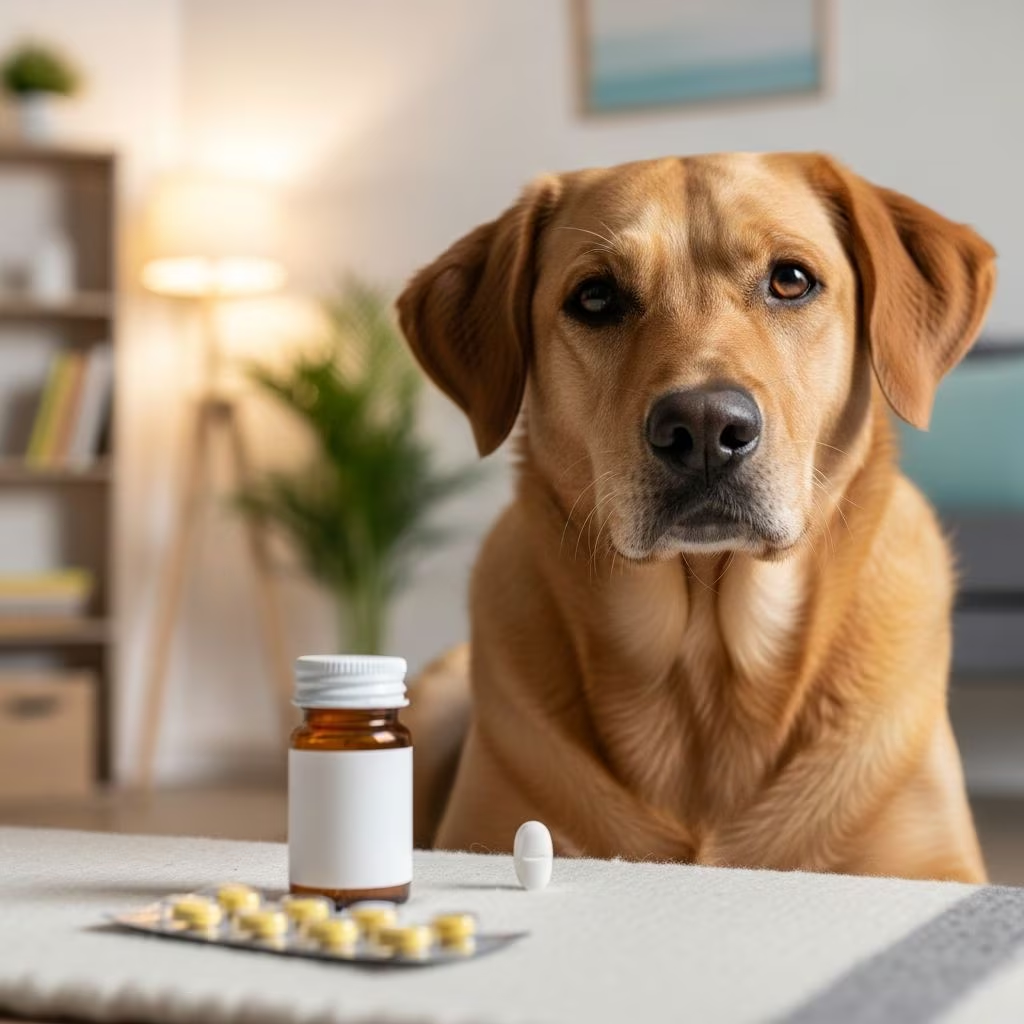
Sucralfate, marketed as Carafate, serves as a vital gastrointestinal protectant for dogs, forming a protective barrier over ulcers in the mouth, esophagus, stomach, and intestines to promote healing and prevent further damage.
Understanding Gastrointestinal Ulcers in Canines
Dogs can develop painful ulcers throughout their digestive system due to various triggers. These open sores erode the protective lining, exposing tissues to harsh stomach acids and enzymes. Common sites include the oral cavity from dental issues, the esophagus from acid reflux, the stomach from medications or stress, and the upper intestines from infections or toxins.
Recognizing symptoms early is crucial. Watch for signs like excessive drooling, reluctance to eat, vomiting (sometimes bloody), dark tarry stools indicating digested blood, abdominal pain shown by hunching or whining, and lethargy. Chronic conditions such as kidney disease, gastric dilatation-volvulus (bloat), or long-term use of NSAIDs like ibuprofen heighten ulcer risk.
How Sucralfate Works to Protect Your Dog
In the acidic environment of a dog’s stomach, sucralfate undergoes a transformation. It reacts with hydrochloric acid to create a thick, viscous paste that adheres specifically to damaged mucosal surfaces. This paste acts like a natural bandage, shielding ulcers from pepsin, bile, and further acid exposure while allowing the underlying tissue to regenerate.
Unlike antacids that neutralize acid temporarily, sucralfate provides localized, prolonged protection—up to six hours per dose. It also stimulates prostaglandin production, enhancing blood flow and mucus secretion for faster repair. This mechanism makes it ideal for both treatment and prevention in at-risk dogs.
Common Causes of Ulcers Requiring Sucralfate Intervention
- Medication-Induced Damage: NSAIDs (e.g., aspirin, ibuprofen) inhibit protective prostaglandins, leading to erosions. Steroids like prednisone exacerbate this risk.
- Underlying Diseases: Chronic kidney failure causes uremic gastritis; liver issues promote bile reflux; inflammatory bowel disease creates persistent inflammation.
- Toxicity and Trauma: Ingestion of corrosives, rat poisons, or foreign bodies irritates linings. Stress from travel or hospitalization can trigger acute ulcers.
- Acid Reflux (GERD): Weak esophageal sphincters allow stomach contents to backflow, inflaming the esophagus (esophagitis).
Standard Dosing Protocols for Canine Patients
Veterinarians tailor sucralfate doses based on a dog’s size, condition severity, and concurrent therapies. General guidelines recommend administering on an empty stomach—ideally one hour before meals or two hours after—to maximize adherence to ulcer sites.
| Dog Size | Typical Dose per Administration | Frequency |
|---|---|---|
| Small (<20 lbs) | 1/4 to 1/2 gram | Every 6-8 hours |
| Medium (20-50 lbs) | 1/2 gram | Every 6-8 hours |
| Large (>50 lbs) | 1/2 to 1 gram | Every 6-8 hours |
Tablets (usually 1 gram) must be dissolved in water for easier administration, especially for smaller dogs. Use a syringe: crush the tablet, mix with 1-3 ml water into a slurry, and deliver orally. Oral suspensions are available via compounding pharmacies for picky eaters. Treatment durations vary from 1-4 weeks, with follow-up endoscopy if needed.
Safe Administration Techniques and Tips
Timing is key: space sucralfate at least two hours from other oral medications to avoid binding interactions. For multi-drug regimens, give sucralfate last.
- Hide in pill pockets or mix with low-protein treats if not dissolving.
- Monitor stool for constipation; increase fiber or water intake if occurs.
- Store at room temperature, away from moisture.
- Compounded flavored liquids improve compliance in finicky dogs.
Never adjust doses without veterinary guidance, as under-dosing reduces efficacy and over-dosing risks aluminum accumulation in kidney-compromised dogs.
Potential Side Effects and Management Strategies
Sucralfate boasts an excellent safety profile, with constipation as the primary side effect in about 2-4% of cases—typically mild and self-resolving.
- Constipation: Dose-related; mitigate with pumpkin puree, exercise, or lactulose.
- Rare Aluminum Toxicity: In renal failure patients, monitor blood levels.
- Vomiting: Uncommon; indicates improper timing or underlying issues.
No significant allergic reactions reported, but discontinue if hypersensitivity signs (itching, swelling) appear. Sucralfate minimally absorbs systemically, minimizing drug interactions beyond binding.
Drug Interactions and Contraindications
Sucralfate can bind to other drugs in the GI tract, reducing their absorption:
- Tetracyclines, fluoroquinolones: Separate by 2 hours.
- Digoxin, phenytoin, warfarin: Monitor levels.
- Cimetidine, ketoconazole: Potential reduced efficacy.
Contraindicated in dogs with hypersensitivity. Use cautiously in dehydrated or renal-impaired patients due to aluminum content. Not for long-term phosphate binding without monitoring.
When to Seek Veterinary Care Urgently
Contact your vet immediately if your dog shows profuse bloody vomiting, pale gums, collapse, or unrelenting pain—these signal hemorrhage or perforation. Routine check-ins ensure healing; bloodwork assesses for anemia or electrolyte shifts.
Alternatives and Complementary Therapies
Proton pump inhibitors (PPIs) like omeprazole suppress acid production more potently for severe cases, often combined with sucralfate for synergy. Misoprostol counters NSAID damage; H2 blockers like famotidine offer milder protection. Supportive care includes bland diets (boiled chicken/rice), probiotics, and B vitamins.
| Treatment | Mechanism | Best For |
|---|---|---|
| Sucralfate | Barrier formation | Prevention, mild ulcers |
| Omeprazole | Acid suppression | Severe/bleeding ulcers |
| Misoprostol | Prostaglandin analog | NSAID prophylaxis |
Preventive Strategies for Ulcer-Prone Dogs
- Switch to gastroprotective NSAIDs (e.g., firocoxib).
- Feed smaller, frequent meals to buffer acids.
- Manage stress with routines, pheromone diffusers.
- Annual dental cleanings prevent oral ulcers.
Frequently Asked Questions (FAQs)
Can sucralfate be given with food?
No, administer on an empty stomach for optimal binding.
Is sucralfate safe for puppies?
Use under vet supervision; dose proportionally lower.
How long until sucralfate works?
Paste forms immediately; healing visible in days, full repair in weeks.
Does sucralfate treat vomiting alone?
No, addresses underlying ulcers; pair with antiemetics if needed.
Can cats receive dog sucralfate doses?
Similar protocols, but consult vet for species-specific adjustments.
Long-Term Management and Monitoring
For dogs on chronic medications or with predisposing conditions, sucralfate may be cycled preventively. Regular fecal occult blood tests, ultrasounds, or endoscopies track progress. Nutritional support with omega-3s and antioxidants bolsters mucosal integrity.
Pet insurance can offset costs for diagnostics and meds. Always prioritize FDA-approved alternatives when possible, though sucralfate’s off-label status doesn’t diminish its proven utility.
References
- Sucralfate (Carafate) for Dogs and Cats: Uses, Dosage & Side Effects — PetPlace. 2023. https://www.petplace.com/article/drug-library/drug-library/library/sucralfate-carafate-for-dogs-and-cats
- Sucralfate for Dogs: Uses, Dosage, Side Effects — GoodRx. 2024-01-15. https://www.goodrx.com/pet-health/dog/sucralfate-for-dogs
- Sucralfate for Dogs and Cats — WebMD Pets. 2023. https://www.webmd.com/pets/pet-meds/sucralfate-dogs-cats
- Sucralfate For Veterinary Use — Avrio Pharmacy. 2024. https://avriorx.com/sucralfate-for-veterinary-use/
- Sucralfate May Help with GI Problems in Dogs — Whole Dog Journal. 2023-05-10. https://www.whole-dog-journal.com/health/sucralfate-may-help-with-gi-problems-in-dogs/
- Sucralfate for Dogs and Cats — Remedy Veterinary Specialists. 2024. https://www.remedyvets.com/sucralfate



