

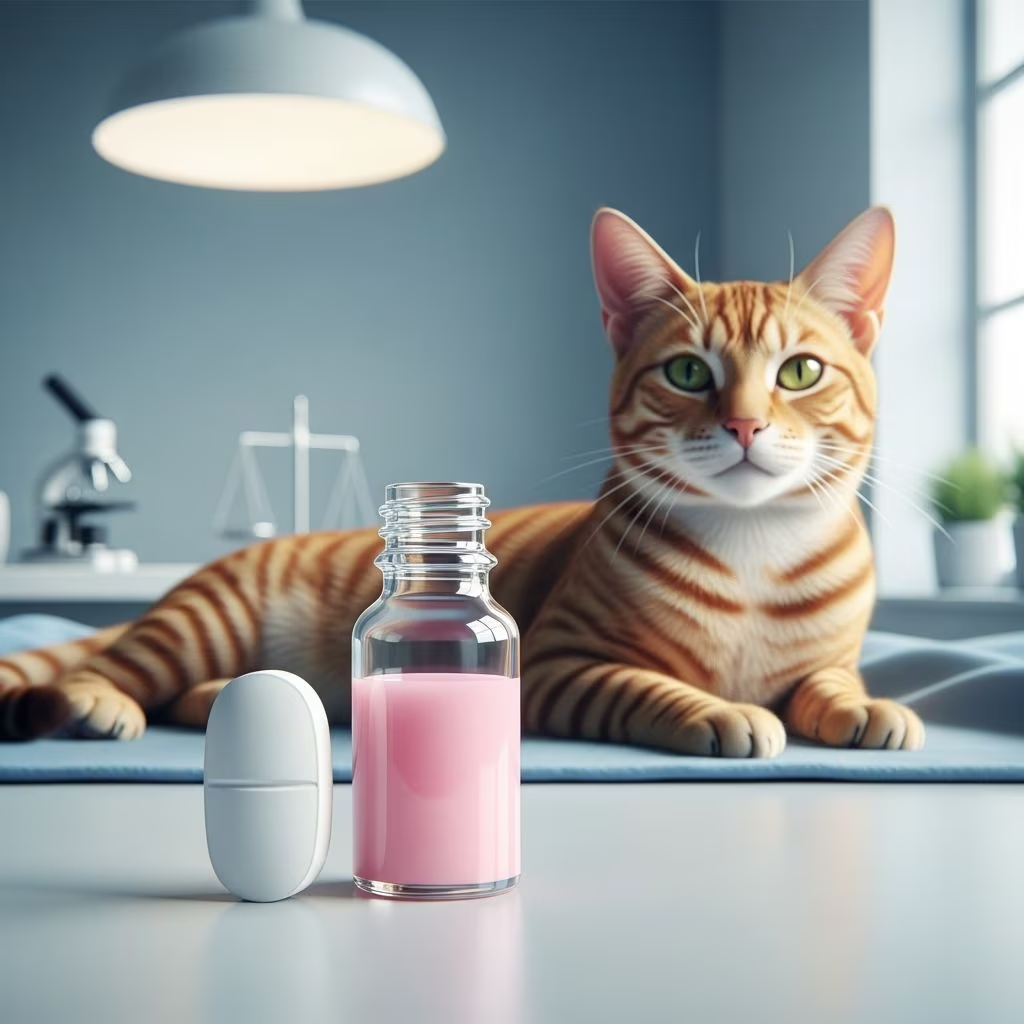
Sucralfate serves as a key gastrointestinal protectant for cats, forming a protective barrier over ulcers in the mouth, esophagus, stomach, and intestines to promote healing. This medication, often branded as Carafate, reacts with stomach acid to create a paste-like coating that shields damaged tissues from further irritation.
Understanding Sucralfate’s Mechanism in Feline Digestion
In cats, the digestive system can suffer from ulcers due to various stressors, and sucralfate addresses this by binding to eroded areas. When ingested, it combines with hydrochloric acid in the stomach, transforming into a viscous substance that adheres tightly to ulcer sites. This barrier not only blocks acid exposure but also fosters an environment conducive to tissue repair, acting much like a natural bandage for the GI tract.
Unlike antacids that neutralize acid, sucralfate focuses on physical protection, making it ideal for conditions involving erosions or inflammation without altering overall pH levels significantly. Veterinary studies and clinical observations confirm its efficacy in felines, where it starts working within one to two hours of administration.
Primary Applications in Feline Veterinary Care
Veterinarians prescribe sucralfate for cats facing oral ulcers, esophagitis, gastritis, or intestinal erosions. Common triggers include kidney disease, which heightens ulcer risk, alongside medications like NSAIDs or steroids that compromise the stomach lining.
- Oral and esophageal protection: Coats mouth sores from stomatitis or reflux-induced throat damage.
- Stomach and duodenal ulcers: Prevents worsening from acid or toxin exposure, such as in poisoning cases.
- Adjunct therapy: Supports healing during treatment with ulcerogenic drugs like aspirin or in chronic conditions like liver failure.
- Phosphate binding: Occasionally used in renal cases to help regulate blood phosphorus.
Its off-label status in pets means it’s prescribed based on established veterinary protocols rather than FDA animal approval, ensuring safe application under professional guidance.
Administering Sucralfate: Dosage and Best Practices
Dosing for cats typically ranges from 0.25 to 0.5 grams every 6 to 8 hours, adjusted by a veterinarian based on the cat’s size and condition severity. The liquid suspension is preferred for better absorption, though tablets can be crushed into a slurry with water for easier delivery.
| Cat Size | Typical Dose | Frequency | Form |
|---|---|---|---|
| Small (under 5 lbs) | 0.25 g | Every 8 hours | Liquid or crushed tablet |
| Medium (5-10 lbs) | 0.25-0.5 g | Every 6-8 hours | Liquid preferred |
| Large (over 10 lbs) | 0.5 g | Every 6 hours | Consult vet for slurry |
Administer on an empty stomach, at least two hours before or after meals, to maximize adherence to ulcer sites. Consistency in scheduling aids compliance, especially with multi-dose regimens.
Potential Side Effects and Safety Considerations
Sucralfate is generally well-tolerated in cats, with rare mild effects like constipation or occasional vomiting post-dose. Caution is advised for cats with pre-existing constipation, kidney issues, or slowed GI motility, as it may exacerbate these.
- Constipation risk: Monitor stool; increase fiber or hydration if needed.
- Kidney disease: Use cautiously due to aluminum content absorption potential.
- Pregnancy/nursing: Safety unestablished; discuss alternatives with vet.
Always disclose full medication history, as sucralfate can interact with others.
Key Drug Interactions to Watch For
Sucralfate may bind to other medications, reducing their absorption. Separate doses by at least 30 minutes to two hours from:
- Antacids (e.g., those with aluminum, calcium, magnesium), which diminish sucralfate’s efficacy and increase aluminum uptake.
- Antibiotics like tetracycline or fluoroquinolones.
- Digoxin or phenytoin, requiring timing adjustments.
Veterinary oversight ensures safe concurrent therapies.
Monitoring Your Cat’s Response and When to Seek Help
Observe for improved appetite, reduced vomiting, or less lethargy within days. Persistent symptoms warrant a vet revisit for diagnostics like endoscopy. Regular bloodwork checks phosphorus in renal cases. Storage tip: Keep liquid at room temperature, shaking well before use; tablets in a cool, dry place.
Alternatives and Complementary Therapies
While sucralfate excels in protection, vets may pair it with proton pump inhibitors like omeprazole for acid reduction or misoprostol for NSAID protection. Dietary changes, such as bland diets or probiotics, support recovery. Never self-medicate; professional diagnosis guides holistic plans.
Frequently Asked Questions (FAQs)
Can all cats take sucralfate?
No, avoid in those allergic or with severe constipation; vet approval is essential.
How quickly does sucralfate work in cats?
Effects begin in 1-2 hours, with ulcer healing over days to weeks.
Is sucralfate safe long-term for cats?
Short-term use is standard; long-term requires monitoring for side effects like constipation.
What if my cat refuses the liquid form?
Crush tablets into water for a slurry, syringing carefully to ensure full dose.
Does sucralfate treat all stomach issues in cats?
It targets ulcers and erosions primarily; other issues need specific diagnostics.
References
- Sucralfate (Carafate) for Dogs and Cats: Uses, Dosage & … — PetPlace. Accessed 2026. https://www.petplace.com/article/drug-library/drug-library/library/sucralfate-carafate-for-dogs-and-cats
- Sucralfate for Dogs and Cats — WebMD Pets. Accessed 2026. https://www.webmd.com/pets/pet-meds/sucralfate-dogs-cats
- Sucralfate – Oral Suspension (Dogs) Sucralfate – Tablet (Cats) … — Elma Vets (PDF). 2023. https://elmavets.com/sites/site-7443/documents/Dug%20Sheets/Sucralfate.pdf
- Comprehensive Vet Guide 2025: Sucralfate for Dogs & Cats — Ask A Vet. 2025. https://askavet.com/blogs/news/comprehensive-vet-guide-2025-sucralfate-for-dogs-cats-healing-gi-ulcers-%F0%9F%90%BE%F0%9F%92%8A
- Sucralfate | Dog, Cat, Pet Medication – PetMD — PetMD. Accessed 2026. https://www.petmd.com/pet-medication/sucralfate
- Sucralfate — Brilliant Vets (PDF). 2025-03-10. https://brilliantvets.com/wp-content/uploads/2025/03/Handout_2025-03-10_11-43-13.pdf
- Sucralfate — VCA Animal Hospitals. Accessed 2026. https://vcahospitals.com/know-your-pet/sucralfate



