

Sucralfate serves as a key medication in managing gastrointestinal disorders in dogs by forming a protective coating over damaged tissues in the stomach and intestines. This approach aids healing without directly altering acid levels, making it a targeted therapy for conditions like ulcers and inflammation.
Understanding the Medication’s Mechanism
Sucralfate, often recognized under brand names like Carafate, is a compound that reacts with stomach acids to create a thick, adhesive paste. This paste adheres specifically to ulcerated or eroded surfaces in the mouth, esophagus, stomach, or intestines, shielding them from further irritation by digestive enzymes, bile, and acids. By acting like a natural bandage, it promotes tissue repair and reduces pain associated with these lesions.
The drug’s localized action means it primarily benefits the affected areas without widespread systemic effects. It binds proteins in damaged tissues, enhancing its stickiness and duration of protection, which can last several hours per dose. This makes sucralfate particularly valuable for dogs experiencing acute GI distress from various triggers.
Primary Applications in Veterinary Care
Veterinarians prescribe sucralfate for several common canine GI conditions:
- Gastric and Duodenal Ulcers: These painful sores often result from prolonged NSAID use, steroid therapy, or stress-related factors. Sucralfate helps prevent perforation and speeds recovery.
- Gastritis: Inflammation of the stomach lining, triggered by infections, toxins, or dietary indiscretions, finds relief through the protective barrier that allows the mucosa to regenerate.
- Esophageal Erosions: From acid reflux or ingestion of irritants, the coating prevents further damage while healing occurs.
- Support in Chronic Conditions: In kidney disease cases, it may assist in phosphorus regulation alongside ulcer prevention.
Additionally, sucralfate proves useful in preventing ulcers induced by ulcerogenic drugs like aspirin, offering a preventive layer during necessary treatments.
Dosage Guidelines for Dogs
Dosing varies by the dog’s size, condition severity, and veterinary instructions. General protocols include:
| Dog Size | Typical Dose | Frequency |
|---|---|---|
| Small (under 20 lbs) | 1/4 to 1/2 gram | Every 6-8 hours |
| Medium (20-50 lbs) | 1/2 gram | Every 6-8 hours |
| Large (over 50 lbs) | 1/2 to 1 gram | Every 6-8 hours |
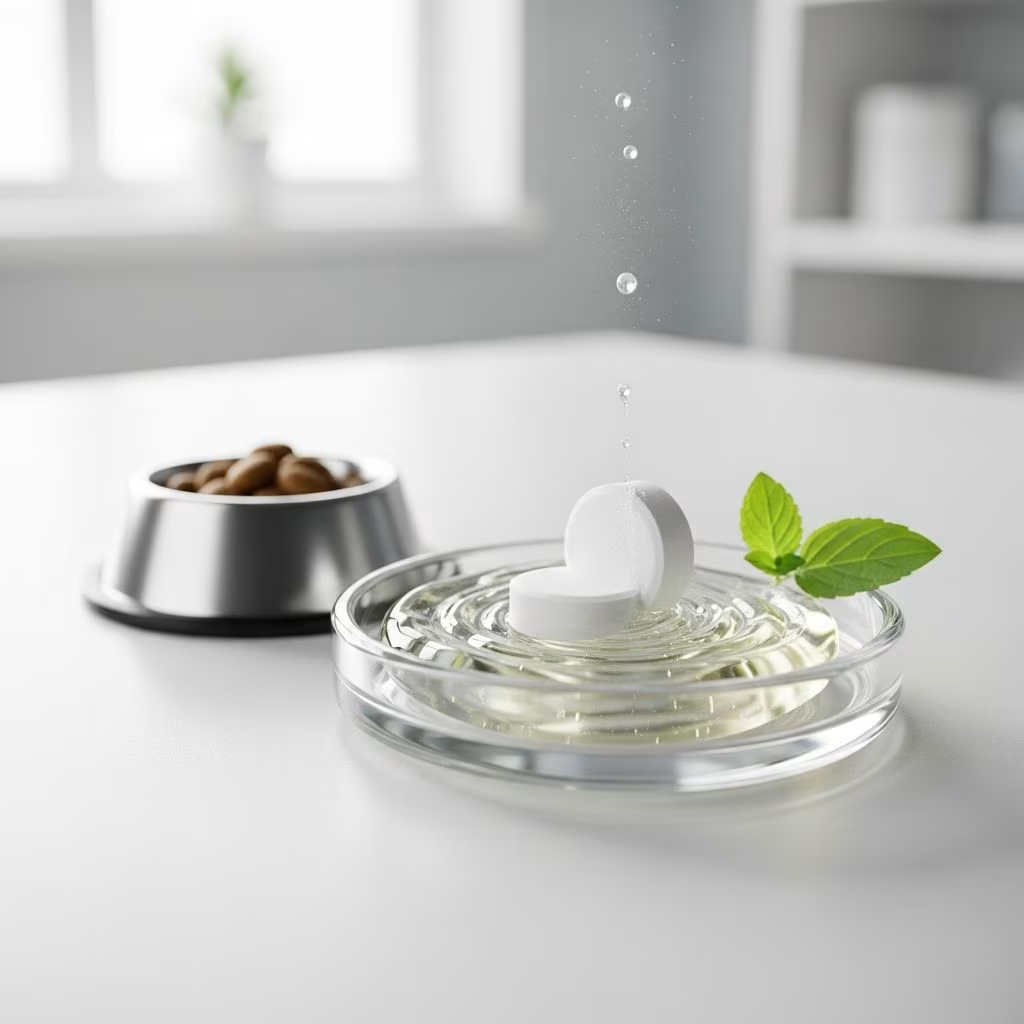
Administer on an empty stomach—ideally one hour before or two hours after meals—for maximum adherence to damaged sites. Tablets can be dissolved in water for easier oral delivery via syringe, especially for picky eaters.
Treatment duration typically spans weeks, with noticeable improvements in 1-2 hours but full healing requiring consistent use. Never adjust doses without veterinary consultation, as sucralfate is an extra-label drug not FDA-approved specifically for animals.
Administration Best Practices
To optimize efficacy:
- Give strictly on an empty stomach to avoid food interference.
- Separate from other medications by 2 hours, as sucralfate can bind and reduce absorption of drugs like tetracyclines, digoxin, or cimetidine.
- For tablets, crush and mix into a warm water slurry if liquid form isn’t available; administer immediately.
- Monitor intake of water to counteract potential drying effects.
Compounded versions may be recommended for precise dosing or palatability issues, prepared by licensed pharmacists.
Recognizing and Managing Side Effects
Sucralfate is well-tolerated in most dogs, with rare adverse reactions. Common issues include:
- Constipation: The most frequent, often mild and resolved by increasing fiber or water intake.
- Appetite Fluctuations: Temporary changes; persistent issues warrant a vet check.
- Allergic Reactions: Rare hypersensitivity manifesting as vomiting or lethargy—discontinue and seek care.
No severe toxicities are reported at standard doses, but overdoses may amplify constipation. Always inform vets of concurrent medications to avoid interactions.
When to Consult a Veterinarian
Seek professional advice if your dog shows signs of GI distress such as vomiting blood, black tarry stools, abdominal pain, or unexplained weight loss. Sucralfate complements diagnostics like endoscopy for confirming ulcers. Regular follow-ups ensure progress and dosage tweaks.
Pregnant or nursing dogs require caution, as safety data is limited. Hypersensitive animals should avoid it entirely.
Complementary Therapies and Lifestyle Adjustments
Pair sucralfate with:
- Blended or soft diets to minimize irritation.
- Probiotics for gut flora balance.
- Stress reduction via routine and enrichment.
- Acid reducers like omeprazole if prescribed, timed appropriately.
Avoid NSAIDs during treatment unless unavoidable, opting for vet-approved alternatives.
FAQs on Sucralfate Use in Dogs
How quickly does sucralfate work for dog ulcers?
Effects begin in 1-2 hours by coating lesions, but full healing takes days to weeks.
Can I give sucralfate with food?
No—empty stomach dosing is crucial for proper adherence.
Is sucralfate safe for puppies or senior dogs?
Yes, with vet-adjusted dosing; monitor closely in vulnerable pets.
What if my dog refuses the medication?
Try slurry form or compounding for flavoring; consult for alternatives.
Does sucralfate treat all stomach issues?
No, it’s specific for ulcers and erosions; other causes need different therapies.
Long-Term Management Strategies
For recurrent GI problems, integrate sucralfate into a broader plan including dietary trials (e.g., hydrolyzed protein foods), routine deworming, and annual bloodwork to catch underlying issues like kidney disease early. Owners report improved quality of life with consistent use, reducing emergency visits.
Storage tip: Keep at room temperature, away from moisture, with a shelf life of years if unopened.
References
- Sucralfate for Dogs: Uses, Benefits, and Side Effects — AvrioRx. 2023. https://avriorx.com/sucralfate-for-dogs-uses-benefits-and-side-effects/
- Sucralfate (Carafate) for Dogs and Cats — PetPlace. 2024-01-15. https://www.petplace.com/article/drug-library/drug-library/library/sucralfate-carafate-for-dogs-and-cats
- Sucralfate for Pets | Ulcer & GI Protection — Remedy Vets. 2023. https://www.remedyvets.com/sucralfate
- Sucralfate Tablets for Dogs and Cats — VetRxDirect. 2024. https://www.vetrxdirect.com/product/view/sucralfate-tablets-for-dogs-and-cats-rx
- Sucralfate — RRVP. 2023. https://www.rrvp.com/sucralfate
- Sucralfate — VCA Animal Hospitals. 2025-02-01. https://vcahospitals.com/know-your-pet/sucralfate
- Sucralfate | Dog, Cat, Pet Medication — PetMD. 2024-06-10. https://www.petmd.com/pet-medication/sucralfate



