
Sucralfate for Canine Digestive Health
Protective barrier medication for treating canine gastrointestinal ulcers and inflammation
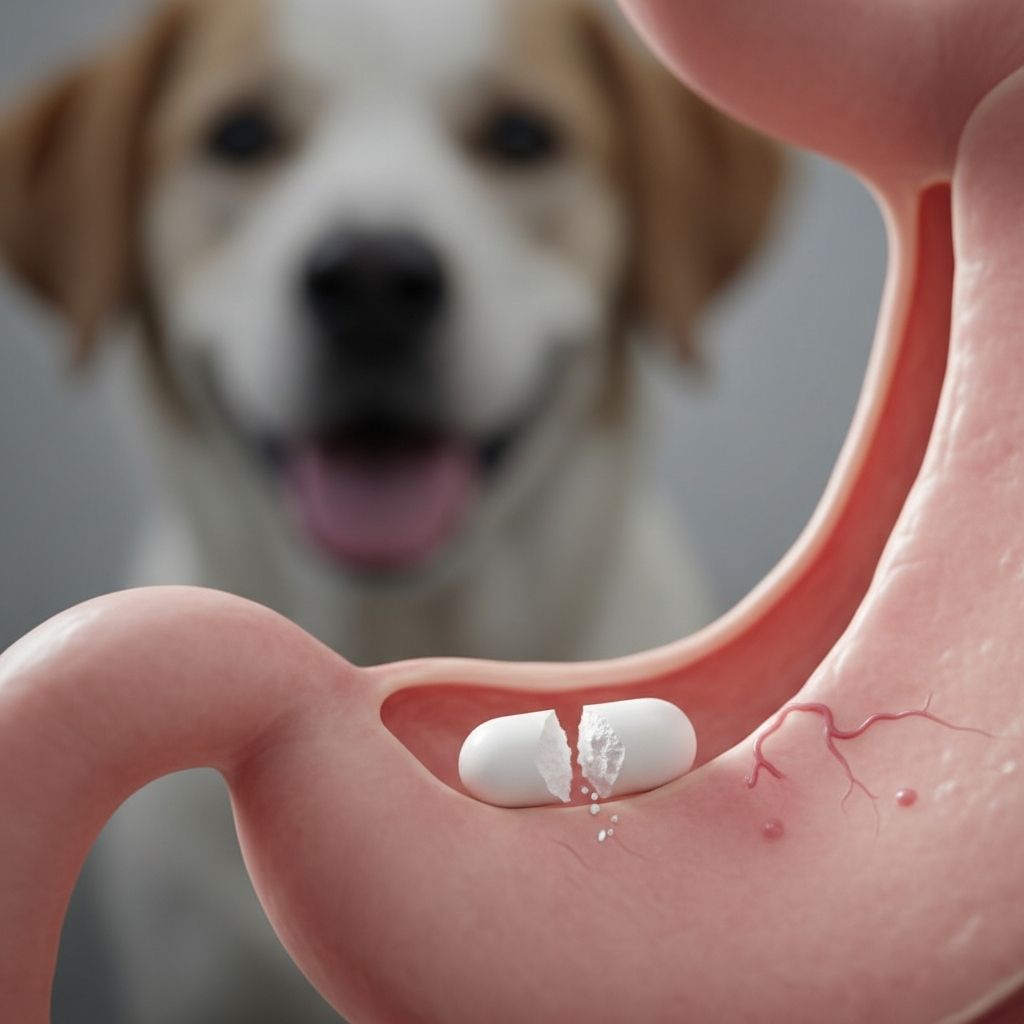
Understanding Sucralfate: A Protective Solution for Your Dog’s Digestive Tract
When your dog experiences gastrointestinal distress, veterinarians often turn to medications that address the underlying problem rather than merely masking symptoms. Sucralfate represents one such therapeutic option, offering a unique protective mechanism that helps damaged tissues heal from the inside out. Originally developed as a human pharmaceutical for treating intestinal ulcers, this medication has found its way into veterinary practice as an effective off-label treatment for various canine digestive ailments.
What Is Sucralfate and How Does It Work?
Sucralfate is a complex salt compound that functions fundamentally differently from other gastrointestinal medications. Rather than reducing stomach acid or neutralizing existing acid, sucralfate works as a physical barrier, creating a protective coating over damaged areas within the digestive tract. This mechanism allows injured tissues to heal by shielding them from continued irritation and acidic exposure.
When sucralfate enters the stomach, it undergoes a chemical separation into two distinct compounds: sucrose octasulfate and aluminum hydroxide. The sucrose octasulfate component is responsible for the primary protective action, adhering directly to erosions and ulcerated tissues. This adhesion creates a band-aid-like covering that persists until the underlying tissue regenerates.
Additionally, sucrose octasulfate can absorb bile acids and stimulates the production of prostaglandins within the stomach’s mucous lining. These prostaglandins act as natural protectants for the stomach’s epithelial cells. Simultaneously, the aluminum hydroxide component provides secondary benefits by helping manage acid indigestion, offering complementary relief to your dog’s digestive discomfort.
Clinical Applications in Canine Medicine
Veterinarians prescribe sucralfate to address multiple conditions affecting the canine gastrointestinal system. The medication demonstrates effectiveness across various anatomical locations within the digestive tract, from the oral cavity through the small intestine and potentially extending to the colon.
Primary Conditions Treated with Sucralfate
- Gastric ulcers: Erosions in the stomach lining that cause pain and potential bleeding
- Esophageal erosions: Damage to the esophageal tissue often resulting from acid reflux or foreign material
- Oral ulcerations: Sores within the mouth that may stem from various underlying causes
- Inflammatory bowel disease: Chronic inflammation affecting the intestinal tract
- Gastritis: General inflammation of the stomach lining causing vomiting and discomfort
- Stress-related mucosal disease: Ulcerations that develop secondary to severe illness or trauma
Dogs presenting with certain clinical signs often benefit from sucralfate therapy. Symptoms warranting consideration include vomiting (particularly hemoptysis or blood-tinged vomit), significantly decreased appetite, apparent abdominal pain, and behavioral changes indicating digestive distress.
Medication Names and Availability
Sucralfate carries multiple brand names in human pharmaceutical markets, with Carafate and Sulcrate being the most commonly recognized. When your veterinarian prescribes this medication, they may reference any of these brand names or the generic sucralfate designation. The medication is typically available in tablet form, which presents certain practical considerations for administration to dogs.
Important Drug Interactions and Absorption Issues
The protective barrier that makes sucralfate therapeutically valuable creates a significant clinical consideration: this same coating can substantially interfere with the absorption of numerous other medications. Understanding these interactions is crucial for ensuring the effectiveness of your dog’s entire pharmaceutical regimen.
Medications Affected by Sucralfate
| Medication Class | Examples | Absorption Impact |
|---|---|---|
| Fluoroquinolone Antibiotics | Enrofloxacin, Ciprofloxacin | Significantly decreased |
| Tetracycline Antibiotics | Doxycycline, Tetracycline | Significantly decreased |
| Antifungal Medications | Ketoconazole | Significantly decreased |
| Fat-Soluble Vitamins | Vitamins A, D, E, K | Decreased absorption |
| Thyroid Medications | Levothyroxine | Decreased absorption |
To minimize these interactions, sucralfate should be administered on a strictly empty stomach, separated by at least two hours before and after other medications or food. Your veterinarian may need to adjust dosages of concurrently prescribed medications to compensate for reduced absorption rates. Always inform your vet about all supplements, medications, and dietary changes before beginning sucralfate therapy.
Potential Side Effects and Safety Considerations
While sucralfate is generally well-tolerated by most dogs, certain side effects warrant attention and monitoring. Understanding these potential reactions helps you identify problems early and communicate effectively with your veterinarian.
Common Side Effects
Constipation represents the most frequently reported side effect, occurring because sucralfate can reduce intestinal motility and bind water in the digestive tract. This makes sucralfate inappropriate for dogs already experiencing constipation problems, as it would exacerbate the condition. To manage constipation during sucralfate treatment, veterinarians often recommend dietary supplementation with canned pumpkin (approximately one to two tablespoons per ten pounds of body weight), assuming your dog isn’t on a specialized dietary protocol.
Some dogs experience the opposite effect, developing diarrhea during sucralfate therapy. Additional potential reactions include decreased appetite, lethargy, or behavioral changes. Rarely, dogs develop allergic responses manifesting as hives, facial swelling, or respiratory difficulty.
Special Cautions and Contraindications
Sucralfate should not be used in dogs with existing constipation issues, as previously mentioned. Additionally, caution is warranted in dogs with compromised renal function. While the aluminum content in sucralfate is unlikely to cause serious problems in dogs with normal kidney function, those with known renal disease should avoid this medication or use it only under close veterinary supervision.
Pregnant or nursing dogs represent another population requiring careful consideration, as the safety profile during pregnancy and lactation hasn’t been thoroughly established in veterinary literature. Discuss reproductive status with your veterinarian before initiating treatment.
Comparison with Alternative Gastroprotective Agents
Sucralfate is not the only medication available for protecting the canine digestive tract. The American College of Veterinary Internal Medicine recommends proton pump inhibitors, such as omeprazole, as first-line therapy for treating gastric ulcers and erosions. These medications reduce acid production rather than simply coating existing damage.
Sucralfate offers distinct advantages in specific situations: it provides a physical barrier without systemic effects, since it’s not absorbed into the bloodstream. This makes it suitable for dogs with certain underlying conditions that contraindicate acid-reduction medications. However, sucralfate is less potent than proton pump inhibitors and provides minimal analgesic (pain-relieving) properties. Your veterinarian will determine which medication best suits your individual dog’s condition based on the underlying cause of gastrointestinal dysfunction and your dog’s overall health status.
Practical Administration Considerations
Successfully administering sucralfate requires attention to specific practical details. The medication comes in tablet form, which can present challenges for dog owners. Crushing tablets for administration must be done carefully, as the powder consistency makes delivery challenging for many dogs. Investing in a quality mortar and pestle can simplify this process significantly.
Sucralfate requires dosing two to four times daily on a strictly empty stomach, necessitating careful scheduling around your work and daily routine. Tracking medication timing becomes essential to ensure consistent therapeutic coverage and to maintain proper spacing from food and other medications. Setting phone reminders or using medication tracking applications can help maintain compliance with this demanding schedule.
Understanding Sucralfate’s Mechanism of Protection
The protective mechanism underlying sucralfate’s effectiveness involves several sophisticated biological processes. When applied to ulcerated or eroded tissue, sucralfate doesn’t simply sit passively on the surface. Instead, it binds to proteins within damaged areas, creating an adherent film that can persist for up to six hours after administration.
This coating mechanism works particularly well in acidic environments, where the protective barrier remains intact. The medication essentially creates a microenvironment conducive to healing, shielding sensitive tissue from ongoing acid exposure while allowing regeneration to occur. Research conducted on ex vivo models of canine gastric tissue demonstrated that sucralfate effectively restored defects in the gastric barrier function induced by acid exposure and accelerated repair of tissues subjected to acid injury, suggesting substantial therapeutic potential for stress-related mucosal diseases in dogs.
When Your Veterinarian Recommends Sucralfate
Your veterinarian may recommend sucralfate in various clinical scenarios. Dogs presenting with hemoptysis (vomiting blood), significant appetite loss, or apparent abdominal pain warrant investigation for gastrointestinal ulceration. Additionally, dogs recovering from acute illness or trauma may develop stress-related mucosal disease, for which sucralfate offers both preventive and therapeutic benefits.
Dogs with chronic inflammatory bowel disease may benefit from sucralfate as part of a comprehensive treatment protocol. Dogs that have ingested toxins potentially damaging to the gastrointestinal lining, or those with underlying liver or kidney disease predisposing them to ulcer formation, also represent candidates for this therapy.
Monitoring Your Dog During Treatment
Once your veterinarian prescribes sucralfate, establishing a monitoring routine ensures early identification of adverse effects and therapeutic success. Keep detailed records of your dog’s appetite, stool consistency, energy level, and any behavioral changes. Note the timing of medication administration relative to food and other medications.
Contact your veterinarian promptly if your dog develops severe constipation unresponsive to dietary management, persistent vomiting despite treatment, signs of allergic reaction, or any concerning behavioral changes. Follow-up appointments allow your veterinarian to assess whether the medication is achieving its therapeutic goals and whether continued use remains appropriate.
Frequently Asked Questions
How quickly does sucralfate begin working?
Sucralfate begins providing protective coverage immediately upon administration, creating its barrier coating within the stomach. However, actual tissue healing requires days to weeks of consistent medication use. You may not observe clinical improvement in your dog’s symptoms for several days into the treatment course.
Can sucralfate be used long-term?
While short-term sucralfate use is well-established and generally safe, long-term chronic administration requires veterinary oversight. Drug sensitivities can develop with repeated exposure over extended periods, necessitating periodic reassessment of medication necessity and effectiveness.
What should I do if I miss a dose?
If you miss a scheduled dose, administer it as soon as you remember, provided the next scheduled dose isn’t imminent. Never double-dose to compensate for a missed administration. Contact your veterinarian with specific guidance for your dog’s particular situation.
Is sucralfate safe for all dog breeds and ages?
Sucralfate is generally appropriate across different breeds and ages. However, puppies, senior dogs, and those with underlying health conditions should use this medication only under veterinary guidance. Pregnant or nursing dogs require special consideration before initiating therapy.
References
- Effect of sucralfate on gastric permeability in an ex vivo model of stress-related mucosal disease in dogs — National Center for Biotechnology Information / PubMed Central. 2018. https://pmc.ncbi.nlm.nih.gov/articles/PMC5866966/
- Sucralfate — VCA Animal Hospitals. 2024. https://vcahospitals.com/know-your-pet/sucralfate
- Sucralfate (Carafate®) Gastrointestinal Medication to Coat & Treat Ulcerations in Dogs & Cats — Remedy Vets. 2024. https://www.remedyvets.com/sucralfate
- Is sucralfate antacid safe for dogs? — Fetch Pet Insurance. 2024. https://www.fetchpet.com/the-dig/sucralfate-for-dogs
- SUCRALFATE — Mar Vista Animal Medical Center. 2024. https://www.marvistavet.com/sucralfate.pml
Similar Articles








Read full bio of medha deb




