

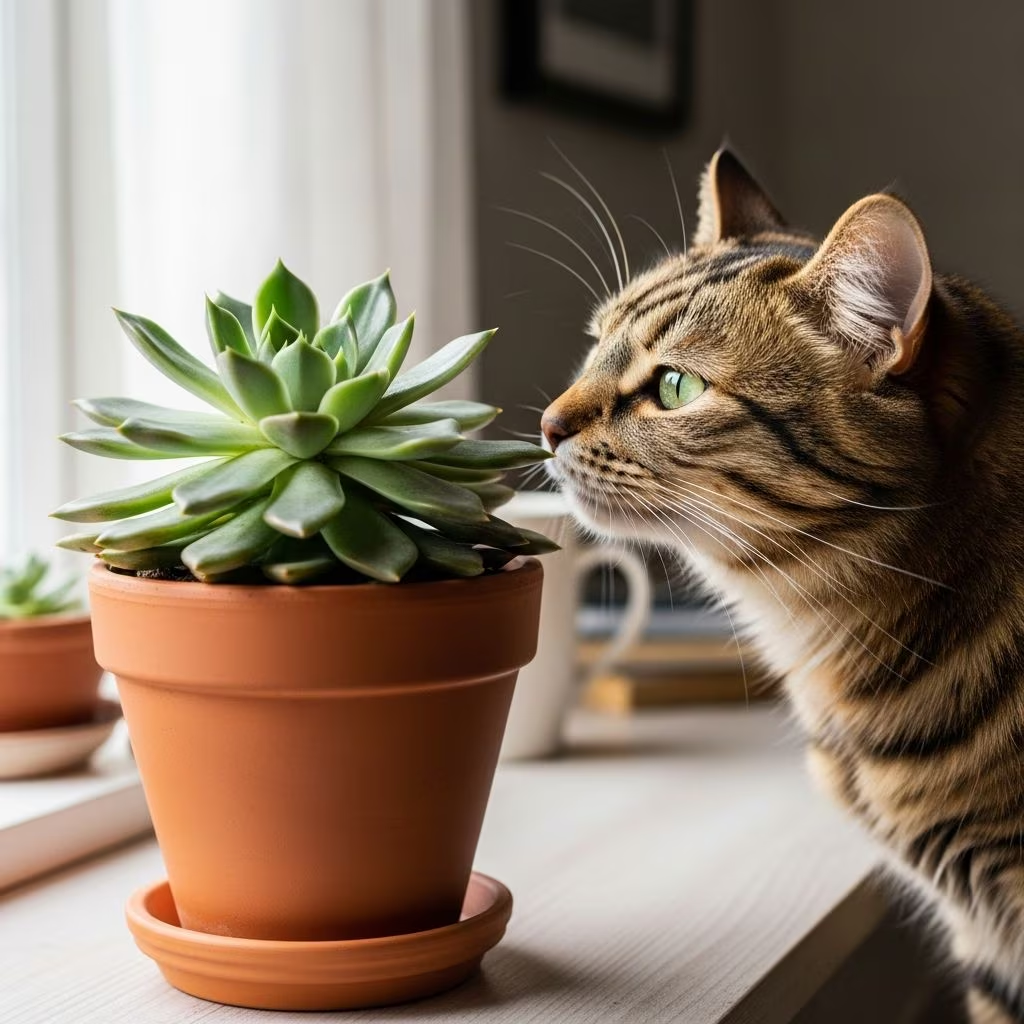
Succulents have surged in popularity as low-maintenance houseplants, prized for their unique shapes, minimal watering needs, and ability to thrive indoors. However, cat owners often wonder if these fleshy plants pose a threat to their curious pets. While many succulents are harmless, several common varieties contain compounds that can cause illness in cats upon ingestion. This comprehensive guide breaks down the risks, identifies dangerous and safe species, outlines symptoms to watch for, and provides practical strategies to protect your feline companions while enjoying your plant collection.
Understanding Succulent Appeal and Feline Curiosity
Cats are natural explorers, drawn to dangling leaves, swaying stems, and novel textures in their environment. Succulents, with their plump leaves and compact forms, often catch a cat’s eye or paw. Ingesting even small amounts can lead to digestive upset or worse, depending on the plant’s chemical makeup. Toxins in succulents typically include saponins, anthraquinones, or irritant saps that irritate the mouth, stomach, and intestines. Severity varies by species, quantity consumed, and the cat’s size and health.
Most cats won’t seek out succulents as food, but playful batting or accidental nibbling happens frequently in multi-pet households. Awareness is key: knowing which plants to avoid or secure can prevent veterinary visits.
Toxic Succulents: Plants to Keep Away from Cats
Several beloved succulents harbor toxins that can trigger vomiting, diarrhea, lethargy, and more severe reactions. Here’s a detailed look at the most concerning ones.
| Plant Name | Scientific Name | Toxicity Effects | Source |
|---|---|---|---|
| Aloe Vera | Aloe vera | Vomiting, diarrhea, tremors, lethargy, loss of appetite | |
| Jade Plant | Crassula ovata | Vomiting, lethargy, depression, incoordination | |
| Pencil Cactus | Euphorbia tirucalli | Mouth/skin irritation, stomach pain, vomiting, diarrhea | |
| Snake Plant | Sansevieria trifasciata | Nausea, vomiting, diarrhea | |
| Kalanchoe | Kalanchoe spp. | Vomiting, diarrhea, potential heart arrhythmias | |
| String of Dolphins | Senecio peregrinus | Toxicity from pyrrolizidine alkaloids, sap irritation |
These plants’ dangers stem from specific irritants: aloe’s saponins and anthraquinones disrupt digestion, while euphorbias like pencil cactus exude a milky sap that burns tissues on contact. Jade plants, despite their hardy reputation, cause neurological symptoms in some cases.
Safe Succulents: Pet-Friendly Choices for Cat Homes
Good news for plant lovers: numerous succulents are non-toxic to cats, allowing you to beautify your space without worry. These varieties lack harmful compounds and are well-tolerated even if nibbled.
- Echeveria: Rosette-forming beauties with colorful edges; completely safe and low-maintenance.
- Haworthia (Zebra Plant): Striking striped leaves; thrives in indirect light and poses no risk.
- Hens and Chicks (Sempervivum): Clustered rosettes that spread naturally; ideal for outdoor pots too.
- Burro’s Tail (Sedum morganianum): Trailing beads perfect for hanging; non-toxic and visually stunning.
- Ponytail Palm (Beaucarnea recurvata): Whimsical, curly foliage; drought-tolerant and cat-safe.
Opt for these in hanging baskets or high shelves to minimize interaction. Their unappealing taste often deters cats naturally.
Recognizing Signs of Succulent Poisoning in Cats
Acting quickly can mitigate harm. Symptoms usually appear within hours of ingestion:
- Mild cases: Excessive drooling, pawing at mouth, mild vomiting.
- Moderate: Diarrhea, lethargy, reduced appetite.
- Severe: Tremors, irregular heartbeat, skin burns (from sap), dehydration.
Monitor closely for 24-48 hours. Even ‘mild’ symptoms can escalate in kittens, seniors, or cats with pre-existing conditions. Note the plant involved for accurate vet advice.
Immediate Steps if Your Cat Ingests a Toxic Succulent
Don’t induce vomiting unless instructed by a professional— it can worsen irritation. Instead:
- Remove plant remnants from mouth gently.
- Offer water or milk to dilute irritants (if no vomiting).
- Contact ASPCA Animal Poison Control at (888) 426-4435 or your vet immediately.
- Bring a plant sample or photo to the clinic.
Treatment may include activated charcoal, fluids, or anti-nausea meds. Most cases resolve with supportive care, but delays risk complications.
Prevention Strategies for a Cat-Proof Plant Collection
Proactive measures ensure harmony between plants and pets:
- Hang trailing succulents out of jump range.
- Use elevated shelves or plant stands.
- Apply pet-safe bitter sprays to leaves.
- Create distraction zones with cat grass or toys.
- Choose closed terrariums for risky plants.
Train with positive reinforcement: redirect curiosity to approved toys. Regular pruning keeps plants tidy and less tempting.
Comparing Toxic vs. Safe Succulents at a Glance
| Category | Examples | Care Level | Best Placement |
|---|---|---|---|
| Toxic | Aloe, Jade, Kalanchoe | Easy | High shelves, out of reach |
| Safe | Echeveria, Haworthia, Burro’s Tail | Easy | Hanging, shelves, floors |
FAQs: Common Questions About Succulents and Cats
Are all succulents toxic to cats?
No, most are safe, but avoid aloe, jade, and euphorbias.
What if my cat licks a toxic succulent but doesn’t swallow?
Sap contact can irritate skin/mouth; rinse gently and monitor.
Can toxic succulents cause permanent damage?
Rarely with prompt care, but severe cases may lead to lasting issues.
Are there outdoor succulents safe for cats?
Yes, hens and chicks thrive outside and are non-toxic.
How do I identify unknown succulents?
Use apps like PictureThis or consult ASPCA’s plant list.
Building a Thriving, Pet-Safe Indoor Oasis
Balancing cat companionship with a love for succulents is achievable through informed choices. Prioritize safe varieties, vigilant placement, and swift response to mishaps. Your home can be lush and feline-friendly. Consult vets for personalized advice, especially with multiple plants or health-vulnerable cats. With these insights, enjoy greenery without guilt.
References
- Are Succulents Poisonous to Cats? — Gardenia.net. 2023. https://www.gardenia.net/guide/are-succulents-poisonous-to-cats
- Succulents and Cacti Toxic to Pets — Planet Desert. 2024-01-15. https://planetdesert.com/blogs/news/succulents-and-cacti-toxic-to-pets
- Are Succulent Plants Poisonous to Cats? — Wekiva Foliage. 2023-05-20. https://www.wekivafoliage.com/blogs/plant-care/are-succulent-plants-poisonous-to-cats-a-guide-to-pet-friendly-succulents
- Protecting Your Pets: How to Keep Cats and Dogs Safe from Toxic Succulents — SF SPCA. 2024. https://www.sfspca.org/blog/protecting-your-pets-how-to-keep-cats-and-dogs-safe-from-toxic-succulents/
- Are Succulents Poisonous to Cats? — WoPet. 2023-11-10. https://wopet.com/cats/are-succulents-poisonous-to-cats/
- Are Succulents Poisonous to Cats and Dogs? — PetMD. 2024-06-05. https://www.petmd.com/dog/emergency/poisoning-toxicity/are-succulents-poisonous-cats-and-dogs
- Succulents for Cats & Dogs: Safe or Toxic — Mountain Crest Gardens. 2023. https://mountaincrestgardens.com/blog/succulents-for-cats-dogs-safe-or-toxic/



