

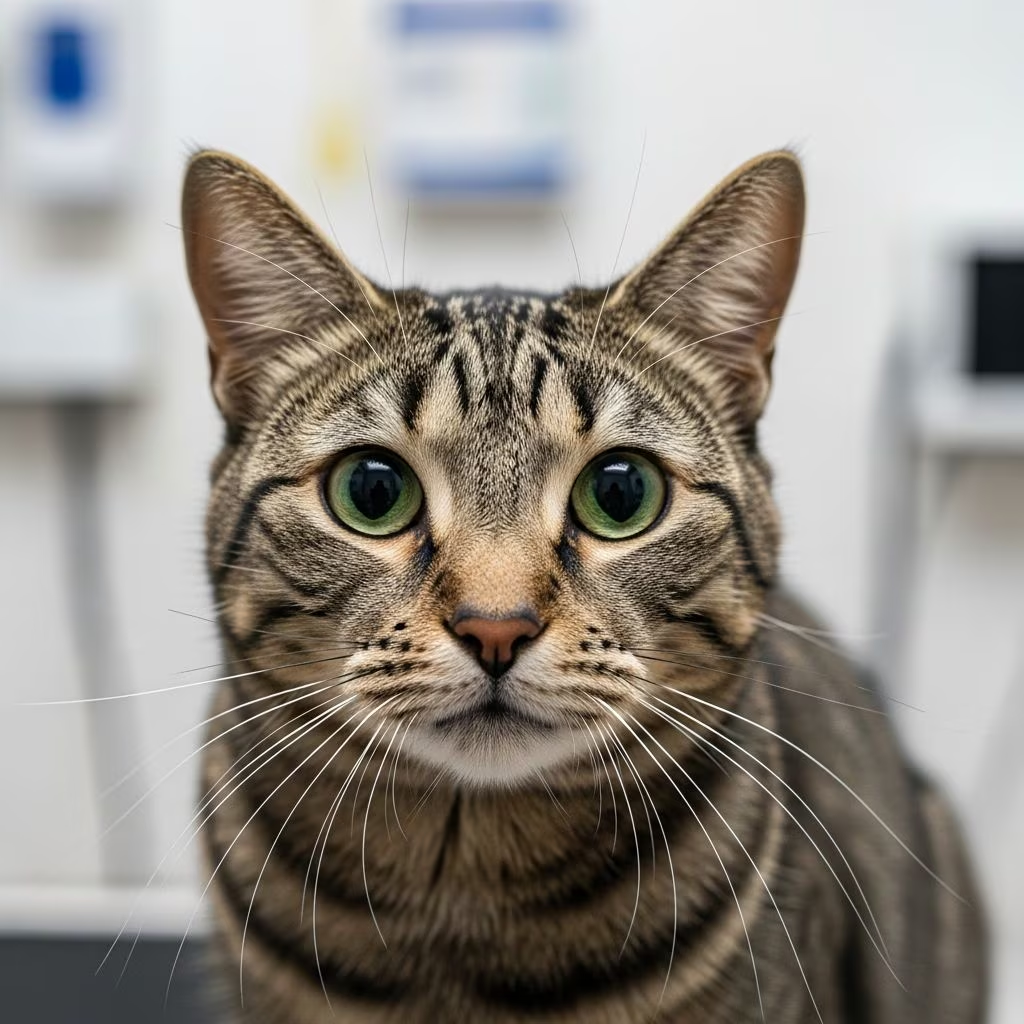
Diabetes mellitus in cats is a common endocrine disorder affecting approximately 1 in 200 felines, often developing gradually in middle-aged or senior cats. While overt symptoms like excessive thirst grab attention, vets stress watching for subtler cues that signal trouble early. This article details the seven hidden signs of feline diabetes, why they occur, and urgent actions for cat owners to protect their pets’ health.
What Is Diabetes in Cats?
Diabetes in cats occurs when the pancreas fails to produce sufficient insulin or the body resists its effects, leading to elevated blood glucose levels. This mirrors human Type 1 or Type 2 diabetes, with Type 2 being predominant in cats. Untreated, it causes cells to starve despite high sugar availability, prompting the body to break down fat and muscle for energy. Early intervention via insulin therapy, diet changes, and monitoring can lead to remission in up to 30-40% of cases, especially if caught promptly.
Risk factors include obesity, age over 7 years, Burmese breed predisposition, and concurrent conditions like hyperthyroidism or pancreatitis. Vets recommend annual bloodwork for at-risk cats to detect rising glucose before symptoms emerge.
The 7 Hidden Signs of Feline Diabetes
These signs often creep in unnoticed. Spotting clusters—rather than isolated changes—prompts vet visits. Here’s what to monitor:
1. Frequent Urination (and More Thirst Than Usual)
The hallmark duo: polyuria (excessive urination) and polydipsia (thirst). High blood glucose overwhelms kidneys, spilling sugar into urine and drawing water along, creating larger litter clumps or household accidents. Cats may drink from faucets, toilets, or empty bowls repeatedly. Tip: Track water intake (normal: 50-100ml/kg/day) and litter scoops; sudden doubles warrant checks.
2. Lethargy or Weakness
Your energetic cat becomes a lap warmer, avoiding jumps or play. Glucose-starved muscles cause fatigue; hindlimb neuropathy may induce a plantigrade stance—walking flat-footed on hocks like a dog. This diabetic neuropathy affects up to 10% of cases if uncontrolled, risking permanent damage.
- Signs: Reluctance to leap counters, wobbly gait, prolonged sleep.
- Why: Cells can’t access energy, leading to muscle wasting.
3. A Sudden Change in Appetite
Diabetic cats often devour food ravenously (polyphagia) yet lose weight, as glucose exits via urine uneaten. Initially, appetite surges as the body signals starvation; later stages may flip to nausea-induced refusal. Monitor if your cat begs unusually or ignores meals.
4. Unexplained Weight Loss
Despite hearty eating, cats shed pounds—often muscle along spine and hips first. Fat and protein catabolize for fuel, creating a lean, ‘stringy’ look. A 10% drop in weeks is alarming; use home scales weekly.
| Normal Weight Maintenance | Diabetic Weight Loss |
|---|---|
| Stable or gradual senior gain | Rapid loss despite normal/high intake |
| Shiny coat, firm muscles | Muscle wasting, prominent bones |
5. Poor Coat Condition
Grooming falters as weakness sets in, yielding a dull, unkempt, dandruffy coat. Dehydration exacerbates dry skin; infections thrive in neglected fur. Run fingers through—excess shedding or greasiness signals issues.
6. Fruity Breath Odor
A sweet, acetone-like breath (like nail polish remover) indicates ketoacidosis—ketones from fat breakdown. This advanced sign demands emergency care; pair with vomiting for DKA red flags.
7. Vomiting, Bladder Issues, or Hind Leg Problems
Late symptoms: recurrent vomiting from gastroparesis or high glucose; urinary tract infections (bacteria love sugary urine). Hind legs drag or plantigrade posturing from neuropathy. Bladder infections show straining, blood-tinged urine.
- Emergency cluster: Vomiting + rapid breathing + collapse = DKA; seek ER immediately.
Risk Factors for Diabetes in Cats
Obesity triples risk by insulin resistance; neutered males and seniors dominate cases. Breeds like Burmese, Russian Blue face higher odds. Concurrent pancreatitis or steroid use accelerates onset.
Why Early Detection Matters
Unchecked diabetes spirals to ketoacidosis, liver lipidosis, neuropathy, or coma. Good news: 80-90% stabilize with insulin, low-carb diets, exercise. Remission peaks in first 6 months post-diagnosis.
What to Do If You Spot These Signs
- Log symptoms: Duration, severity, combos.
- Call vet same/next day for glucose check, urinalysis.
- Prep: Fast cat 12 hours if bloodwork planned.
- Discuss: Insulin (injections), diets (e.g., high-protein canned), monitoring (glucometers).
Home management thrives with owner training; complications drop 70% with compliance.
Preventing and Managing Feline Diabetes
Keep ideal weight (BCS 4-5/9); feed measured low-carb meals twice daily. Exercise via toys, lasers. Annual senior blood panels catch pre-diabetes. Treated cats enjoy near-normal lifespans.
Frequently Asked Questions (FAQs)
What are the first signs of diabetes in cats?
Increased thirst and urination top the list, often followed by weight loss despite appetite.
Can cat diabetes be reversed?
Yes, up to 40% achieve remission with early insulin, weight loss, and diet—especially overweight cats.
How is diabetes diagnosed in cats?
Blood glucose (>200mg/dL fasting), urinalysis for glucose/ketones, fructosamide for trends.
What does a diabetic cat’s breath smell like?
Sweet or fruity, like acetone, signaling ketones and potential ketoacidosis.
Is diabetes painful for cats?
Not directly, but neuropathy causes hind leg discomfort; early treatment prevents this.
How much does treating cat diabetes cost?
Initial diagnosis: $200-500; monthly insulin/supplies: $50-150. Varies by clinic.
Final Thoughts for Cat Owners
Vigilance turns diabetes from crisis to manageable chronic issue. Routine vet visits, weight checks, litter/water logs empower you as your cat’s advocate. If signs appear, act swiftly—most diabetic cats thrive with care.
References
- The 9 Most Common Signs of Diabetes in Cats — Coastal Veterinary Care. 2023. https://coastalveterinarycare.vet/signs-of-diabetes-in-cats/
- Emergency Signs of Diabetic Ketoacidosis in Cats — Garden State Veterinary Specialists. 2023. https://gsvs.org/blog/emergency-signs-diabetic-ketoacidosis-cats/
- 5 Signs Your Cat Has Diabetes — Broadview Animal Hospital. 2023. https://broadviewvet.com/5-signs-your-cat-has-diabetes/
- Subtle Signs Your Cat Might Have Diabetes — Catster. 2023. https://www.catster.com/nutrition/subtle-signs-your-cat-might-have-diabetes-that-vets-urge-you-to-check/
- Diabetes in Cats: Signs, Treatment, and Prognosis — PetMD. 2024-01-14. https://www.petmd.com/cat/conditions/endocrine/c_ct_diabetes_mellitus



