

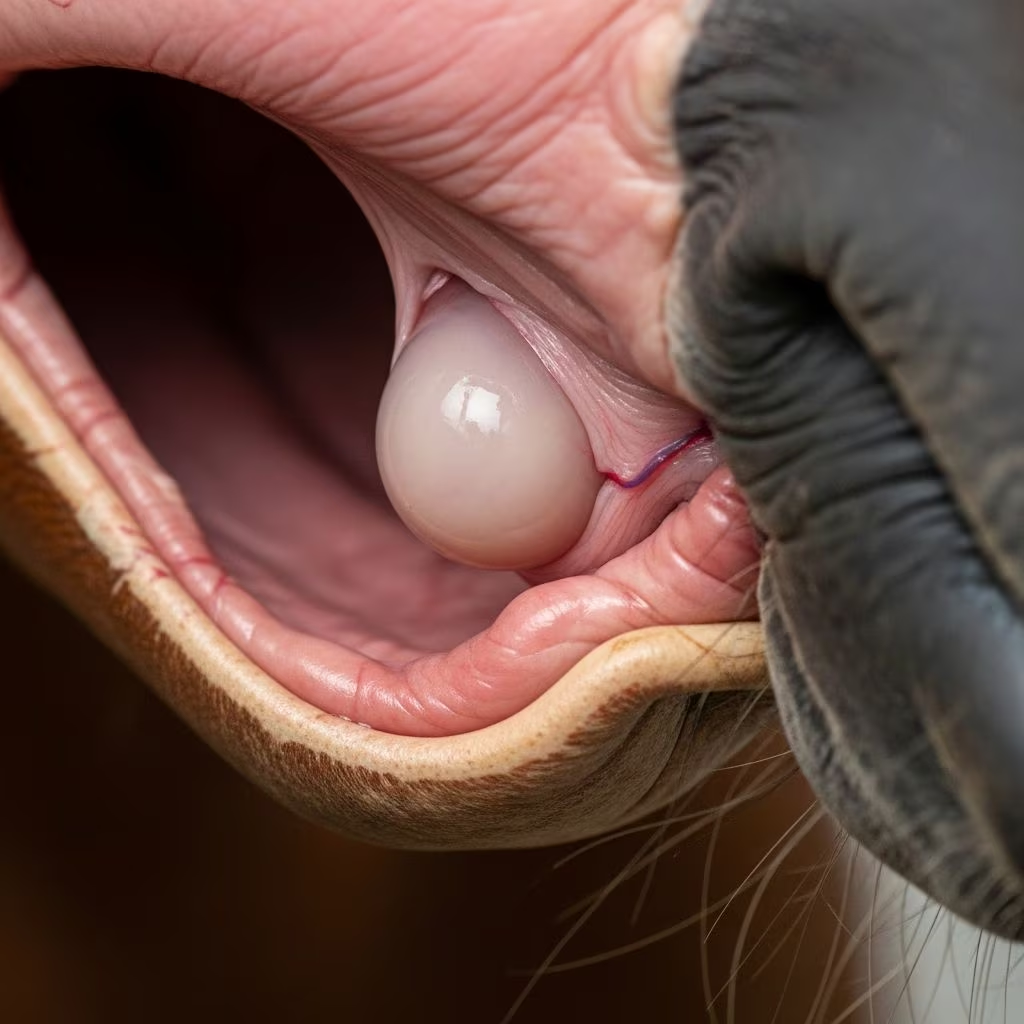
Subepiglottic cysts represent a rare yet significant condition in equine medicine, forming fluid-filled sacs beneath the epiglottis that can impair breathing and overall performance. These growths, though uncommon, pose challenges for horse owners, particularly in athletic breeds starting training.
Understanding the Anatomy and Location
The epiglottis is a critical cartilage flap at the entrance to the larynx, directing air into the trachea while preventing food and water from entering the lungs. Subepiglottic cysts develop in the soft tissues directly underneath this structure, within the nasopharynx area. They appear as smooth, bulging masses filled with thick, mucoid fluid, potentially elevating the epiglottis and obstructing airflow.
These cysts are lined with epithelial tissues, including stratified squamous and pseudostratified columnar types, which continue producing secretions if not fully addressed. Their positioning makes them prone to interfering with normal swallowing and respiration, especially during exertion.
Origins and Development Factors
Veterinarians suspect subepiglottic cysts arise from embryonic remnants of the thyroglossal duct, a structure present during fetal development that typically regresses. Alternative theories point to chronic inflammation in pharyngeal mucous glands or even trauma-induced changes in subepiglottic tissues. While the exact cause remains unclear, they are often congenital, lying dormant until exercise demands reveal them.
They predominantly affect young horses aged 2-3 years, coinciding with training onset, but cases occur in foals under one year and even older adults. Breeds like Thoroughbreds show higher incidence, followed by Standardbreds and Quarter Horses, though any horse can be impacted.
Recognizing Clinical Manifestations
Horses with subepiglottic cysts often exhibit respiratory challenges that worsen with activity. Key signs include:
- Rattling, wheezing, or gurgling sounds during exercise, signaling partial airway blockage.
- Exercise intolerance or poor performance, as obstructed airflow limits oxygen intake.
- Coughing, especially post-feeding, due to irritation or aspiration risks.
- Nasal discharge, sometimes containing food or water if cysts disrupt swallowing.
- Dysphagia (difficulty swallowing), leading to aspiration pneumonia in severe cases.
In foals, large cysts may cause upper respiratory obstruction, chronic cough, bilateral nasal discharge, and pneumonia. Adult horses might experience syncope from near-total blockage, though this is rare. Some cysts are incidental findings during routine exams, with no overt symptoms until stressed.
Diagnostic Approaches for Confirmation
Endoscopic examination of the upper respiratory tract is the gold standard for identifying subepiglottic cysts. Performed via the nose, video endoscopy reveals the characteristic smooth-walled, fluctuant mass in the nasopharynx, often containing yellow, viscous material. In subtle cases, the cyst might hide behind the soft palate, necessitating oral endoscopy or radiography under sedation or anesthesia.
Dynamic endoscopy during exercise can highlight functional impacts, such as epiglottic elevation or airflow turbulence. Radiographs may show soft tissue densities, while ultrasound is less common but supportive. History of respiratory noise onset during training, combined with breed and age, raises suspicion early.
Treatment Strategies: Surgical Interventions
Conservative management fails due to the cyst lining’s persistent fluid production; complete removal is essential to prevent recurrence. Simply rupturing the cyst offers temporary relief but allows regrowth. Surgical options include:
| Method | Approach | Anesthesia | Advantages | Potential Drawbacks |
|---|---|---|---|---|
| Wire Snare Amputation | Transendoscopic (nasal/oral) | Brief general or standing | Low recurrence; minimal thermal damage | Requires precise technique |
| Diode/Nd:YAG Laser | Transendoscopic | Standing sedation | Minimally invasive; quick recovery | Risk of thermal complications |
| Laryngotomy Excision | Surgical incision | General anesthesia | Direct access for large cysts | Higher invasiveness |
| Formalin Injection | Transendoscopic | Standing | Non-surgical alternative | Limited data; variable efficacy |
Minimally invasive transendoscopic techniques using snares or lasers are preferred, often under standing sedation with local anesthetics like lidocaine. Perioperative antibiotics (e.g., procaine penicillin) and NSAIDs (e.g., flunixin meglumine) reduce inflammation and infection risks. Post-op care includes rest, anti-inflammatories like phenylbutazone, and repeat endoscopy to monitor healing.
Postoperative Care and Complications
Recovery typically spans 2-4 weeks, with instructions for box rest to avoid overexertion. Common short-term issues include subepiglottic inflammation, managed with topical dexamethasone or temporary tracheotomy in severe swelling cases. Horses should resume light work gradually, with follow-up endoscopies at 1-2 weeks.
Complications like dorsal soft palate displacement may arise post-correction, occurring in about 10% of related procedures. Nonetheless, adherence to protocols yields excellent outcomes, with low recurrence rates.
Prognosis and Long-Term Outcomes
With complete excision, prognosis is favorable. Studies report 73% of treated horses returning to intended athletic use, limited only by unrelated issues in some. Young racehorses often regain full performance, while older pets resolve coughing and discharge effectively. Early intervention prevents chronic damage like aspiration pneumonia.
Recurrence is minimal (<10%) when the entire lining is removed, emphasizing skilled veterinary execution. Regular airway scoping in high-risk breeds aids prevention of undetected progression.
Prevention and Routine Monitoring
No direct prevention exists for congenital cysts, but routine pre-training endoscopies in Thoroughbred yearlings detect asymptomatic cases. Maintain overall respiratory health via clean stables, vaccination against viral infections, and prompt treatment of pharyngeal inflammations. Owners of performance horses should note subtle noise changes early.
Frequently Asked Questions (FAQs)
What breeds are most prone to subepiglottic cysts?
Thoroughbreds are most commonly affected, especially young ones in training, but Standardbreds, Quarter Horses, and others can develop them.
Can subepiglottic cysts resolve without surgery?
No, rupture provides short-term relief, but fluid secretion causes regrowth; surgical removal is required.
How long is recovery after cyst removal?
Typically 2-4 weeks of rest, with full athletic return in 4-8 weeks depending on the horse’s age and procedure.
Is standing surgery safe for my horse?
Yes, diode laser or snare under sedation is common, with low risks and fast recovery compared to general anesthesia.
Will my horse return to racing after treatment?
High likelihood; over 70% resume pre-surgery performance levels with proper care.
References
- Subepiglottic Cyst – Texas A&M Veterinary Medical Teaching Hospital — Texas A&M University. Accessed 2026. https://vethospital.tamu.edu/large-animal/equine-soft-tissue-surgery/subepiglottic-cyst/
- Subepiglottic Cyst in Horses – Respiratory System — Merck Veterinary Manual. Accessed 2026. https://www.merckvetmanual.com/respiratory-system/respiratory-diseases-of-horses/subepiglottic-cyst-in-horses
- Equine subepiglottic cysts — Vet Times. Accessed 2026. https://www.vettimes.com/news/vets/equine/equine-subepiglottic-cysts
- Subepiglottic Cyst in Horses – MSD Veterinary Manual — MSD Veterinary Manual. Accessed 2026. https://www.msdvetmanual.com/horse-owners/lung-and-airway-disorders-of-horses/subepiglottic-cyst-in-horses
- Subepiglottic Cyst in Three Foals — PubMed (NCBI). 1980-09-01. https://pubmed.ncbi.nlm.nih.gov/7429941/
- Epiglottis: cyst – subepiglottic in Horses — Vetlexicon (MSD). Accessed 2026. https://www.vetlexicon.com/equis/respiratory/articles/epiglottis-cyst-subepiglottic/



