

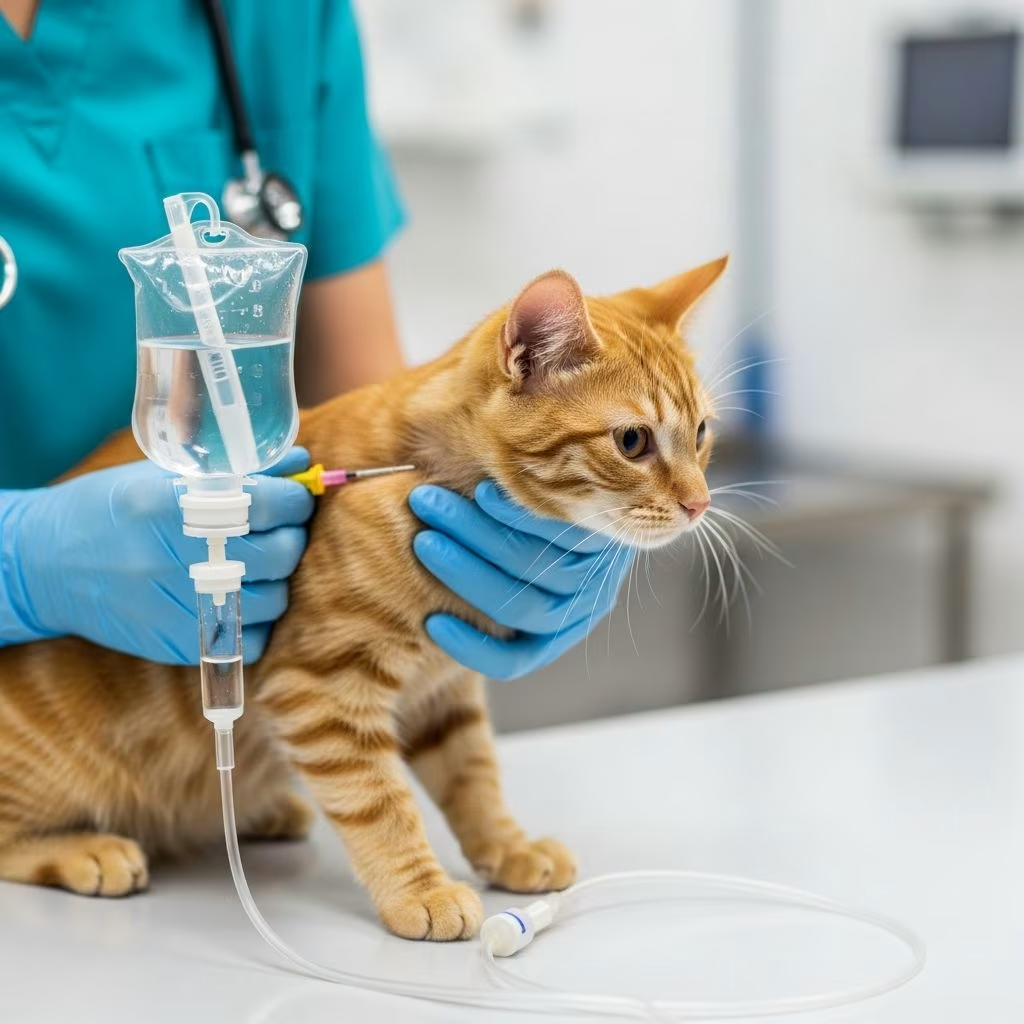
Subcutaneous Fluid Administration in Cats: Comprehensive Home Care Guide
Caring for a cat with chronic illness often requires dedicated attention and specialized skills that pet owners can learn with proper guidance. One such skill is administering subcutaneous fluids at home, a therapeutic technique that provides significant health benefits for cats with various medical conditions. While the prospect of giving injections might seem daunting initially, subcutaneous fluid administration is a manageable and often rewarding procedure that most cat owners successfully master with veterinary instruction.
Subcutaneous fluid therapy has become an essential component of home care for many feline patients, particularly those managing chronic kidney disease and other conditions requiring consistent hydration support. This comprehensive guide will walk you through every aspect of the bag method for subcutaneous fluid administration, helping you understand the process, build confidence, and provide optimal care for your beloved companion.
Why Your Veterinarian May Recommend At-Home Subcutaneous Fluid Treatment
Supplemental fluids can benefit cats with a variety of medical conditions, addressing dehydration and maintaining vital electrolyte balance. Home fluid therapy is most commonly recommended for cats with chronic kidney disease, also known as chronic renal failure, though other conditions may also benefit from this treatment approach. When your veterinarian recommends at-home subcutaneous fluid administration, they are recognizing both the medical necessity for your cat and your capability as a caregiver to manage this therapeutic intervention.
The decision to recommend home-based fluid therapy reflects modern veterinary medicine’s understanding that consistent hydration support significantly improves outcomes and quality of life for cats with chronic conditions. Rather than requiring frequent veterinary clinic visits, at-home administration allows for more flexible treatment schedules and reduces stress for both cat and owner. Your veterinary healthcare team will provide comprehensive instruction to ensure you feel confident and prepared to administer fluids safely and effectively.
Understanding Subcutaneous Fluid Administration Methods
Two primary methods exist for administering subcutaneous fluids at home: the bag method with a drip set and the syringe method with a butterfly catheter. Each approach offers distinct advantages that should be considered based on your specific situation and your cat’s needs.
Bag Method vs. Syringe Method
The bag method utilizes a fluid bag with a drip set and is ideal for administering larger fluid volumes efficiently. This method typically works faster than alternatives and provides consistent, gravity-assisted flow once properly configured. The syringe method, by contrast, offers greater control over fluid administration speed and volume, making it particularly useful for cats that may be sensitive to rapid fluid introduction or when precise dosing is critical. Your veterinarian will recommend the most appropriate method for your cat’s specific condition and temperament.
Preparing for Subcutaneous Fluid Administration: The Bag Method
Successful fluid administration begins with proper preparation of all materials and a clear understanding of the step-by-step process. Before beginning, gather all necessary supplies, including the prescribed fluid bag, the fluid drip set, alcohol pads for disinfection, and any medications your veterinarian may have recommended. Organize your workspace in advance so all materials are readily accessible.
Initial Setup and Fluid Bag Preparation
Begin by removing the fluid bag and fluid drip set from their protective packaging, handling all materials with care to maintain sterility. Locate the line lock, also called the fluid line, situated in the middle of the tubing. This critical component controls fluid flow and is typically set in the open position on new fluid sets. Close the line lock by moving the roller so it gently squeezes the tubing, preventing fluid from flowing prematurely.
Next, identify the exit port on the bottom of the fluid bag. Carefully pull the protective cover off this port to expose the hole that will accept the pointed end of your fluid set. Remove the protective cap from the top (pointed) end of the fluid set, then firmly push the pointed end into the open hole of the fluid bag, puncturing the bag as you insert it. Push firmly to establish a secure connection and prevent leaks during administration.
Suspending the Fluid Bag and Priming the Line
Hold or suspend the fluid bag approximately 3 feet (1 meter) above the level of your cat’s head to establish proper gravity-assisted flow. To maintain this elevation conveniently, place a hanger through the hole at the top of the fluid bag and hook it over something stable and high, such as a door frame or sturdy shelf. With the bag properly positioned, fluid should now flow freely through the tubing when the line lock is opened.
Gently squeeze and release the bulb at the top of the drip set repeatedly until the bulb chamber is approximately half-full of fluid. This priming process ensures proper fluid distribution through the administration line. Next, remove the protective cap on the lower end of the fluid set and open the line lock you closed earlier. Allow fluid to flow through the tubing, ensuring that all large air bubbles run out completely. This step is crucial for preventing air embolism and ensuring smooth fluid delivery. Be careful not to allow the lower end of the fluid set to touch any contaminated surface during this process.
Administering Fluids: Needle Insertion and Technique
With preparation complete, you are ready to proceed with the actual fluid administration. This phase requires calm, confident technique combined with gentle handling of your cat to minimize stress and discomfort.
Determining Fluid Volume and Treatment Location
Your veterinarian will specify exactly how much fluid to administer based on your cat’s specific condition and body size. As a general guideline, average-sized cats typically receive 100-150 milliliters of fluids per treatment session. If your veterinarian recommends administering fluids in two separate locations on your cat’s body, divide the total recommended volume equally between the two sites.
Creating the Ideal Treatment Environment
Choose a comfortable location for treatment where both you and your cat can remain relaxed and still for approximately 5-10 minutes. This might be a table, countertop, or even your lap, depending on what works best for your cat’s temperament. Ensure that both of you are positioned comfortably, and confirm that the end of the fluid set will reach your cat without excessive tension or stretching.
Keep the environment calm and quiet, providing reassurance through gentle petting and soothing conversation. Many cats respond well to treats or special attention during and after fluid administration, creating positive associations with the procedure. Some owners find it helpful to schedule treatments at consistent times when their cat is naturally more relaxed, such as after a meal or during their quiet period.
Proper Needle Insertion Technique
Begin by gently picking up a roll of loose skin in the area between your cat’s shoulder blades or 2 inches to either side of them. This creates a triangular tent of skin that provides the ideal site for needle insertion. Lay the point of the needle at the base of this roll of skin while keeping the needle horizontal and pointing toward your cat’s head, assuming your cat is lying on its chest or in a standing position.
Advance the needle slightly forward while simultaneously pulling the roll of skin toward the needle. This motion should be firm and steady, never shaky or timid, as hesitant insertion may cause discomfort. This coordinated motion places the point of the needle just under the skin in the subcutaneous space, which is your target location. Once the needle is properly positioned, release the roll of skin, and the needle point should remain securely under the skin.
Starting Fluid Flow and Monitoring Administration
Grasp the line fluid lock in one hand and move the roller upward to start the fluids flowing into the subcutaneous space. Watch the fluid level in the bag as it decreases, carefully monitoring to ensure you administer the recommended amount. Most fluid bags display measurement markings that start at the highest volume (for example, 1000 milliliters) and decrease as fluids are administered. If your veterinarian recommended 100 milliliters and you began with a 1000 milliliter bag, you will stop administration when the line reaches 900 milliliters.
During fluid administration, a noticeable lump will form under your cat’s skin at the injection site. This pocket of fluid is completely normal and should not alarm you—it will be absorbed gradually over the next several hours as your cat’s body processes the supplemental hydration. In some cases, particularly if absorption proceeds slowly, gravity may cause the fluids to migrate downward along the side of your cat’s body or even under the skin of the front or rear legs. This migration is also normal and requires no intervention; the fluids will still be absorbed completely, and your cat will experience no pain or discomfort.
Post-Administration Care and Safety
After administering the prescribed fluid volume, carefully remove the needle from your cat’s skin. Apply gentle pressure to the injection site for approximately 60 seconds to prevent fluid leakage and minimize any potential for infection. Following needle removal, dispose of the needle properly in a designated sharps container, never in regular trash. Thoroughly wash your hands with soap and water before and after fluid administration to maintain proper hygiene and prevent cross-contamination.
Observe your cat following fluid administration for any signs of discomfort or unusual reactions. Most cats experience no adverse effects and quickly return to normal activity. The fluid pocket will gradually diminish as absorption continues over several hours. If you notice any concerning symptoms or if your cat demonstrates signs of distress, contact your veterinarian immediately.
Monitoring Hydration Status and Treatment Effectiveness
Consistent monitoring of your cat’s hydration status is an important component of successful home fluid therapy. Approximately 40% of cat owners who administer subcutaneous fluids actively monitor their cat’s hydration using various assessment methods, with some adjusting fluid volumes based on their observations. Your veterinarian can teach you to assess your cat’s skin turgor, mucous membrane moisture, and overall appearance to evaluate hydration status.
Regular veterinary check-ups are essential to monitor your cat’s response to fluid therapy through bloodwork and physical examination. Your veterinarian may recommend laboratory tests to assess kidney function, electrolyte balance, and other relevant parameters. Based on these findings, your treatment protocol may be adjusted to optimize outcomes for your individual cat.
Important Considerations for Successful Fluid Administration
Needle Selection and Tolerance
Research indicates that needle size significantly affects how well cats tolerate subcutaneous fluid administration. Sixty-one percent of cat owners reported using a 20-gauge needle or larger, with approximately 49% noting that needle size affected their cat’s tolerance of the procedure. Discussion with your veterinarian about optimal needle gauge for your specific cat can improve the overall experience and encourage consistent treatment compliance.
Treatment Duration and Frequency
The length of time required for fluid administration also influences your cat’s tolerance. Seventy-four percent of cat owners reported that administration time affected their cat’s comfort level. Working with your veterinarian to establish an administration schedule that balances therapeutic benefit with your cat’s comfort ensures long-term success with home fluid therapy.
Tailoring the Protocol to Your Cat
Each cat presents unique temperament characteristics and medical needs. The most effective fluid therapy protocols are individualized to match your specific cat’s preferences and requirements. Strategies that improve tolerance might include administering fluids at particular times of day, combining the procedure with treats or special attention, or adjusting the treatment environment to minimize stress. Many owners report positive experiences learning and administering subcutaneous fluids, with the majority stating that their ability to provide this care at home significantly benefited their cat’s health and quality of life.
Frequently Asked Questions About Subcutaneous Fluid Administration
Q: Is it painful for my cat when I administer subcutaneous fluids?
A: When proper technique is used, subcutaneous fluid administration should cause minimal discomfort. The needle is small and inserted just under the skin, not into muscle. Most cats tolerate the procedure well, particularly if the environment is calm and they receive reassurance from their owner.
Q: How often will my cat need subcutaneous fluids?
A: The frequency of fluid administration depends entirely on your cat’s specific medical condition and your veterinarian’s recommendations. Some cats may require fluids multiple times per week, while others may need them less frequently. Your veterinarian will establish the appropriate treatment schedule.
Q: What should I do if the fluid pocket doesn’t disappear after several hours?
A: Fluid pockets typically absorb over several hours. If a lump persists for an extended period or your cat shows signs of discomfort, contact your veterinarian. Slow absorption can occasionally occur but is usually not concerning.
Q: Can I administer fluids in different locations each time?
A: Alternating injection sites is actually recommended to prevent irritation and allow proper tissue recovery between treatments. Discuss appropriate injection locations with your veterinarian.
Q: What supplies do I need to keep on hand for home fluid administration?
A: You will need sterile isotonic saline solution or lactated Ringer’s solution, subcutaneous fluid administration sets (which include fluid lines and needles), alcohol pads for disinfection, and a sharps container for needle disposal. Your veterinarian will provide specific product recommendations.
Q: How will I know if my cat is receiving the correct amount of fluid?
A: Your veterinarian will provide clear written instructions specifying the exact volume to administer. By monitoring the measurement markings on the fluid bag as fluids flow, you can accurately track the volume administered.
References
- Subcutaneous Fluid Administration in Cats: Bag Method — VCA Animal Hospitals. 2024. https://vcahospitals.com/know-your-pet/subcutaneous-fluid-administration-in-cats
- Administer Subcutaneous Fluids — Kindred Heart Animal Hospital. 2024. https://kindredheartvet.com/administer-subcutaneous-fluids/
- Survey of owner subcutaneous fluid practices in cats with chronic kidney disease — International Journal of Feline Medicine and Surgery, PubMed. 2017. https://pubmed.ncbi.nlm.nih.gov/28948902/
- Subcutaneous Fluids How-To: Complete Care For Your Pets — Fair Haven Veterinary Clinic. 2024. https://fairhavenvet.com/subcutaneous-fluids-how-to/
- Considerations for Creating a Fluid Therapy Plan — University of Illinois College of Veterinary Medicine. 2022-12-04. https://vetmed.illinois.edu/2022/12/04/considerations-for-creating-a-fluid-therapy-plan/



