

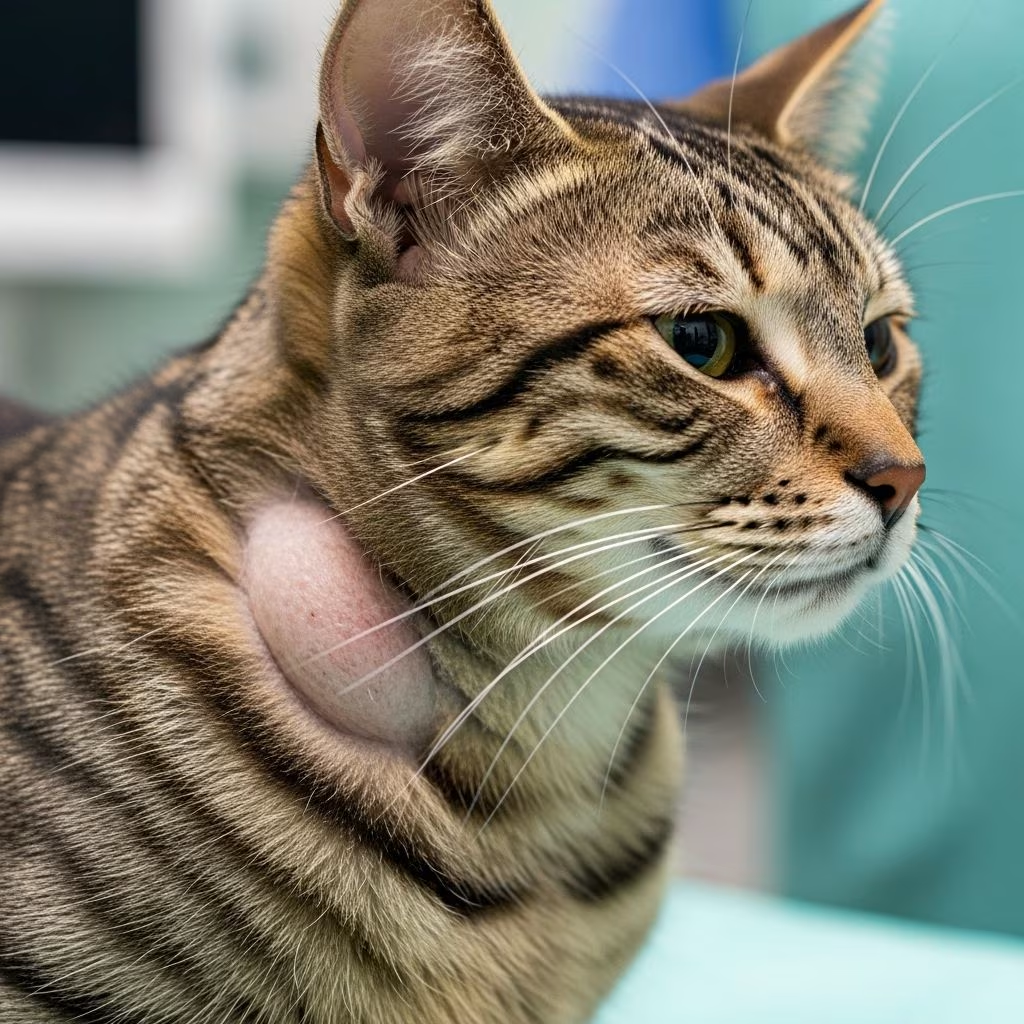
Subcutaneous emphysema happens when air escapes from the respiratory tract and accumulates beneath a cat’s skin, creating a spongy, swollen appearance. This condition demands prompt veterinary attention to address underlying issues like tracheal damage or infections.
Understanding the Condition
Air normally stays confined within the lungs, trachea, and airways during breathing. In subcutaneous emphysema, breaches in these structures allow air to migrate into surrounding tissues, including the neck, chest, and abdomen. This can progress rapidly, leading to visible and palpable swelling.
The mediastinum, the central chest cavity, often serves as an initial collection point before air spreads subcutaneously. Unlike pulmonary emphysema, which involves permanent lung tissue destruction, subcutaneous emphysema is typically reversible once the source is sealed.
Common Causes in Feline Patients
Several factors trigger this air leakage in cats. Trauma tops the list, including bites, falls, or vehicular accidents that rupture the trachea, larynx, or esophagus.
- Intubation-related injuries: During anesthesia, endotracheal tubes can cause tears, especially if oversized or forcefully placed. Symptoms may emerge 4 hours to 6 days post-procedure.
- Infections: Viral agents like feline herpesvirus-1 (FHV-1) can inflame airways, leading to tissue weakening and air escape. Bacterial pneumonias contribute similarly.
- Iatrogenic events: Surgical procedures or needle punctures, though rare, may introduce air if vessels are compromised.
- Spontaneous cases: Severe coughing from asthma or bronchitis can rarely cause alveolar rupture and interstitial air spread.
Recognizing the Signs
Owners often notice neck and chest swelling first, with the skin feeling crackly or bubbly under pressure—a phenomenon called crepitus. Respiratory distress follows, marked by open-mouth breathing, rapid shallow breaths, and cyanosis in advanced stages.
| Symptom | Description | Severity Indicator |
|---|---|---|
| Swelling | Soft, air-filled tissues from neck to abdomen | Mild to severe |
| Dyspnea | Labored, noisy breathing; tachycardia | High—requires oxygen |
| Coughing | Persistent, worsening over days | Moderate |
| Pain | Reluctance to move neck; vocalization | Variable |
| Lethargy | Dehydration, poor appetite | Advanced |
These signs mimic other emergencies like pneumothorax, underscoring the need for imaging.
Diagnostic Approaches
Veterinarians start with physical exams, palpating for crepitus and auscultating lungs. Bloodwork reveals dehydration or azotemia from distress.
- Radiography: Essential for visualizing air in subcutaneous spaces, mediastinum, and lungs. Lateral and dorsoventral views confirm extent.
- Endoscopy: Explores trachea for tears, though initial findings may be normal if inflammation predominates.
- Surgical exploration: In critical cases, direct inspection of airways under saline immersion detects leaks.
- Advanced imaging: CT scans delineate subtle ruptures not seen on X-rays.
Necropsy or histopathology identifies infectious causes like FHV-1 tracheitis.
Treatment Strategies
Management hinges on severity and cause. Conservative care suits stable cases, while surgery addresses tears.
Supportive Care
- Oxygen therapy via nasal cannula or chamber to ease dyspnea.
- IV fluids correct dehydration; antibiotics target secondary infections.
- Cage rest minimizes air movement; avoid positive pressure ventilation.
Surgical Interventions
For confirmed tracheal tears, immediate repair is vital. Clip surgical sites pre-anesthesia for speed. Use small endotracheal tubes, light sedation, and low-pressure ventilation (≤10 cm H2O).
Repair involves suturing with absorbable materials, protecting laryngeal nerves. Drain subcutaneous air via needles if tension builds.
Addressing Underlying Diseases
Antivirals or supportive care for FHV-1; bronchodilators for obstructive issues.
Prognosis and Recovery Timeline
Many cats resolve with time as air absorbs naturally—1 to 6 weeks average. Severe cases with pneumonia or untreated tears carry higher mortality.
Monitor for recurrence; full recovery demands source correction. Emphysema resolution lags behind clinical improvement.
Prevention Tips for Cat Owners
- Supervise outdoor cats to prevent trauma.
- Choose experienced vets for anesthesia; request small tubes for breeds like Siamese.
- Maintain vaccinations against FHV-1.
- Seek early care for respiratory infections.
Frequently Asked Questions (FAQs)
Is subcutaneous emphysema fatal in cats?
Not always, but severe dyspnea or pneumothorax can be. Prompt treatment improves outcomes.
How long does swelling last?
Typically 1-6 weeks with proper care; drainage accelerates comfort.
Can I treat it at home?
No—professional diagnosis is essential to rule out life-threatening causes.
Does it recur after recovery?
Rarely if the cause is fixed; monitor for respiratory issues.
What breeds are prone?
No specific predisposition, but brachycephalics may face intubation risks.
Long-Term Care Post-Diagnosis
Post-treatment, provide a stress-free environment. Use humidifiers for airway health. Regular vet check-ups track lung function. Nutritional support aids healing; high-protein diets bolster immunity.
Owners report full return to normalcy, with crackles fading over weeks. Vigilance prevents complications like chronic emphysema.
References
- Pneumomediastinum and subcutaneous emphysema in a cat … — PMC/NCBI. 2011-09-01. https://pmc.ncbi.nlm.nih.gov/articles/PMC3174511/
- Postintubation Tracheal Tears in Cats — Clinician’s Brief. Accessed 2026. https://www.cliniciansbrief.com/article/postintubation-tracheal-tears-cats
- My cat was diagnosed with subcutaneous emphysema — PetPlace. Accessed 2026. https://www.petplace.com/article/cats/vet-qa-parent/vet-qa/my-cat-was-diagnosed-with-subcutaneous-emphysema
- Emphysema in Cats – Cat Owners — MSD Veterinary Manual. Accessed 2026. https://www.msdvetmanual.com/cat-owners/lung-and-airway-disorders-of-cats/emphysema-in-cats



