

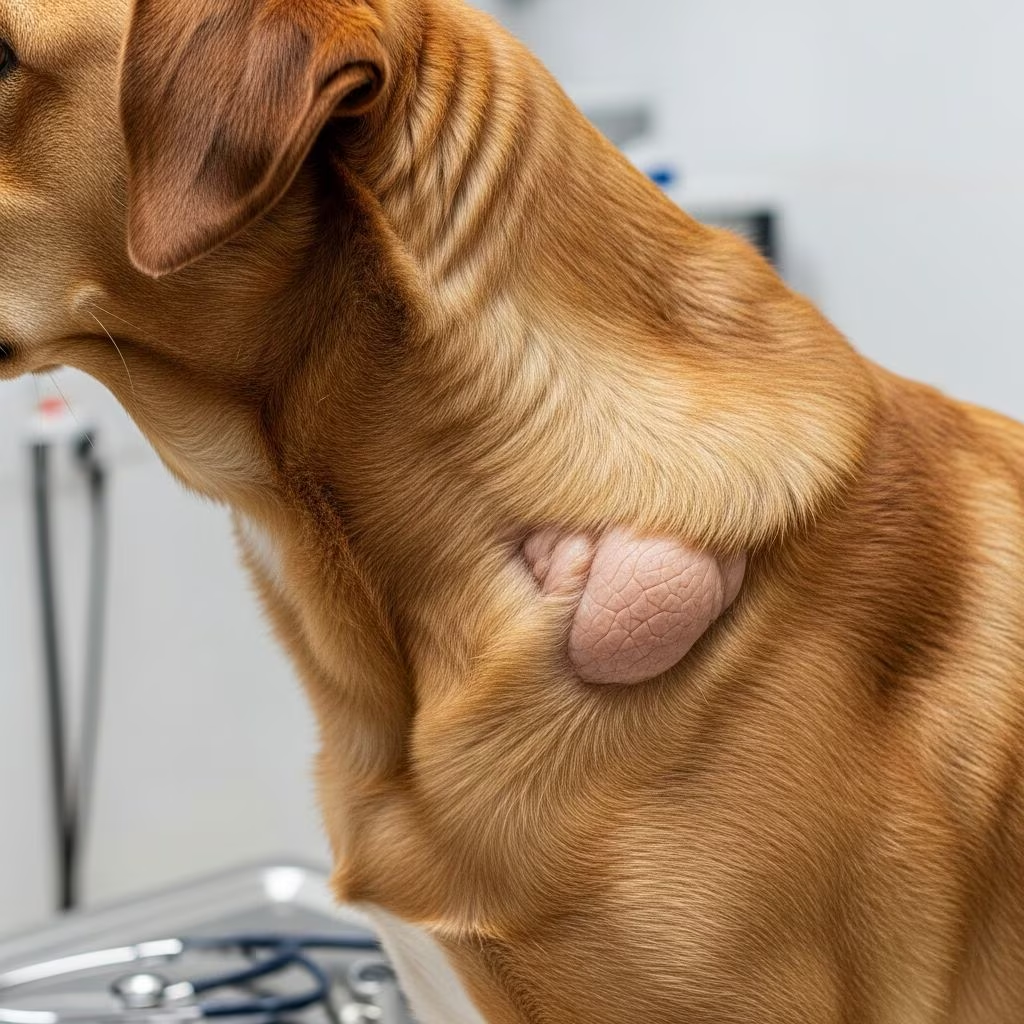
Discovering an unusual crackling sensation or visible swelling beneath your dog’s skin can be alarming for any pet owner. This condition, known as subcutaneous emphysema, occurs when air escapes from the respiratory system and becomes trapped in the tissue layers just beneath the skin’s surface. While the appearance and sensation may seem concerning, understanding what causes this condition and how veterinarians address it can help you provide appropriate care for your furry companion.
What Is Subcutaneous Emphysema and How Does It Form?
Subcutaneous emphysema represents the abnormal presence of air or gas accumulation within the subcutaneous tissue—the layer of tissue located directly beneath the outer layer of skin. When you touch an affected area, you typically notice a distinctive crackling or crepitus sensation, similar to the feeling of bubble wrap beneath your fingers. This sensation occurs because the trapped air pockets create an unusual texture as they shift under pressure.
The condition develops when air from the respiratory system, including the lungs, airways, or trachea, escapes its normal pathway and migrates into the subcutaneous spaces. Unlike simply having swelling or fluid accumulation, subcutaneous emphysema specifically involves gas pockets, which is why the distinctive crackling feeling occurs. The air can remain localized in one area or spread throughout the body, depending on the severity and underlying cause.
Common Causes and Risk Factors
Subcutaneous emphysema rarely develops without an underlying trigger. Understanding what causes this condition helps you recognize potential risks and take preventive measures when possible.
Traumatic Events and Injuries
Trauma represents one of the most common causes of subcutaneous emphysema in dogs. This includes severe crush injuries to the chest, neck region, or thoracic cavity that damage the delicate structures responsible for containing air. Dog-to-dog attacks can cause extensive trauma and puncture wounds that allow air to enter subcutaneous tissues. Crush injuries from accidents, falls, or being struck by vehicles can similarly damage the respiratory structures.
Structural Damage to the Respiratory Tract
When the integrity of the trachea, esophagus, or bronchial tubes becomes compromised, air can escape into surrounding tissues. Ruptures or perforations in these structures allow air that normally remains contained within the respiratory system to leak outward. Even small tears in the delicate walls of the esophagus or trachea can lead to subcutaneous emphysema development over time.
Surgical Complications
Veterinary procedures involving the thoracic cavity or areas near the esophagus occasionally result in small air leaks during the healing process. These complications may occur even when surgery is performed with appropriate care and technique. Procedures involving airway management or chest exploration carry inherent risks for potential air escape during recovery.
Underlying Lung Conditions
Dogs with chronic respiratory diseases develop subcutaneous emphysema through different mechanisms than acute trauma. Chronic bronchitis, alveolar diseases, or other persistent lung conditions can weaken the structural integrity of airways and alveolar walls. When these structures deteriorate, spontaneous small leaks become more likely to occur, causing air to accumulate beneath the skin over time.
Recognizing the Signs and Symptoms
Early recognition of subcutaneous emphysema allows for prompt veterinary intervention, potentially preventing complications from developing.
Physical Indicators You May Notice
- Crackling or crepitus sensation when gently palpating the affected area
- Visible swelling that may appear puffy or enlarged beneath the skin
- Areas of the body that seem soft or spongy to the touch
- Asymmetrical appearance if emphysema affects only one side of the body
Behavioral and Respiratory Changes
The severity of symptoms varies depending on the extent of air accumulation and whether underlying lung or airway damage exists. Most dogs with mild to moderate subcutaneous emphysema remain alert and maintain normal eating habits. However, some dogs may exhibit mild discomfort or appear restless, particularly if the swelling becomes extensive.
If air accumulates within the chest cavity itself (pneumothorax or pneumomediastinum), your dog may show difficulty breathing, labored respirations, or apparent breathlessness during activity. These signs warrant immediate veterinary attention, as they indicate more serious complications beyond simple subcutaneous air accumulation.
How Veterinarians Diagnose This Condition
A thorough diagnostic approach allows veterinarians to confirm subcutaneous emphysema and identify the underlying cause, which is essential for determining appropriate treatment.
Physical Examination Process
The veterinarian begins with careful palpation of the swollen areas to detect the characteristic crackling sensation and assess the extent of air distribution. They evaluate whether emphysema is localized to specific regions or distributed throughout the body. The vet also checks for tenderness, signs of infection, or other abnormalities that might indicate the severity of the underlying problem.
Listening to Respiratory Sounds
Thoracic auscultation—listening carefully to the lungs and airways with a stethoscope—helps detect abnormal breath sounds that may indicate air leakage or pulmonary disease. The veterinarian listens for crackling sounds, wheezing, or areas of reduced breath sound that provide clues about which respiratory structures are affected.
Imaging Studies
Thoracic radiographs represent a crucial diagnostic tool, as they allow visualization of air accumulation within the mediastinum, alveoli, lungs, or subcutaneous layers. X-rays confirm the presence and extent of emphysema and help the veterinarian identify whether pneumothorax or pneumomediastinum (air in the chest cavity or mediastinal space) is also present. These imaging studies directly guide treatment decisions.
Assessing Underlying Structural Problems
The veterinarian carefully evaluates whether injuries affect the trachea, bronchi, esophagus, or lung tissue. This assessment helps distinguish between simple air accumulation and serious structural damage requiring surgical repair. In some cases, advanced imaging or endoscopy may be necessary to visualize damaged structures.
Respiratory Function Evaluation
If your dog shows signs of respiratory distress, the veterinarian may perform additional testing such as arterial blood gas analysis or pulmonary function assessment to ensure your dog is receiving adequate oxygen and effectively eliminating carbon dioxide.
Treatment Approaches and Management Strategies
Treatment options vary based on the severity of subcutaneous emphysema, the underlying cause, and your dog’s overall health status.
Observation and Monitoring
For mild cases of subcutaneous emphysema that do not affect breathing or cause significant discomfort, conservative management involves close observation. The body naturally absorbs the trapped air over several days to weeks through the bloodstream. Your veterinarian may recommend home monitoring with periodic check-ins to ensure the condition improves without complications developing.
Addressing the Root Cause
If subcutaneous emphysema follows trauma such as dog bites, lacerations, or puncture wounds, the veterinarian will carefully manage the wound itself to prevent infection and further air leakage. This may involve thorough cleaning, appropriate antibiotics, and careful wound closure techniques to seal the entry point.
Drainage and Air Release
For more extensive subcutaneous emphysema causing significant discomfort or swelling, the veterinarian may perform needle aspiration or make a small incision to release trapped air safely. This procedure provides immediate relief by allowing the compressed air to escape, reducing pressure and discomfort.
Respiratory Support
Dogs experiencing breathing difficulty may require nasal oxygen therapy or other respiratory interventions to maintain adequate oxygenation while the emphysema resolves. This support ensures your dog receives sufficient oxygen during the recovery period.
Medication Administration
Veterinarians may prescribe anti-inflammatory medications such as dexamethasone or bronchodilators if airway inflammation or pulmonary disease contributes to the problem. These medications reduce swelling within the airways and improve air flow. Give prescribed medications exactly as directed, as consistent dosing supports healing and eases inflammation.
Surgical Intervention
In situations involving tracheal, esophageal, or alveolar perforation, surgical repair may be necessary to prevent ongoing air leakage and recurrence. While surgery represents a more intensive intervention, it may be essential for severe structural damage. A case report documented successful management of severe laryngeal crush injury with temporary tracheostomy placement and subcutaneous catheter drainage, resulting in good long-term outcomes.
Home Care During Recovery
Your role in supporting your dog’s recovery is essential for optimal outcomes.
Creating a Comfortable Environment
Soft bedding, quiet spaces, and calm interactions help your dog remain relaxed, reducing stress that could potentially worsen symptoms. Limit activity and avoid rough play during the recovery period to prevent additional stress on damaged respiratory structures.
Medication Management
Administer all prescribed medications exactly as directed by your veterinarian. This consistency supports healing and ensures therapeutic levels of anti-inflammatory drugs or other treatments remain effective.
Follow-Up Veterinary Care
Regular check-in appointments with your veterinarian ensure the subcutaneous emphysema resolves properly and that underlying lung or airway issues receive appropriate monitoring. These visits allow your vet to assess progress and adjust treatment if necessary.
Warning Signs Requiring Immediate Attention
While many cases of subcutaneous emphysema resolve without serious complications, certain signs warrant immediate veterinary evaluation.
Respiratory Distress
If your dog develops difficulty breathing, rapid or labored respirations, or appears to struggle for breath, seek immediate veterinary care. These signs indicate that air may have accumulated in the chest cavity, affecting lung function.
Infection Development
Watch for redness, warmth, swelling, or foul-smelling discharge around puncture wounds or lacerations. Fever accompanying these signs suggests infection, which requires prompt antibiotic treatment and possible drainage.
Eating or Digestive Problems
Vomiting or refusal to eat could indicate esophageal perforation or other complications from the original trauma or infection. These symptoms require prompt evaluation to rule out serious structural damage.
Frequently Asked Questions About Subcutaneous Emphysema
Is subcutaneous emphysema painful for dogs?
While subcutaneous emphysema itself does not inherently cause pain, the underlying trauma that caused it may result in discomfort. Extensive swelling can create pressure and mild discomfort. Your veterinarian can assess your dog for pain and recommend appropriate pain management if needed.
How long does recovery typically take?
Recovery time varies depending on the severity and underlying cause. Mild cases may resolve within days to weeks as the body absorbs the trapped air naturally. More severe cases or those requiring surgical intervention may take several weeks to months for complete resolution.
Can subcutaneous emphysema recur?
Recurrence is possible if the underlying structural damage is not adequately repaired. This is why identifying and addressing the root cause—whether through wound management, surgical repair, or treatment of underlying lung disease—is essential for preventing recurrence.
What is the long-term prognosis?
Most dogs recover well from subcutaneous emphysema once the underlying cause is identified and treated appropriately. Long-term outcomes depend on the severity of structural damage and how quickly treatment is initiated. Dogs with minor cases typically return to normal function, while those with significant respiratory tract damage may have residual breathing issues.
Understanding the Importance of Prompt Veterinary Care
Subcutaneous emphysema serves as an important warning sign that something has disrupted your dog’s respiratory system. While the condition itself is often manageable, the underlying cause requires professional evaluation to prevent serious complications. Early veterinary assessment, often including thoracic imaging, is essential to pinpoint the cause and guide appropriate treatment. By recognizing the signs of subcutaneous emphysema and seeking prompt veterinary care, you ensure your dog receives the safest and most effective treatment possible.
References
- Treatment of Subcutaneous Emphysema in Dogs — Padh Pet Healthcare Services. https://padhps.com/blogs/pad/treatment-of-subcutaneous-emphysema-in-dogs
- The successful use of a subcutaneous catheter in the management of subcutaneous emphysema secondary to laryngeal crushing injury and temporary tracheostomy tube placement in a dog — Wiley Online Library. Published October 4, 2023. https://onlinelibrary.wiley.com/doi/10.1111/vec.13322
- The vet thinks my dog has subcutaneous emphysema, how serious is it? — Dial A Vet. https://www.dialavet.com/vet-answers/dog-subcutaneous-emphysema-serious-expectations-318452



