

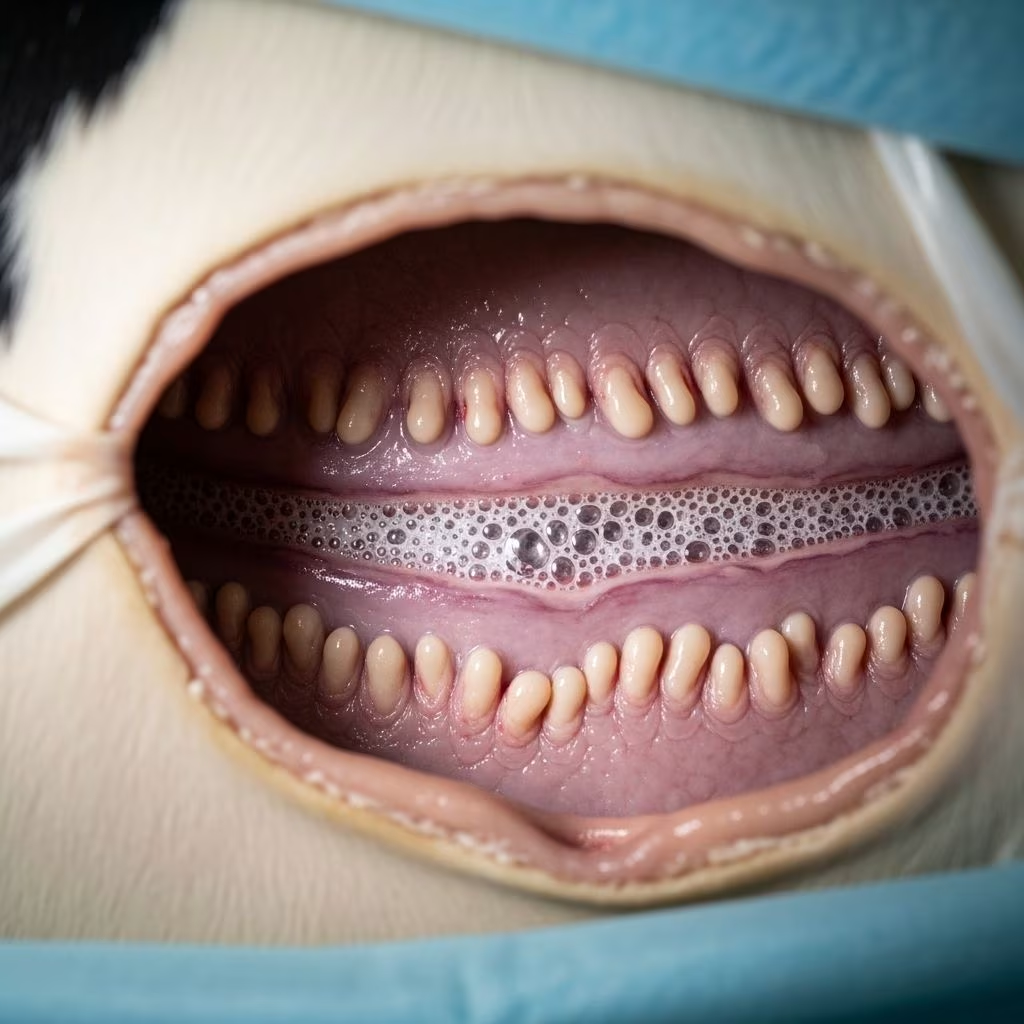
Subacute ruminal acidosis (SARA) represents a prevalent digestive disorder in cattle and sheep, characterized by repeated episodes of rumen pH dropping to 5.2–5.6 for extended periods, often without obvious clinical symptoms, leading to substantial production losses.
Understanding the Rumen’s Role in Ruminant Health
The rumen functions as a specialized fermentation vat in ruminants like cattle and sheep, hosting a diverse microbial community that breaks down fibrous feeds into volatile fatty acids (VFAs) essential for energy production. Maintaining a stable rumen pH around 6.0–7.0 is crucial, as fluctuations disrupt microbial balance, impair fiber digestion, and trigger inflammation. In high-production scenarios, such as dairy farming, imbalanced diets exacerbate this vulnerability, turning the rumen from an asset into a liability.
Ruminants rely on saliva’s bicarbonate buffering and ruminal papillae absorption to neutralize acids produced during fermentation. When these mechanisms are overwhelmed, SARA emerges, subtly eroding animal welfare and farm profitability over time.
Primary Triggers of SARA
SARA typically arises from dietary mismanagement, particularly sudden increases in rapidly fermentable carbohydrates like grains or silage, which fuel excessive VFA and lactic acid production. In dairy cattle, transitioning to high-concentrate rations without gradual adaptation heightens risk, as does inconsistent feed mixing that allows selective consumption of energy-dense particles.
- Feed sorting: Long or poorly chopped forages enable animals to pick concentrates, spiking local acidity.
- High-starch diets: Common in feedlots and early lactation, these overwhelm lactate-utilizing bacteria.
- Stress factors: Heat, overcrowding, or transport disrupt eating patterns, promoting acidosis.
In sheep, similar issues occur during intensive finishing on grains, though less documented than in cattle.
Recognizing Subtle Clinical Manifestations
Unlike acute acidosis, SARA lacks dramatic signs, making it insidious. Affected animals exhibit erratic feed intake, loose feces with bubbles or undigested grains, and reduced milk yield or fat content in cattle. Sheep may show weight loss and poor coat condition.
| Symptom | Cattle Indicators | Sheep Indicators |
|---|---|---|
| Feed Intake | Reduced or variable; loose manure with grains | Declining appetite, weight loss |
| Digestive | Foamy, acidic diarrhea; tail swishing | Mild scours, rumen stasis |
| Production | Low milk fat, fluctuating yield | Slower gains, poor fleece |
| Secondary | Lameness, body condition drop | Abscesses, lethargy |
These signs often appear at herd level, signaling widespread issues rather than individual cases.
Diagnostic Approaches for Confirmation
Diagnosis hinges on rumen pH monitoring, as clinical signs alone are nonspecific. Techniques include rumenocentesis—sampling fluid via flank puncture—or oral probes, targeting pH below 5.6 for 3+ hours daily. Herd-level clues like milk fat depression (<3.5% in Holsteins) or fecal analysis for undigested starch support findings.
Advanced methods involve reticulorumen boluses for continuous pH tracking, revealing fluctuations invisible during spot checks. Necropsy may reveal rumenitis or parakeratosis in chronic cases.
Physiological Disruptions Caused by SARA
SARA alters rumen ecology, favoring acid-tolerant gram-positive bacteria like Streptococcus bovis and suppressing fiber-digesting species, slashing digestibility by 20–25%. This nutrient shortfall impairs energy supply, while epithelial damage permits bacterial translocation, fostering liver abscesses and systemic inflammation.
Endotoxins from lysed gram-negatives contribute to laminitis via vascular disruption in hooves, manifesting as sole ulcers or white line disease. In sheep, similar pathology heightens lameness risks in housed flocks.
Economic and Welfare Implications
SARA inflicts hidden costs: 0.5–2 kg/day milk loss per cow, elevated culling (up to 15%), and veterinary bills from secondary conditions. In beef operations, it slows gains by 10–20%, eroding margins. Welfare suffers through chronic discomfort, fluctuating health, and shortened lifespans.
Producers often overlook SARA until productivity plummets, underscoring the need for proactive monitoring.
Effective Prevention Strategies
Prevention centers on balanced nutrition and management. Key tactics include:
- Gradual adaptation: Introduce concentrates over 2–3 weeks, limiting to 1–2% bodyweight daily.
- Fiber optimization: Ensure 28–32% NDF with >18% peNDF from chopped hay or silage to promote chewing and saliva flow.
- Buffer supplementation: Sodium bicarbonate (0.8–1% diet) stabilizes pH during high-risk periods.
- Feed bunk management: Frequent delivery, consistent mixing to prevent sorting; aim for 5% refusals.
In sheep, similar principles apply, with emphasis on pasture-grain transitions.
Treatment Protocols for Affected Animals
While prevention is paramount, treatment for confirmed SARA involves stabilizing pH via oral buffers, probiotics to restore flora, and high-fiber feeds. Severe cases may require fluids, thiamine for neurologic risks, and antibiotics for abscesses. Isolate affected individuals and reassess rations herd-wide.
Recovery typically spans days to weeks, with monitoring to avert relapse.
Monitoring Tools for Herd-Level Control
Implement weekly rumen pH sampling in 10–12% of the herd, fecal starch tests (<10% target), and milk component tracking. Automated sensors provide real-time data, enabling timely adjustments.
Future Directions in SARA Research
Ongoing studies explore microbial additives, precision feeding via sensors, and genetic selection for acidosis-resistant rumen microbiomes. Integrating these could revolutionize high-output systems.
Frequently Asked Questions (FAQs)
What is the main difference between acute and subacute ruminal acidosis?
Acute form causes rapid pH crash below 5.0 with severe symptoms like collapse; SARA involves milder, repeated drops (5.2–5.6) with subtle signs.
How can farmers prevent SARA without buffers?
Focus on uniform rations, adequate long fiber, and slow concentrate ramp-up to mimic natural foraging.
Does SARA affect sheep as much as cattle?
Less common but significant in grain-fed sheep, with similar prevention needs.
Can SARA cause lameness?
Yes, via rumenitis and endotoxins triggering laminitis, increasing sole ulcers by 2–3x.
What milk parameters indicate SARA?
Fat:protein ratio >1.5 or fat <3.5%, alongside yield dips.
References
- Acidosis in Cows: Causes, Symptoms, Treatment and Prevention — BouMatic. 2023. https://boumatic.com/expert-blog/milkgenius-acidosis-in-cows-causes-symptoms-treatment-and-prevention/
- Ruminal Acidosis (Grain Overload) — Ohio State University. 2021-04-27. https://u.osu.edu/sheep/2021/04/27/ruminal-acidosis-grain-overload/
- Rumen Acidosis — Veterinary Handbook. N/A. https://www.veterinaryhandbook.com.au/Diseases.aspx?diseasenameid=240
- Ruminal Acidosis in Feedlot: From Aetiology to Prevention — PMC (NCBI). 2014-06-09. https://pmc.ncbi.nlm.nih.gov/articles/PMC4247954/
- Part 2 – Sub Acute Ruminal Acidosis (SARA) — NADIS. N/A. https://www.nadis.org.uk/disease-a-z/cattle/nutrition-of-dairy-herds/part-2-sub-acute-ruminal-acidosis-sara/
- Grain Overload in Ruminants — Merck Veterinary Manual. N/A. https://www.merckvetmanual.com/digestive-system/diseases-of-the-ruminant-forestomach/grain-overload-in-ruminants



