

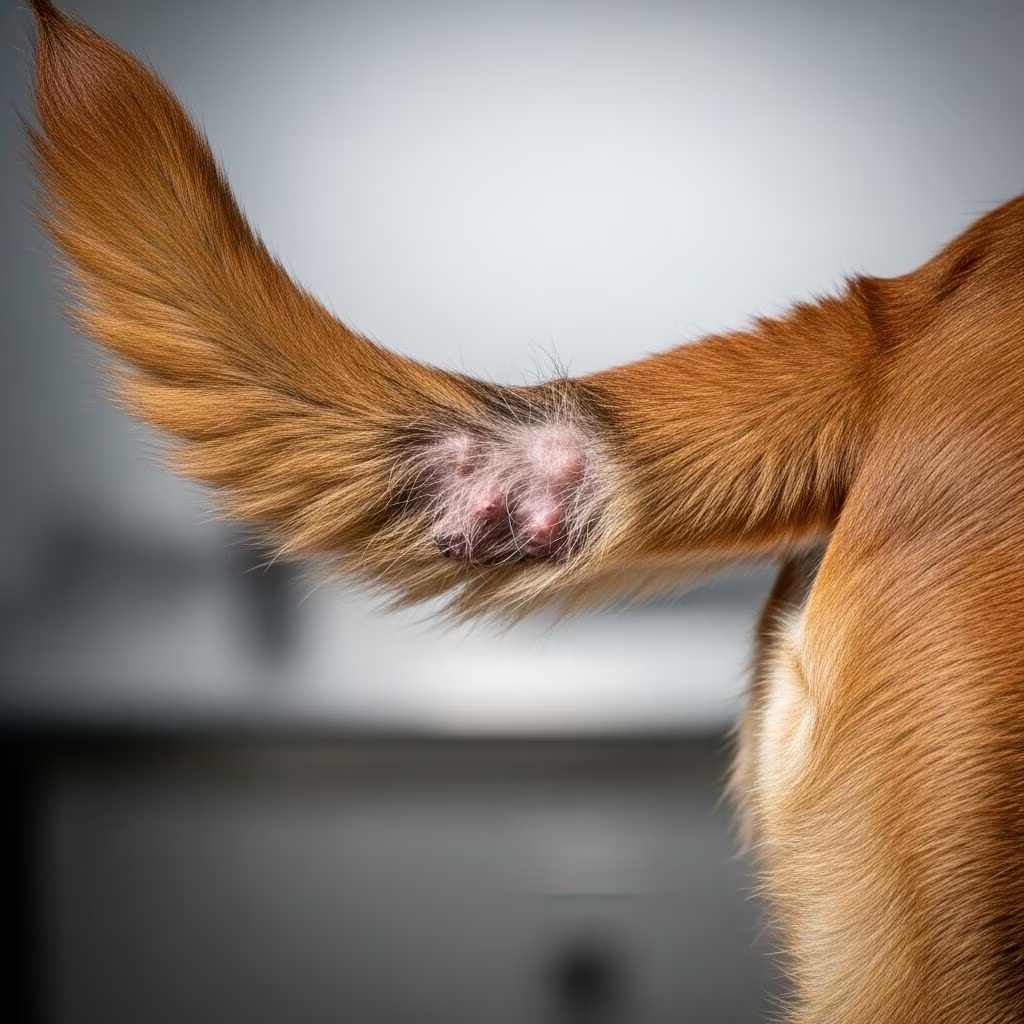
Understanding Stud Tail in Dogs: A Complete Guide
Stud tail, medically known as tail gland hyperplasia or supracaudal gland hyperplasia, is a common skin condition that affects dogs of various breeds and ages. This condition involves the enlargement and overactivity of the sebaceous glands located at the base of a dog’s tail. While the condition gets its name from its prevalence in intact male dogs, it can affect female dogs as well. Understanding the causes, symptoms, and available treatments can help pet owners manage this condition effectively and ensure their dog’s comfort and skin health.
The sebaceous glands involved in stud tail are responsible for producing sebum, an oily substance that helps protect and waterproof a dog’s coat while also being used for scent marking. When these glands become hyperactive or enlarged, they can cause significant discomfort and lead to various skin problems if left untreated.
What Exactly Is Stud Tail?
Stud tail refers to a condition characterized by the excessive production of oils and sebum from glands located on the dorsal (top) surface of the tail, approximately 3 centimeters from where the tail base joins the body. These specialized oil-producing glands, called supracaudal glands, become enlarged due to hormonal imbalances or other underlying factors, exerting pressure on hair follicles and causing hair loss in the affected area.
The condition is relatively common among dogs and is considered primarily a cosmetic issue, though it can cause physical discomfort and lead to secondary infections if not properly managed. Most cases occur in middle-aged or older dogs, though the condition can develop at any life stage.
Recognizing the Symptoms of Stud Tail
Pet owners should be aware of several key indicators that their dog may be developing stud tail. Early recognition of these symptoms allows for prompt veterinary intervention and more effective treatment.
Primary Symptoms
The most noticeable symptom of stud tail is a greasy, often foul-smelling patch of skin at the base of the tail. This greasy appearance occurs due to excessive sebum production from the hyperactive glands. The affected area may feel distinctly oily to the touch and may have a noticeably darker appearance compared to the surrounding skin.
Hair and Skin Changes
Dogs with stud tail typically exhibit hair loss or alopecia in the affected region, ranging from thinning hair to complete baldness over the gland area. The skin underneath may show various abnormalities, including:
- Crusting or scaling of the skin surface
- Red, inflamed, or irritated skin
- Blackheads or comedones (similar to acne in humans)
- Follicular casts and buildup of debris
- Visible swelling or bulging of the gland itself
Behavioral Indicators
In many cases, dogs experience discomfort from the condition, leading to noticeable behavioral changes. Affected dogs may excessively lick, chew, or rub their tail, attempting to relieve the irritation and discomfort. This self-trauma can further damage the skin and create openings for secondary bacterial infections to develop.
Understanding the Causes
The development of stud tail is typically multifactorial, with hormonal imbalances playing a primary role in its pathogenesis.
Hormonal Factors
The most significant cause of stud tail involves hormonal imbalances, particularly those related to androgens or testosterone. This hormonal influence explains why the condition is more commonly observed in intact (non-neutered) male dogs, though females can also develop the condition. Absolute or relative hyperandrogenism (elevated androgen levels) leads to hyperplasia of the sebaceous glands and associated hepatoid glands.
Secondary Causes
Beyond primary hormonal dysfunction, several other factors can contribute to or exacerbate stud tail development:
- Hypothyroidism (low thyroid hormone levels)
- Cushing’s syndrome (excessive cortisol production from adrenal glands)
- Tumors that produce hormones
- Primary seborrhea (generalized oily skin condition)
- Other skin disorders affecting hair growth cycles
Environmental and Hygiene Factors
Poor hygiene practices and inadequate grooming can contribute to stud tail development or worsen existing cases. When the area remains unwashed and debris accumulates, sebaceous glands can become blocked, and the region becomes more susceptible to secondary bacterial infections.
Diagnosis and Veterinary Evaluation
Proper diagnosis is essential to rule out other skin conditions that may present similarly and to identify any underlying hormonal or health issues.
Physical Examination
A veterinarian will begin by examining the affected area visually and through palpation. They will assess the degree of hair loss, skin inflammation, gland enlargement, and any signs of secondary infection. The characteristic location and appearance of lesions on the dorsal tail surface typically provide strong clinical indicators of stud tail.
Medical History and Assessment
Your veterinarian will inquire about your dog’s history, including age of onset, grooming habits, behavioral changes, and any previous episodes of the condition. This information helps differentiate stud tail from other dermatological conditions and identifies potential contributing factors.
Laboratory Testing
To confirm the diagnosis and rule out other conditions, your veterinarian may perform:
- Cytology samples from the affected area to examine cell types and identify infections
- Bacterial or fungal cultures to detect secondary infections
- Skin scrapings to rule out parasitic infestations
- Punch biopsy for histopathological examination if more serious conditions are suspected
- Hormonal level testing to identify endocrine imbalances such as hypothyroidism or Cushing’s syndrome
Treatment Options for Stud Tail
Treatment approaches range from conservative home care measures to more aggressive medical interventions, depending on the severity of the condition and underlying causes.
Hygiene Management
For mild cases without significant infection, improved hygiene and home care often form the foundation of treatment. Regular cleaning with specialized products helps control sebum buildup and prevents secondary infections. Recommended practices include:
- Gently washing the tail with a mild, dog-specific medicated shampoo recommended by your veterinarian
- Using anti-seborrhea shampoos or wipes containing benzoyl peroxide or chlorhexidine
- Thorough rinsing to remove all soap residue, which can further irritate the skin
- Trimming hair around the affected area to facilitate cleaning and reduce moisture retention
- Cleaning the area two to three times weekly for mild cases
It is important to avoid aggressive rubbing, scrubbing, or brushing of the area, as this can stimulate the glands to produce more oils and worsen the condition.
Medical Treatments
For more severe cases or those with secondary infections, veterinary medications become necessary:
- Antibiotics: Oral or topical antibiotics treat secondary bacterial infections that commonly develop from the dog’s self-trauma and compromised skin barrier.
- Corticosteroids: Short courses of prednisone or similar corticosteroids reduce inflammation and provide relief from discomfort, helping prevent further self-trauma.
- Topical treatments: Medicated ointments, lotions, or sprays may be applied directly to affected areas to control infection and promote healing.
Nutritional Support
Dietary modifications and supplements can support overall skin health and may help reduce sebum production. A balanced diet rich in omega-3 fatty acids promotes healthier skin and coat. Fish oil supplements are particularly beneficial, though any supplementation should be discussed with your veterinarian before implementation.
Hormonal Management
For intact male dogs experiencing recurrent episodes of stud tail, neutering or castration represents a long-term solution with excellent success rates. Neutering significantly reduces testosterone and other androgen levels that drive sebaceous gland hyperactivity, offering a permanent remedy for hormonally-driven cases.
Surgical Intervention
In rare cases with severe or resistant stud tail, particularly when the gland becomes excessively enlarged or bulging, surgical options may be considered. These include partial gland reduction or complete gland removal to resolve the condition.
Managing Your Dog’s Condition at Home
Following your veterinarian’s recommendations and establishing a consistent home care routine is crucial for managing stud tail effectively. Regular monitoring of the affected area helps track improvement or identify worsening conditions that require prompt veterinary attention. Maintaining good general hygiene practices and following grooming recommendations can prevent recurrence in dogs that have been successfully treated.
Prognosis and Prevention
The prognosis for stud tail is generally good with appropriate management. Most cases respond well to conservative treatment when identified early. Dogs with hormonally-driven cases often experience complete resolution following neutering. Preventing recurrence involves maintaining proper tail hygiene, avoiding excessive brushing or irritation of the area, and addressing underlying hormonal issues when present.
Frequently Asked Questions About Stud Tail
Q: Can female dogs develop stud tail?
A: Yes, despite its name, stud tail can affect female dogs as well as males. While the condition is more common in intact males due to testosterone influence, females can develop tail gland hyperplasia from other hormonal imbalances or underlying conditions.
Q: Is stud tail contagious to other dogs or humans?
A: No, stud tail is not contagious to humans or other dogs. It is a condition specific to the individual dog’s hormonal or skin health status.
Q: What should I do if my dog’s stud tail is getting worse?
A: If symptoms worsen despite home care or signs of infection develop, contact your veterinarian immediately. Worsening conditions may require oral medications, antibiotics, or additional diagnostic testing to identify underlying causes.
Q: How long does treatment typically take?
A: Treatment duration varies depending on severity and underlying causes. Mild cases may improve within 2-4 weeks of consistent home care, while more severe cases may require several weeks of medication and management.
Q: Will neutering definitely cure stud tail in male dogs?
A: Neutering has a high success rate for resolving hormonally-driven stud tail in males by reducing testosterone levels. However, if other hormonal imbalances (like hypothyroidism or Cushing’s syndrome) are contributing factors, those conditions must also be addressed.
Q: Can I use human acne treatments on my dog’s stud tail?
A: No, you should only use veterinarian-approved products specifically formulated for dogs. Human medications and treatments may contain ingredients harmful to dogs or may be improperly concentrated for canine skin.
Q: Is stud tail a serious condition?
A: While primarily a cosmetic issue in most cases, untreated stud tail can lead to discomfort, hair loss, skin thickening, and secondary infections that require more intensive treatment. Early intervention prevents complications.
References
- Stud Tail in Dogs: Symptoms, Causes, & Treatments — DogTime. 2024. https://dogtime.com/dog-health/155685-stud-tail-in-dogs-symptoms-causes-treatments
- A Pain near the Butt: Stud Tail in Dogs — Valor Goldens. 2015. https://valorgoldens.com/stud-tail-in-dogs
- Tail Gland Hyperplasia in Dogs — Frank Rowe & Son. 2024. https://www.frankroweandson.com/blog/tail-gland-hyperplasia
- Tail Gland Hyperplasia in Dogs — PetEdge. 2024. https://www.petedge.com/blog/tail-gland-hyperplasia
- Skin: Tail Gland Hyperplasia in Dogs — Vetlexicon. 2024. https://www.vetlexicon.com/canis/dermatology/articles/skin-tail-gland-hyperplasia
- Stud Tail In Dogs — Whole Dog Journal. 2024. https://www.whole-dog-journal.com/health/stud-tail-in-dogs
- Stud Tail In Dogs: Everything You Need To Know — Kingsdale Animal Hospital. 2024. https://www.kingsdale.com/stud-tail-in-dogs-everything-you-need-to-know



