

Understanding Stud Tail in Dogs: A Complete Guide to Tail Gland Hyperplasia
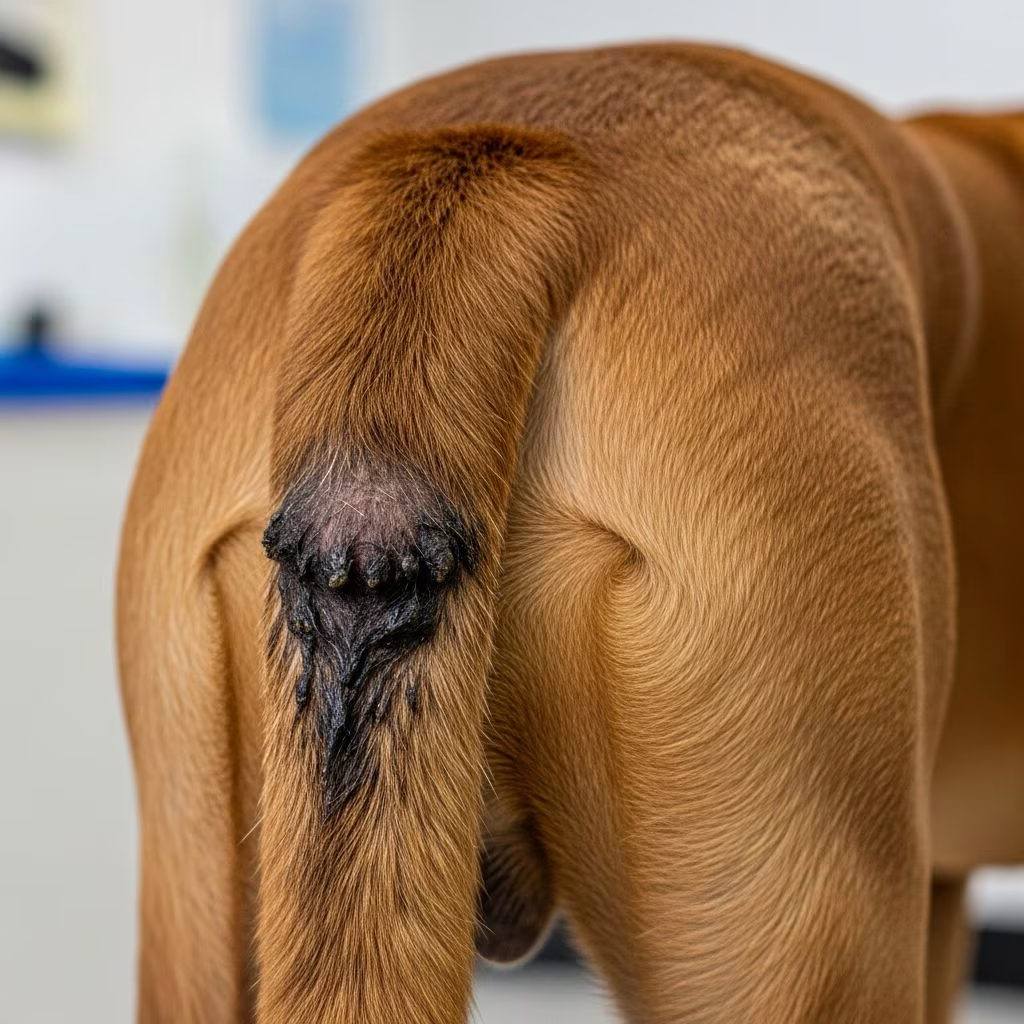
Stud tail, medically known as tail gland hyperplasia or supracaudal gland hyperplasia, is a common skin condition that affects the sebaceous glands located at the base of a dog’s tail. This condition involves the overproduction of sebum—an oily substance naturally produced by the body to protect and moisturize the skin. While the name suggests it primarily affects intact male dogs, stud tail can develop in any dog, regardless of sex or reproductive status. Understanding this condition is essential for dog owners, as early recognition and treatment can prevent complications and improve your pet’s comfort.
The sebaceous glands at the base of the tail, specifically the supracaudal glands, serve important functions in dogs. These oil-producing glands help with scent marking and contribute to waterproofing the dog’s coat. However, when these glands become hyperactive or enlarged, they can cause a range of uncomfortable symptoms that may affect your dog’s quality of life. Unlike some serious health conditions, stud tail is not life-threatening, but it does require proper attention to prevent secondary complications.
What Are the Symptoms of Stud Tail in Dogs?
The symptoms of stud tail are typically localized to the area at the top of the tail, just below the base. Pet owners and groomers often notice a distinctive patch of thinning hair or complete hair loss in this region. Understanding these symptoms can help you identify the condition early and seek appropriate veterinary care.
Common signs of stud tail include:
– A greasy, smelly patch at the top of the tail near the base- Hair loss or alopecia in the affected area- Crusting or scaling of the skin- Red, inflamed skin that may appear darker than surrounding areas- Blackheads or comedones- Follicular casts and excessive greasiness- Swelling or bulging of the gland in the affected area- Secondary bacterial infections marked by pus or scabbing
In more severe cases, dogs may experience noticeable discomfort, leading them to excessively lick, chew, or rub at their tail. This self-trauma can worsen the condition and create openings for secondary infections. If left untreated, the skin in the affected area may thicken, and the condition can become increasingly uncomfortable for your dog.
Understanding the Causes of Stud Tail
The development of stud tail is primarily linked to hormonal imbalances, particularly involving androgens and testosterone. This hormonal influence explains why the condition is historically more common in intact male dogs, though it can affect dogs of any sex.
Primary causes of stud tail include:
– Excess androgenic hormones, particularly testosterone- Hormonal imbalances from adrenal gland disorders such as Cushing’s syndrome- Tumors that cause abnormal hormone production- Hypothyroidism (low thyroid hormone levels)- Primary or secondary seborrhea affecting the tail region
Beyond hormonal factors, several environmental and behavioral factors can contribute to or exacerbate stud tail development. Poor hygiene practices, inadequate grooming, and blocked sebaceous glands can make the area more susceptible to the condition and secondary infections. The exact mechanisms behind gland overactivity aren’t always completely understood, but the hormonal connection is well-established through clinical observation and research.
How Is Stud Tail Diagnosed?
Accurate diagnosis of stud tail is crucial, as several other skin conditions can present with similar symptoms. Your veterinarian will conduct a thorough examination to confirm the diagnosis and rule out other potential causes.
The diagnostic process typically includes:
– Physical examination of the affected area to assess for gland enlargement, swelling, and hair loss- Review of your dog’s medical history, grooming habits, and any additional symptoms you’ve noticed- Cytology or microscopic examination of samples from the affected area to identify any secondary infections or abnormalities- Bacterial or fungal cultures if infection is suspected- A needle aspirate or punch biopsy to rule out tumors or more serious conditions if indicated- Assessment of age of onset and presentation pattern
During the examination, your veterinarian will differentiate stud tail from other conditions such as allergies, parasitic infections, or other skin disorders that could cause similar signs. A distinctive feature of stud tail is the expansion and bulging of the supracaudal gland in the affected area, particularly if your dog has already lost fur around the gland. This visible enlargement can be an important diagnostic indicator.
Treatment Options for Stud Tail
The good news is that stud tail responds well to appropriate management in most cases. Treatment focuses on reducing sebum production, maintaining proper hygiene, and controlling any secondary infections. The specific approach will depend on the severity of your dog’s condition and any underlying hormonal imbalances.
Improving Hygiene and Home Care
For mild cases, improving hygiene practices is often the first line of treatment. Regular cleansing of the affected area helps remove excess oils and debris that contribute to the condition.
Recommended hygiene practices include:
– Gently washing the top of the tail with a mild, dog-specific medicated shampoo recommended by your veterinarian- Using anti-seborrhea shampoos or wipes containing benzoyl peroxide or chlorhexidine- Performing cleaning sessions two to three times per week as needed- Following shampoo application with thorough rinsing to remove all soap residue, as leftover product can further irritate the skin- Using a light conditioner after shampooing to soothe the skin- Trimming hair around the affected area to make it easier to keep clean- Avoiding excessive rubbing, scrubbing, or brushing of the area, as this can stimulate the glands to produce more oil
Medications and Veterinary Treatment
More severe cases may require pharmaceutical intervention. Your veterinarian can prescribe several types of medications depending on your dog’s specific situation and any complications that have developed.
Common medications include:
– Antibiotics to treat or prevent secondary bacterial infections- Corticosteroids such as prednisone to reduce inflammation and provide relief to your dog- Short courses of corticosteroids to help manage acute inflammation
Nutritional Support
Diet plays an important role in maintaining overall skin health. Feeding your dog a balanced diet rich in omega-3 fatty acids may help improve skin condition and reduce sebaceous gland activity.
– Fish oil supplements and other omega-3 rich foods can be beneficial- Consult with your veterinarian before adding any new supplements to your dog’s routine
Hormonal Management
For intact male dogs with recurrent or severe stud tail, neutering or castration is often recommended as a long-term solution. Neutering can significantly reduce the hormone levels that contribute to sebaceous gland overactivity, offering a permanent solution to the problem. In cases where hormonal imbalances from other sources are suspected, such as Cushing’s syndrome or hypothyroidism, your veterinarian may recommend specific treatments for these underlying conditions.
Surgical Intervention
In rare cases where the gland is severely enlarged or surgical reduction is necessary, more advanced interventions may be considered. Surgical options include reduction of the gland size or complete gland removal if the condition is severe and unresponsive to other treatments.
Complications and When to Seek Veterinary Care
While stud tail itself is not life-threatening, untreated or severe cases can lead to complications. If your dog is experiencing excessive licking or chewing of the affected area, or if you notice signs of infection such as pus, scabbing, or increasing inflammation, contact your veterinarian promptly. Secondary bacterial infections are one of the most common complications and typically require topical or oral antibiotics for treatment.
It’s important to note that stud tail is not contagious to humans, so there are no public health concerns with the condition.
Prognosis and Long-Term Management
The prognosis for stud tail is generally good, with most cases responding well to appropriate management. With consistent home care and veterinary follow-up, many dogs experience significant improvement in symptoms. For mild cases that are primarily cosmetic concerns, proper grooming and hygiene maintenance may be all that’s needed.
Long-term management strategies should be tailored to your individual dog’s needs and the severity of their condition. Regular monitoring of the affected area and maintaining good hygiene practices can help prevent recurrence or worsening of symptoms.
Frequently Asked Questions About Stud Tail in Dogs
Q: Can female dogs develop stud tail?
A: Yes, despite its name suggesting otherwise, stud tail can affect female dogs as well as males. For this reason, veterinarians often prefer the more accurate medical term “tail gland hyperplasia” to describe the condition.
Q: Is stud tail contagious to humans or other pets?
A: No, stud tail is not contagious to humans or other pets. It is a localized condition specific to the affected individual dog.
Q: Will neutering my male dog eliminate stud tail?
A: Neutering can significantly reduce or eliminate stud tail in intact male dogs by lowering testosterone levels that contribute to gland hyperactivity. However, if the condition is caused by other hormonal imbalances, neutering may not completely resolve the issue.
Q: How often should I clean my dog’s tail if they have stud tail?
A: The frequency depends on the severity of the condition. Mild cases may respond to cleaning two to three times per week, while more severe cases may require more frequent attention. Your veterinarian will recommend the appropriate frequency for your dog.
Q: Can I use regular human shampoo on the affected area?
A: No, you should only use dog-specific medicated shampoos recommended by your veterinarian. Human products may contain ingredients that irritate your dog’s skin and worsen the condition.
Q: Is stud tail a sign of a serious underlying disease?
A: While stud tail itself is not serious or life-threatening, it can sometimes indicate underlying hormonal imbalances such as Cushing’s syndrome or hypothyroidism. Your veterinarian may recommend diagnostic testing to rule out these conditions.
Q: What should I do if my dog develops a secondary infection from stud tail?
A: Secondary bacterial infections require prompt veterinary attention and typically respond well to topical or oral antibiotics prescribed by your veterinarian. Continue with proper hygiene practices while also following your vet’s medication recommendations.
References
- Stud Tail in Dogs: Symptoms, Causes, & Treatments — DogTime. 2024. https://dogtime.com/dog-health/155685-stud-tail-in-dogs-symptoms-causes-treatments
- A Pain near the Butt: Stud Tail in Dogs — Valor Goldens. 2015. https://valorgoldens.com/wp-content/uploads/2015/07/Dead-Tail-A-Pain-near-the-Butt.pdf
- Tail Gland Hyperplasia in Dogs — Frank Rowe & Son. 2024. https://www.frankroweandson.com/blog/tail-gland-hyperplasia/
- Tail Gland Hyperplasia in Dogs — PetEdge. 2024. https://www.petedge.com/blog/tail-gland-hyperplasia/
- Skin: Tail Gland Hyperplasia in Dogs — Vetlexicon. 2024. https://www.vetlexicon.com/canis/dermatology/articles/skin-tail-gland-hyperplasia/
- Stud Tail in Dogs — Whole Dog Journal. 2024. https://www.whole-dog-journal.com/health/stud-tail-in-dogs/
- Stud Tail in Dogs: Everything You Need To Know — Kingsdale Animal Hospital. 2024. https://www.kingsdale.com/stud-tail-in-dogs-everything-you-need-to-know



