

Understanding Stud Tail in Cats: A Complete Guide
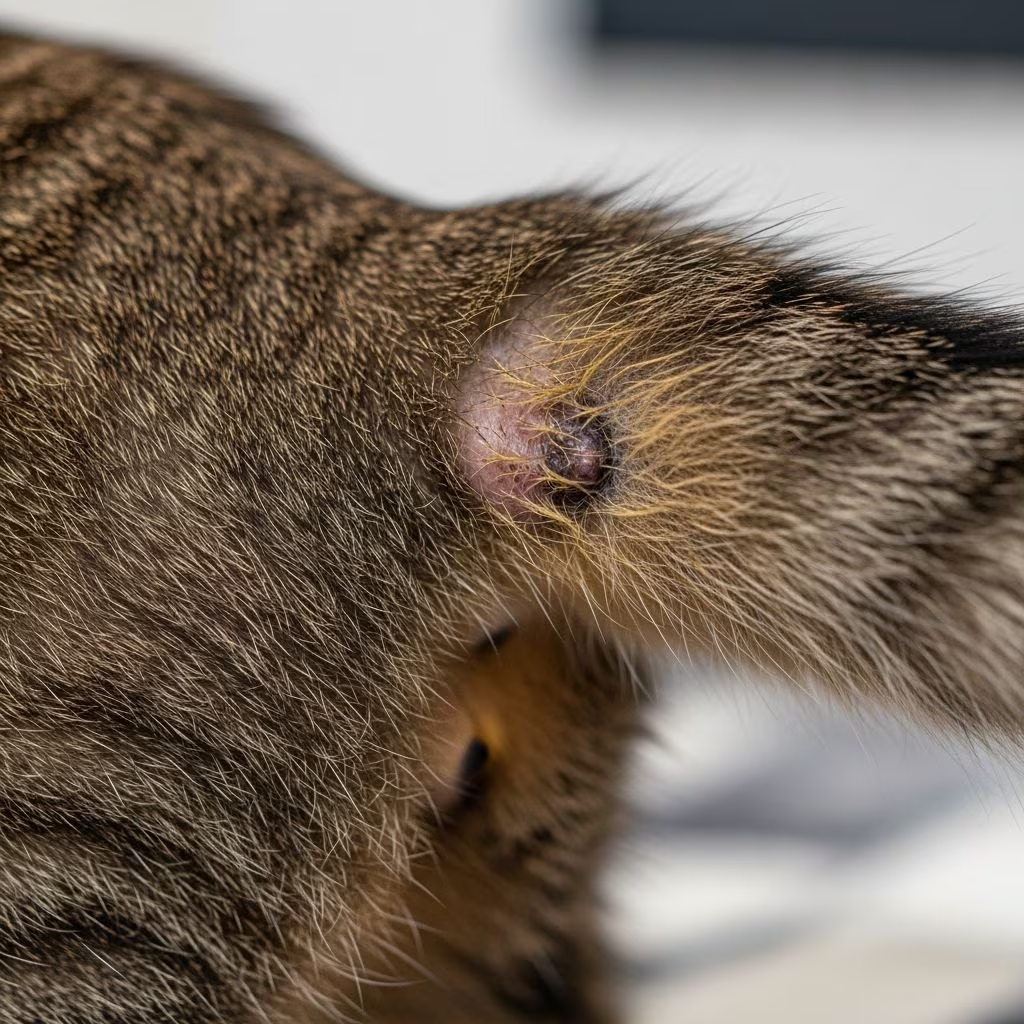
Stud tail, medically known as supracaudal gland hyperplasia or tail gland hyperplasia, is a dermatological condition affecting the sebaceous glands located at the base of a cat’s tail. This condition causes these oil-producing glands to become enlarged and overactive, leading to excessive sebum production that can result in skin disease, discomfort, and secondary infections. While the condition is more commonly observed in intact male cats, it can affect neutered males and female cats as well. Understanding this condition is essential for cat owners who want to maintain their pet’s skin health and overall well-being.
What Causes Stud Tail?
The primary cause of stud tail involves the abnormal enlargement and overactivity of the supracaudal glands, which are specialized sebaceous glands found at the base of the tail. These glands naturally secrete sebum, an oily substance that helps protect and lubricate the skin and fur. However, in cats with stud tail, these glands produce excessive amounts of sebum, leading to a buildup of oil and cellular debris.
Male hormones, particularly androgens, play a significant role in the development of stud tail. This is why the condition is most frequently observed in intact male cats whose hormone levels remain naturally elevated. The presence of testosterone and other male sex hormones encourages increased sebum secretion, making unneutered males particularly susceptible to this condition. However, it’s important to note that female cats and neutered males can also develop stud tail, suggesting that hormonal factors are not the only contributing element.
Beyond hormonal influences, secondary factors may contribute to the severity and persistence of stud tail. Poor grooming habits, inadequate hygiene, stress, and underlying skin conditions can all exacerbate the problem. Additionally, bacterial infections often develop as a secondary complication when the excessive oil and cellular material create an ideal environment for pathogenic microorganisms to flourish.
Recognizing the Symptoms
Identifying stud tail early is crucial for effective management. Cat owners should be aware of the following clinical signs that may indicate their pet has this condition:
Primary Symptoms
Greasy or Oily Fur: The most noticeable sign of stud tail is the presence of greasy, sometimes matted or clumped fur at the base of the tail. This oily appearance results from excessive sebum production and can make the tail area look unkempt and dirty. The fur may appear yellowish-brown or have a distinctly waxy texture.
Hair Loss: As the condition progresses, cats often experience hair loss (alopecia) at the base of the tail due to inflammation, irritation, and follicle damage. The affected area may appear bald or have sparse hair growth, creating a noticeable patch.
Blackheads and Scaling: Comedones (blackheads) frequently appear on the skin at the base of the tail. Along with blackheads, owners may notice scales, crusts, and thickened skin, particularly in chronic cases. The skin may also show pigmentation changes as the condition becomes more severe.
Foul Odor: The accumulated oils often produce a distinctive musky or fishy odor that can be quite pungent. This unpleasant smell is caused by the sebum and bacterial overgrowth in the area.
Secondary Symptoms
Skin Irritation and Infection: In more severe cases, cats may develop redness, swelling, discharge, pustules, and even fistulas. Bacterial infections are common secondary complications that can significantly worsen the condition and cause considerable discomfort.
Behavioral Changes: Affected cats may exhibit behavioral modifications such as increased anxiety, restlessness, or excessive licking and biting of the tail area. Self-trauma from scratching and biting can further damage the skin and increase the risk of infection.
Diagnosis and Veterinary Examination
Diagnosis of stud tail is primarily based on physical examination and the presence of characteristic symptoms at the base of the tail. Your veterinarian will inspect the affected area closely, looking for the distinctive signs mentioned above. In most cases, the clinical presentation is so characteristic that additional diagnostic testing may not be necessary.
However, if a secondary bacterial infection is suspected, your veterinarian may recommend bacterial culture and sensitivity testing to identify the specific pathogenic organisms involved and determine the most effective antibiotic treatment. This is particularly important in severe or recurrent cases where infection is complicating the primary condition.
Physical examination typically reveals the telltale combination of excessive sebum, hair loss, comedones, and variable degrees of inflammation. Your veterinarian will also assess the severity of the condition to determine the most appropriate treatment approach for your individual cat.
Treatment and Management Strategies
Effective management of stud tail typically involves a multi-faceted approach tailored to the individual cat’s needs and the severity of the condition. Treatment strategies range from topical care and hygiene measures to medical interventions and, in some cases, surgical options.
Topical Hygiene and Care
Medicated Shampoos: Regular use of specialized shampoos is fundamental to managing stud tail. Antiseborrheic shampoos containing ingredients such as salicylic acid, benzoyl peroxide, or sulfur help reduce oil production, unclog pores, and eliminate excess sebum. Initially, these shampoos should be used twice weekly, though frequency may be adjusted based on response.
Antiseptic Rinses: Chlorhexidine rinses are particularly useful for managing mild infections or scaling. These antiseptic solutions help prevent bacterial colonization and can be applied initially two to three times daily in mild cases.
Hair Management: Carefully clipping or shaving matted fur improves topical access and enhances hygiene in the affected area. This allows medicated treatments to reach the skin more effectively and helps control oil buildup. Gentle handling is essential to avoid further irritating the sensitive skin.
Absorbent Powders: After cleaning, cornstarch powder or specialized grooming powders can be applied to absorb residual oils between treatments, helping to maintain dryness in the area.
Medical Interventions
Topical Medications: For mild infections or cases with minimal bacterial involvement, topical antibiotics and anti-seborrheic agents may be sufficient to control symptoms.
Oral Antibiotics: When bacterial infection is confirmed through culture results, oral antibiotics become necessary to treat the underlying infection effectively. The choice of antibiotic depends on sensitivity testing results.
Anti-inflammatory Therapy: In severe and pruritic cases, corticosteroids may be prescribed to reduce inflammation and alleviate discomfort, though these should be used judiciously and under veterinary supervision.
Neutering: For intact male cats, neutering is often one of the most effective treatment options. By removing the testicles, which are responsible for producing the male hormones that drive sebaceous gland overactivity, neutering can significantly reduce or even eliminate symptoms. Many cats show marked improvement within 6 to 8 weeks following the procedure.
Surgical Intervention: In refractory cases that fail to respond to conservative management, or in situations where the tail is severely damaged, painful, or necrotic, surgical removal or tail amputation may be considered as a last resort.
Preventive and Supportive Care
Beyond direct treatment, several preventive measures can help manage stud tail and prevent recurrence:
Regular Grooming: Consistent grooming removes dirt, dander, and excess oils from the fur and skin around the tail base, preventing worsening of symptoms.
Stress Management: Stressful events can trigger hormonal imbalances in cats, potentially exacerbating stud tail. Managing stress through play, environmental enrichment, and other stress-reducing activities can help prevent or minimize symptoms.
Healthy Diet: A balanced diet rich in essential nutrients supports overall health and immune function, helping to prevent skin conditions including stud tail. Proper nutrition is fundamental to maintaining healthy skin and coat.
Prognosis and Long-Term Outlook
The prognosis for stud tail is generally favorable, especially when appropriate management strategies are implemented early. Most cases respond well to a combination of topical care and hygiene measures. For intact males undergoing neutering, the prognosis is particularly good, with many cats experiencing significant or complete resolution of symptoms within weeks.
However, chronic or severe cases may require ongoing maintenance care, and some cats may experience recurrence of symptoms if treatment is discontinued. In refractory cases that fail to respond to standard management approaches, more aggressive interventions may be necessary. With consistent care and appropriate veterinary guidance, most cats can return to comfort and maintain good skin health.
Frequently Asked Questions About Stud Tail
Q: Can neutering completely cure stud tail?
A: Neutering often leads to significant improvement or complete resolution of stud tail in intact male cats by reducing androgen production. However, in some cases, longstanding changes may persist, and maintenance care remains important even after neutering. The success of neutering depends on factors such as how long the condition has been present and whether secondary complications have developed.
Q: Is stud tail only seen in male cats?
A: While stud tail is most commonly observed in intact male cats due to hormonal factors, it can also occur in neutered males and female cats. When the condition develops in spayed or neutered cats, other factors beyond male hormones may be contributing, such as poor grooming habits, secondary infections, or underlying skin conditions.
Q: Can stud tail be prevented?
A: Yes, stud tail can often be prevented or its severity minimized through neutering male cats, maintaining proper grooming and hygiene, managing stress, and providing a healthy diet. For intact males, neutering is the most effective preventive measure. Regular grooming and environmental management also play important roles in prevention.
Q: Should I shave or clip the fur around the tail?
A: Yes, carefully shaving or clipping the fur in the affected area is often recommended. This improves topical treatment access and helps control oil buildup, making it easier to maintain hygiene and apply medicated treatments. Gentle handling is important to avoid further irritating the sensitive skin.
Q: How long does treatment usually take?
A: Treatment duration varies depending on the severity of the condition and the response to therapy. Mild cases may improve within weeks with appropriate topical care, while severe cases may require several months of consistent treatment. Neutered cats often show marked improvement within 6 to 8 weeks after surgery.
Q: What should I do if stud tail develops a secondary infection?
A: If you suspect a bacterial infection, contact your veterinarian immediately. Your vet may recommend bacterial culture and sensitivity testing to identify the pathogenic organisms and determine the most effective antibiotic treatment. Oral antibiotics based on culture results, combined with appropriate topical care, are typically necessary to resolve the infection.
Q: Can stud tail cause permanent damage to the tail?
A: While most cases respond well to treatment without permanent damage, severe, chronic, or untreated cases may result in permanent skin changes, scarring, or in extreme cases, tissue necrosis requiring surgical intervention. Early diagnosis and appropriate management help prevent such complications.
When to Contact Your Veterinarian
If you notice any signs of stud tail in your cat, schedule a veterinary appointment promptly. Seek immediate veterinary attention if you observe signs of severe infection, such as oozing discharge, significant swelling, fistulas, or behavioral changes indicating pain or distress. Early intervention typically results in faster resolution and prevents complications that could lead to more serious health issues.
Conclusion
Stud tail (supracaudal gland hyperplasia) is a manageable dermatological condition that, while uncomfortable for affected cats, responds well to appropriate treatment and management strategies. Through a combination of meticulous topical hygiene, medical therapy, addressing any grooming barriers, and considering neutering for intact males, most cats can return to comfort and maintain healthy skin. Understanding the signs, causes, and treatment options empowers cat owners to take proactive steps in managing this condition and ensuring their feline companions enjoy optimal health and well-being.
References
- Stud Tail (Supracaudal Gland Hyperplasia) in Cats – AskAVet.com — AskAVet. 2025. https://askavet.com/blogs/news/stud-tail-supracaudal-gland-hyperplasia-in-cats-vet-dermatology-guide-2025
- Tail Gland Hyperplasia (Stud Tail) in Cats — PetCareRx. https://www.petcarerx.com/article/tail-gland-hyperplasia-stud-tail-in-cats/6700
- Stud Tail in Cats | Supracaudal Gland Hyperplasia in Cats — PetMD. https://www.petmd.com/cat/conditions/skin/c_ct_stud_tail_supracaudal_gland_hyperplasia
- Stud Tail in Cats: Vet Approved Signs, Causes, & Treatments — Catster. https://www.catster.com/cat-health-care/stud-tail-in-cats/
- Acne and Stud Tail — International Cat Care. https://icatcare.org/articles/acne-and-stud-tail



