

Understanding Stud Tail in Cats
Stud tail, medically known as supracaudal gland hyperplasia or tail gland hyperplasia, is a skin condition that affects the sebaceous glands located at the base of a cat’s tail. This condition results in the enlargement and overactivity of these specialized oil-producing glands, leading to excessive sebum secretion and various skin-related complications. While the condition is relatively uncommon in cats, it can cause significant discomfort and requires proper veterinary attention and management.
The supracaudal gland contains numerous sebaceous glands that naturally produce an oily substance called sebum. This substance typically helps maintain healthy skin and coat in cats. However, when these glands become hyperactive or enlarged, they produce abnormal amounts of sebum, resulting in the characteristic signs and symptoms associated with stud tail. Understanding this condition is essential for cat owners who want to maintain their pet’s health and comfort.
Who Is Most Affected by Stud Tail?
Although stud tail can develop in any cat, certain populations are at higher risk than others. The condition is most commonly observed in intact (unneutered) male cats, as male hormones naturally encourage increased sebum secretion from the supracaudal glands. However, it is important to note that neutered male cats and female cats can also develop this condition, particularly if underlying hormonal imbalances exist or if other contributing factors are present.
Interestingly, some cats may be genetically predisposed to stud tail, meaning certain breeds or individual cats may have a natural tendency toward sebaceous gland hyperplasia. Additionally, cats experiencing stress or hormonal fluctuations may be more susceptible to developing this condition.
Recognizing the Symptoms of Stud Tail
The symptoms of stud tail can vary considerably depending on the severity of the condition and the underlying cause. Early recognition of these signs is crucial for prompt treatment and prevention of complications. Here are the primary symptoms to watch for:
Appearance and Texture Changes
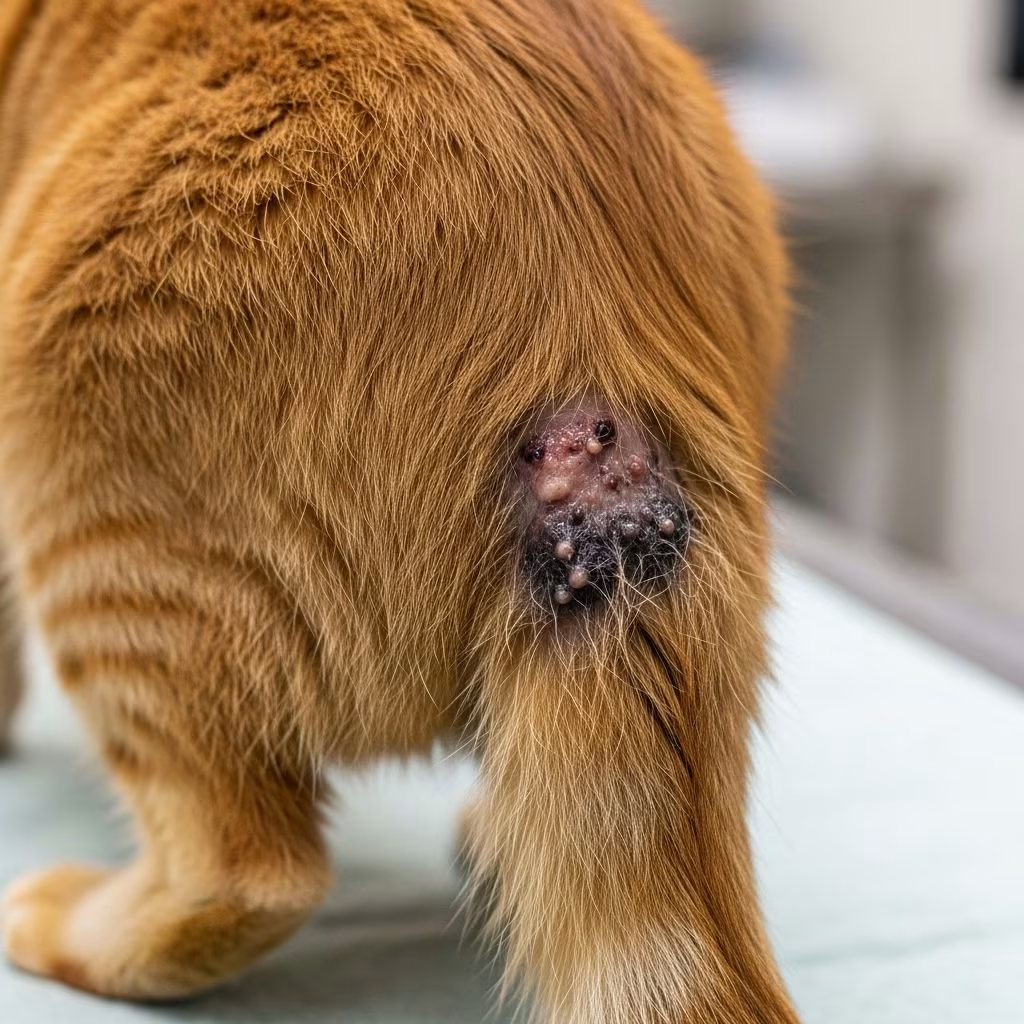
One of the most noticeable signs of stud tail is a greasy or oily appearance to the fur at the base of the tail. The hair may appear matted or clumped together, and in severe cases, the fur may become yellowed, particularly in light-haired cats. The skin itself may develop scaling and crusting lesions that are visible to the naked eye.
Blackheads and Skin Lesions
As the sebaceous glands produce excessive oil, hair follicles become blocked and clogged with sebum. This allows blackheads, medically termed comedones, to develop on the skin surface. In more advanced cases, the area may become lumpy or bumpy, and the skin may appear thickened. If left untreated, these blackheads can become infected, leading to crusting lesions, fistulas, and draining tracts.
Hair Loss
Hair loss near the base of the tail is a common consequence of stud tail, resulting from the combination of irritation, inflammation, and excessive oil accumulation. The hair follicles become compressed by the enlarged glands and blocked with sebum, preventing normal hair growth and leading to alopecia in the affected area.
Odor and Skin Irritation
The excessive oils produced by the hyperactive sebaceous glands often emit a distinctive foul odor, frequently described as musky or fishy and potentially quite strong. Additionally, excessive oil production can cause significant skin irritation, inflammation, and itchiness at the base of the tail, leading cats to excessively scratch, lick, or bite the affected region.
Secondary Complications
In severe cases, stud tail can lead to serious complications including bacterial or fungal infections, characterized by discharge, pus, inflammation, swelling, and warmth to the touch. Cats may experience behavioral changes such as increased anxiety or restlessness, and self-trauma from excessive grooming can extend the affected area beyond just the tail base to include portions of the lower back and surrounding skin.
Understanding the Causes of Stud Tail
Stud tail develops due to multiple interconnected factors that lead to the overproduction of sebum by the supracaudal glands. Identifying the underlying cause is essential for determining the most appropriate treatment strategy.
Hormonal Imbalances
The primary cause of stud tail in cats is hormonal imbalance, particularly elevated testosterone levels in intact males. Male hormones naturally stimulate increased sebum production, and when these hormone levels are abnormally high or when cats are sensitive to normal hormone levels, excessive sebaceous gland activity results. This explains why the condition is significantly more prevalent in unneutered male cats compared to other populations.
Stress and Environmental Factors
Stressful events and environmental changes can trigger hormonal imbalances in cats, subsequently leading to the development or exacerbation of stud tail. Cats experiencing anxiety, changes in their living situation, or social stress may develop this condition as their bodies respond to stress hormones.
Secondary Bacterial or Fungal Infections
While not the primary cause, bacterial or fungal infections can develop as secondary complications when the skin becomes compromised by excessive sebum, inflammation, and scratching. These infections can significantly worsen the condition and increase discomfort.
Diagnosis of Stud Tail
Veterinarians typically diagnose stud tail through a comprehensive physical examination combined with observation of characteristic symptoms at the base of the tail. Your veterinarian will assess the appearance of the tail base, look for evidence of blackheads, evaluate the degree of hair loss, and note any signs of infection or skin inflammation.
In some cases, your veterinarian may recommend additional diagnostic tests such as skin scrapings or bacterial cultures if secondary infections are suspected. These tests help determine whether antibiotics or antifungal medications are necessary as part of the treatment plan.
Treatment Options for Stud Tail
Treatment approaches for stud tail vary depending on the severity of the condition and the underlying cause. A comprehensive treatment strategy often involves multiple components to address both the symptoms and the root cause.
Medical Shampoos and Topical Treatments
Regular use of medicated or antiseborrheic shampoos is a cornerstone of stud tail treatment. These specialized shampoos typically contain active ingredients such as salicylic acid, benzoyl peroxide, or sulfur, which help unclog pores, reduce oil production, and eliminate excess sebum. Benzoyl peroxide cream is frequently selected for topical application to the affected area. Initial bathing may be recommended two or three times daily with an antibacterial wash such as chlorhexidine, with frequency adjusting as the condition improves.
Regular Grooming
Consistent grooming is vital for managing stud tail symptoms and preventing disease progression. Regular brushing and bathing help remove excess oils, dirt, dander, and debris from the fur and skin around the base of the tail. Owners are often encouraged to assist their cats with grooming during treatment to ensure proper maintenance of the affected area.
Antibiotic Therapy
If stud tail is complicated by bacterial infection, systemic antibiotics may be prescribed to manage the underlying infection. Severe cases may require prolonged courses of antibiotics to control inflammation and infection effectively.
Anti-inflammatory Medications
In moderate to severe cases, corticosteroids may be prescribed to reduce inflammation and discomfort. These medications help control the inflammatory response and provide relief from itching and pain associated with the condition.
Antifungal and Antiparasitic Medications
If fungal or parasitic infections are identified as contributing factors, appropriate antifungal or antiparasitic medications will be incorporated into the treatment plan.
Neutering
Neutering or castration of male cats is often the most effective long-term solution for stud tail. By removing the testicles, which are responsible for testosterone production, the hormonal stimulus for excessive sebum secretion is eliminated. This frequently results in significant improvement or complete resolution of stud tail symptoms in affected male cats. However, neutering may not be appropriate in all cases, and consultation with your veterinarian is essential to determine if this option is suitable for your cat.
Hormone Therapy
In cases where hormonal imbalances are the primary cause and neutering is not an option, hormone therapy may be considered. These medications help regulate hormone production in the cat’s body, reducing the stimulus for excessive sebum secretion.
Prevention Strategies for Stud Tail
While not all cases of stud tail can be prevented, implementing certain care strategies can significantly reduce the risk of development or recurrence.
Neutering
The most effective prevention strategy is neutering male cats, which eliminates the hormonal drive for excessive sebum production. This procedure is recommended by veterinarians as both a preventive measure for stud tail and for numerous other health and behavioral benefits.
Regular Grooming and Hygiene
Maintaining consistent grooming practices, including regular brushing and bathing, helps prevent the accumulation of excess oils and reduces the risk of stud tail development. This routine grooming removes dirt, dander, and excess sebum before they can cause problems.
Stress Management
Implementing stress-reducing activities and environmental enrichment can help prevent stress-related hormonal imbalances that may trigger stud tail. Providing adequate playtime, interactive toys, climbing structures, and a stable environment contributes to overall feline well-being and may prevent this condition.
Nutritional Support
Maintaining a balanced, high-quality diet with essential nutrients supports overall skin health and immune function, helping to prevent skin conditions including stud tail. Proper nutrition ensures that your cat’s body has the resources needed to maintain healthy skin and resist infections.
Prognosis and Long-Term Management
The prognosis for cats with stud tail is generally favorable when diagnosis is prompt and treatment is initiated quickly. Most cats respond well to appropriate therapy, particularly when the underlying cause is identified and addressed. However, successful management often requires ongoing care and vigilance.
Long-term management typically involves continued regular grooming, periodic use of specialized shampoos, and potentially ongoing medication depending on the severity and cause of the condition. Your veterinarian will provide specific recommendations tailored to your individual cat’s needs and circumstances. Some cats may experience complete resolution of symptoms, while others may require indefinite management to prevent recurrence.
Frequently Asked Questions About Stud Tail
Q: Is stud tail contagious to other cats?
A: No, stud tail is not contagious. It is a condition related to hormonal imbalances and sebaceous gland hyperactivity specific to individual cats and cannot be transmitted to other animals.
Q: Can female cats develop stud tail?
A: Yes, although less common, female cats and neutered males can develop stud tail if they experience hormonal imbalances or other contributing factors.
Q: Will stud tail go away on its own?
A: While mild cases may improve with regular grooming, stud tail typically requires treatment to resolve completely. Professional veterinary care and management are usually necessary.
Q: How long does treatment for stud tail typically take?
A: Treatment duration varies depending on severity. Mild cases may improve within weeks, while severe cases may require several months of consistent treatment.
Q: What should I do if I notice symptoms of stud tail in my cat?
A: Contact your veterinarian promptly for evaluation and diagnosis. Early intervention prevents complications and leads to better outcomes.
References
- Tail Gland Hyperplasia (Stud Tail) in Cats — PetCareRx. 2024. https://www.petcarerx.com/article/tail-gland-hyperplasia-stud-tail-in-cats/6700
- Stud Tail in Cats | Supracaudal Gland Hyperplasia in Cats — PetMD. 2024. https://www.petmd.com/cat/conditions/skin/c_ct_stud_tail_supracaudal_gland_hyperplasia
- Stud Tail in Cats: Vet Approved Signs, Causes, & Treatments — Catster. 2024. https://www.catster.com/cat-health-care/stud-tail-in-cats/
- Stud Tail — Riverlanding Animal Clinic. 2024. http://www.riverlandingsanimalclinic.com/news/tag/tail+gland+hyperplasia
- Everything You Need to Know About Stud Tail in Cats — Smoochie Pooch. 2024. https://smoochie-pooch.com/everything-you-need-to-know-about-stud-tail-in-cats/
- What is Stud Tail in Cats? — Zoetis Petcare. 2024. https://www.zoetispetcare.com/blog/article/stud-tail-cats
- Acne and Stud Tail — International Cat Care. 2024. https://icatcare.org/articles/acne-and-stud-tail
- Stud Tail in Cats – Causes, Treatment and Associated Conditions — Vetster. 2024. https://vetster.com/en/conditions/cat/stud-tail



