

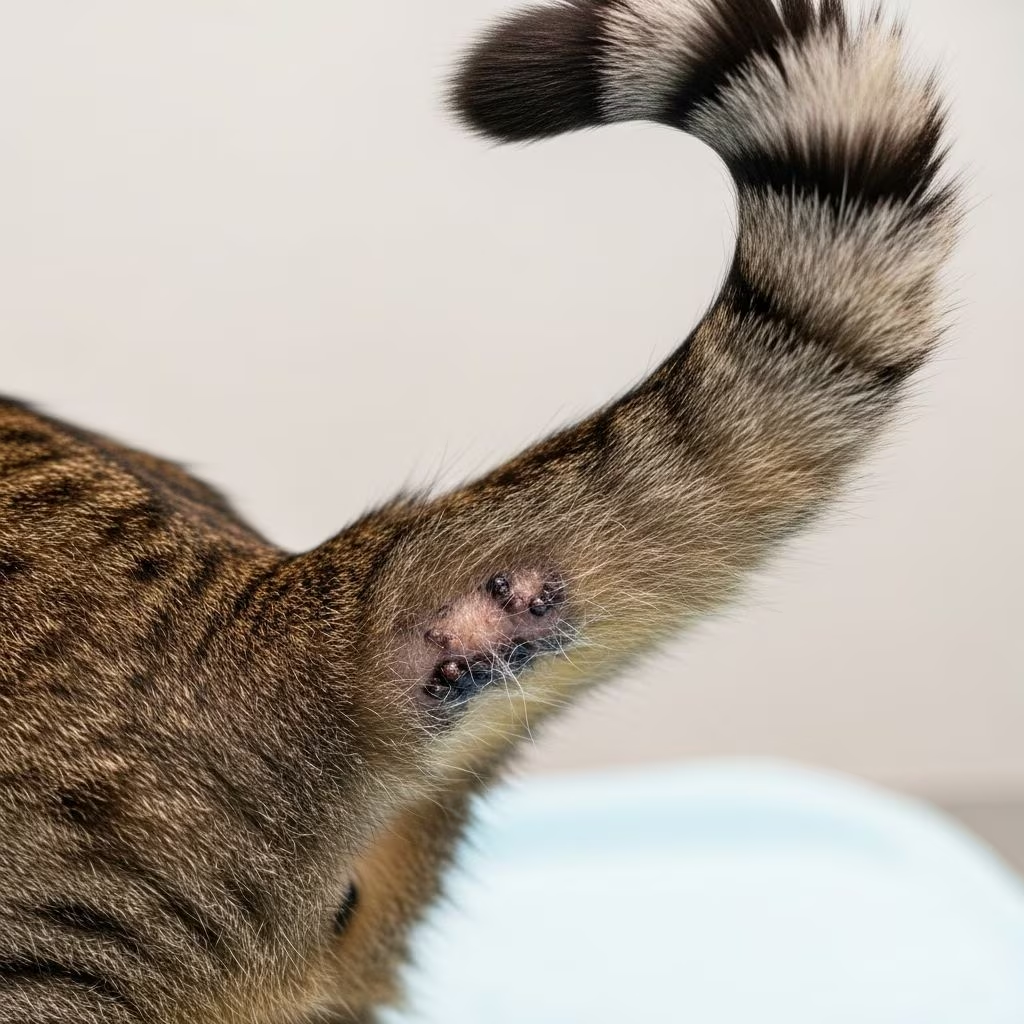
What Is Stud Tail in Cats?
Stud tail, medically known as supracaudal gland hyperplasia, is a skin condition that affects the base of a cat’s tail. The condition results from overactive sebaceous glands located near the tail base, which produce excessive amounts of sebum—an oily substance that normally helps keep a cat’s skin and coat healthy. When these glands become hyperactive, they produce too much sebum, leading to a buildup of greasy, waxy material that can cause significant discomfort and secondary complications.
While the condition is commonly associated with intact male cats (which is how it got its name), stud tail can affect cats of any sex or neutering status, including spayed females and neutered males. The term “stud tail” originated because the condition occurs most frequently in sexually mature, unneutered males, but this doesn’t mean other cats are immune to developing it.
Causes of Stud Tail in Cats
Understanding the underlying causes of stud tail is essential for effective treatment and prevention. Several factors can contribute to the development of this condition:
Hormonal Imbalances
The primary cause of stud tail is an excess of androgen sex hormones, particularly testosterone. This explains why the condition is most prevalent in intact male cats. Male hormones directly encourage increased secretion of sebum from the supracaudal glands. When a male cat reaches sexual maturity, his testosterone levels rise, triggering the sebaceous glands to overproduce sebum, which accumulates at the tail base.
Poor Grooming Habits
Stud tail can also develop due to inadequate grooming. Cats may fail to groom themselves properly for various reasons, including obesity, orthopedic or mobility issues, stress, or underlying medical conditions. When a cat cannot or does not groom the tail area effectively, debris, dander, and bacteria accumulate, promoting excessive oil production and creating an environment conducive to stud tail development.
Stress
Psychological stress can trigger hormonal imbalances in cats, potentially leading to stud tail development. Stressful situations such as moving to a new home, introducing a new pet, or welcoming a new family member can disrupt normal hormone regulation, causing the sebaceous glands to become overactive.
Poor Hygiene
Inadequate hygiene around the tail base allows dirt, dander, and bacteria to accumulate. This buildup can further stimulate the sebaceous glands to overproduce oils, exacerbating the condition and potentially leading to secondary bacterial infections.
Unknown Causes
In many cases, the exact cause of stud tail remains unknown. Even with thorough examination, veterinarians cannot always identify why a particular cat has developed the condition, suggesting that multiple factors or individual susceptibility may be involved.
Symptoms and Signs of Stud Tail
Recognizing the symptoms of stud tail is crucial for early intervention. Affected cats typically display one or more of the following signs:
- Greasy or matted hair at the base of the tail
- Hair loss or alopecia at the tail base due to irritation and inflammation
- Blackheads or comedones on the skin at the tail base
- Waxy or oily substance on the skin and hair
- Unpleasant odor emanating from the affected area
- Red, inflamed, or irritated skin that may be swollen and warm to the touch
- Pus or discharge from open sores or draining tracts, especially if infection is present
- Itchiness that leads to excessive scratching, rubbing, or licking
- Self-trauma from overgrooming, which can extend to larger areas of the tail or nearby skin
- Behavioral changes such as increased anxiety or restlessness
The severity of symptoms can vary widely, ranging from mild cosmetic issues to severe infections requiring intensive treatment. Some cats may show only slight greasiness, while others develop significant hair loss and secondary bacterial infections.
Diagnosis of Stud Tail
Diagnosing stud tail is relatively straightforward and typically doesn’t require extensive testing. Veterinarians base diagnosis primarily on physical examination and the presence of typical symptoms at the tail base. During examination, your veterinarian will observe the characteristic greasy buildup, blackheads, and other visual signs associated with the condition.
If secondary bacterial infection is suspected, your veterinarian may recommend a bacterial culture to identify the specific pathogen and determine the most appropriate antibiotic treatment. This additional testing ensures that any prescribed antibiotics will be effective against the actual infection present.
Treatment Options for Stud Tail
Treatment for stud tail varies depending on the severity of the condition and underlying causes. A comprehensive approach typically combines several strategies:
Medical Shampoos
Medicated shampoos are the cornerstone of stud tail treatment. Antiseborrheic shampoos specifically designed to control oil production are used regularly to keep the affected area clean and reduce sebum accumulation. These shampoos often contain active ingredients such as salicylic acid, benzoyl peroxide, or sulfur, which help unclog pores and eliminate excess oil. Regular bathing with these products removes debris and reduces bacterial growth, promoting healing.
Topical Treatments
In addition to shampoos, veterinarians may recommend topical medications including sprays or ointments containing antiseptic or degreasing agents. These products help remove excess sebum and control bacterial growth when applied directly to the affected area.
Antibiotics
If stud tail is complicated by a secondary bacterial infection, antibiotics become necessary. Oral antibiotics may be prescribed to treat the infection and prevent it from spreading. Ideally, antibiotic selection should be based on bacterial culture results to ensure the most effective treatment.
Anti-inflammatory Medications
For cats experiencing significant inflammation, pain, or discomfort, veterinarians may prescribe anti-inflammatory medications. These medications help reduce swelling, redness, and itching, making the cat more comfortable and reducing the urge to self-traumatize the area.
Neutering
Neutering may resolve symptoms of stud tail for intact male cats. By removing the testicles, neutering dramatically reduces testosterone production, which often leads to decreased sebum secretion and resolution of the condition. This surgical approach is particularly effective for unneutered males with hormonally driven stud tail.
Hormone Therapy
In cases where hormonal imbalances are the primary cause and neutering is not an option, hormone therapy may be necessary. This approach involves administering medications that regulate hormone production in the cat’s body.
Elizabethan Collar
If your cat is causing self-trauma through excessive scratching, rubbing, or biting at the affected area, an Elizabethan collar (cone) may be necessary. This prevents further damage while the area heals.
Weight Management
For overweight cats with stud tail, weight loss can be beneficial. Obesity can impair grooming ability and contribute to poor hygiene around the tail base, worsening the condition.
Stress Management
Implementing stress-reduction strategies can help prevent and manage stud tail. Providing environmental enrichment, interactive play, and a calm home environment can help regulate hormonal balance and reduce flare-ups.
Healthy Diet
Maintaining a balanced, nutritious diet is essential for overall skin health. A diet rich in essential fatty acids and other key nutrients supports immune function and helps prevent secondary skin infections.
Regular Grooming
Consistent grooming helps remove dirt, dander, and excess oils from the tail base. Regular brushing can prevent stud tail from worsening and ease existing symptoms, particularly for cats with mobility issues.
Severity Levels and When to Seek Veterinary Care
| Severity Level | Characteristics | Recommended Action |
|---|---|---|
| Mild | Slight greasiness, minimal hair loss, no odor or infection | Home care with antiseborrheic shampoo and regular grooming |
| Moderate | Noticeable greasiness, some hair loss, mild odor, possible blackheads | Veterinary examination and medicated shampoo treatment |
| Severe | Significant hair loss, inflammation, infection, discharge, strong odor, self-trauma | Comprehensive veterinary treatment including antibiotics, medication, possible cone use |
Complications and Rare Cases
In most cases, stud tail responds well to appropriate treatment. However, severe cases can lead to complications. When bacteria compromise the hair follicles and skin, secondary bacterial infections are common. Additionally, excessive self-trauma from scratching and chewing can extend beyond the tail base to affect larger areas of the tail and nearby skin.
In extremely rare cases where the condition is severe and unresponsive to all other treatments, amputation of the tail may be considered. However, this is an exceptional circumstance and is rarely necessary with proper medical management.
Prevention Strategies
While not all cases of stud tail can be prevented, several strategies can reduce the risk of development:
- Neuter or spay your cats to reduce hormonal influence on sebaceous gland activity
- Maintain regular grooming to keep the tail base clean and free of debris
- Monitor your cat’s weight to ensure proper self-grooming ability
- Provide stress-reducing activities such as play, enrichment toys, and a calm environment
- Ensure a balanced, nutritious diet to support overall skin and coat health
- Schedule regular veterinary checkups to catch early signs of stud tail before they progress
Frequently Asked Questions
Q: Can female cats develop stud tail?
A: Yes, while less common, female cats can develop stud tail, including spayed females. The condition isn’t limited to males despite its name.
Q: Will neutering definitely cure stud tail?
A: Neutering often resolves stud tail in intact males by reducing testosterone levels, but it’s not guaranteed to completely eliminate the condition in all cases. Some neutered males and females may still develop it due to other factors.
Q: How long does stud tail treatment take?
A: For most cats, consistent washing with medicated shampoo and applying ointment helps resolve the condition over time. Mild cases may improve within weeks, while severe cases with infections may require several months of treatment.
Q: Is stud tail contagious to other cats?
A: No, stud tail is not contagious between cats. It’s a condition resulting from hormonal or glandular issues specific to the individual cat.
Q: Can stud tail recur after treatment?
A: Yes, stud tail can recur, particularly in intact males or if underlying causes aren’t addressed. Ongoing preventive care and management can help reduce recurrence rates.
Q: What should I do if my cat won’t stop licking the affected area?
A: An Elizabethan collar can prevent self-trauma while the area heals. Additionally, your veterinarian may prescribe anti-inflammatory medications or topical treatments to reduce itching.
References
- Stud Tail in Cats | Supracaudal Gland Hyperplasia in Cats — PetMD. Accessed 2026-01-14. https://www.petmd.com/cat/conditions/skin/c_ct_stud_tail_supracaudal_gland_hyperplasia
- Understanding Stud Tail in Cats — South Seattle Veterinary Hospital. Accessed 2026-01-14. https://www.southseattlevet.com/understanding-stud-tail-in-cats
- What Is Stud Tail In Cats? — Animal Clinic Of Eagle Harbor. Accessed 2026-01-14. https://acofeagleharbor.com/blog/what-is-stud-tail-in-cats/
- Tail Gland Hyperplasia (Stud Tail) in Cats — PetCareRx. Accessed 2026-01-14. https://www.petcarerx.com/article/tail-gland-hyperplasia-stud-tail-in-cats/6700
- Everything You Need to Know About Stud Tail in Cats — Smoochie Pooch. Accessed 2026-01-14. https://smoochie-pooch.com/everything-you-need-to-know-about-stud-tail-in-cats/
- Stud Tail in Cats — Pet Health Network. Accessed 2026-01-14. https://www.pethealthnetwork.com/cat-health/cat-diseases-conditions-a-z/stud-tail-cats
- Acne and Stud Tail — International Cat Care. Accessed 2026-01-14. https://icatcare.org/articles/acne-and-stud-tail



