

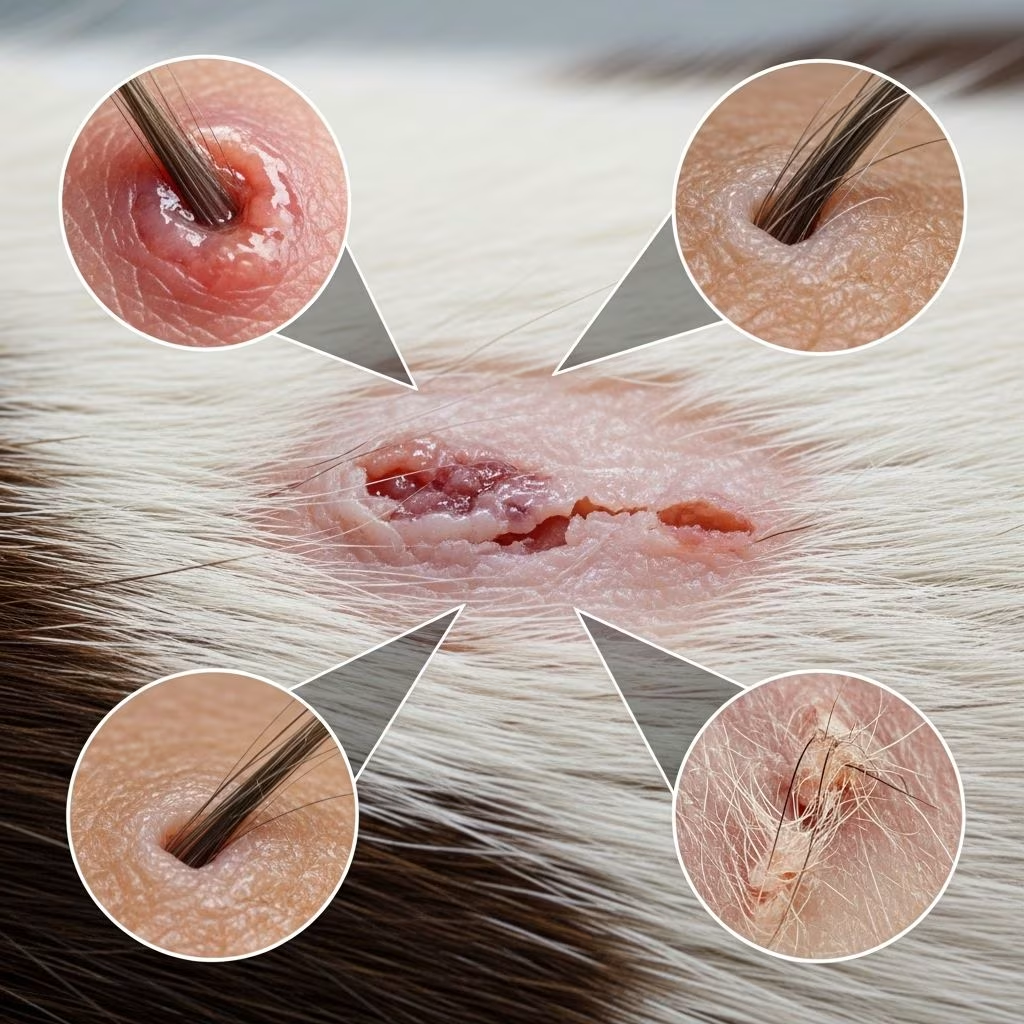
The integumentary system—comprising skin, hair, and related structures—plays a critical role in protecting animals from environmental hazards, pathogens, and physical injury. When animals are born with or inherit conditions that compromise the structural integrity of their skin, the consequences can range from minor cosmetic concerns to life-threatening complications. This article explores the various congenital and inherited disorders that affect skin structure in domestic animals, examining their causes, clinical presentations, diagnostic approaches, and available treatment strategies.
The Foundation of Skin Structure and Inherited Defects
Healthy skin consists of multiple layers—the epidermis, dermis, and subcutaneous tissue—each serving specific protective and regulatory functions. The epidermis provides the primary barrier against the external environment, while the dermis offers structural support and contains vital components like blood vessels and nerve endings. When genetic or developmental abnormalities disrupt the normal formation or attachment of these layers, animals experience varying degrees of skin fragility and dysfunction.
Inherited skin structural defects typically manifest through two primary mechanisms: either the skin layers fail to develop completely, or the attachment zones between layers become compromised. Both scenarios result in increased susceptibility to trauma, infection, and environmental damage. Understanding these fundamental pathophysiological processes helps veterinarians diagnose conditions more accurately and establish appropriate therapeutic protocols.
Complete Absence and Developmental Failure: Aplasia Cutis
Among the most severe structural skin defects is aplasia cutis, also known as epitheliogenesis imperfecta. This condition represents a complete or partial failure of skin layer development, resulting in animals being born with exposed areas devoid of protective skin coverage. The condition occurs most frequently in cattle, pigs, sheep, and horses, though documented cases exist in cats and dogs, albeit rarely.
Animals affected by aplasia cutis present with ulcerated areas or completely exposed dermal tissue at birth. In some cases, claws may be absent or malformed. The severity of this condition depends largely on the extent of skin involvement. Small localized defects may respond to surgical correction, whereas extensive involvement can prove fatal due to inability to maintain proper thermoregulation, fluid balance, and infection control.
The prognosis for animals with aplasia cutis varies significantly based on the affected body surface area. Smaller defects limited to extremities or isolated body regions have better outcomes, as these can often be managed through surgical intervention and careful wound care. However, when large portions of the trunk or critical functional areas are involved, supporting survival becomes increasingly challenging.
Blistering Disorders: The Epidermolysis Bullosa Syndromes
Epidermolysis bullosa syndromes represent a distinct category of inherited defects affecting the structural zone between the dermis and epidermis. Rather than involving complete absence of skin, these conditions compromise the cellular attachments and structural proteins that hold skin layers together. This creates a fundamental weakness in skin integrity, predisposing animals to spontaneous or trauma-induced separation of skin layers.
Pathophysiology and Clinical Manifestations
In affected animals, even minor physical trauma initiates separation between the dermal and epidermal layers, leading to blister formation and subsequent ulceration. The blisters rupture easily, leaving behind glistening, flat ulcers that are highly prone to secondary infection. The damage typically concentrates on areas subjected to the most mechanical stress: the feet, mouth, face, and genital regions.
Unlike aplasia cutis, which is immediately apparent at birth, epidermolysis bullosa may emerge within the first weeks of life or develop gradually as the affected animal becomes more active and experiences trauma from normal movement and environmental interaction. Some animals show skin damage present at birth, while others develop signs as they become more mobile and engage with their environment.
Breed Predisposition and Genetic Patterns
Research has documented epidermolysis bullosa syndromes across multiple dog and cat breeds. In dogs, affected breeds include Collies, Shetland Sheepdogs, Toy Poodles, German Shorthaired Pointers, Golden Retrievers, Akitas, and mixed breed dogs. In cats, the condition has been identified in Siamese, domestic shorthair, and Persian breeds. This broad distribution across different breeds suggests multiple genetic origins for the condition, with different mutations potentially causing similar clinical presentations in different populations.
Clinical Outcomes and Prognosis
The prognosis for animals with epidermolysis bullosa syndromes remains guarded to poor. Most affected animals experience severe complications, with many cases proving ultimately fatal. The constant skin damage, combined with difficulty maintaining the skin barrier function and recurrent secondary infections, creates an increasingly challenging clinical course. The concentration of damage on critical functional areas—particularly the feet—severely compromises mobility and quality of life.
Keratin Formation Defects and Related Disorders
A distinct category of structural skin disorders involves defects in the formation or organization of keratin, the primary protein component providing skin with its structural integrity and barrier function. These conditions present differently from blistering disorders or aplasia cutis, instead manifesting as scaling, thickening, and surface abnormalities of the skin.
Hereditary Congenital Follicular Parakeratosis
This recently recognized syndrome affects female Rottweilers and female Siberian Huskies, representing a severe defect in the keratinization process. The condition specifically disrupts the formation of keratin proteins that constitute a major structural component of skin. Affected individuals typically display abnormalities extending beyond the skin itself, suggesting a systemic metabolic disruption. Despite its clinical significance, understanding of this condition remains limited, with ongoing research needed to fully characterize its pathophysiology, inheritance patterns, and therapeutic options.
Ichthyosiform Dermatosis
Another keratin-related condition, ichthyosiform dermatosis, presents with prominent scaling affecting large portions of the body. The scales may detach in substantial sheets, and affected animals often display thickening of the nose and paw pads, sometimes accompanied by apparent discomfort. This condition shows familial inheritance patterns documented in Jack Russell Terriers and Golden Retrievers.
Clinical signs vary considerably among affected animals, with some displaying mild scaling while others show severe, widespread involvement. Treatment proves challenging but may include specialized shampoos or topical solutions that help manage the scaling. Secondary bacterial or fungal infections frequently complicate the condition, necessitating antimicrobial therapy. Some experimental treatments have demonstrated promise in reducing clinical severity, though individual response varies widely.
Cyst Formation and Abnormal Hair Development
Beyond the conditions discussed above, several inherited disorders affect skin structure by disrupting normal hair follicle development or creating abnormal skin pockets and cysts. While these conditions may seem less severe than blistering disorders, they can significantly impact animal welfare and require management.
Dermoid Cysts
Dermoid cysts represent birth defects characterized by the formation of skin pockets where dander, hair, oil, and cellular debris accumulate. These cysts are particularly common in Rhodesian Ridgebacks, where they display an inherited pattern of occurrence. The cysts are typically found along the midline, situated above the backbone. Although these cysts can sometimes be associated with underlying spinal cord abnormalities, most do not cause neurological deficits.
Surgical removal represents the primary treatment approach for dermoid cysts, with most animals experiencing good outcomes following complete excision. The key to successful treatment involves complete removal of the cyst wall and surrounding tissue to prevent recurrence.
Follicular Cyst Formation
Follicular cysts develop when hair follicles fail to form correctly during development, subsequently filling with follicular secretions and cellular material. These cysts can create localized skin enlargements and potential infection sites. Management typically involves surgical drainage or removal when cysts become infected, inflamed, or cause physical discomfort to the animal.
Diagnostic Approaches and Recognition Strategies
Accurate diagnosis of structural skin integrity defects requires a systematic approach combining multiple diagnostic modalities. Initial assessment involves careful clinical examination and detailed history collection, paying particular attention to age of onset, family history, and pedigree information when available.
Skin biopsy remains the gold standard for confirming many structural skin disorders. Histopathological examination reveals the specific architectural defects, attachment zone disruptions, and abnormalities in cellular organization. Electromyography and muscle biopsy may be indicated when conditions involve muscular complications. Pedigree analysis and evaluation of littermates provides critical information about inheritance patterns and helps differentiate genetic from acquired conditions.
Age of presentation varies considerably among different structural skin defects. Some animals show obvious signs immediately at birth, while others develop clinical manifestations only as they mature and their skin experiences mechanical stress. Understanding these temporal patterns assists veterinarians in developing appropriate diagnostic timelines and managing client expectations.
Managing Structural Skin Defects: Treatment Approaches
Treatment strategies for structural skin integrity defects depend on the specific condition, severity, and affected body areas. Many conditions offer limited curative options, with management focusing on supportive care, complication prevention, and symptom mitigation.
Surgical Intervention
Surgical correction proves effective for localized defects such as small aplasia cutis lesions, dermoid cysts, and follicular cysts. Surgical techniques may involve tissue grafting, direct closure, or reconstructive approaches depending on the defect characteristics and anatomical location.
Medical Management and Supportive Care
For conditions without curative surgical options, management focuses on preventing secondary complications and maintaining quality of life. This includes antimicrobial therapy to control secondary infections, which frequently complicate structural skin defects. Specialized wound care protocols, protective clothing, and environmental modification help minimize trauma to compromised skin.
Pharmacological approaches vary by condition. Vitamin supplementation, including vitamin E and omega-3 fatty acids, may provide benefit in some conditions. Anti-inflammatory medications and pentoxifylline have shown promise in certain hereditary dermatoses. Shampoo therapies and topical treatments help manage scaling and reduce secondary infection risk in conditions like ichthyosiform dermatosis.
Prognosis and Long-term Considerations
Prognosis for structural skin integrity defects ranges from excellent to poor, depending on the specific condition and severity. Localized defects amenable to surgical correction generally carry a good prognosis, while widespread blistering disorders or extensive aplasia cutis typically carry a guarded to grave prognosis.
Animals with severe structural skin defects often face ongoing challenges with infection, pain, and compromised quality of life. Severely affected individuals may not respond adequately to available treatments, necessitating difficult decisions regarding euthanasia when suffering cannot be adequately managed.
The variable nature of inheritance in many conditions means that littermates may display remarkably different disease severity, even when genetically affected by the same condition. This variability complicates predictive counseling and demonstrates the importance of individualized assessment for each affected animal.
Breeding Considerations and Genetic Counseling
For animals with documented inherited structural skin defects, breeding decisions require careful consideration of inheritance patterns and disease prevalence within the breed. Genetic counseling, based on pedigree analysis and understanding of inheritance modes, helps breeders make informed decisions about which animals should be excluded from breeding programs.
Established genetic testing, where available, provides objective information about carrier status and disease risk in offspring. This information proves invaluable for breeders committed to reducing the incidence of these debilitating conditions within their breeding populations.
Conclusion
Structural skin integrity defects in animals represent a diverse group of congenital and inherited conditions, each with distinct pathophysiology, clinical presentation, and treatment implications. From the devastating effects of complete skin layer absence to the chronic challenges of blistering disorders and keratin defects, these conditions significantly impact affected animals’ quality of life and survival. Advances in diagnostic techniques, improved understanding of inheritance patterns, and development of targeted management strategies continue to improve outcomes for affected animals, while genetic counseling and selective breeding practices offer promise for reducing the prevalence of these conditions in future generations.
References
- Congenital and Inherited Skin Disorders in Dogs — MSD Veterinary Manual. 2024. https://www.msdvetmanual.com/dog-owners/skin-disorders-of-dogs/congenital-and-inherited-skin-disorders-in-dogs
- Congenital and Inherited Skin Disorders of Cats — Merck Veterinary Manual. 2024. https://www.merckvetmanual.com/cat-owners/skin-disorders-of-cats/congenital-and-inherited-skin-disorders-of-cats
- Congenital skin diseases — PubMed, National Institutes of Health. 1990. https://pubmed.ncbi.nlm.nih.gov/2134611/
- Congenital Ichthyosis in Labrador Retrievers — UC Davis Veterinary Genetics Laboratory. 2024. https://vgl.ucdavis.edu/test/congenital-ichthyosis-3-labrador-retriever



