

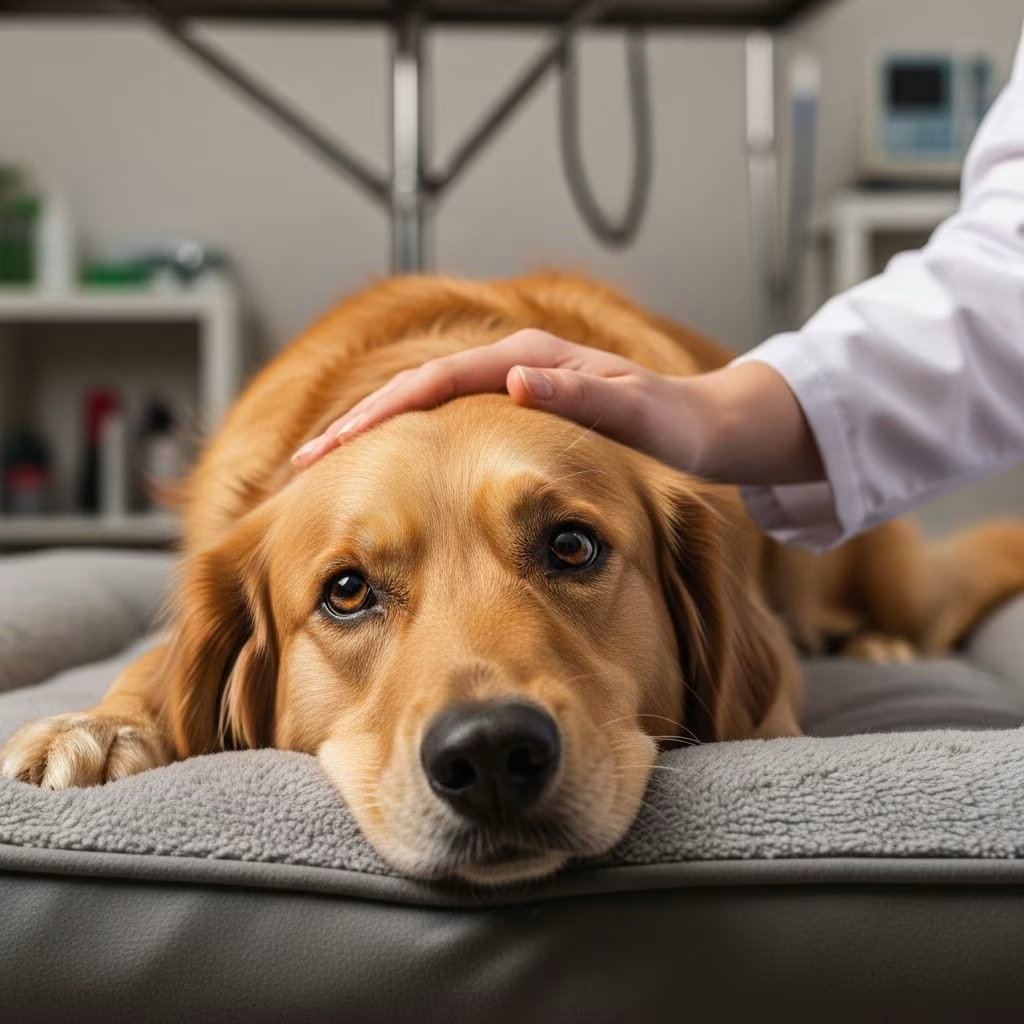
Strokes in Dogs: Understanding This Serious Neurological Emergency
A stroke, medically known as a cerebral vascular accident (CVA), occurs when blood supply to the brain is suddenly interrupted or blocked. While strokes are relatively rare in dogs compared to humans, they represent a serious medical emergency requiring immediate veterinary attention. When a stroke occurs, oxygen cannot reach vital areas of your dog’s brain, potentially causing permanent neurological damage if not treated promptly. Understanding the signs, causes, and treatment options can help you respond quickly if your pet experiences this life-threatening condition.
What Exactly Is a Stroke in Dogs?
A stroke is defined as a sudden interruption in blood supply to any part of the brain. This interruption prevents oxygen-rich blood from reaching brain cells, which can cause cell death within minutes. Unlike humans, where strokes are often linked to lifestyle factors such as smoking or poor diet, strokes in dogs are not related to lifestyle choices. Instead, they typically result from underlying medical conditions or sudden vascular events. The severity and outcome of a canine stroke depend on which part of the brain is affected, how quickly treatment is received, and the underlying cause of the stroke.
Types of Strokes in Dogs
There are two primary types of strokes that affect dogs, each with distinct causes and characteristics:
Ischemic Strokes
Ischemic strokes are the most common type in dogs, accounting for the majority of stroke cases. These occur when blood flow to the brain is blocked or severely reduced. The blockage is typically caused by a blood clot, known as a thrombus, that travels through the bloodstream and lodges in a cerebral blood vessel. Additionally, fatty deposits, air bubbles, or other obstructions can block blood vessels and cause an ischemic stroke. Symptoms from ischemic strokes typically do not worsen beyond 24 hours after onset, though the initial presentation can be dramatic and frightening.
Hemorrhagic Strokes
Hemorrhagic strokes result from bleeding within the brain caused by ruptured or leaking blood vessels. This type of stroke can be triggered by traumatic head injuries, diseases like cancer that weaken blood vessel integrity, blood clotting disorders, or conditions that reduce platelet numbers. Hemorrhagic strokes tend to have a more serious prognosis than ischemic strokes. If left untreated, symptoms from hemorrhagic strokes can persist longer than 24 hours and may progressively worsen, making rapid veterinary intervention critical.
Recognizing the Warning Signs of a Stroke
Recognizing the symptoms of a stroke is crucial for getting your dog immediate medical help. Stroke symptoms appear suddenly and can vary depending on which part of the brain is affected. Common signs include:
- Sudden loss of balance or coordination problems
- Circling or falling to one side of the body
- Head tilt or abnormal head positioning
- Disorientation, confusion, or appearing dazed
- Weakness or paralysis on one side of the body
- Unusual eye movements, such as nystagmus (rapid back-and-forth eye movements)
- Loss of blink reflexes
- Misjudging steps while walking
- Sudden collapse or inability to stand
- Behavioral changes or unresponsiveness
These symptoms typically improve within 72 hours in many cases, though complete recovery can take weeks or longer. Some dogs experience permanent neurological changes following a stroke, while others regain function completely. The key to maximizing recovery is obtaining veterinary care as soon as possible after symptoms appear.
Understanding the Underlying Causes
While the immediate cause of a stroke is either a blood clot or bleeding in the brain, numerous underlying medical conditions increase a dog’s stroke risk. Identifying and treating these conditions is essential for preventing future strokes. Research shows that despite thorough investigations, an underlying cause is not found in more than half of dogs with strokes.
Conditions Increasing Clot Formation Risk
Several medical conditions make dogs more susceptible to ischemic strokes by promoting blood clot formation:
- Cushing’s disease (hyperadrenocorticism)
- Heart disease or cardiac abnormalities
- High blood pressure (hypertension)
- Hypothyroidism or thyroid disorders
- Kidney disease, particularly protein-losing nephropathy
- Cancer or malignant neoplasia
- Immune-mediated hemolytic anemia
- Sepsis from severe infection
- Heartworm disease
- Undetected blood clots
- Diabetes mellitus
Conditions Increasing Bleeding Risk
Conversely, certain conditions increase the likelihood of hemorrhagic strokes by promoting abnormal bleeding:
- Tick-borne diseases such as Anaplasmosis or Ehrlichiosis
- Von Willebrand factor deficiency or other clotting disorders
- Immune-mediated thrombocytopenia (ITP), a condition destroying platelets
- Congenital clotting diseases
- Diseases causing elevated blood pressure
- Cancer or noncancerous masses
- Vasculitis (inflammation of blood vessels)
- Trauma or head injuries
- Certain medications and toxins, including rodent poisons
- Abnormal blood vessel development in the brain
Risk Factors and Susceptibility
While no specific dog breed is inherently prone to strokes, breeds predisposed to developing conditions that increase stroke risk (such as hypertension, heart disease, or Cushing’s disease) may indirectly face higher stroke risk. Senior dogs and those with existing health conditions face elevated stroke risk compared to young, healthy dogs. Additionally, certain medications used to treat other conditions, such as phenylpropanolamine (Proin), which is used to manage urinary incontinence, may increase stroke risk as a side effect. Exposure to toxins, particularly anticoagulant rodent poisons, can also precipitate strokes in dogs.
Diagnosis of Strokes in Dogs
When you bring your dog to the veterinarian with suspected stroke symptoms, the veterinary team will perform a comprehensive neurological examination to assess your dog’s mental status, gait, reflexes, and cranial nerve function. Diagnostic imaging plays a crucial role in stroke diagnosis and may include:
- Magnetic resonance imaging (MRI) to visualize brain tissue and identify areas of infarction or bleeding
- Computed tomography (CT) scans to rule out other conditions and assess brain structure
- Blood work to identify underlying medical conditions contributing to the stroke
- Electrocardiography (ECG) to assess heart function and detect arrhythmias
- Blood pressure monitoring to identify hypertension
The veterinarian will also take a detailed history regarding any recent trauma, exposure to toxins, or changes in your dog’s health and behavior. This comprehensive diagnostic approach helps identify the underlying cause and guides appropriate treatment decisions.
Treatment Options for Canine Strokes
Unlike some acute medical emergencies, there is no specific treatment to repair brain damage that has already occurred following a stroke. However, treatment focuses on stabilizing your dog, managing symptoms, preventing further complications, and addressing underlying causes. The specific treatment approach depends on the stroke type, severity, and identified underlying causes.
Supportive Care and Stabilization
Immediate supportive care is the foundation of stroke treatment. This may include hospitalization for close monitoring, intravenous fluid therapy to optimize circulation and oxygen delivery to the brain, and oxygen therapy in severe cases. Supportive care ensures your dog’s vital functions remain stable while the body begins its natural healing process.
Medications
Depending on the underlying cause and stroke type, your veterinarian may prescribe various medications:
- Anti-inflammatory medications to reduce brain swelling and inflammation
- Anticoagulants (blood thinners) such as clopidogrel to prevent future blood clots if an ischemic stroke was caused by thrombosis
- Seizure medications to control seizures, which can occur following strokes
- Medications to reduce intracranial pressure
- Blood pressure medications if hypertension contributed to the stroke
- Thyroid hormone replacement if hypothyroidism is identified
- Medications to manage other underlying conditions
Physical Rehabilitation
Physical therapy and rehabilitation are valuable components of recovery, particularly for dogs experiencing weakness or paralysis on one side of the body. A veterinary rehabilitation specialist can design a customized exercise program including range-of-motion activities, therapeutic exercises, and controlled movement protocols to help your dog regain strength, coordination, and mobility. These interventions can significantly improve functional outcomes and speed recovery.
Managing At-Home Recovery
Recovery at home involves providing a nutritious, balanced diet tailored to your dog’s specific health needs, assisting with elimination (urination and defecation) if your dog has difficulty moving, and ensuring a safe environment to prevent falls or injuries. Your veterinarian may recommend continued physical therapy exercises at home and monitoring for any changes in your dog’s condition that might indicate complications or progression.
Prognosis and Recovery
The prognosis for dogs recovering from strokes varies considerably depending on the stroke’s severity, the area of the brain affected, the underlying cause, and how quickly treatment was initiated. Some dogs make a full recovery, while others may experience permanent neurological changes. Many dogs show significant improvement within the first 72 hours following a stroke, with continued gradual improvement over weeks or months. Dogs experiencing mobility loss due to stroke may regain function within the first few months of recovery. Generally, the sooner your dog receives veterinary care and begins treatment, the better the chances for a favorable outcome.
Prevention Strategies
While you cannot completely prevent strokes in dogs, you can reduce your dog’s stroke risk by managing underlying health conditions effectively. Regular veterinary checkups help identify conditions like hypertension, heart disease, kidney disease, and Cushing’s disease early, when they can be better managed. Maintaining a healthy diet, providing appropriate exercise, keeping your dog at a healthy weight, and ensuring proper medication compliance for any existing conditions all contribute to stroke prevention. Additionally, avoiding exposure to toxins and maintaining current parasite prevention can help reduce stroke risk.
Frequently Asked Questions About Dog Strokes
Q: Are strokes common in dogs?
A: No, strokes are relatively rare in dogs compared to humans. However, they represent a serious medical emergency requiring immediate veterinary attention when they do occur.
Q: Can my dog fully recover from a stroke?
A: Some dogs make complete recoveries, while others may have permanent neurological effects. Recovery depends on the stroke’s severity, location, and how quickly treatment begins. Many dogs show significant improvement within 72 hours.
Q: What should I do if I suspect my dog is having a stroke?
A: Seek immediate veterinary care. Time is critical in stroke treatment. Transport your dog carefully to minimize stress and inform your veterinarian of the symptoms and when they began.
Q: Can I prevent strokes in my dog?
A: While you cannot completely prevent strokes, managing underlying health conditions like hypertension, heart disease, and kidney disease through regular veterinary care significantly reduces stroke risk.
Q: How long does stroke recovery take?
A: Most dogs show initial improvement within 72 hours, but complete recovery can take weeks or longer. Some neurological changes may be permanent, while others gradually resolve with time and therapy.
Q: Will my dog have another stroke?
A: If the underlying cause is identified and properly managed, the risk of recurrence decreases significantly. However, dogs with certain conditions have higher recurrence risks, making ongoing veterinary care essential.
References
- Strokes in Dogs — VCA Animal Hospitals. 2025. https://vcahospitals.com/know-your-pet/strokes-in-dogs
- Strokes in Dogs: Signs, Treatment, and Prognosis — MedVet. 2025. https://www.medvet.com/strokes-in-dogs/
- Dog Stroke Symptoms, Causes, Treatment Options, and More — GoodRx Pet Health. 2025. https://www.goodrx.com/pet-health/dog/dog-stroke-symptoms
- Stroke in Dogs: What Are Strokes, and Are They an Emergency? — PetMD. 2025. https://www.petmd.com/dog/conditions/neurological/stroke-dogs-what-it-and-it-emergency
- 5 Signs Your Dog Might Be Having A Stroke and How to Help — First Aid for Pets. 2025. https://firstaidforpets.net/dog-stroke/
- Stroke Fact Sheet — Davies Veterinary Specialists. 2025. https://www.vetspecialists.co.uk/fact-sheets-post/stroke-fact-sheet/



