

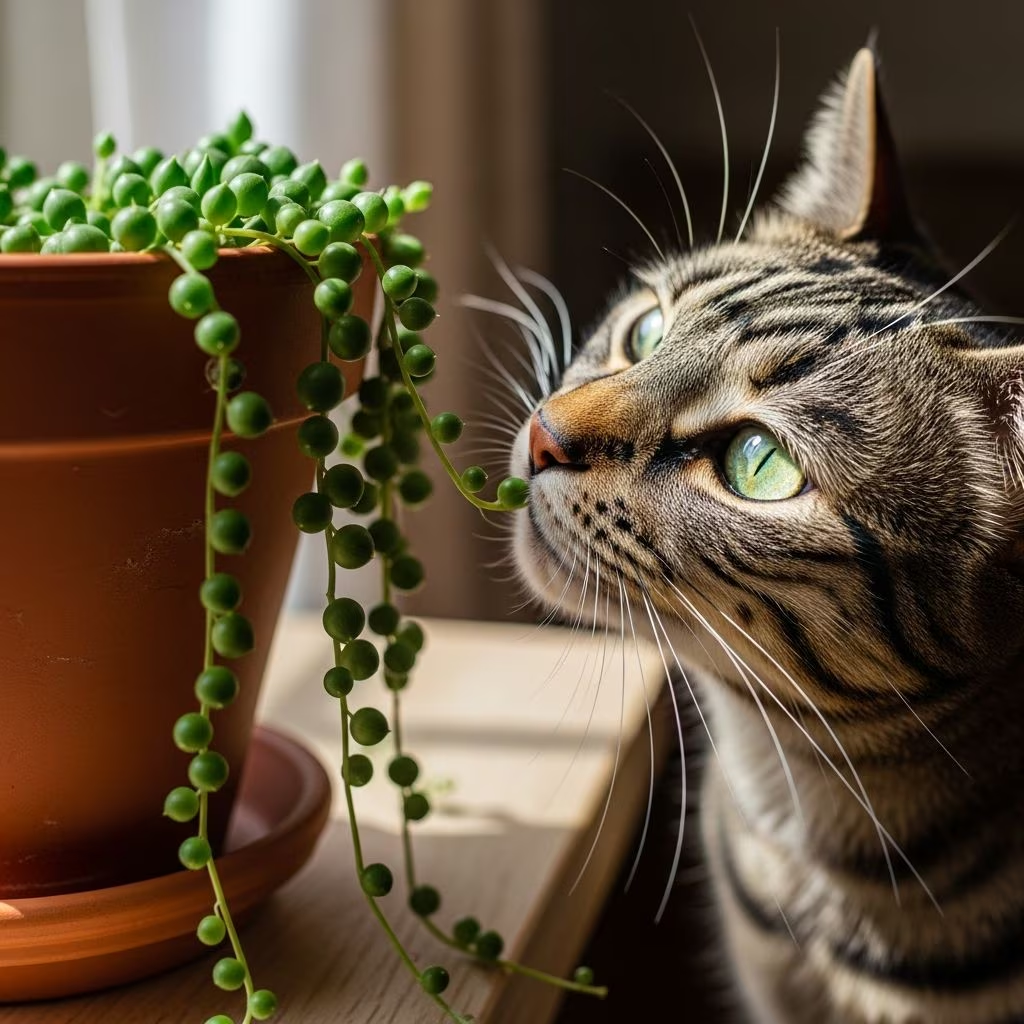
The String of Pearls plant, known scientifically as Senecio rowleyanus, captivates many with its cascading beads-like stems, but it presents a serious hazard for cat owners. This succulent contains irritants that can lead to gastrointestinal distress and other issues if chewed or swallowed by felines. Understanding its dangers empowers pet guardians to make informed choices about indoor greenery.
Understanding the String of Pearls Plant
Originating from arid regions in Southwest Africa, String of Pearls thrives as a low-maintenance houseplant. Its unique appearance features round, pea-shaped leaves threaded along thin, trailing vines, often grown in hanging baskets to showcase its draping habit. While popular for adding whimsy to spaces, its chemical makeup includes potential alkaloids and sap that irritate mucous membranes in animals and humans alike.
Gardeners appreciate its drought tolerance and ease of propagation, but the plant’s fragility means stems can easily detach and fall, tempting curious cats. The milky sap released upon damage exacerbates risks, potentially causing dermal reactions upon contact.
Why This Plant Harms Felines
String of Pearls is classified as toxic to cats primarily due to suspected alkaloid content, though exact compounds remain under study. These substances disrupt normal digestion when ingested, leading to inflammation in the mouth, throat, and stomach lining. The ASPCA notes its inclusion among problematic succulents, despite not appearing on their primary toxic plant list, highlighting its potential for mild to moderate effects.
Cats’ natural curiosity drives them to bat at or nibble trailing foliage, releasing sap that can also provoke skin or eye irritation. Even small amounts pose risks, as felines groom themselves, inadvertently ingesting more residue.
Recognizing Signs of Plant Ingestion
Monitor your cat closely if exposure is suspected. Common indicators emerge within hours:
- Vomiting: Often the first sign, sometimes with plant bits visible.
- Diarrhea: Loose stools indicating intestinal upset.
- Excessive drooling: Due to oral irritation from sap.
- Lethargy: Reduced energy and reluctance to play.
- Appetite loss: Refusal of food or water.
- Skin or eye issues: Redness, pawing at face, or swelling from sap contact.
Severity varies by quantity consumed and individual sensitivity, but prompt observation prevents escalation.
Immediate Response to Suspected Poisoning
Act swiftly to minimize harm:
- Remove plant matter: Gently clear mouth if safe, avoiding force.
- Observe symptoms: Note onset and type for vet communication.
- Contact professionals: Call your veterinarian or pet poison hotline immediately.
- Hydrate: Offer water to dilute toxins, per guidance.
- Follow advice: Vets may recommend activated charcoal, fluids, or monitoring.
Do not induce vomiting without expert instruction, as it risks aspiration. Most cases resolve with supportive care, but delays can worsen dehydration.
Preventing Exposure in Cat Households
Proactive measures safeguard both plants and pets:
- Hang baskets high, securing against drops.
- Use shelves or rooms inaccessible to cats.
- Employ deterrents like citrus sprays or aluminum foil around bases.
- Supervise playtime near greenery.
- Opt for relocation outdoors in mild climates, above 45°F.
Regular vacuuming catches fallen beads, reducing temptation. Training redirects chewing to toys.
Other Risky Succulents to Avoid
Not all fleshy plants are benign. Here’s a comparison of common succulents:
| Plant Name | Scientific Name | Toxicity Symptoms in Cats | Human Risks |
|---|---|---|---|
| Jade Plant | Crassula ovata | Vomiting, diarrhea, lethargy | Skin/eye irritation from sap |
| Pencil Cactus | Euphorbia tirucalli | Oral irritation, drooling, eye ulcers | Severe dermal/ocular burns |
| Mother-in-Law’s Tongue | Sansevieria trifasciata | Vomiting, diarrhea, drooling | Mild irritation |
| String of Dolphins | Senecio peregrinus | GI upset, skin irritation | Sap contact issues |
| Aloe Vera | Aloe barbadensis | Tremors, diarrhea, lethargy | Ingestion risks |
Avoid these; research before adopting.
Safe Succulent Alternatives for Cat Lovers
Embrace greenery without worry using these vet-approved options:
- Spider Plant: (Chlorophytum comosum) Hardy, air-purifying, non-toxic.
- Haworthia: Compact rosettes, safe for nibbling.
- Hens-and-Chicks: (Sempervivum) Clumping, resilient.
- Chinese Money Plant: (Pilea peperomioides) Coin-like leaves, harmless.
- Bunny Ear Cactus: (Opuntia microdasys) Spiny but non-toxic if spines avoided.
These mimic aesthetic appeal minus dangers.
Broader Insights on Feline Plant Interactions
Cats chew plants for fiber, boredom, or hairball relief. Nutritional gaps or stress amplify habits. Enrich environments with cat grass, vertical spaces, and interactive feeders to curb urges. Annual vet checkups screen for deficiencies prompting pica-like behaviors.
For multi-pet homes, consistent rules prevent cross-species mishaps. Educate family on risks, fostering vigilance.
FAQs
Is String of Pearls fatal to cats?
Rarely, with quick intervention; most recover fully.
How soon do symptoms start?
Typically 1-4 hours post-ingestion.
Can sap harm eyes?
Yes, causing redness or ulcers via paw transfer.
Are all succulents dangerous?
No, select safe varieties listed above.
What if chewing persists?
Consult vet for diet/behavior assessment; provide alternatives.
References
- Are String of Pearls Toxic to Cats? — Zoorithm. 2023. https://www.zoorithm.com/cats/are-string-of-pearls-toxic-to-cats
- Is String of Pearls Toxic to Cats? Vet-Verified Toxicity & Safety — Catster (ASPCA referenced). 2024. https://www.catster.com/cat-health-care/is-string-of-pearls-toxic-to-cats/
- Are String of Pearls Toxic to Cats? Keeping Your Pet Safe — Hepper (Pet Poison Helpline & ASPCA referenced). 2024. https://articles.hepper.com/are-string-of-pearls-toxic-to-cats/
- Succulents and Cacti Toxic to Pets — Planet Desert. 2023. https://planetdesert.com/blogs/news/succulents-and-cacti-toxic-to-pets
- Succulents for Cats & Dogs: Safe or Toxic — Mountain Crest Gardens. 2023. https://mountaincrestgardens.com/blog/succulents-for-cats-dogs-safe-or-toxic/
- Are Succulents Safe to Have Around Pets? — ASPCA. 2024. https://www.aspca.org/news/are-succulents-safe-have-around-pets



