

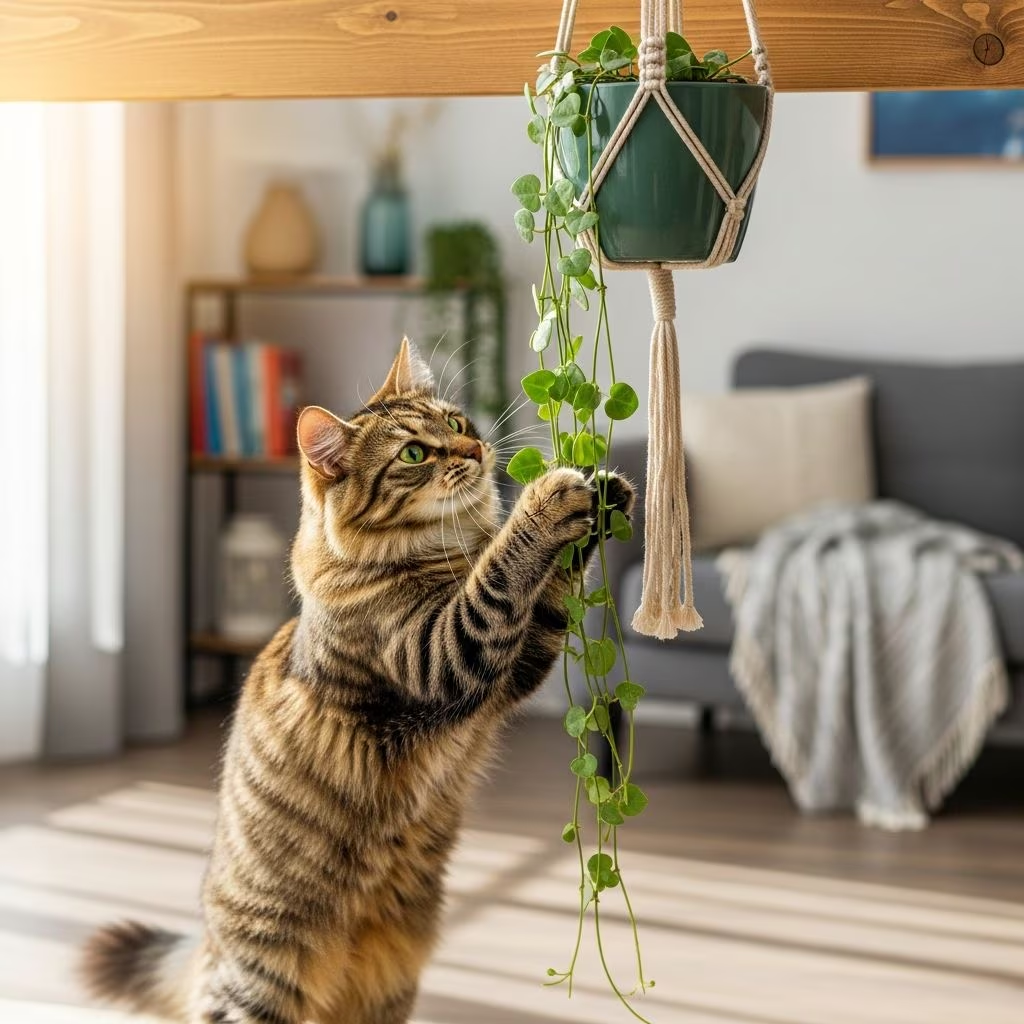
Maintaining a home filled with lush greenery while sharing space with feline companions requires careful plant selection and planning. The string of hearts (Ceropegia woodii) has emerged as a popular choice among plant enthusiasts, but cat owners often wonder whether this delicate succulent poses any health risks. This comprehensive guide examines the toxicity profile of string of hearts, explores the practical challenges of growing it around curious cats, and presents alternative plant options that allow you to cultivate a verdant living space without compromising your pet’s wellbeing.
Toxicity Status: What the Evidence Shows
The primary concern for any plant in a cat household centers on toxicity. The string of hearts presents a reassuring answer to this worry: according to multiple authoritative sources, including the ASPCA’s plant safety database, this succulent is non-toxic to cats. This classification extends to dogs and humans as well, making it a genuinely pet-safe option compared to many other trailing houseplants commonly found in homes.
However, toxicity tells only part of the story. While the plant itself contains no poisonous compounds that would trigger systemic toxicity, cat owners must still consider secondary risks associated with plant consumption and plant interaction behavior.
Beyond Toxicity: The Real Challenges
A plant need not be toxic to create problems in a household with cats. The string of hearts presents several practical challenges that make it a less-than-ideal choice despite its non-toxic status:
Digestive Upset from Plant Material
Even non-toxic plants can cause gastrointestinal distress when consumed in significant quantities. A cat’s digestive system is specifically adapted to process animal-based proteins and nutrients, not plant fiber. When cats consume substantial amounts of any plant material—toxic or otherwise—they risk experiencing vomiting or diarrhea. The string of hearts, while safe from a toxicity standpoint, can still upset your cat’s stomach if your pet decides to snack on the vines.
Irresistible Trailing Foliage
The characteristic that makes string of hearts so attractive to humans—its long, delicate, cascading vines—proves equally attractive to cats. These trailing tendrils create an irresistible play toy for feline companions, particularly younger and more active cats. What starts as innocent batting and pouncing often leads to chewing and consumption. The more engaging and accessible you make the plant through placement, the more likely your cat will interact with it destructively.
Environmental Hazards
Beyond the plant itself, the pot and placement present additional safety concerns. A cat knocked over or jumping onto a hanging string of hearts can result in a broken pot or planter. Ceramic or glass containers shatter into sharp fragments that can lacerate your cat’s paws or mouth. Additionally, potting soil may contain fertilizers or other additives that aren’t formulated for feline safety.
Strategic Placement and Management Options
If you’re determined to grow string of hearts despite having cats, several strategies can minimize risk:
- Dedicated Plant Rooms: Create a space that’s completely off-limits to your cats. A spare bedroom, office, or greenhouse allows you to grow string of hearts without restriction while keeping your pets entirely separated from the plant and any associated hazards.
- High Ceiling Placement: Suspend the plant from ceiling hooks or high shelving that your cat cannot access. This strategy leverages the plant’s natural trailing growth pattern while positioning it beyond your pet’s reach.
- Outdoor Growing: If you live in a warm climate or have access to a secure outdoor space, consider keeping string of hearts outside during growing seasons. This completely eliminates the risk of cat interaction while still allowing you to enjoy the plant.
- Protective Barriers: While unconventional, some pet owners use clear netting or cage structures around plants to prevent access while maintaining visibility.
Comparing Succulent Options for Cat Households
Rather than navigating the challenges associated with string of hearts, many cat owners find greater peace of mind selecting succulents that lack the interactive appeal that makes string of hearts problematic. The following plants are non-toxic to cats and present fewer behavioral concerns:
| Plant Name | Growth Pattern | Why It’s Better for Cats |
|---|---|---|
| Hens and Chicks (Sempervivum) | Low, compact clusters | Less appealing to batting and climbing; minimal trailing elements |
| Chinese Money Plant (Pilea peperomioides) | Upright with sturdy stems | Less tempting as a toy; less likely to cause digestive upset |
| Bunny Ear Cactus (Opuntia microdasys) | Upright with flat pads | Natural deterrent (spines); sturdy structure resists damage |
| Variegated Wax Plant (Hoya carnosa variegata) | Moderate trailing | Tougher foliage; less enticing texture for chewing |
Plants to Explicitly Avoid
Understanding which succulents and houseplants are genuinely toxic helps you make informed decisions. These plants should never enter a cat household:
- String of Pearls: Often confused with string of hearts due to similar appearances, this plant is actually toxic and can cause significant gastrointestinal problems.
- Mother-in-Law’s Tongue (Sansevieria): Contains compounds that trigger vomiting and diarrhea in cats.
- Pencil Cactus (Euphorbia tirucalli): Produces a toxic latex sap that irritates the mouth and digestive tract.
- Jade Plant (Crassula ovata): Also known as money plant or lucky plant; causes vomiting, depression, and loss of coordination in cats.
- Pothos and Philodendron: While not succulents, these extremely common houseplants contain calcium oxalate crystals that cause mouth irritation and gastrointestinal upset.
Creating a Cat-Friendly Plant Environment
Beyond selecting individual plants, adopting broader strategies helps create a household where plants and cats coexist successfully:
Provide Alternative Enrichment
Cats interact with plants partly out of boredom and partly out of natural curiosity. Providing cat grass, climbing structures, interactive toys, and window perches gives your cat engaging alternatives that satisfy their need to play with vegetation without targeting your houseplants.
Use Positive Reinforcement
Rather than punishment, reward your cat for ignoring or moving away from plants. This behavioral approach proves more effective than negative reinforcement and strengthens your relationship with your pet.
Consider Plant Placement Psychology
Low shelves and floor-level placement attract more feline attention than higher surfaces. Elevated placement, while sometimes less convenient for plant care, reduces the likelihood of cat interaction.
What If Your Cat Does Consume String of Hearts?
Should your cat manage to nibble on string of hearts despite your precautions, the immediate health risk remains minimal. The plant’s non-toxic status means no poisoning will occur. However, you should monitor your cat for signs of digestive upset, including vomiting or diarrhea, particularly if your cat consumed a significant amount of foliage.
If vomiting or other concerning symptoms develop, contact your veterinarian. While emergency treatment is unlikely to be necessary for string of hearts consumption, a professional opinion provides peace of mind and ensures your cat receives appropriate care if other underlying issues exist.
Frequently Asked Questions
Can I safely grow string of hearts in a home with multiple cats?
Growing string of hearts around cats requires deliberate planning and usually some form of separation. Households with multiple cats face increased challenges since at least one cat may actively target the plant. Complete separation through room restrictions or high placement remains the most reliable approach.
Will my cat definitely try to eat string of hearts?
Cats show individual personality differences in their plant interaction behavior. Some cats show little interest in houseplants, while others actively seek out trailing vegetation. Younger, more playful cats and those with limited environmental enrichment tend to be more plant-interactive. You know your cat best and can assess their likelihood of targeting a string of hearts based on past behavior.
Is string of hearts better than pothos for cat owners?
String of hearts offers a genuine safety advantage over pothos, which contains calcium oxalate crystals and is mildly toxic. However, both plants present behavioral challenges in cat households. If you must choose between them, string of hearts is the safer option, but neither represents an ideal choice for homes with interactive cats.
How do I know if my cat is experiencing digestive problems from plant consumption?
Watch for vomiting, diarrhea, loss of appetite, lethargy, or abdominal pain. These symptoms typically appear within hours of plant consumption. Minor digestive upset may resolve independently, but persistent or severe symptoms warrant veterinary evaluation.
Are there any benefits to growing string of hearts around cats?
Yes—if you successfully manage placement and environmental factors. The visual appeal of trailing succulents adds beauty to your space. The non-toxic status means you can grow this plant without the worry that every cat-plant interaction creates a potential emergency.
Making Your Final Decision
The question of whether to grow string of hearts in a cat household ultimately depends on your specific circumstances. If you have a dedicated plant room, outdoor growing space, or ceiling-mounted hanging systems, string of hearts remains a beautiful and non-toxic option. If your cats roam freely throughout your home or have demonstrated strong interest in plant interaction, selecting a less tempting succulent variety may prove more satisfying for both you and your feline companions.
The good news is that plenty of attractive, genuinely pet-safe plant options exist. Rather than viewing string of hearts as the only option, consider it one choice among many that allows you to cultivate a living space reflecting both your aesthetic preferences and your commitment to your cat’s safety and wellbeing.
References
- Toxic and Non-Toxic Plant List — Cats — ASPCA. Accessed January 2026. https://www.aspca.org/pet-care/animal-poison-control/cats-plant-list
- Are String of Hearts Toxic to Cats? Vet-Reviewed Houseplants — Catster. https://www.catster.com/cat-health-care/are-string-of-hearts-toxic-to-cats/
- String of Hearts Toxic to Cats? Finally, a Pet-Safe Trailing Plant! — The Plant Manual. 2025. https://www.theplantmanual.com/string-of-hearts-toxic-to-cats/
- Houseplants that are toxic to pets — Southern Cross Pet Insurance. https://www.southerncrosspet.co.nz/pet-hub/tips-and-tricks/toxic-houseplants/
- String of Hearts Plant Care and Growing Guide — Planet Desert. https://planetdesert.com/blogs/news/string-of-hearts-plant-care-growing-guide-types-ceropegia-woodii



