

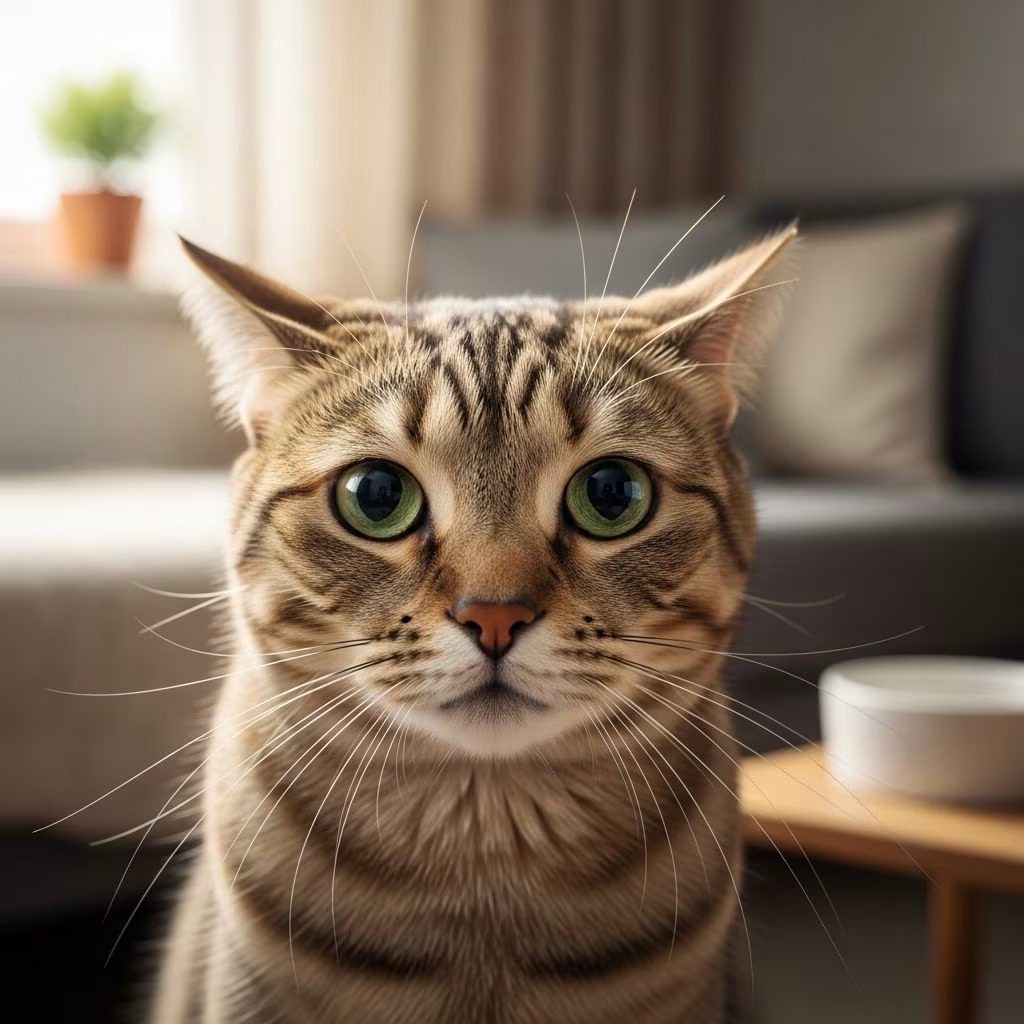
Cats are creatures of habit and routine, and when their environment or circumstances change, they often respond through behavioral and physiological shifts. One of the most significant health manifestations of feline stress is the development of urinary tract problems. Unlike humans who might experience tension headaches, cats often develop painful bladder inflammation when stressed, leading to a complex condition that affects their quality of life and requires comprehensive management.
Understanding the relationship between stress and urinary dysfunction in cats is essential for any pet owner. This connection represents a fascinating intersection of behavioral psychology, environmental design, and veterinary medicine. By recognizing the signs early and implementing appropriate interventions, you can significantly improve your cat’s comfort and overall well-being.
How Stress Manifests as a Urinary Problem
When cats experience stress, their bodies undergo biochemical changes that directly impact bladder function. Stress triggers inflammation of the bladder lining, creating a cascade of physical discomfort. This inflammatory response is not merely coincidental—it represents the cat’s physiological adaptation to perceived threats in their environment.
The mechanism is surprisingly similar to how humans respond to anxiety. Where humans might develop muscle tension or gastrointestinal distress, cats’ bodies direct stress responses toward the urinary system. The brain-bladder connection in cats is particularly sensitive, making the urinary tract a vulnerable system during periods of emotional or environmental upheaval.
This stress-induced condition differs significantly from bacterial infections or structural blockages. Feline Idiopathic Cystitis (FIC) represents the most common cause of lower urinary tract disease in younger cats, accounting for a substantial proportion of veterinary urinary complaints. The term “idiopathic” indicates that no specific infectious agent or physical obstruction causes the inflammation—rather, it stems from the interplay of stress, environmental factors, and the cat’s individual physiology.
Recognizing the Warning Signs
Identifying stress-related urinary issues requires careful observation of your cat’s behavior and litter box habits. Cats typically communicate distress through clear behavioral modifications that alert attentive owners to potential problems.
Primary Behavioral Indicators
- Frequent litter box visits: Your cat may visit the litter tray multiple times hourly, yet produce minimal urine
- Inappropriate elimination: Urination in unusual locations such as bathtubs, sinks, or cold hard floors represents a significant behavioral change
- Vocalization during urination: Crying out or vocalizing while using the litter box indicates pain or discomfort
- Blood in urine: Visible pink or reddish urine results from bladder wall inflammation
- Excessive genital grooming: Increased licking around the urinary opening occurs as the cat attempts to self-soothe
- Straining behavior: Prolonged attempts to urinate with minimal output characterize this symptom
Secondary Signs Indicating Systemic Impact
- Low energy levels and reduced activity
- Withdrawal from normal social interaction and hiding behavior
- Increased water consumption
- Decreased food intake or appetite loss
- Urine odor on the cat’s body or bedding
The presence of any combination of these symptoms warrants immediate veterinary consultation. However, cats displaying a swollen or tender abdomen require emergency veterinary care, as this may indicate urethral obstruction—a potentially life-threatening condition.
Common Environmental Stressors for Cats
Understanding what triggers stress responses in cats is fundamental to prevention and management. Unlike dogs, cats are sensitive to subtle environmental changes and may react strongly to disruptions that humans might consider minor.
Household Disruptions
- Introduction of new family members or pets
- Relocation or rearrangement of living spaces
- Changes in daily routines or feeding schedules
- Alterations to the number or type of litter boxes available
- Excessive noise or unusual household activity
- Conflict with other cats sharing the household
Medical and Physiological Factors
Beyond environmental stressors, certain physiological conditions increase cats’ susceptibility to stress-related urinary issues. Dehydration, mineral crystal formation, and inappropriate dietary composition can accelerate problem development. Additionally, male cats face elevated risk due to anatomical differences—their longer and narrower urethras make them more vulnerable to both stress-induced issues and physical obstructions.
Distinguishing Between Stress-Related Issues and Other Conditions
While stress-induced cystitis represents the most common cause of lower urinary tract disease in younger cats, other serious conditions produce similar symptoms. Accurate diagnosis is essential for appropriate treatment.
| Condition | Primary Cause | Distinguishing Features | Age Group Most Affected |
|---|---|---|---|
| Feline Idiopathic Cystitis (FIC) | Stress and environmental factors | No bacterial infection or stones present; responds to stress management | Cats under 10 years |
| Urinary Tract Infection (UTI) | Bacterial infection | Positive bacterial culture; more common in older females and cats with diabetes | Older cats, especially females |
| Urinary Stones | Mineral crystal accumulation | Visible on X-rays; can cause physical obstruction | All ages; more common in males |
| Urethral Obstruction | Plugs or stones blocking urethra | Emergency condition; little to no urine output; severe distress | Males aged 1-10 years |
Accurate diagnosis requires professional veterinary evaluation, including urinalysis, urine culture, and potentially imaging studies. Your veterinarian will perform these tests to identify whether bacterial infection, stones, or purely inflammatory causes are responsible for your cat’s symptoms.
Diagnostic Approaches
When your cat exhibits signs of urinary dysfunction, your veterinarian will employ multiple diagnostic tools to determine the underlying cause. This systematic approach helps differentiate stress-related cystitis from infections or structural problems.
The diagnostic process typically begins with a comprehensive physical examination and detailed history of symptom onset and environmental changes. Your veterinarian will specifically inquire about recent household modifications, introduction of new pets, or alterations to your cat’s routine.
Urinalysis and urine culture tests are essential for identifying bacterial infections, while imaging studies such as X-rays reveal urinary stones or other physical abnormalities. Blood work may be necessary to evaluate kidney function and screen for conditions like diabetes or hyperthyroidism that predispose cats to urinary issues.
Management Strategies for Stress-Related Urinary Issues
Treatment of stress-induced urinary problems focuses on reducing environmental stressors while providing supportive care. Unlike bacterial infections requiring antibiotics, FIC management emphasizes behavioral modification and environmental optimization.
Environmental Enrichment and Modification
Creating a stress-reducing environment is fundamental to managing feline idiopathic cystitis. Cats require specific environmental features to feel secure and express natural behaviors.
- Multiple litter box placement: Provide one litter box per cat plus one additional box, distributed throughout your home
- Safe refuge areas: Establish quiet spaces where your cat can retreat when feeling overwhelmed
- Vertical territory: Install climbing posts and shelves that allow cats to occupy elevated vantage points
- Predatory enrichment: Offer toys that encourage hunting behavior and interactive play
- Consistent routine: Maintain predictable feeding and play schedules
- Clean litter facilities: Ensure litter boxes are immaculate and placed away from food and water sources
Dietary Considerations
While stress represents the primary driver of FIC, dietary factors can either exacerbate or support recovery. Hydration plays a crucial role in urine concentration and crystal formation. Veterinarians often recommend increased water intake through multiple water sources, including water fountains that encourage drinking.
Your veterinarian may recommend specialized diets formulated to modify urine pH and mineral composition, particularly if your cat has a history of crystal formation or stones.
Behavioral and Pharmacological Support
In some cases, veterinarians prescribe medications to reduce bladder inflammation and alleviate pain. Additionally, pheromone-based products mimic natural calming chemicals that cats produce, potentially reducing anxiety responses.
Addressing conflicts between household cats is particularly important. If inter-cat tension contributes to stress, providing separate resources and supervised interactions may help reduce overall household stress levels.
Emergency Warning Signs Requiring Immediate Care
Urethral obstruction represents a life-threatening emergency requiring immediate veterinary intervention. Male cats are particularly vulnerable due to their anatomical predisposition. If your cat shows these critical signs, contact emergency veterinary services immediately:
- Complete inability to urinate or no urine output for several hours
- Severe distress, excessive vocalization, or extreme agitation
- Abdominal swelling or extreme tenderness
- Vomiting or refusal to eat
- Lethargy or collapse
Untreated urethral obstruction can result in kidney failure, electrolyte imbalances, and death within 24 to 48 hours. This represents a true emergency distinct from non-obstructive stress-related cystitis.
Long-Term Management and Prevention
Once diagnosed with stress-related urinary issues, many cats experience recurrent episodes. Effective long-term management requires ongoing commitment to environmental optimization and stress reduction.
Regular veterinary follow-up appointments help monitor your cat’s condition and adjust management strategies as needed. Maintaining detailed records of symptom patterns may help identify specific triggers unique to your cat’s situation.
Many cats respond dramatically to comprehensive environmental modification, while others benefit from combination approaches including dietary changes, increased hydration, and pharmacological support. Your veterinarian can tailor treatment protocols to your individual cat’s needs and response patterns.
Understanding that stress-related urinary issues represent a manageable condition—not a permanent disability—helps owners approach treatment with realistic expectations and appropriate patience as their cats adapt and improve.
References
- Urine problems in cats — People’s Dispensary for Sick Animals (PDSA). 2024. https://www.pdsa.org.uk/pet-help-and-advice/pet-health-hub/symptoms/urine-problems-in-cats
- Cat Urinary Blockage: Emergency Signs and Critical Steps — Garden State Veterinary Specialists (GSVS). 2024. https://gsvs.org/blog/cat-urinary-blockage-emergency/
- Understanding Feline Idiopathic Cystitis — Oregon Humane Society. 2024. https://www.oregonhumane.org/feline-idiopathic-cystitis/
- Cat Urinary Tract Problems and Infections — WebMD Pets. 2024. https://www.webmd.com/pets/cats/cat-urinary-tract-problems
- Feline Lower Urinary Tract Disease — American Veterinary Medical Association (AVMA). 2024. https://www.avma.org/resources-tools/pet-owners/petcare/feline-lower-urinary-tract-disease
- Feline Lower Urinary Tract Disease — Cornell University College of Veterinary Medicine. 2024. https://www.vet.cornell.edu/departments-centers-and-institutes/cornell-feline-health-center/health-information/feline-health-topics/feline-lower-urinary-tract-disease



