

Feeling Stressed? Here’s How to Peace Out With Your Pet
Life can get hectic, and stress doesn’t just affect humans—our furry companions experience anxiety too. Whether your dog is reacting to environmental changes, loud noises, or changes in routine, stress can significantly impact their well-being and behavior. The good news is that you have the power to help your dog find calm and peace. By understanding stress triggers and implementing proven relaxation techniques, you can create a more serene environment for both you and your beloved pet. This comprehensive guide will walk you through practical strategies to ease your dog’s stress and strengthen your bond in the process.
Understanding Your Dog’s Stress: Signs and Triggers
Before you can effectively help your dog manage stress, it’s crucial to recognize the warning signs. Dogs communicate their anxiety in various ways, and learning to read these signals is the first step toward intervention. Common stress indicators include excessive pacing, increased shedding, frequent yawning, hiding in quiet corners, drooling, whining, or changes in appetite and sleep patterns. Your dog might also display destructive behaviors or become unusually aggressive when experiencing anxiety.
Stress triggers vary widely depending on your individual dog’s personality and background. Environmental factors such as loud noises from thunderstorms or fireworks, chaotic household environments, moving to a new home, or unfamiliar visitors can all provoke anxiety. Social triggers might include interactions with other animals, separation from their owners, or crowded spaces. Physical triggers could range from grooming activities like nail trimming to experiencing pain or discomfort. By carefully observing your dog’s behavior and noting when stress occurs, you can begin to identify patterns and pinpoint specific stressors.
Identifying and Managing Stress Triggers
Once you’ve recognized that your dog is stressed, the next critical step is identifying the root cause. Take time to assess your surroundings and your dog’s current situation. Ask yourself: What changed recently? What activity precedes the stressed behavior? Understanding the connection between events and your dog’s anxiety allows you to develop targeted solutions and prevent future episodes.
The most direct approach to managing known stressors is removal. If your children are playing loudly and your dog is clearly overwhelmed, provide a quiet space where they can retreat. If your dog becomes anxious around a family cat, arrange separate playtime or create physical barriers using baby gates. However, not all stressors can be easily avoided. During inevitable stressful situations like thunderstorms or fireworks, you’ll need alternative coping strategies.
Creating a Safe Haven: The Power of Crates
One of the most effective tools for stress management is a properly introduced dog crate. When used correctly, crates serve as personal sanctuaries where dogs feel secure and protected. The key is conditioning your dog to view their crate positively rather than as a punishment or prison. A well-designed crate provides a sense of control and safety—a “home within a home” where your dog can retreat when the world feels overwhelming.
To maximize the crate’s stress-relieving benefits, make it as comfortable as possible. Add soft bedding, an orthopedic pad, and familiar toys or blankets that smell comforting. Place the crate in a quiet area where your dog can observe their surroundings without being directly in the action. During stressful events, supply the crate with treats, chew toys, and comfort items. The enclosed space naturally muffles external noise and creates a secure environment that can significantly reduce anxiety. Many dogs will voluntarily retreat to their crates when they need a break from stress.
Exercise: Nature’s Stress Reliever
Physical activity is one of nature’s most powerful stress-reduction tools for dogs. Regular exercise burns excess energy that might otherwise manifest as anxious behaviors and releases endorphins—the body’s natural “feel-good” chemicals that reduce anxiety and promote relaxation. Dogs that receive adequate physical activity are generally calmer, happier, and better equipped to handle stressful situations.
The amount and type of exercise depends on your dog’s age, breed, and individual energy level. A brisk walk through the neighborhood exposes your dog to mental stimulation through new sights and smells while providing physical exertion. Playing fetch in a fenced yard, tug-of-war in your living room, trips to the beach, or visits to a dog park offer varied activities that keep your dog engaged and tired. Aim for consistent daily exercise—even 30 minutes of activity can make a significant difference in your dog’s stress levels and overall demeanor.
Mental Stimulation: Exercising Your Dog’s Brain
Physical exercise is essential, but mental stimulation is equally important for stress reduction. Boredom and an understimulated mind can lead to anxiety, depression, and age-related cognitive decline. Interactive toys, puzzle games, and training sessions provide cognitive challenges that keep your dog’s brain engaged and focused on positive activities.
Puzzle toys that dispense treats reward your dog for problem-solving, creating a sense of accomplishment and mental satisfaction. Teaching new tricks or commands provides structured mental engagement and strengthens your bond through positive interaction. Training sessions should be short, fun, and rewarding. Interactive play with your dog or other dogs also provides mental enrichment and social engagement. By keeping your dog’s mind active and challenged, you naturally redirect their focus away from stressors and anxiety triggers.
Establishing Consistency: The Comfort of Routine
Dogs are creatures of habit that thrive on predictability and structure. Many behavioral issues and stress responses stem from unpredictability and uncertainty about what comes next. By establishing and maintaining a consistent daily routine, you provide your dog with a sense of security and control that naturally reduces anxiety.
A structured routine should include set times for feeding, exercise, playtime, training, and sleep. When your dog knows that breakfast occurs at 7 AM, a walk at 8 AM, and bedtime at 10 PM, they can relax knowing what to expect. This predictability reduces the mental energy spent worrying about the unknown and promotes a calmer overall demeanor. While consistency is important, it’s equally crucial that your dog remains flexible and adaptable to occasional changes. Gradually introducing minor variations to the routine helps prevent over-dependence while maintaining the security that structure provides.
Soothing Sounds: Music and White Noise
During stressful situations, sound can either amplify anxiety or provide comfort. Many dogs find that calming music or white noise helps them relax and cope with anxiety-triggering situations. This is particularly effective during thunderstorms or fireworks when unpredictable loud noises would otherwise terrify your dog. The steady, soothing sounds mask stress-inducing environmental noise and create a calming audio environment.
Numerous apps and streaming services now offer music specifically composed to calm dogs. These tracks typically feature soft, repetitive sounds and frequencies designed to promote relaxation. White noise machines or fans also effectively mask disruptive sounds while creating a consistent acoustic backdrop. Playing calming music during stressful events or even as part of your regular routine can significantly reduce your dog’s anxiety levels and promote restfulness.
Affection and Physical Touch
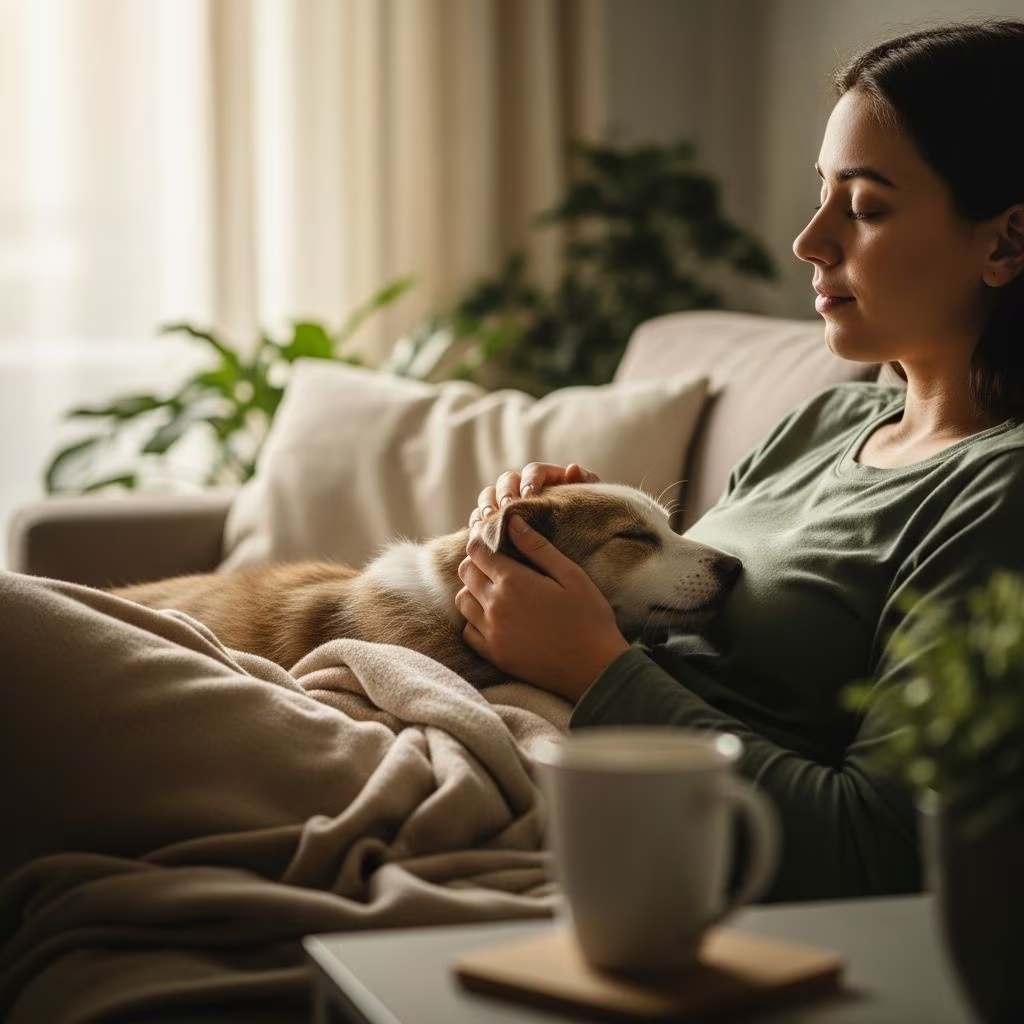
Never underestimate the power of simple affection in calming your stressed dog. Gentle petting, soft rubbing, and close physical contact release endorphins in both you and your dog, creating a powerful stress-reduction loop. When you calmly pet and snuggle your anxious dog, you’re not only providing comfort but also modeling relaxed behavior that your dog can mirror.
It’s important to note that your own emotional state directly influences your dog’s stress levels. Dogs are remarkably perceptive and can sense when their owners are anxious, tense, or panicking. By maintaining a calm, relaxed demeanor when your dog is stressed, you help them feel more secure. Avoid raising your voice or displaying panic, even if you’re concerned about your dog’s anxiety. Instead, offer steady, gentle affection and speak in soothing tones. This creates a reassuring presence that helps your dog feel protected and understood.
Environmental Management Strategies
Beyond individual techniques, managing your dog’s overall environment plays a crucial role in stress reduction. Create dedicated quiet spaces where your dog can escape from household chaos. Use safety gates to establish calm zones away from excited children or other animals. Ensure your dog has access to their bed, crate, or favorite resting spot when they need to decompress.
Remove or minimize exposure to known stressors when possible. If your dog becomes anxious during vacuuming, try to schedule cleaning when your dog is outside or in another part of the house. If visitors cause stress, provide your dog with a comfortable space where they can observe from a distance without being overwhelmed. Simple environmental adjustments can dramatically reduce daily stress exposure and support your dog’s overall well-being.
Natural Calming Supplements and Grooming
In addition to behavioral strategies, natural approaches can support stress management. Certain dietary supplements designed specifically for canine anxiety may help, though always consult your veterinarian before introducing any new supplements. Regular grooming provides additional stress-relief benefits—the brushing action releases endorphins and creates a bonding experience that promotes relaxation and comfort. Many dogs find grooming to be a soothing ritual that enhances their sense of well-being.
When to Seek Professional Help
While these strategies are effective for most dogs experiencing stress, some situations warrant professional intervention. If your dog displays severe anxiety, aggression, or destructive behavior, or if stress symptoms persist despite your efforts, consult your veterinarian. A vet can rule out underlying medical conditions and may recommend working with a certified dog behaviorist who can develop a customized stress-management plan for your specific dog.
The Owner’s Role in Your Dog’s Stress Management
Your dog’s emotional well-being is deeply connected to your own. Managing your personal stress levels, maintaining a calm demeanor around your dog, and staying consistent with stress-reduction techniques all contribute to your dog’s ability to find peace. Make your dog’s stress management a priority within your household, and you’ll likely notice improvements in their behavior, health, and overall happiness.
Frequently Asked Questions
Q: How long does it take for stress-reduction techniques to work?
A: Results vary depending on your dog’s personality and the specific stressor. Some dogs respond within days to consistent techniques, while others may need several weeks. Patience and consistency are essential—most dogs show noticeable improvement within 2-4 weeks of implementing multiple stress-reduction strategies simultaneously.
Q: Can I use a crate if my dog already dislikes it?
A: Yes, but it requires patience and positive conditioning. Start by leaving the crate door open and rewarding your dog for entering voluntarily with treats and praise. Gradually increase crate time and positive associations. Consult a behaviorist if your dog has severe crate anxiety.
Q: How much exercise does my dog need for stress relief?
A: Most dogs benefit from 30-60 minutes of daily exercise, though requirements vary by age and breed. High-energy breeds may need more, while senior dogs may need less. Your veterinarian can recommend appropriate exercise levels for your specific dog.
Q: Does my stress directly affect my dog’s stress level?
A: Yes, absolutely. Dogs are extremely perceptive and mirror their owners’ emotional states. If you’re anxious or panicked, your dog will likely feel more stressed. Practicing stress management for yourself benefits your dog as well.
Q: Are there risks to using natural supplements for dog anxiety?
A: Some natural supplements are safe and beneficial, but always consult your veterinarian first. They can assess your dog’s health history, potential interactions with other medications, and recommend appropriate options. Never give supplements without professional guidance.
References
- Stressed Out Dog: 10 Ways To Ease Their Stress — Diggs Pet. Retrieved from https://www.diggs.pet/blogs/posts/ease-your-stressed-out-dog
- Signs of Stress in Dogs — Blue Cross. Retrieved from https://www.bluecross.org.uk/advice/dog/behaviour-and-training/stress-in-dogs
- 10 Ways to Calm Your Dog Naturally — PetMD. Retrieved from https://www.petmd.com/dog/general-health/how-to-calm-your-dog-naturally
- Dietary Strategies for Relieving Stress in Pet Dogs and Cats — National Center for Biotechnology Information. 2023. https://pmc.ncbi.nlm.nih.gov/articles/PMC10045725/
- 5 Ways Pets Help With Stress and Mental Health — American Heart Association. Retrieved from https://www.heart.org/en/healthy-living/healthy-bond-for-life-pets/pets-as-coworkers/pets-and-mental-health



