

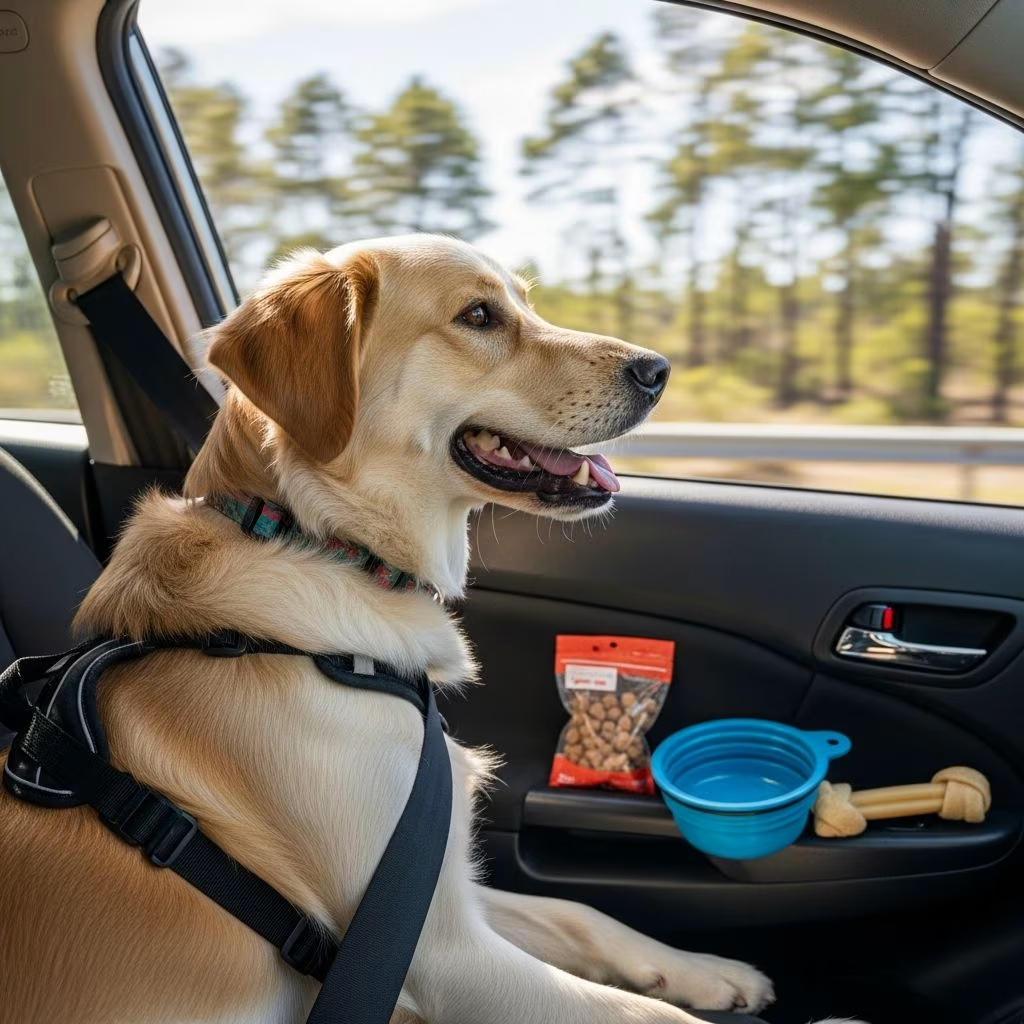
Traveling with dogs can be an exciting adventure, but it also comes with unique challenges that many pet parents don’t anticipate. As a mom of three rescue dogs, each with their own distinct personality and love for exploration, I’ve learned valuable lessons about what not to do when traveling with your pups. After three years of rookie dog mom mistakes, I’ve transformed from making common travel blunders into becoming proficient at planning seamless road trips with my furry companions. If you’re planning to travel with your dog, take these lessons as teachable moments—do as I say, not as I did—to ensure your next adventure is stress-free and enjoyable for everyone involved.
Understanding Your Dog’s Travel Needs
Before embarking on any journey with your dog, it’s crucial to understand that your pet experiences travel differently than you do. Dogs rely heavily on routine, familiar scents, and their established environment for comfort and security. When you disrupt these elements through travel, your dog may experience stress, anxiety, or behavioral changes. The key to stress-free dog travel is preparation and understanding your specific dog’s personality and needs.
Every dog has unique travel requirements based on their age, temperament, health status, and previous travel experiences. Some dogs naturally adapt to new environments, while others require gradual exposure and positive reinforcement to feel comfortable during travel. Recognizing your dog’s individual needs is the foundation for planning a successful trip.
Pre-Travel Preparation: Setting Your Dog Up for Success
The most critical aspect of stress-free dog travel begins long before you pack your suitcase or load your car. Proper preparation can mean the difference between a chaotic trip and a smooth adventure.
Gradual Exposure and Socialization
One of the biggest mistakes I made early on was assuming my dogs would automatically be comfortable in new situations. Instead, I learned that gradual exposure to unfamiliar environments is essential. Your dog may have never been to an airport, train station, or highway rest stop. Taking your dog to unfamiliar areas with lots of people and doing a walk-through before your actual trip can make a tremendous difference. Pre-expose them to places that look, feel, smell, or sound scary to your dog in a controlled, positive manner.
A dog who has learned to trust you and can respond to your commands in various situations is significantly easier to manage through unexpected scenarios you couldn’t have trained for in advance. This trust is built through consistent, positive experiences over time.
Crate Training and Carrier Conditioning
Before traveling, ensure your dog is comfortable in a crate or carrier. Many pet parents make the mistake of only putting their dogs in carriers when heading to the vet, which creates negative associations. Instead, introduce your dog to the carrier as a positive space. Purchase a dog crate well in advance of your trip and keep it in your home with the door open, furnished with comfortable blankets, treats, and toys. Encourage your dog to hang out inside voluntarily, transforming their crate into a positive, safe space that smells like home.
When your dog associates their crate with comfort and safety rather than stress or veterinary visits, they’ll be much more relaxed during travel, whether by car, plane, or train.
Basic Command Training
Before traveling, your dog should know basic commands like sit, stay, come, and off. These commands aren’t just about obedience; they’re safety tools that help you manage your dog in unfamiliar or potentially chaotic situations. Take time to reinforce these commands during practice sessions leading up to your trip.
Car Travel: Making Long Drives Comfortable
Car travel represents the most common form of dog transportation, and there are several critical considerations to ensure your dog’s comfort and safety during long drives.
Choosing the Right Restraint System
One of my early mistakes was allowing my dogs to move freely in the car, which created safety hazards and distractions for driving. The first consideration when road tripping with your dog should be how you’ll restrain your pet. Proper restraint systems serve multiple purposes: they keep your dog safe in case of sudden stops or accidents, prevent them from distracting you while driving, and contain them if you need to open car doors.
Options include crash-tested harnesses, carriers, or vehicle barriers. Choose a system that works for your dog’s size and your vehicle configuration, but prioritize safety over convenience.
Planning Regular Breaks
Whether you’re driving an hour or taking a cross-country road trip, you must plan around your pup’s needs. This means pulling over for potty breaks and exercise at regular intervals. Most major rest stops have designated dog areas where your pup can go to the bathroom, stretch their legs, and play. Before your trip, identify rest stops along your route that offer dog-friendly facilities.
Plan to stop every two to three hours for dogs, and more frequently for puppies or senior dogs. These breaks provide opportunities for exercise, bathroom breaks, and mental stimulation, which help prevent anxiety and destructive behavior in the vehicle.
Keeping Your Dog Entertained and Calm
Long periods of inactivity can lead to anxiety and unwanted behaviors. Bring your dog something to chew on—a favorite chew toy keeps your dog busy and prevents them from chewing on car seat belts or other car components, which is a common pastime for anxious canine road warriors. Long-lasting chews like bully sticks or dental chews can occupy your dog during extended driving periods.
Additionally, if your dog tends to become anxious during long car journeys, consider using behavioral supplements or anxiety-reducing products. Items like calming chews given 30 minutes before departure or anxiety wraps (such as ThunderShirts) can help your dog remain relaxed throughout the trip.
Nutrition and Hydration
Maintaining your dog’s regular diet during travel is essential. Sudden changes in diet can cause digestive upset, which is the last thing you want during a long drive. Bring your dog’s usual food and treats from home, packed in convenient portions for easy feeding during stops. A zippered plastic bag makes it easy to pack dry dog food or dehydrated meals.
For hydration, bring your dog’s water from home as well, since unfamiliar water sources can also upset sensitive stomachs. Consider using a collapsible water bowl for easy portability and quick hydration during rest stops.
Choosing Pet-Friendly Accommodations
Where you stay during travel significantly impacts your dog’s stress levels and your overall trip experience. The accommodation choice requires thoughtful planning.
Hotel Room Selection Strategy
One of my most valuable dog travel tips is to request a room on a lower floor so that stairs are an option for you and your pup. This seemingly small detail makes a significant difference in managing your dog’s comfort and accessibility. Lower floors provide easier exit routes for quick bathroom breaks and reduce the stress of navigating stairs with a tired or anxious dog.
Look for hotels that genuinely welcome pets, not just those that grudgingly allow them. Pet-friendly chains often provide dog beds, bowls, and other amenities specifically designed for traveling pups. When booking, confirm the hotel’s pet policy, any additional fees, and what amenities they provide.
Creating a Familiar Environment
When you arrive at your accommodation, recreate familiar elements from your dog’s home environment. Bring your dog’s usual bed, favorite toys, and items that smell like home. These familiar objects provide comfort and help your dog feel secure in a new space. Set up a designated area for your dog within the room, making it their safe space.
Safety Considerations for Traveling Dogs
Keeping your dog safe during travel encompasses multiple aspects beyond physical restraints.
Pack a Pet-Specific First Aid Kit
Just as you’d pack a first aid kit for yourself, prepare one for your dog. Include items such as bandages, antiseptic wipes, tweezers for splinters or ticks, pain relievers (vet-approved), antihistamines, and any medications your dog takes regularly. Having these items readily available can help you address minor injuries or issues quickly without waiting to find a veterinary clinic.
Keep Identification Current
Before traveling, ensure your dog has current identification. This includes an updated microchip registration and a collar with an ID tag featuring your phone number and any relevant medical information. In the unfortunate event your dog becomes lost during travel, current identification significantly increases the chances of a safe reunion.
Know Your Veterinary Resources
Before leaving home, research veterinary clinics along your travel route and at your destination. Save their contact information in your phone. Knowing where emergency veterinary services are located provides peace of mind and ensures you can quickly get help if needed.
Managing Specific Travel Challenges
Different travel situations present unique challenges. Understanding how to address these specific scenarios helps prevent stress and confusion during your trip.
Dealing with Travel Anxiety
Some dogs experience genuine anxiety during travel, which can manifest as panting, pacing, whining, or destructive behavior. If your dog shows signs of anxiety, work with your veterinarian to develop a management plan. This might include training techniques, behavioral supplements, or anxiety-reducing products. Starting with short practice trips that end in positive experiences helps your dog form better associations with travel.
Practice trips to the dog park or a favorite pet store, for example, help form more positive associations with riding in the car. The key is not limiting car rides to visits to the vet, which creates a negative feedback loop.
Handling Multiple Dogs
Traveling with multiple dogs requires additional planning and organization. Ensure each dog is properly restrained in the vehicle, has individual water and food supplies, and has adequate space. Bring enough toys and chews so there’s no competition for entertainment items. Consider traveling at times when your dogs typically rest, making sleep easier during the drive.
Frequently Asked Questions
Q: Should I use calming supplements for my dog during travel?
A: Calming supplements can be helpful, especially for dogs with anxiety. Popular options like Happy Traveler Calming Chews should be given 30 minutes before travel starts. However, consult your veterinarian before using any supplements to ensure they’re appropriate for your dog’s specific health status and medications.
Q: How often should I stop during a long car drive with my dog?
A: Plan to stop every two to three hours for most adult dogs to allow for bathroom breaks, exercise, and mental stimulation. Puppies and senior dogs may need more frequent stops. Always use designated rest areas with dog-friendly facilities.
Q: Can I leave my dog in the car while I run errands?
A: Never leave your dog unattended in a parked car, especially in warm weather. Cars can heat up dangerously quickly, even with windows cracked. If you need to leave your car, take your dog with you or arrange for someone to stay with them.
Q: What should I bring on a day trip with my dog?
A: Pack a specialized day trip bag containing your dog’s regular food, treats, water and collapsible bowl, leash, waste bags, first aid kit, favorite toys or chews, bed or blanket, medications, and identification documents. Keep this bag packed and ready in your car for quick getaways.
Q: How can I help my dog adjust to hotel rooms?
A: Bring familiar items from home like your dog’s bed, favorite toys, and items with familiar scents. Request a lower floor room for easier access to outdoor areas. Create a designated safe space in the room and maintain your dog’s regular routine as much as possible.
Q: Is it better to travel during specific times of day?
A: Consider traveling during times when your dog typically rests or sleeps, such as early morning or late evening. This encourages your dog to sleep through portions of the drive, making the trip less stressful for everyone.
Key Takeaways for Stress-Free Dog Travel
Travel with your dog doesn’t have to be stressful. By learning from common mistakes and implementing these strategies, you can ensure your pup has a comfortable, safe, and enjoyable experience. The most important elements are thorough preparation, understanding your dog’s individual needs, maintaining their routine as much as possible, and approaching travel as a positive adventure rather than a chaotic ordeal.
Remember that every dog is unique, and what works for one may not work for another. Be patient with your dog, stay flexible in your plans, and prioritize their comfort and safety above all else. With these dog travel tips in mind, your next adventure with your furry companion can be the stress-free experience you’ve been hoping for.
References
- 11 Tips for Surviving Road Trips With Your Dog — Chewy Education. 2024. https://www.chewy.com/education/dog/general/road-trips-with-a-dog
- How to Travel With a Dog by Plane, Train and Automobile — Chewy Education. 2024. https://www.chewy.com/education/dog/general/tips-to-road-trip-with-dog
- Packing Essentials for a Day Trip with Your Dog — Chewy Education. 2024. https://www.chewy.com/education/dog/general/pet-parenting-travel-packing-essentials-for-a-day-trip-with-your-dog
- Traveling With Your Dog in the Car? Follow These 6 Safety Tips — Chewy Education. 2024. https://www.chewy.com/education/dog/general/keeping-dog-safe-car
- Your Guide to Traveling With a Dog Over the Holidays — Chewy Education. 2024. https://www.chewy.com/education/dog/pet-parenting/stress-free-tips-traveling-dog-holiday-season
- Dog Carrier Training Tips You Need to Know — Chewy Education. 2024. https://www.chewy.com/education/dog/training-and-behavior/dog-carrier-training-tips
- 11 Tips for Traveling With a Puppy — Chewy Education. 2024. https://www.chewy.com/education/dog/new-dog/7-tips-for-traveling-with-a-puppy



