

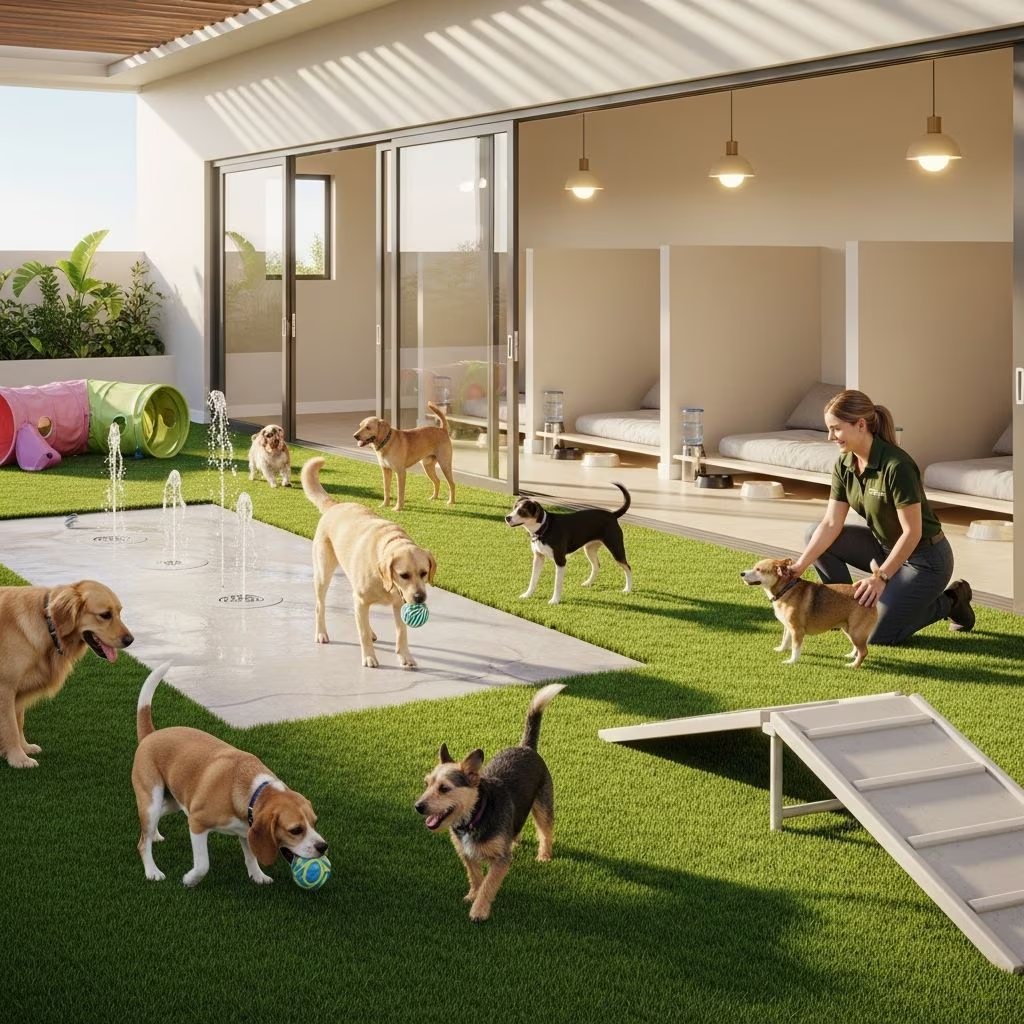
Boarding your dog can be a worry-free experience when approached with the right preparation and knowledge. Many dogs face separation anxiety during stays away from home, but targeted strategies like facility tours, familiar items, and routine consistency can transform potential stress into a positive adventure.
Understanding Why Dogs Experience Boarding Stress
Dogs often develop anxiety in new environments due to unfamiliar sounds, smells, and people. Separation from owners triggers stress responses such as pacing, whining, or withdrawal. Facilities that prioritize low noise levels and individual attention help mitigate these issues.
Younger dogs or those with limited socialization may struggle more, while well-adjusted pets adapt quickly. Recognizing early signs like excessive panting or refusal to eat allows for timely intervention.
Selecting the Perfect Boarding Facility for Anxious Dogs
Choose facilities with specific features to minimize stress. Look for small-scale operations with quiet atmospheres, experienced staff trained in anxiety recognition, and low dog-to-staff ratios.
- Quiet and Controlled Spaces: Avoid large kennels with constant barking; opt for places using visual barriers between dogs.
- Staff Expertise: Caregivers should use positive reinforcement and monitor body language for stress cues.
- Enrichment Opportunities: Programs offering supervised play, walks, and puzzle toys keep dogs mentally engaged.
- Customization: Facilities that accommodate home routines for feeding and exercise excel in comfort.
| Feature | Why It Helps Anxious Dogs | Questions to Ask |
|---|---|---|
| Low Staff-to-Dog Ratio | More individual attention reduces isolation | What is your typical ratio during peak times? |
| Visual Barriers | Prevents overstimulation from other dogs | Do kennels have dividers or private areas? |
| Live Cams | Allows owners to check in remotely | Is video access provided? |
| Enrichment Activities | Combats boredom with mental stimulation | What daily activities are included? |
Pre-Boarding Preparation: Building Confidence at Home
Start conditioning your dog weeks in advance. Practice short absences to desensitize them to being alone, pairing departures with treats. Schedule a veterinary check-up to discuss anxiety management options like supplements.
Implement gradual exposure: Begin with brief crate time mimicking boarding conditions, gradually increasing duration while providing rewards. This counterconditioning rewires anxious responses.
Trial Runs and Facility Visits: Easing the Transition
Most top facilities offer meet-and-greets or trial daycare days. These short visits familiarize your dog with the space, staff, and routines without full commitment.
During the visit, observe your dog’s reactions. A half-day trial reveals how they handle the environment, allowing adjustments before an overnight stay. Repeat visits build positive associations.
Packing Essentials for Comfort and Familiarity
Familiar items anchor your dog in a strange place. Pack unwashed bedding, favorite toys, and clothing with your scent to provide reassuring smells.
- Bulky blankets or beds for cozy nesting.
- Chew toys or puzzle feeders for distraction.
- Recent photos and detailed care instructions.
- Any prescribed medications in original packaging.
Label everything clearly and include a daily schedule to guide staff.
Calming Aids and Environmental Adjustments
Incorporate vet-approved tools like pheromone diffusers, which mimic comforting maternal scents, or soothing music playlists. Soft lighting and comfortable bedding further enhance relaxation.
For severe cases, discuss short-term medications or natural supplements during your pre-boarding vet visit. Always trial these at home first to check tolerance.
Maintaining Routines During the Stay
Consistency prevents additional stress. Provide a written schedule matching home habits for meals, potty breaks, and play. Facilities that adhere to these details show commitment to pet welfare.
Communicate triggers like loud noises or specific handling preferences to ensure staff responds proactively.
Your Role on Drop-Off and Pick-Up Day
Project calm confidence during goodbyes—prolonged emotional farewells amplify anxiety. Keep it brief and positive, then leave promptly.
Upon return, avoid over-excitement. Allow quiet readjustment time, monitoring for lingering stress like appetite changes. Resume normal routines gradually.
Alternatives to Traditional Kenneling
For highly anxious dogs, consider pet sitters or small home-based boarders offering one-on-one care. These mimic home environments more closely.
Daycare-style facilities with gradual introductions suit some pups better than overnight kennels.
Post-Boarding Care and Long-Term Anxiety Management
Watch for behavioral shifts after stays, such as clinginess or sleep disturbances. If persistent, consult a trainer for ongoing desensitization.
Regular socialization outings build resilience for future trips. Consistent home training reinforces independence.
Frequently Asked Questions
Is boarding always stressful for dogs?
No, well-prepared dogs in suitable facilities often enjoy the experience. Trial visits and familiar items make a big difference.
What if my dog refuses food while boarded?
Common initially; staff can tempt with favorites. Contact the facility and vet if it lasts over 24 hours.
Can medications help with boarding anxiety?
Yes, vet-prescribed options provide short-term relief alongside behavioral strategies.
How do I know if a facility is good for anxious dogs?
Tour it: Check noise levels, cleanliness, staff interactions, and stress-minimizing features like barriers.
Should I bring my dog’s crate?
If they use it at home, yes—it offers a secure den-like space.
Expert Tips Summary
- Research facilities emphasizing calm environments and trained staff.
- Conduct trial visits and desensitization training beforehand.
- Pack scent items and maintain routines.
- Use pheromone aids and stay composed at drop-off.
- Monitor post-stay and plan for future resilience.
References
- How We Help Dogs Adjust to Boarding — The Bark Park Resort. 2023. https://www.thebarkparkresort.com/blog/how-we-help-dogs-adjust-to-boarding/
- Beyond the Kennel: Unveiling the Secrets to Stress-Free Dog Boarding — Country Creek Vets. 2024. https://www.countrycreekvets.com/beyond-the-kennel-unveiling-the-secrets-to-stress-free-dog-boarding
- How to Keep Your Pet Calm and Comfortable During Boarding — Priority Boarding. 2023. https://priorityboarding.com/how-to-keep-your-pet-calm-and-comfortable-during-boarding/
- Easing Separation Anxiety: Expert Tips for Stress-Free Pet Boarding — The Wagging Club. 2024. https://thewaggingclub.com/easing-separation-anxiety-expert-tips-for-stress-free-pet-boarding-in-tampa/
- Dog Boarding for Anxious Dogs: The Best Options for Your Fearful Pup — Rover. 2023. https://www.rover.com/blog/board-anxious-dog/
- Stress Management in Dogs: Tips for Boarding Facilities — Gingr App. 2024. https://www.gingrapp.com/blog/stress-management-in-dogs-tips-for-boarding-facilities



