

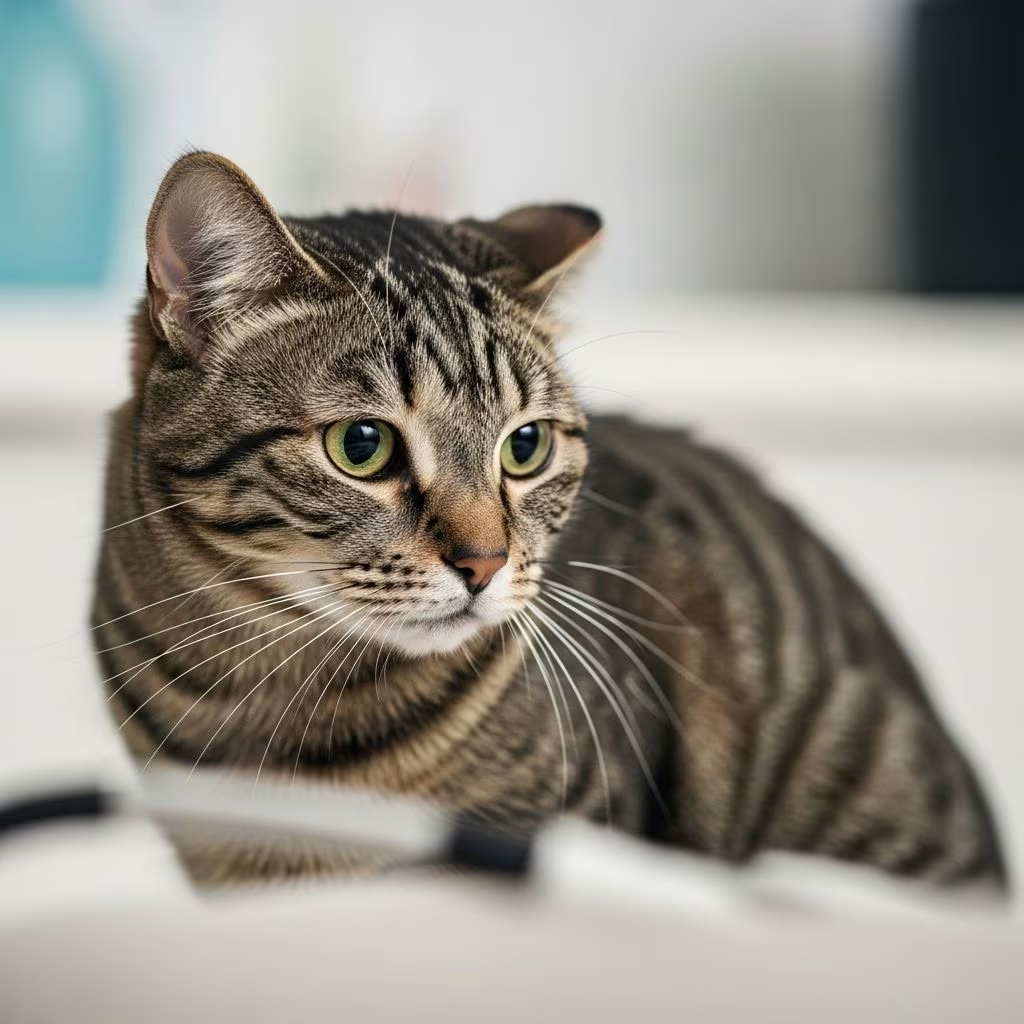
Diarrhea in cats is a common concern for pet owners, yet many fail to recognize that emotional stress plays a significant role in triggering digestive upset. When felines experience anxiety or environmental changes, their digestive systems often respond with loose stools, vomiting, or appetite loss. Understanding this stress-digestive link empowers cat owners to identify triggers and implement effective solutions before minor digestive disturbances become chronic health problems.
The Biological Mechanism: How Stress Affects Feline Digestion
The relationship between stress and gastrointestinal disturbance in cats operates through a sophisticated biological pathway known as the gut-brain axis. This intricate communication system connects your cat’s central nervous system directly to their digestive tract, creating a two-way information highway that influences both physical and emotional responses.
When a cat encounters a stressor, their body triggers the release of stress hormones, particularly cortisol. This hormone prepares the body for “fight or flight” responses—an evolutionary survival mechanism that served wild cats well when facing predators. However, in the domestic environment, this physiological cascade continues even when facing relatively benign triggers like a new pet, household renovations, or changes in routine.
Cortisol directly impacts digestive function by suppressing appetite and creating inflammation within the gastrointestinal tract. This inflammation disrupts the normal contractions and fluid balance in the intestines, leading to the characteristic loose stools associated with stress-induced diarrhea. Additionally, elevated cortisol levels compromise the gut microbiome—the beneficial bacteria that aid digestion and maintain intestinal health.
Recognizing Physical Manifestations of Feline Stress
Cats experience stress differently than humans, often communicating their distress through behavioral and physical changes. Recognizing these signs early allows for intervention before stress becomes chronic and causes lasting health complications.
Digestive System Indicators
- Diarrhea and loose stools — Among the most common stress responses, ranging from intermittent episodes to chronic presentations
- Vomiting and nausea — Stress-induced inflammation in the digestive tract triggers regurgitation and queasiness
- Appetite changes — Cats may refuse meals or eat significantly less, sometimes accompanied by reduced water intake
- Constipation — While less common than diarrhea, some stressed cats experience irregular bowel movements or difficulty defecating
Behavioral Changes Associated with Digestive Distress
Beyond obvious digestive symptoms, stressed cats frequently display behavioral modifications that indicate internal discomfort. Litter box avoidance becomes particularly problematic, as cats may associate their litter box with the discomfort caused by diarrhea or constipation, leading them to urinate or defecate outside the designated area.
Lethargy and decreased activity levels represent another significant indicator. A stressed cat experiencing digestive upset may sleep excessively, show minimal interest in play, and demonstrate reduced enthusiasm for interactive activities. This behavioral shift often coincides with the appetite suppression triggered by elevated cortisol, as the cat lacks sufficient energy to engage in normal activities.
Common Stress Triggers in the Domestic Feline Environment
Understanding what causes stress in your cat enables proactive prevention strategies. Felines thrive on consistency and predictability, making routine changes particularly disruptive to their emotional equilibrium.
| Stress Trigger Category | Specific Examples | Impact on Digestion |
|---|---|---|
| Environmental Changes | Moving to a new home, rearranging furniture, new flooring or paint | Moderate to high digestive disruption |
| Social Disruptions | Introduction of new pets, new household members, family member departure | Moderate digestive impact |
| Routine Modifications | Changes in feeding schedule, litter box relocation, altered play times | Mild to moderate impact |
| Sensory Overstimulation | Loud noises, construction, unfamiliar sounds, excessive handling | Moderate to high impact |
| Separation and Isolation | Owner absence, extended alone time, decreased attention | Mild to moderate impact |
Recognizing that these seemingly minor environmental adjustments create substantial stress responses helps cat owners approach changes more gradually and thoughtfully.
The Long-Term Health Consequences of Chronic Stress
While acute stress-induced diarrhea typically resolves once the stressor diminishes, prolonged exposure to stress triggers can establish chronic health conditions that persist even after the initial cause disappears.
Immune System Compromise
Chronic stress substantially weakens a cat’s immune response, increasing susceptibility to bacterial and viral infections. The gut microbiome, which plays a critical role in immune function, becomes increasingly imbalanced under prolonged stress conditions. This weakened immunity creates a vicious cycle where stressed cats become ill more frequently, which generates additional stress and further compromises their health.
Persistent Gastrointestinal Conditions
Extended stress exposure can transition temporary diarrhea into chronic gastrointestinal disorders, including feline irritable bowel syndrome (IBS). Additionally, stress-related inflammation can predispose cats to urinary tract infections and lower urinary tract disease, common complications in anxious felines.
Behavioral and Cognitive Effects
The gut-brain connection works bidirectionally—persistent digestive inflammation sends negative signals to the brain, affecting mood regulation and cognitive function. Cats experiencing chronic stress-related digestive issues may exhibit increased irritability, restlessness, and aggressive behaviors. This behavioral deterioration often stems from the pro-inflammatory cytokines produced during persistent intestinal inflammation, which directly impact brain function.
Distinguishing Stress-Related Diarrhea from Other Causes
Because diarrhea can result from multiple etiologies—dietary indiscretions, parasitic infections, food allergies, or infectious diseases—accurately identifying stress as the root cause requires careful observation and veterinary guidance. Stress-induced diarrhea typically exhibits specific characteristics that differentiate it from other causes.
Stress-related digestive upset usually coincides temporally with identifiable environmental changes or stressors. The diarrhea often appears intermittently rather than persistently, fluctuating with stress levels. Additionally, stress-induced cases frequently include concurrent appetite suppression and behavioral changes, whereas infections or dietary issues may present with stable appetite and normal behavioral patterns.
However, veterinary evaluation remains essential because overlapping causes frequently occur. A cat experiencing stress may simultaneously have a low-grade parasitic infection that becomes symptomatic only when immune function declines. Professional assessment ensures comprehensive understanding of your cat’s condition and appropriate treatment planning.
Practical Strategies for Managing Feline Stress and Digestive Health
Environmental Enrichment and Consistency
Creating a stable, enriched environment forms the foundation of stress reduction. Maintaining consistent feeding schedules, litter box placement, and daily routines helps cats feel secure and predictable in their surroundings. Providing vertical spaces, hiding areas, and interactive toys allows cats to engage in natural behaviors that reduce anxiety.
Gradual Introduction of Changes
When environmental modifications become necessary, introducing changes gradually minimizes stress responses. Moving a litter box an inch per day rather than relocating it entirely allows cats to adjust without triggering anxiety. Similarly, introducing new pets through slow, supervised exposure periods rather than immediate interaction prevents acute stress responses.
Dietary Considerations
High-quality, consistent nutrition supports digestive resilience during stressful periods. Some cats benefit from easily digestible foods with added probiotics that help restore beneficial gut bacteria compromised by stress-induced inflammation. Ensuring adequate hydration becomes particularly important during stress-related digestive upset, as diarrhea increases fluid loss.
Behavioral Support and Calming Aids
Pheromone diffusers mimicking naturally calming feline facial pheromones can reduce anxiety levels. Interactive play sessions provide mental stimulation and stress relief, while designated quiet spaces offer refuge when cats feel overwhelmed. Some veterinarians recommend supplements supporting digestive health and stress resilience during particularly challenging periods.
When to Seek Veterinary Care
While stress-related diarrhea often resolves with environmental modifications, certain situations require professional veterinary evaluation. Schedule a veterinary appointment if:
- Diarrhea persists longer than 48 hours despite stress reduction efforts
- Stool contains blood or appears black and tarry, indicating potential internal bleeding
- Your cat shows signs of dehydration, including lethargy, dry mucous membranes, or reduced skin elasticity
- Vomiting accompanies diarrhea or persists independently
- Your cat refuses food for extended periods, risking hepatic lipidosis in severe cases
- Behavioral changes extend beyond stress response patterns, suggesting underlying medical conditions
Understanding the Gut-Brain Connection in Your Cat
The emerging field of veterinary psychoneuroimmunology demonstrates that your cat’s emotional state profoundly influences physical health through the gut-brain axis. A healthy gut microbiome produces neurotransmitters like serotonin that regulate mood and anxiety responses. Conversely, stress disrupts this delicate balance, creating a cascade of biological changes that manifest as diarrhea and behavioral disturbances.
Supporting your cat’s digestive health during stressful periods essentially protects their mental and emotional wellbeing. By recognizing stress as a legitimate physiological stressor capable of triggering genuine digestive symptoms, cat owners can approach their pet’s diarrhea with appropriate interventions rather than dismissing it as purely behavioral.
Frequently Asked Questions About Stress and Feline Diarrhea
Can stress alone cause diarrhea, or does it require other contributing factors?
Stress can independently trigger diarrhea through inflammation and hormonal changes, but often stress reduces immune function, making cats susceptible to concurrent infections that exacerbate digestive upset. This explains why stressed cats sometimes develop diarrhea that persists even after the initial stressor resolves—secondary infections have become established.
How long does stress-induced diarrhea typically last?
Duration varies considerably based on stressor severity and individual cat resilience. Acute stress-related diarrhea may resolve within 24-48 hours once the stressor diminishes, while chronic stress can perpetuate digestive disturbance indefinitely without intervention.
Are certain cat breeds more susceptible to stress-related digestive issues?
While all cats experience stress-induced digestive responses, some individuals demonstrate greater sensitivity than others. Anxious temperament, previous traumatic experiences, and underlying health conditions increase vulnerability to stress-related gastrointestinal manifestations.
What role does diet play in managing stress-related diarrhea?
Stable, high-quality nutrition supports digestive resilience during stressful periods. Digestible proteins, adequate fiber, and appropriate fat content facilitate normal gastrointestinal function. Some cats benefit from probiotic supplementation that restores beneficial gut bacteria compromised by stress.
Conclusion: Empowering Proactive Pet Care
Recognizing stress as a significant contributor to feline diarrhea represents a crucial shift in pet health management. Rather than treating digestive symptoms in isolation, understanding the interconnected relationship between emotional wellbeing and physical health enables comprehensive, preventive care approaches. By maintaining consistent environments, recognizing stress triggers, and implementing thoughtful interventions, cat owners can substantially reduce the frequency and severity of stress-related digestive disturbances while supporting their feline companions’ overall health and happiness.
References
- Common Signs of Stress in Cats — Dyera Animal Clinic. 2024. https://dyeranimalclinic.com/blog/stress-in-cats/
- 8 Signs Your Cat Is Stressed — PetMD. 2024. https://www.petmd.com/cat/behavior/signs-cat-is-stressed
- Cracking the Code: 7 Signs of Feline Stress — Southern Arizona Vets. 2024. https://southernazvets.com/cracking-the-code-7-signs-of-feline-stress/
- The Link Between Stress and Digestive Issues in Cats and Dogs — Furlicks. 2023-10-04. https://furlicks.com/blogs/listing/the-link-between-stress-and-digestive-issues-in-cats-and-dogs
- The Gut-Brain Connection in Cats: How Gut Health Influences Behavior — Mutt Gut. 2024. https://muttgut.com/blogs/ultimate-guide-to-total-gut-health/the-gut-brain-connection-in-cats-how-gut-health-influences-behavior
- The Effects of Stress on Your Pet’s Gastro Health — Lactium. 2024. https://www.lactium.com/the-effects-of-stress-on-your-pets-gastro-health/
- Stress-Related Behavioral Disorders in Pets — Purina Institute. 2024. https://www.purinainstitute.com/centresquare/therapeutic-nutrition/stress-related-behavioral-disorders



