
S. zooepidemicus in Pigs: Disease Insights
Comprehensive guide to Streptococcus equi subsp. zooepidemicus infections in swine, covering symptoms, pathology, control strategies, and emerging research findings.
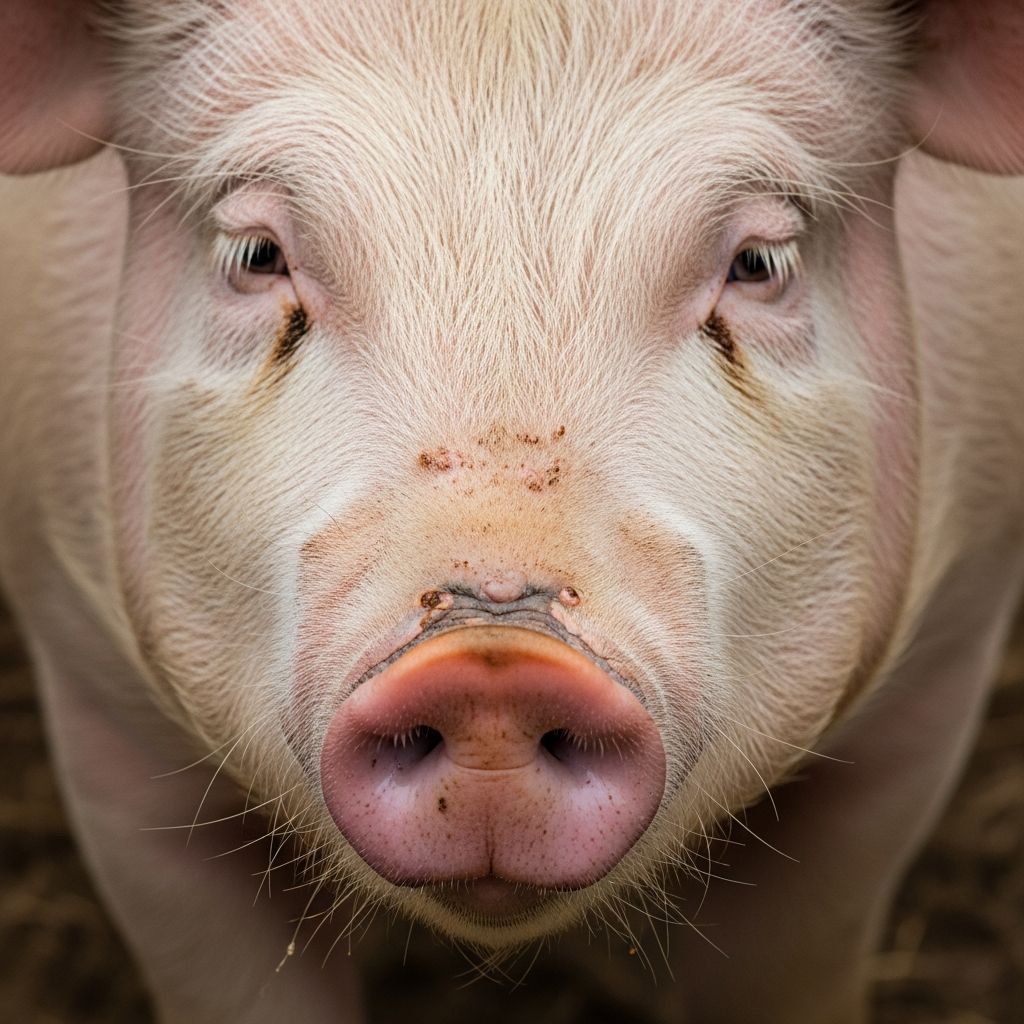
Streptococcus equi subsp. zooepidemicus (S. zooepidemicus) poses a significant threat to pig populations, triggering acute septicemic conditions with high mortality rates. This bacterium, often introduced via contaminated environments or fomites, leads to rapid clinical deterioration in affected herds.
Understanding the Pathogen
S. zooepidemicus is a Gram-positive, beta-hemolytic streptococcus capable of opportunistic infections across multiple species, including swine. In pigs, it manifests as a primary pathogen during outbreaks, causing systemic disease rather than localized issues. Research demonstrates its viability on dry surfaces for up to three days under farm conditions with fecal matter present, facilitating indirect transmission through contaminated equipment or bedding.
The bacterium’s virulence stems from factors like M-like proteins that evade the host immune system, IgG-degrading enzymes, and toxins promoting excessive inflammation. These mechanisms enable swift dissemination from initial infection sites, such as the nasal mucosa, to vital organs.
Transmission Dynamics in Swine Herds
Infection typically occurs through direct contact with infected secretions or fomites. Experimental studies show that intranasal or oral inoculation leads to pathogen shedding in nasal and rectal swabs, yet sentinel pigs in shared airspace remain unaffected, indicating fomite-mediated spread over aerosol transmission.
- Nasal swabs yield the highest detection rates ante-mortem.
- Rectal swabs follow as reliable indicators of systemic involvement.
- No evidence of airborne transmission in controlled settings.
Herds under stress, such as during transport or overcrowding, exhibit heightened susceptibility, amplifying outbreak potential.
Clinical Presentation and Progression
Symptoms emerge rapidly post-exposure. Within 8 hours, fever exceeds 40°C, followed by lethargy, depression, and reluctance to stand by 24-36 hours. Additional signs include increased respiratory rates, dyspnea, and inappetence. Neurological manifestations like twitching occur in some cases.
| Time Post-Infection | Key Symptoms | Severity |
|---|---|---|
| 0-8 hours | Fever (>40°C) | Mild |
| 24 hours | Lethargy, inappetence | Moderate |
| 36+ hours | Depression, dyspnea, recumbency | Severe |
Mortality reaches 50-90%, influenced by herd immunity and intervention speed. Sows experience abortions or resorptions, disrupting reproduction.
Pathological Findings at Necropsy
Gross lesions mimic classic septicemia: splenomegaly, lymphadenopathy, and polyserositis. Lungs show edema and fibrin thrombi in capillaries, without bronchopneumonia, suggesting hematogenous spread over respiratory descent. Lymph nodes appear congested and hemorrhagic, with neutrophil infiltrates in splenic red pulp.
- Focal skin hyperemia in extremities (rare).
- No consistent diarrhea or lameness.
- Mild cases correlate with absent pulmonary changes.
Histology confirms acute inflammation, reinforcing the septicemic nature.
Laboratory Diagnosis Methods
PCR on nasal, oral, and rectal swabs provides rapid, sensitive detection, outperforming culture in early stages. Necropsy tissues yield confirmatory results via bacterial isolation and sequencing for strain typing, such as ST-194 prevalent in outbreaks.
Monitoring protocols involve twice-daily clinical assessments and daily swabbing post-suspicion, with euthanasia for welfare-compromised animals enabling thorough postmortem analysis.
Treatment Protocols and Challenges
Early, aggressive antimicrobial therapy is crucial. Beta-lactams like penicillin, ampicillin, ceftiofur, alongside trimethoprim-sulfonamide and oxytetracycline, show efficacy against isolates. Multiple doses may be required as symptoms persist post-initial treatment.
Resistance develops swiftly during outbreaks, prompting depopulation in severe cases. Supportive care includes fluids and anti-inflammatories, though prognosis remains guarded for advanced disease.
Prevention and Control Strategies
Biosecurity forms the cornerstone: disinfect fomites, isolate new stock, and maintain clean environments. Vaccination trials with live attenuated strains via oral/nasal routes show promise in reducing clinical signs and mortality.
- Implement all-in-all-out production to break transmission cycles.
- Monitor for early fever in high-risk groups.
- Avoid commingling during stressors.
Outbreak response demands rapid depopulation if antibiotics fail, minimizing economic fallout.
Economic Impact on Swine Operations
High mortality and reproductive losses translate to substantial costs. A single outbreak can decimate 50-90% of a group, compounded by treatment expenses and downtime. Proactive management yields returns through sustained productivity.
Research Advances and Future Directions
Ongoing studies elucidate strain-specific virulence and host responses. Experimental models replicate field outbreaks, aiding vaccine development. Sentinel systems highlight direct contact’s role, guiding refined biosecurity.
Frequently Asked Questions (FAQs)
What is the incubation period for S. zooepidemicus in pigs?
Signs appear within 8 hours (fever) to 36 hours (severe lethargy).
Can S. zooepidemicus spread between species?
Yes, documented in horses, cats, and monkeys, but pigs require direct fomite exposure in controlled trials.
Are antibiotics always effective?
Initial susceptibility exists, but resistance emerges; multiple treatments often needed.
How to differentiate from other streptococcal infections?
PCR and culture distinguish subspecies; clinical septicemia patterns aid presumptive diagnosis.
Is vaccination available commercially?
Not yet; experimental attenuated vaccines prevent signs via mass administration routes.
References
- Streptococcus equi subsp. zooepidemicus infection of pigs leads to … — PMC. 2022. https://pmc.ncbi.nlm.nih.gov/articles/PMC9790520/
- STREPTOCOCCUS EQUI SUBSP. ZOOEPIDEMICUS INFECTION IN SWINE — Swine Health Information Center. 2021-03. https://www.swinehealth.org/wp-content/uploads/2021/03/S.-Zoo-Fact-Sheet.pdf
- Streptococcus equi subsp. zooepidemicus infection in pigs — Harvest USask. N/A. https://harvest.usask.ca/bitstreams/eb305485-b320-4b5d-85a7-f7eba2556532/download
- Streptococcus equi zooepidemicus Infection in Pigs — Merck Veterinary Manual. N/A. https://www.merckvetmanual.com/generalized-conditions/streptococcal-infections-in-pigs/streptococcus-equi-zooepidemicus-infection-in-pigs
Similar Articles








Read full bio of medha deb


