

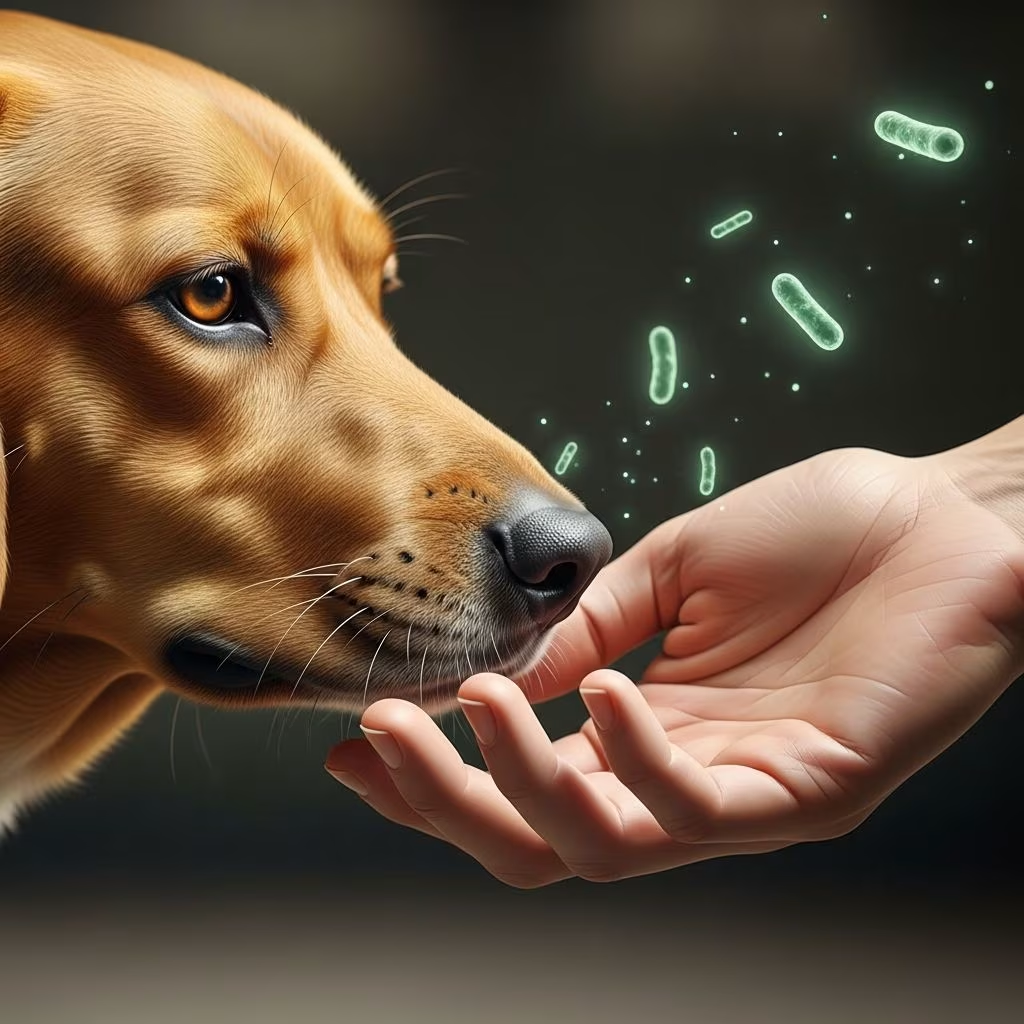
Pet owners frequently worry about catching illnesses from their beloved companions. One common concern involves streptococcal infections, commonly known as strep throat in humans. While the prospect of contracting such an infection from a dog might seem plausible given how closely we interact with our pets, the scientific evidence suggests this risk is considerably lower than many people assume.
The Bacterial Distinction: Why Species Matter
The primary reason humans rarely contract strep from dogs lies in the fundamental differences between bacterial species. Streptococcal bacteria are not one-size-fits-all pathogens. Rather, different strains have evolved to preferentially infect specific host species, making cross-species transmission an uncommon occurrence.
Human strep throat is typically caused by Streptococcus pyogenes, medically classified as Group A Streptococcus (GAS). This particular bacterial strain has adapted over evolutionary time to thrive in the human throat environment. In contrast, dogs are more frequently affected by Streptococcus canis, known as Group G Streptococcus (GGS). This species-specific preference means that the bacteria causing your sore throat has little biological incentive to establish itself in your dog’s throat, and vice versa.
This bacterial specialization provides a natural protective barrier between species. The structural and chemical differences in canine and human throat tissues, combined with variations in immune system responses, create an environment where each species’ preferred pathogen struggles to gain a foothold in the other host.
Current Scientific Evidence on Cross-Species Transmission
Modern microbiology has largely debunked the notion that dogs serve as significant reservoirs for human Group A Streptococcus infections. The Infectious Diseases Society of America (IDSA) has reviewed available scientific literature and concluded that there is no credible evidence supporting the colonization of Group A Streptococcus in dogs or their role in transmitting recurrent human infections.
Interestingly, some confusion on this topic stems from older research methodologies. Earlier scientific studies used culture techniques that could not adequately distinguish between Group A and Group G Streptococcus bacteria. These limitations led researchers to mistakenly attribute human infections to canine exposure when, in fact, the bacteria involved differed significantly. Modern molecular identification techniques have clarified these distinctions, demonstrating that such cross-species transmission, if it occurs at all, represents an exceptionally rare phenomenon.
While documented cases of Group G Streptococcus transmission from dogs to humans do exist in the medical literature, they typically involve specific circumstances such as dog bites or deep puncture wounds rather than casual contact or respiratory transmission. The rarity of these incidents underscores that typical pet-owner interactions pose minimal infection risk.
Mechanisms of Potential Transmission
Despite the low probability, understanding how streptococcal bacteria could theoretically pass between species helps pet owners take appropriate precautions. Several transmission pathways exist, though each carries minimal realistic risk under normal circumstances.
Respiratory Route Transmission
Streptococcal pathogens, whether Group A or Group G, spread through respiratory droplets when infected individuals cough or sneeze. In theory, if a dog harboring Group G bacteria coughed near a person, aerosolized droplets could potentially reach the human’s mucous membranes. However, the species-specific nature of these bacteria means that even if transmission occurred, the human immune system would likely prevent establishment of infection due to the pathogen’s incompatibility with human throat tissue.
Direct Contact and Wound Inoculation
The more plausible transmission route involves direct contact with contaminated material, particularly through open wounds or bite incidents. A dog bite that breaks skin could theoretically introduce Group G Streptococcus into deeper tissue layers where it might establish infection. Medical case reports document this scenario, though such occurrences remain statistically uncommon and typically affect individuals with compromised immune systems or particularly severe injuries.
Contaminated Fomites
Bacteria can survive temporarily on environmental surfaces. If a dog with strep throat bacteria shed the pathogen through saliva or respiratory secretions onto a shared object—such as a food bowl or toy—and a person subsequently contacted that surface and then touched their face, theoretical transmission might occur. In practice, however, the short survival time of these bacteria on surfaces and the robust human immune system make this route extremely unlikely to result in infection.
Streptococcal Infection in Dogs: A Distinct Clinical Picture
Canine streptococcal infections manifest differently than their human counterparts, further highlighting the species-specific nature of these pathogens. Understanding how these infections present in dogs can help owners identify when veterinary care is necessary.
Tonsillitis and Throat Inflammation
Dogs can develop tonsillitis, characterized by inflammation of the tonsils, though this condition occurs far less frequently in canines than in humans. When it does develop, bacterial or viral agents trigger the inflammatory response. The dog may exhibit discomfort, difficulty swallowing, reduced appetite, and occasionally fever. Contrary to human strep throat, which typically presents with a sudden onset of severe symptoms, canine tonsillitis often develops more gradually.
Systemic Streptococcal Infections
Dogs may occasionally develop more serious streptococcal infections that extend beyond the throat. These can manifest as skin infections, abscesses, bacteremia (bacteria in the bloodstream), or soft tissue infections. In immunocompromised dogs or those with severe infections, systemic signs such as fever, lethargy, and loss of appetite become apparent.
Treatment Approaches for Infected Dogs
When a veterinarian diagnoses streptococcal infection in a dog, treatment depends on the underlying cause and severity of infection. Understanding these approaches reassures owners about proper management strategies.
Bacterial infections require antibiotic therapy, typically involving penicillin-based medications or other broad-spectrum antibiotics selected based on culture sensitivity results. The duration of treatment usually spans 7 to 14 days, depending on infection severity. Viral causes of tonsillitis receive supportive care rather than antibiotic treatment, including pain management, adequate hydration, rest, and anti-inflammatory medications to reduce swelling and discomfort.
Dental disease frequently contributes to canine tonsillitis, as oral bacteria can ascend to the tonsils. Veterinarians may recommend professional dental cleaning to eliminate bacterial sources and prevent recurrent inflammation. Additionally, maintaining proper oral hygiene through regular brushing and dental check-ups helps prevent future episodes.
Prevention Strategies for Pet Owners and Dogs
While the actual risk of strep transmission from dogs to humans remains minimal, commonsense hygiene practices further reduce any theoretical risk while simultaneously protecting both human and canine health.
- Hand hygiene: Washing hands after handling pets, before eating, and after activities in shared spaces remains fundamental to preventing all communicable infections, whether zoonotic or human-to-human.
- Respiratory etiquette: Covering coughs and sneezes with your elbow or a tissue, even around pets, prevents dispersal of respiratory pathogens.
- Vaccination status: Keeping dogs current on core vaccines, including those protecting against common viral respiratory pathogens, reduces overall infection risk in the animal.
- Sick animal isolation: If a dog shows signs of illness, minimizing close contact and avoiding shared spaces helps limit potential pathogen exposure.
- Wound care: Thoroughly cleaning and properly treating any dog bites or scratches with soap, water, and appropriate antiseptic solutions reduces infection risk from any bacteria.
- Dental care: Regular professional dental examinations and cleanings for dogs prevent oral bacterial overgrowth and associated infections.
- Kennel hygiene: If housing multiple dogs, maintaining clean living quarters and quarantining sick animals prevents bacterial spread among animals and reduces human exposure risk.
Comparing Streptococcal Infection in Dogs Versus Humans
| Characteristic | Human Strep Throat | Canine Strep Infection |
|---|---|---|
| Causative Organism | Group A Streptococcus (Streptococcus pyogenes) | Group G Streptococcus (Streptococcus canis) |
| Frequency | Common, especially in children | Rare in dogs |
| Typical Symptoms | Severe sore throat, fever, difficulty swallowing | Reduced appetite, difficulty swallowing, mild fever |
| Transmission Route | Respiratory droplets, direct contact | Typically requires direct contact or wound inoculation |
| Treatment | Antibiotics, supportive care | Antibiotics for bacterial; supportive care for viral |
| Incubation Period | 1-3 days | Varies; typically longer than in humans |
Rare Cases of Cross-Species Transmission
Medical literature documents occasional instances where Group G Streptococcus crossed from dogs to humans, primarily through bite wounds or in immunocompromised individuals. A documented case involved a 75-year-old woman who developed septicemia and cellulitis following a dog bite. Molecular analysis confirmed that the Streptococcus canis bacteria originated from the dog, making this a clear example of dog-to-human transmission through a penetrating injury.
Another historical case described a family of four where all members developed recurrent strep throat infections. Investigation eventually revealed that their household dog carried Group A Streptococcus and served as the source of repeated infections. However, such cases remain exceptionally uncommon and typically involve unusual circumstances, underlying immune deficiency, or prolonged intimate exposure.
Frequently Asked Questions
Can I safely cuddle my dog if I have strep throat?
Yes, veterinarians generally confirm that casual cuddling poses minimal risk to your dog. The Group A Streptococcus causing your infection has not adapted to canine hosts and will struggle to establish infection even if transmission occurs. Standard hygiene practices—covering your mouth when coughing and washing your hands regularly—further minimize any theoretical risk.
Should I get my dog tested if I have strep throat?
No, routine throat cultures for dogs are not recommended when their owners have strep throat. The IDSA explicitly advises against this practice given the absence of credible evidence that dogs harbor Group A Streptococcus or transmit it to humans. Unnecessary testing wastes resources without providing meaningful health information.
What signs indicate my dog has a streptococcal infection?
Dogs with streptococcal infection might display reduced appetite, difficulty eating, coughing, lethargy, or fever. Some dogs show reluctance to swallow or exhibit swollen lymph nodes. If your dog displays these symptoms, veterinary evaluation is warranted to determine the underlying cause and appropriate treatment.
How long is a dog contagious with strep?
The contagious period varies depending on the specific pathogen and whether antibiotic treatment has begun. Dogs receiving appropriate antibiotics for bacterial infections typically become non-contagious within 24-48 hours of treatment initiation. Without treatment, the infectious period may extend longer.
Can my dog catch strep from me?
While theoretically possible, your dog catching the Group A Streptococcus causing your infection is extremely unlikely. Dogs lack the cellular receptors and tissue characteristics that allow Group A Streptococcus to establish infection in canine throats. The bacteria may be ingested or inhaled but would not successfully colonize your dog’s tissues.
References
- Can Dogs Get Strep Throat from a Human? — Whole Dog Journal. Accessed February 2026. https://www.whole-dog-journal.com/health/can-dogs-get-strep-throat-from-a-human/
- Can Dogs Get Strep Throat from Humans? — Wag! Accessed February 2026. https://wagwalking.com/wellness/can-dogs-get-strep-throat-from-humans
- Streptococcus canis Bacteremia in a Patient Co-Infected with COVID-19 — Practical Pediatrics and Internal Medicine Journal. 2021. https://www.ppidjournal.com/doi10-55636-ppid05030011/
- Diseases Transmitted by Man’s Best Friend: The Dog — American Society for Microbiology Journals. 2015. https://journals.asm.org/doi/10.1128/microbiolspec.iol5-0002-2015
- Strep Throat? Probably Not Correct to Blame the Dog — Cornell University College of Veterinary Medicine. November 5, 2019. https://www.vet.cornell.edu/about-us/news/20191105/strep-throat-probably-not-correct-blame-dog
- Recurrent Septicemia Caused by Streptococcus canis After a Dog Bite — Journal of Internal Medicine. PMID: 11868767. DOI: 10.1080/00365540110076903. https://pubmed.ncbi.nlm.nih.gov/11868767/
- Recurrent Pharyngitis in Family of Four: Household Pet as Source — PubMed Central. PMID: 6346299. https://pubmed.ncbi.nlm.nih.gov/6346299/



